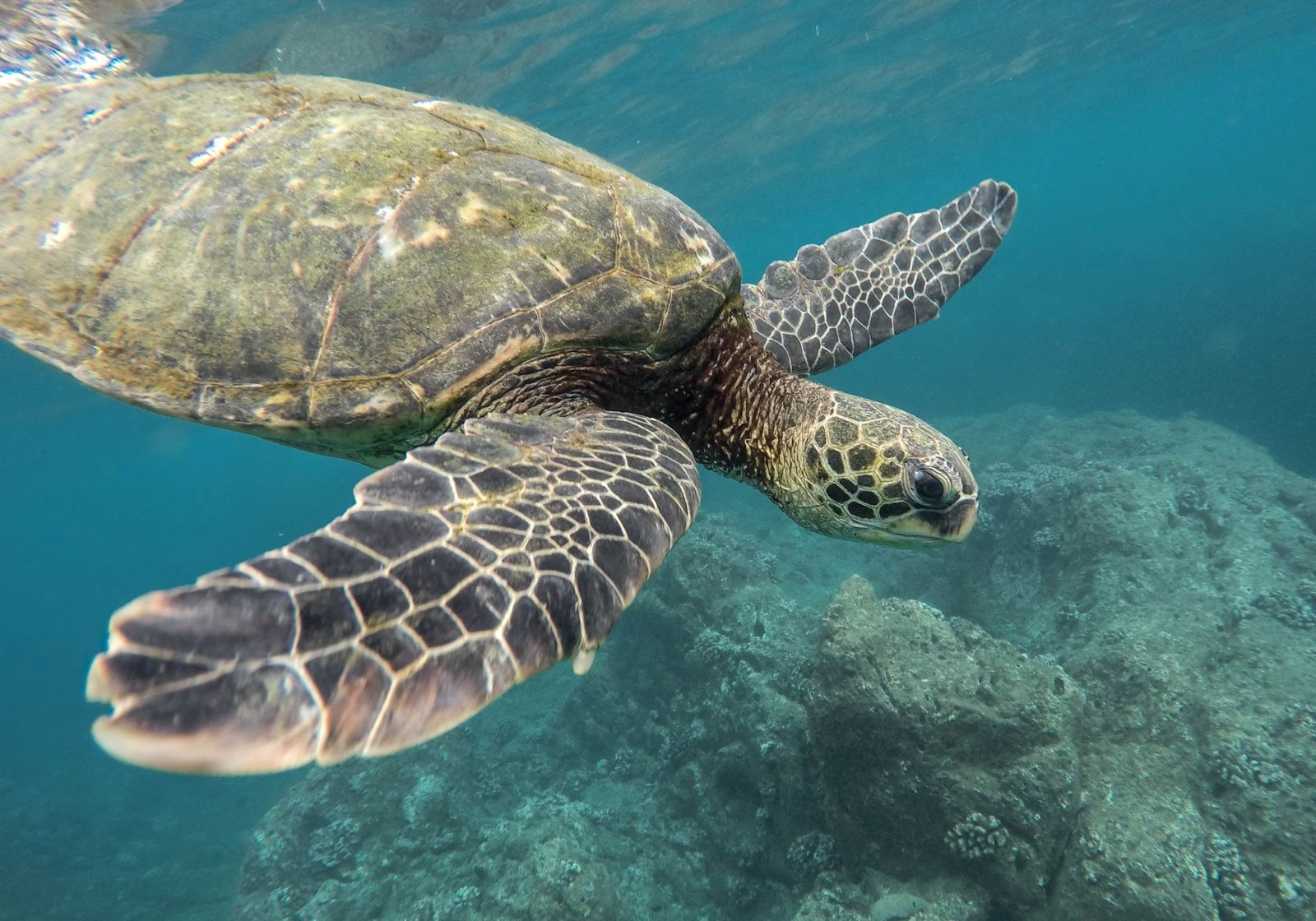


Hawaii snuba tours sit between snorkeling and scuba. You breathe through a regulator connected by an air line to a tank on a surface raft. No tank rides on your back. No dive certification is required. SNUBA International describes the system as a guided activity with a maximum depth of 20 feet. A trained SNUBA Guide joins each tour. For families with someone who does not want to get scuba certified, snuba puts that person below the surface without a certification course. Mixed-activity groups need to confirm the actual departure plan before paying. A snuba operator may run alongside snorkelers, while a certified scuba dive may leave on another boat or at another time. This is a planning-and-booking guide for summer 2026. Operator availability and pricing can shift month to month. Use linked booking pages for live dates. Confirm the meeting point and current rate before you pay.
Snuba vs. snorkel vs. scuba
The three water activities that come up in Hawaiʻi trip planning look similar from shore. In the water, they are different animals. Snorkeling. You float on the surface, breathe through a tube, and look down. Many beach-access snorkel sites are free. Conditions change, and access rules vary by site. Lifeguard coverage is not a given. You see the reef below you; getting closer means holding your breath and free-diving. Scuba diving. You are underwater with a tank on your back, breathing compressed air through a regulator. PADI trains Open Water Divers to 60 feet (18 meters), Advanced Open Water Divers to 100 feet (30 meters), and Deep Diver Specialty participants to 130 feet (40 meters), the recreational limit. Review PADI’s Open Water course and PADI’s depth guidance before choosing a dive. Operators set their own proof-of-certification requirements for certified-diver charters, so carry your certification card or eCard and confirm the accepted credential before booking. People without one can ask about an introductory program, such as PADI’s Discover Scuba Diving option. PADI limits its optional open-water Discover Scuba dive to 40 feet under instructor supervision. Introductory formats and limits vary by operator and training agency. Snuba. You are underwater, but the air tank stays on a raft at the surface and a 20-foot hose connects you to it. The available depth range is roughly 2–20 feet, limited by the air line. SNUBA International requires a guide-led experience rather than independent use. You get a briefing before entering the water, but no certification course. The practical choice is simple: if someone wants to breathe underwater without taking a scuba class, snuba fills that gap.
Who can snuba (and who shouldn't)
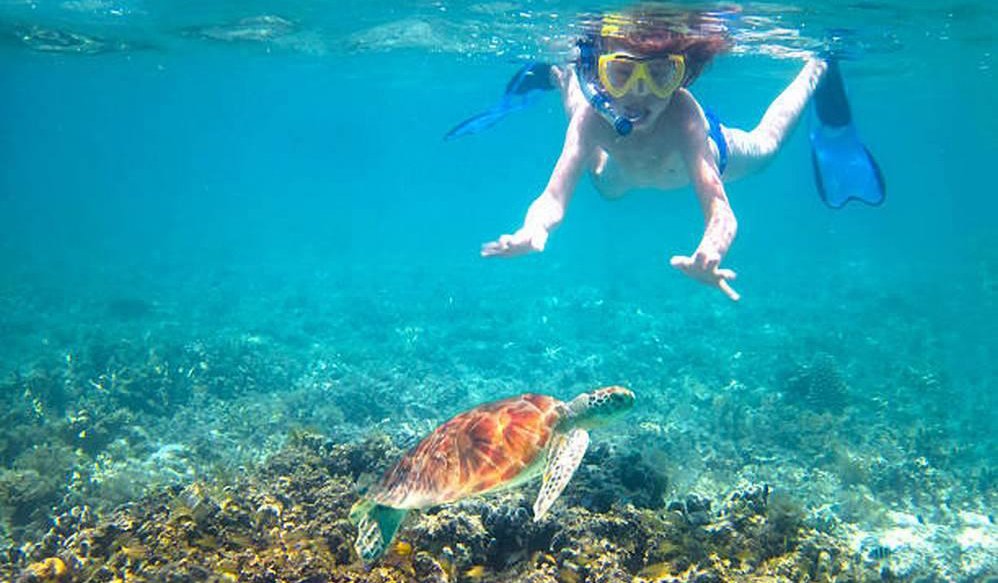
Hawaiian green sea turtles are protected. Watch without chasing, touching, feeding, or crowding them; NOAA recommends staying at least 10 feet away in the water and on land.
Age rules are not identical at every Hawaii operator. Start with the operator’s minimum age. Age requirements vary by operator and trip. Pride of Maui sets its excursion minimum at age 8. Check Pride of Maui’s current requirements and the requirements of any other operator before booking. Water comfort matters. Ask the operator whether it has a swim requirement. A participant needs to stay calm in a mask, breathe through a regulator, and follow the guide’s instructions in open water. If anyone in your group is unsure, ask about that operator’s participation rules before booking. Read the release and disclose concerns early. SNUBA is a compressed-air water activity. Review the SNUBA release form, read the operator’s health requirements, and speak with a medical professional if you have a condition that could affect diving or pressure equalization. Do not assume every operator uses the same screening process. Plan your flight interval carefully. DAN’s guidance calls for at least 12 hours after a single no-decompression dive and at least 18 hours after multiple dives or multiple days of diving. These are risk-reduction guidelines, not universal clearance for every SNUBA profile. Pride of Maui’s SNUBA guidance advises avoiding flying, helicopter tours, or driving to Haleakalā for 4–6 hours before or after the activity. The written SNUBA policy for your trip controls. Ask the operator, or a qualified dive-medicine source, how your planned exposure affects flying and high-altitude activities. Also follow the operator’s instructions for the excursion you book.
Where snuba runs in Hawaiʻi
Maui and Kauaʻi have named, verifiable SNUBA options. On Maui, Shoreline SNUBA describes shore-based sessions, while Pride of Maui lists a Molokini boat-tour add-on. SNUBA Tours of Kauaʻi lists Monday–Friday tours from Koloa. Read the age rules, cancellation terms, meeting point, and live price before paying. A tour page is the working blueprint; an old blog post is not.
Maui — shore sessions and Molokini boat tours
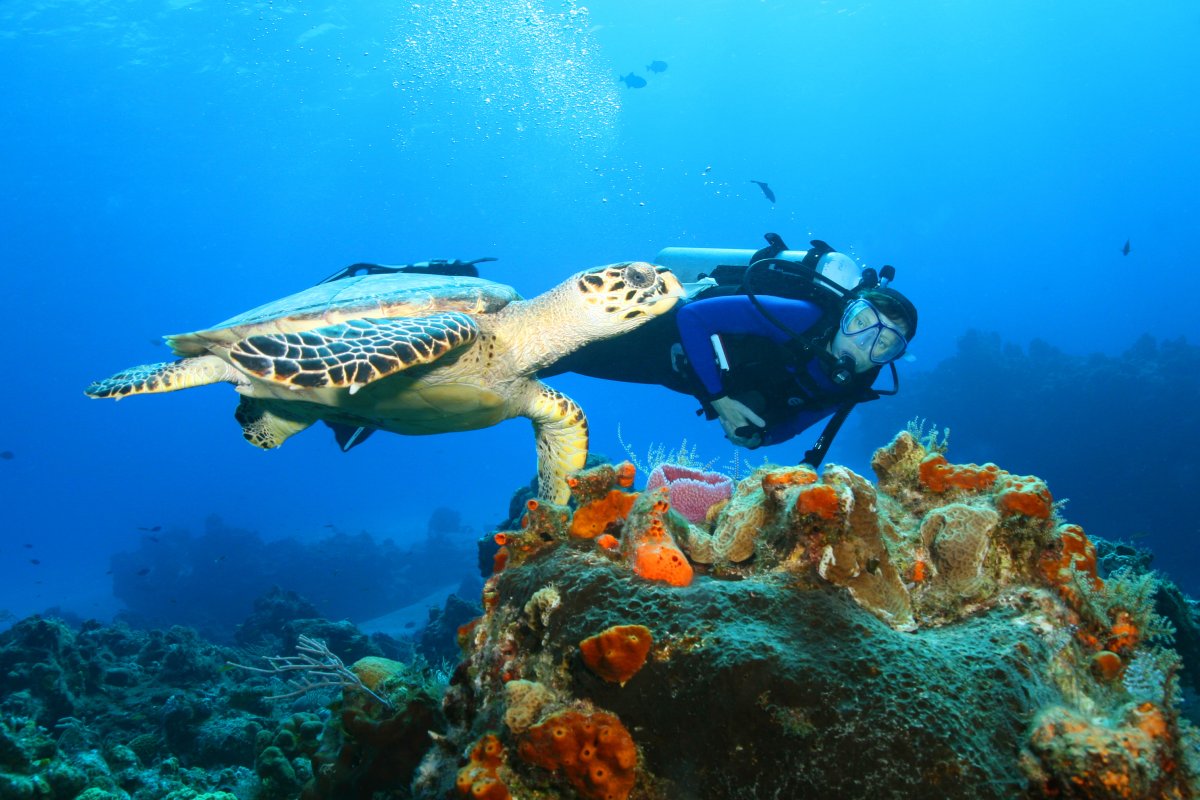
Maui reef conditions can change quickly. Wind and swell can scramble visibility. Confirm the meeting point and weather plan with your operator before departure.
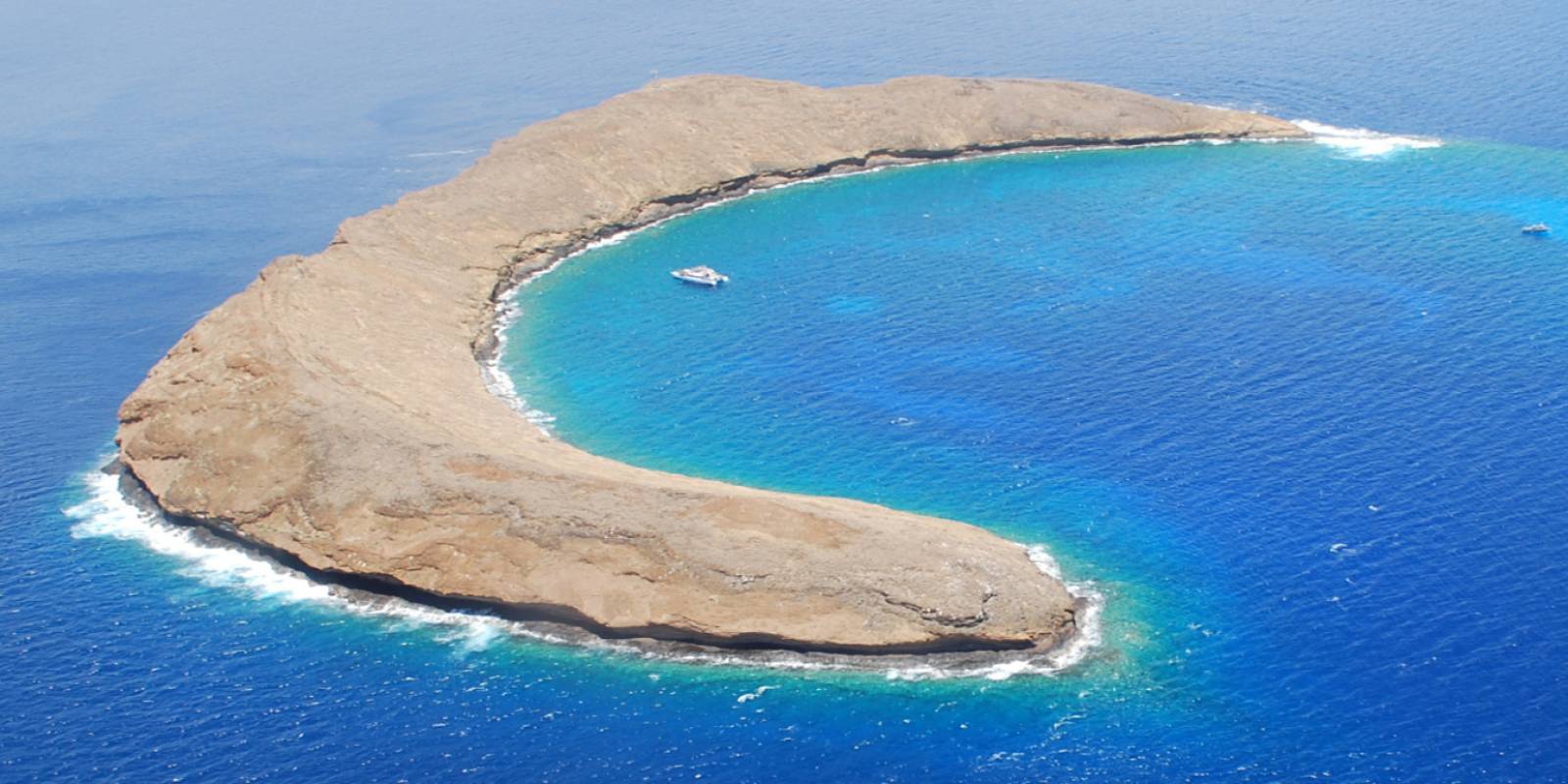
Maui offers two useful formats: shore-based SNUBA sessions and boat tours with SNUBA available as an add-on. A shore session keeps the commitment contained. A boat tour folds SNUBA into a larger snorkeling day. Pride of Maui currently offers guide-led SNUBA as an add-on to its five-hour Molokini snorkeling tour from Māʻalaea Harbor. Review its SNUBA details alongside its current Maui snorkeling-tour schedule. Shoreline SNUBA’s FAQ also describes a roughly two-hour shore-session format. Check its current FAQ and booking details before making plans. Lahaina Harbor sustained major damage in the August 2023 wildfire. Limited commercial ocean operations resumed there on December 15, 2025, while recovery and rebuilding continue. DLNR announced the limited reopening. DLNR’s Lahaina recovery page has current updates. Trust the departure point in your booking confirmation, not an old blog post or cached map listing.
Kauaʻi — scheduled tours from Koloa
SNUBA Tours of Kauaʻi advertises Monday–Friday departures from Koloa and publishes reservation information on its site. Check the operator’s current tour page and reservation page for your dates. Confirm the meeting location, check-in time, minimum age, and cancellation terms before you lock in other plans.
Where current SNUBA options are limited
Trilogy currently offers SNUBA as a space-limited add-on on selected Discover Lānaʻi and Discover Molokini excursions departing from Maui; guests must contact reservations to confirm it for their sailing. This guide does not list a named, current SNUBA operator based on Oʻahu, Hawaiʻi Island, or Molokaʻi. Do not treat a generic water-sports directory as confirmation. Contact the named operator and confirm the activity, departure point, age rule, and health requirements for your date before paying.
What a snuba day actually looks like
The exact schedule depends on whether you choose a shore session or a boat-tour add-on. The underwater routine follows the same basic arc. Pre-dive briefing. SNUBA International says guests receive a 15-minute briefing before entering the water. The briefing covers the system and basic procedures, including communication, equalizing your ears, and what to do if your regulator comes out. Surface familiarity. Before descending, you breathe through the regulator at the surface and settle into the equipment with the guide nearby. A regulator supplies air on demand from the surface system; it is not the same thing as a snorkel tube. Descent and underwater time. You descend with the guide, equalize your ears as needed, and stay within the air line’s 20-foot range. Underwater time varies by operator. Pride of Maui describes 20–25 minutes, while Shoreline SNUBA says its average dives run 35–40 minutes. Check the specific trip before booking. Keep your distance from wildlife: NOAA says sea turtles are protected under federal and state law and instructs visitors to stay at least 10 feet away, never touch, chase, or feed them. Read NOAA’s Hawaii marine-wildlife viewing guidance. Surface and gear-out. After a slow return to the surface, you hand off the equipment and finish the shore session or continue the boat outing. Shoreline SNUBA describes a roughly two-hour shore session; Pride of Maui’s SNUBA-capable Molokini outing runs five hours. Confirm shore-session timing and boat-tour timing on the live operator pages.
What to bring
Confirm what equipment your operator includes. Many operators provide SNUBA gear, but shore and boat formats can have different inclusions. Check the live booking page for mask and fins. Ask whether flotation gear or a wetsuit is included. Sunscreen that follows Hawaiʻi’s sale rules. Hawaiʻi law prohibits selling, offering for sale, or distributing for sale sunscreen containing oxybenzone or octinoxate without a prescription. Read Hawaiʻi Revised Statutes §342D-21 before buying sunscreen in the islands. Many visitors choose mineral sunscreen, but no label removes the need to avoid touching coral. Apply sunscreen according to its label before reaching the meeting point. A mineral SPF 50 stick is easy to carry for reapplication. Rash guard or swim shirt. A rash guard helps with sun exposure and offers a little protection from accidental scrapes. A UPF 50 rash guard earns its space in a beach bag. A dry bag for valuables. On a shore-entry session, keep your phone and wallet protected at the waterline. Choose a size that fits the valuables and towel you plan to carry. A 10-liter dry bag is a common compact option. A clear head for equalizing. Congestion can make ear equalization difficult. If you wake up stuffed up, contact the operator before leaving for the meeting point. Read its cancellation and rescheduling terms before deciding what to do.
How to book a Hawaii snuba tour
A clean booking pass for a Hawaiʻi SNUBA tour looks like this: 1. Pick an operator with a live departure. Maui and Kauaʻi have verifiable current options. For other islands, do not rely on an old listing or a generic water-sports category page. If your dates are fixed, book when you find a verified departure with cancellation terms you can live with. If your schedule is flexible, keep checking the operator’s live calendar. 2. Confirm age and health eligibility. SNUBA International says guests can participate from age 6, but individual operators can set stricter limits. Read the release, review the operator’s requirements, and flag questions before the day of the trip. Families should also ask whether a kids’ program runs on the preferred date before making other non-refundable plans. 3. Verify the departure point and transport. Check the booking confirmation for the exact beach or harbor. Then check parking instructions and check-in time. Ask about shuttle availability if you need it. This matters on Maui while Lahaina Harbor recovery continues. 4. Read weather, cancellation, and rescheduling terms. Ocean conditions can alter or cancel a trip. Do not assume a weather cancellation becomes a snorkel-only outing. Do not assume a reschedule is free; each operator writes its own policy. 5. Check the live booking page for the current price and available dates. Tour prices and add-on fees move faster than guide articles can. For broader timing across other Hawaiʻi tour categories, read our Hawaii Tour Booking Lead Times: When to Reserve guide.
How to compare snuba tour costs
SNUBA pricing depends on the format. A shore session usually has one price for the guided experience. A boat tour may charge for the snorkel sail, then list SNUBA as a separate upgrade. Compare the final checkout total, not the headline rate. Look for taxes and any separate gear fee. If transport is offered, check whether it costs extra. Then compare the cancellation terms; a cheaper booking can become the expensive choice if your plans are likely to change. Do not use old price ranges as a budget promise. Check the operator’s live booking page for the available date, the SNUBA add-on rate if applicable, and what the rate includes. Compare that total with a live introductory-scuba booking page if scuba is also on the table. Snuba usually costs and operates differently because it stays shallow, uses a surface raft, and does not include a certification course.
When to skip snuba and pick something else
Snuba is not always the right pick. A few cases where another activity fits better: Everyone in your group is already scuba certified. Book a certified scuba dive if the group wants deeper water and more time underwater. Anyone in your group is genuinely anxious about being underwater. Stay snorkeling. A guided shore snorkel or a beach snorkel can be the better call. Check same-day ocean conditions, access rules, and closures before you go. Wildlife sightings are never guaranteed. You only have a half-day and have never seen a Hawaiian reef before. A guided shore snorkel may cover more ground with less equipment instruction. Snuba makes more sense when the underwater breathing experience itself is the goal. You want to see manta rays. Book a dedicated Kona manta experience instead. Kona manta ray night snorkel trips commonly place snorkelers at a surface float while scuba divers watch from below. Lights attract plankton, which attracts mantas. Review a current manta operator’s format and confirm whether your group will snorkel or scuba dive; do not assume SNUBA is part of the trip.