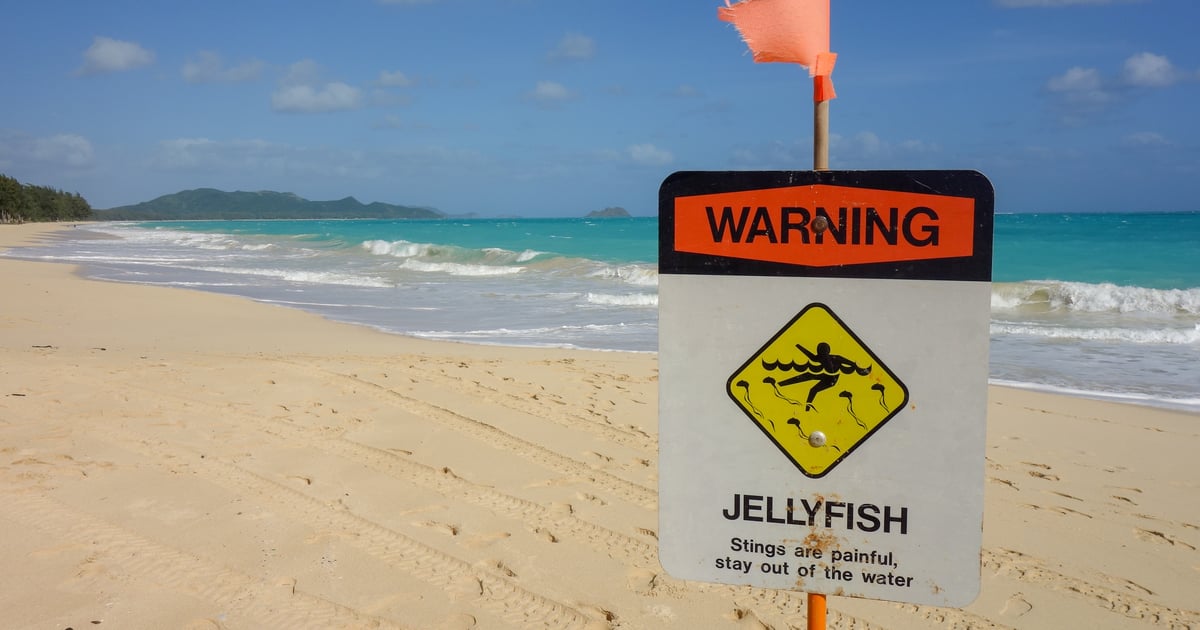
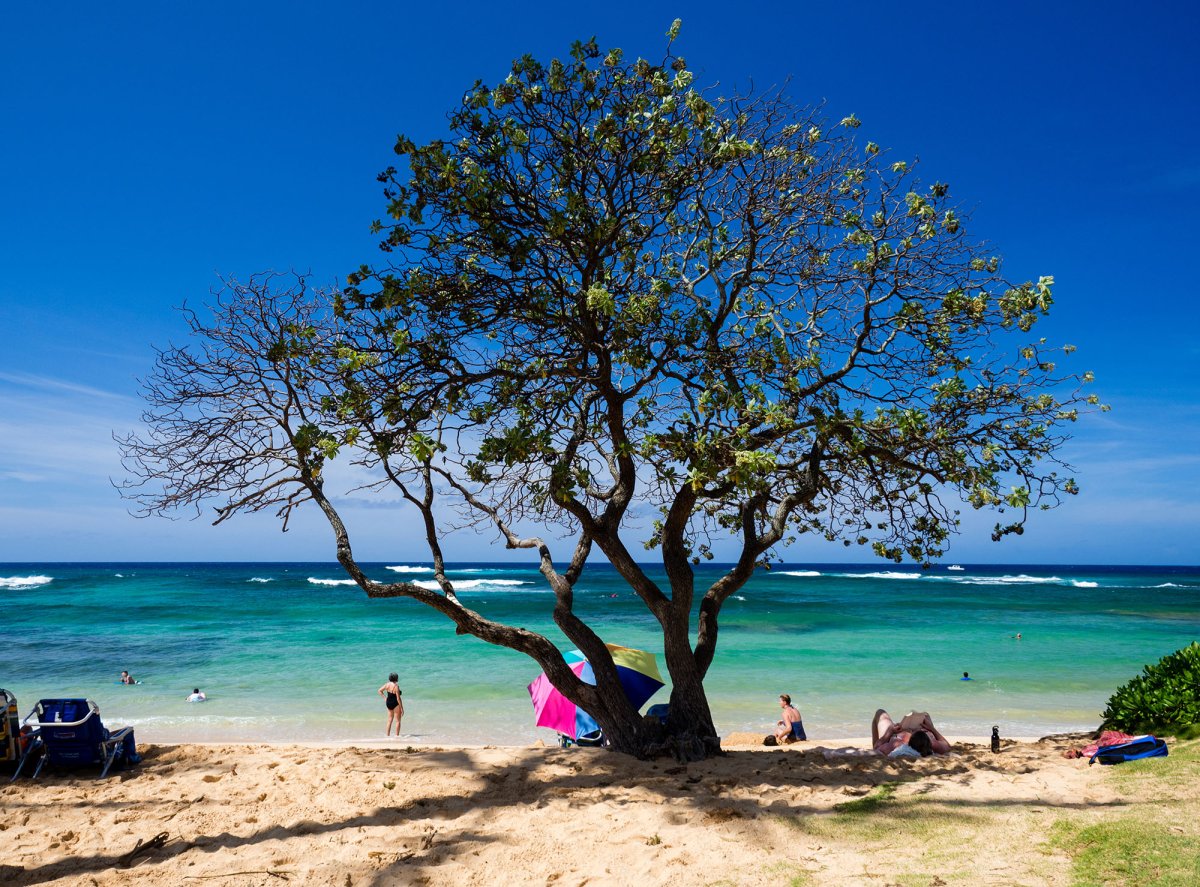


Nobody books a Hawaii vacation thinking about clinics. But Hawaii urgent care is the playbook you want before you need it — the reef cut that needs stitches, the ear infection after a day of snorkeling, a kid spiking a fever on Day 3, a hiking misstep that turns an ankle the size of a softball. Over the years we’ve heard from enough blindsided visitors that we put this together. Hawaii has a solid network of urgent care clinics, pharmacies, and hospitals across all four main visitor islands. The hard part isn’t access. It’s knowing where to go before something happens, so you’re not Googling “urgent care near me” from a vacation rental at 8 p.m. on a Sunday with a sick kid. This is travel-planning guidance, not medical advice. If a symptom feels serious, escalating, or confusing, use 911 or a licensed clinician rather than trying to diagnose it from a travel article.
Urgent care vs. ER: how to decide
First question is whether what you’re dealing with is an emergency or an urgent-but-not-emergency situation. The answer determines where you should go, how long you’ll wait, and how much it’ll cost. Call 911 or go straight to an ER for: chest pain, trouble breathing, severe head injuries, suspected stroke, heavy bleeding that won’t stop with pressure, drowning or near-drowning, anything involving loss of consciousness, severe allergic reactions, and anyone who needs to be carried out. Honolulu EMS tells callers not to wait in an emergency and to call 911; use that same emergency number anywhere in Hawaii. Urgent care or walk-in clinic for: cuts that might need stitches but you’re still upright, ear infections, sinus infections, swimmer’s ear, urinary tract infections, sprained ankles and wrists, possible broken bones in arms or legs (not the spine or skull), high fevers, sun poisoning, severe sunburn, reef cuts that look infected, food poisoning that won’t quit, mild allergic reactions, pink eye, and the usual cold-flu-strep range of stuff. The practical gap matters. ER care is built for emergencies and can be expensive if your insurance treats the visit as out-of-network. Urgent care is usually the better first call for routine vacation problems, but self-pay prices, X-rays, lab work, and medication add-ons vary by clinic. If you’re not sure which to choose, call the urgent care first. A good front desk will tell you over the phone if your situation needs an ER instead.
Where to find help on the main visitor islands
Hawaii’s main hospitals and urgent care clusters are concentrated on Oahu, Maui, Hawaiʻi Island (the Big Island), and Kauai. Molokaʻi and Lānaʻi have more limited local care, and serious cases may require transfer; if you’re headed there, ask your host about the nearest clinic before you arrive. For the four main visitor islands, build a short list before you need it. Oahu. The biggest network. The Queen’s Medical Center in downtown Honolulu is the flagship hospital; Queen’s also identifies its trauma program as Hawaiʻi’s first and only Level I Trauma Center, serving the state and Pacific Basin. Serious cases from all islands ultimately end up there. Other major Oahu hospitals include Straub Medical Center, Kapiʻolani Medical Center for Women and Children, and Pali Momi Medical Center. For walk-in care, search “urgent care near me” from your hotel, then call before you go. Chains like Adventist Health Castle Urgent Care (Kailua/windward side) and other walk-in clinics cover many visitor zones. Waikiki also has several walk-in clinics used to seeing travelers without local primary care. Hours, accepted insurance, and services change, so confirm with the clinic before you go. Maui. Maui Memorial Medical Center in Wailuku is the main hospital. Urgent care is thinner on the ground than on Oahu. There are walk-in options in Kīhei, Kahului, and West Maui, including Minit Medical, and West Maui access can still be less predictable than Central and South Maui. Evening and weekend hours are limited. If you’re staying in Wailea, Kāʻanapali, or Kapalua, ask your concierge or host for the nearest currently open clinic before you need one. Big Island. Two regional hospitals, on opposite sides. On the east side, check the State Department of Health’s current hospital list before you drive. Kona Community Hospital (technically in Kealakekua, about 15–20 minutes south of Kailua-Kona) covers the west. Queen’s North Hawaiʻi Community Hospital is another option in Waimea (Kamuela). Big Island is huge. From Hāwī to Volcano is a real drive. If you’re in a remote area and the problem is urgent-not-emergency, call before you drive. Your hotel front desk, vacation rental host, or the clinic itself can save you from spending 90 minutes headed to the wrong side of the island. Kauai. Wilcox Medical Center in Līhuʻe is the main hospital. Kauai Medical Clinic (a Hawaii Pacific Health operation) lists clinic locations around the island. Evening and Sunday hours are reduced, especially outside Līhuʻe, so a same-day phone check matters more here than it does in Honolulu.
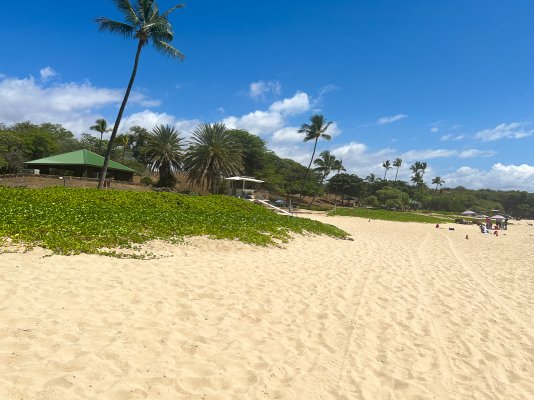
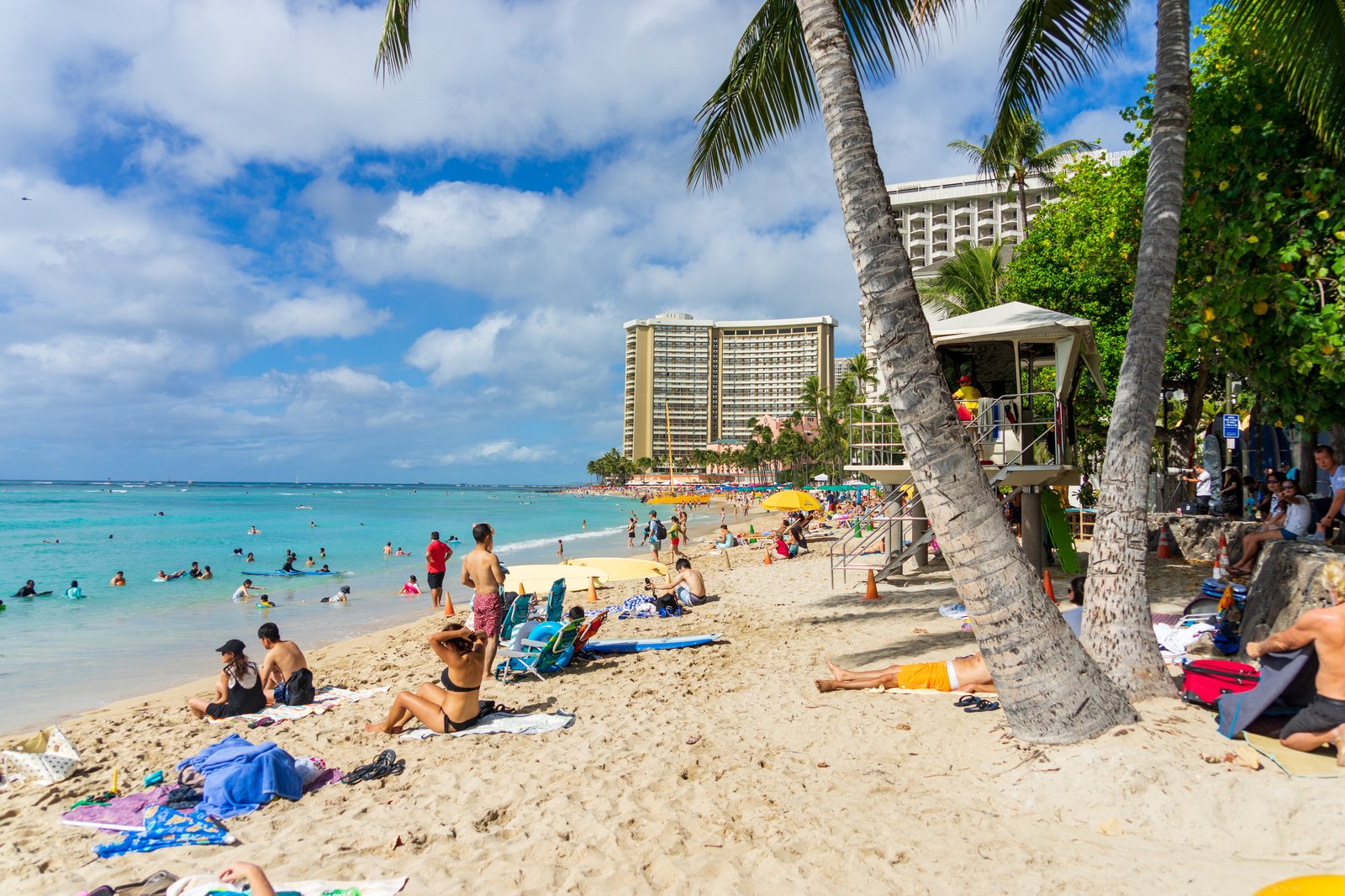
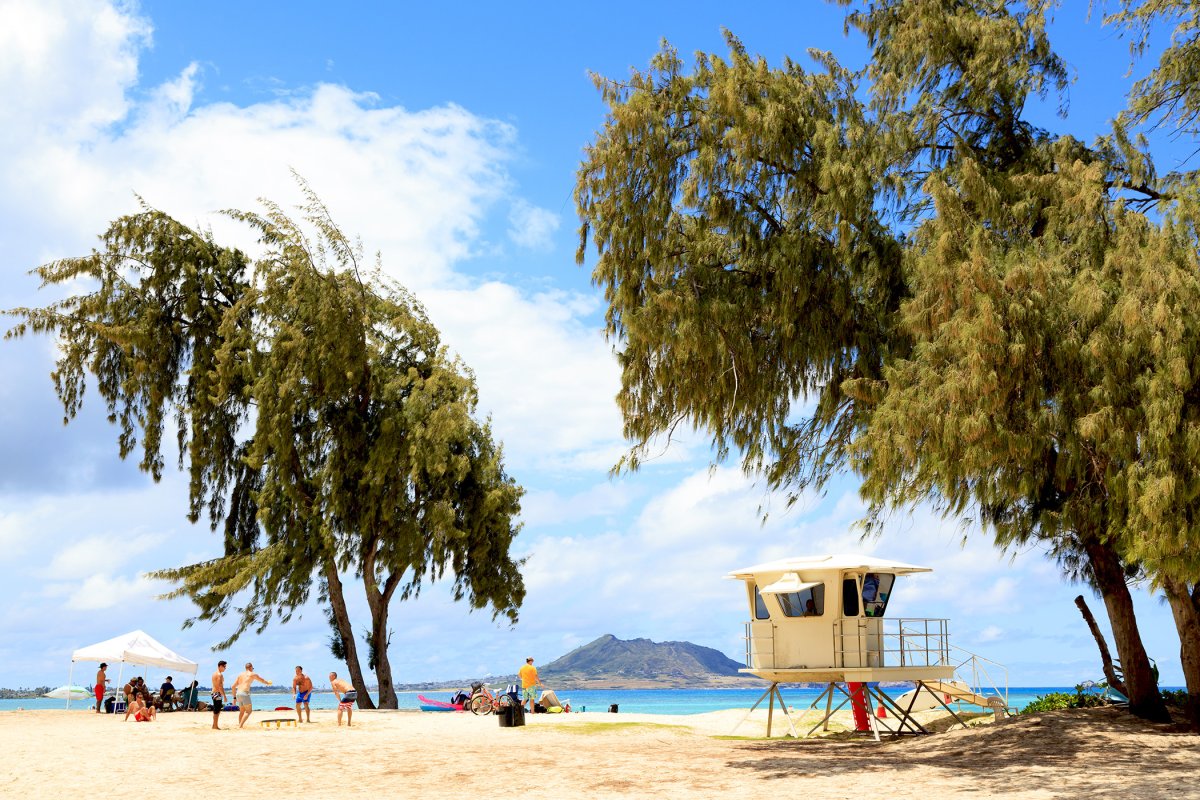
Lifeguards staff most major visitor beaches in Hawaii — they're your first stop for anything ocean-related.
Lifeguards: your first stop for anything ocean-related
Hawaii’s busiest visitor beaches are often staffed by county lifeguards during daytime hours, though tower coverage and staffing vary by beach, island, season, and day. Lifeguards handle ocean rescues and can point you to the right clinic or ER if your situation is beyond first aid. If something happens in or near the water and a tower is staffed, walk to the tower before you drive anywhere. For ocean conditions you want to know about before you get in, our Hawaii Ocean Report pulls live NOAA surf, wind, and beach advisories. Our Jellyfish Calendar tracks the post-full-moon box jellyfish influx that hits Waikiki and a handful of south-shore Oahu beaches on a recurring schedule. Check it before you book a snorkel day.
Pharmacies: where to refill, where to buy what you need
Hawaii’s main pharmacy chain is CVS Longs Drugs. Longs was the original local brand, and CVS says Longs Drugs is now owned and operated by CVS Pharmacy while keeping the local name on the storefronts. Use the Longs Drugs site or the CVS store locator for current locations, pharmacy hours, and services. Most visitor areas also have supermarket or big-box pharmacy options nearby. For prescription refills as a visitor: call your home pharmacy first and ask them to send a refill to a specific CVS Longs or other Hawaii pharmacy. For many non-controlled medications, this can be handled as a transfer or chain-system refill. Controlled substances are stricter and may require your prescriber to send a new e-prescription to the Hawaii pharmacy. Start that conversation before your trip, not after you’ve left the bottle on the kitchen counter. For walk-in OTC needs: Longs Drugs has the widest selection, but smaller chains like Times Pharmacy and independent pharmacies on every island cover the basics. ABC Stores in Waikiki and other tourist zones aren’t pharmacies, but they stock sunscreen, aloe, ibuprofen, bandages, and other common vacation-day fixes. For the fuller prescription/refill playbook, use our Hawaii pharmacy and Longs Drugs guide.

Hawaii is the southernmost U.S. state, and the UV index can climb into the EPA's very-high-to-extreme range on clear days.
The four problems visitors actually run into
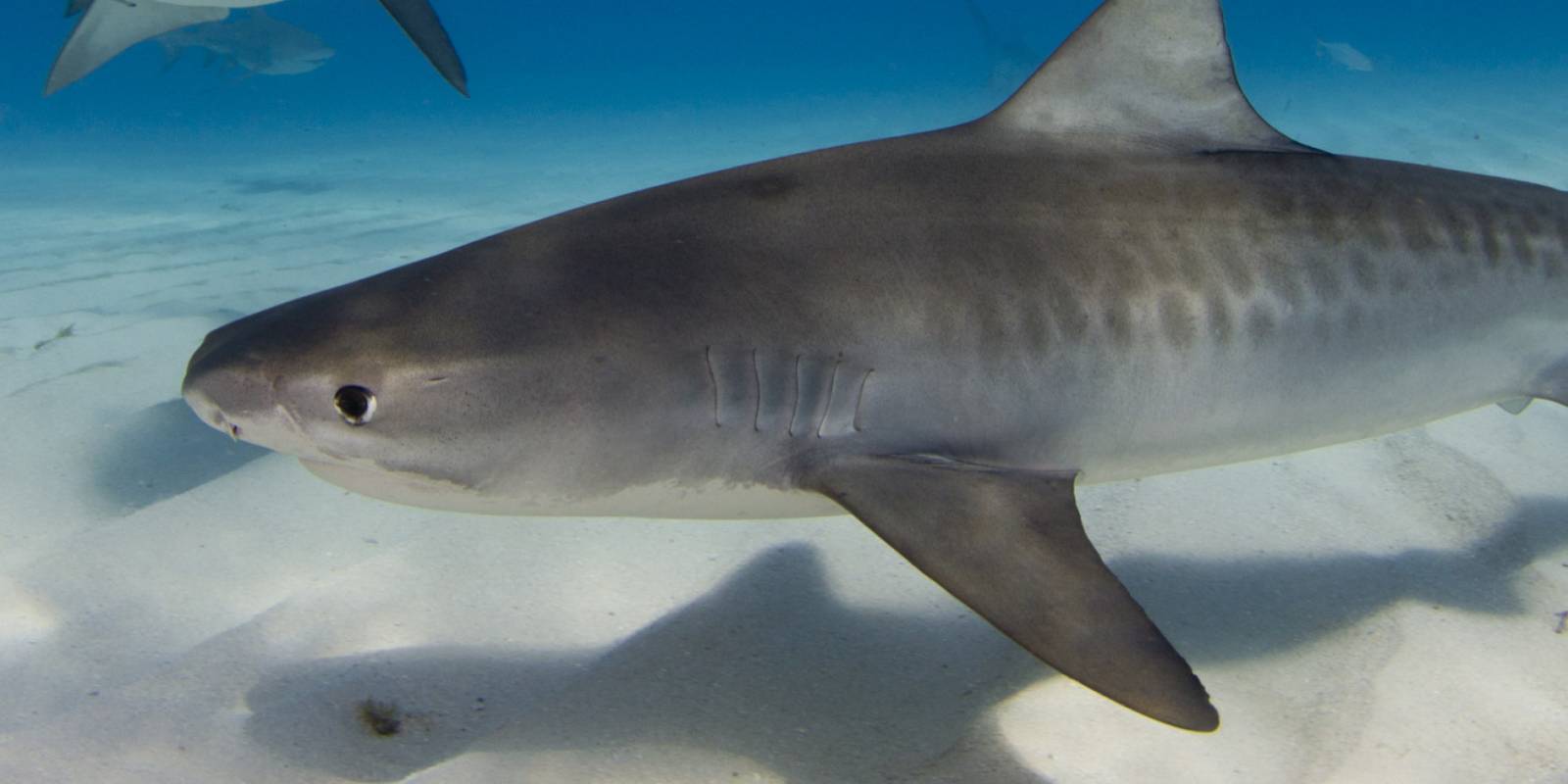
After years of running this site, we have a short list of the things that send visitors to a Hawaii clinic. They’re almost always preventable. If one of them gets you, here’s the first move. Severe sunburn or sun poisoning. Easily the most common reason visitors land in a Hawaii clinic. Hawaii sits far south in the subtropics, and UV exposure can jump faster than mainland visitors expect. The EPA’s UV Index scale treats 8+ as very high to extreme risk and says extra protection is needed, especially late morning through mid-afternoon. Treat sun protection as immediate, not optional. Reapply reef-safe sunscreen every two hours and after every swim. Hawaii’s statewide reef-sunscreen law restricts the sale of several chemical sunscreen ingredients, and Maui County restricts non-mineral sunscreen unless it is prescribed. That combination pushes most visitors toward mineral formulas such as zinc oxide or titanium dioxide. Our reef-safe sunscreen law overview breaks down what’s actually for sale on island. Sun poisoning (high fever, nausea, severe redness, blistering) is usually an urgent care visit, not an ER one. Aloe vera, hydration, and rest handle most milder cases. Reef cuts and sea-urchin spines. Coral and urchins live a few inches under shallow water at almost every reef. General first aid for a minor reef scrape is to rinse thoroughly with fresh water and clean it well, then watch for spreading redness, swelling, heat, pus, fever, or increasing pain — signs that warrant a clinic visit. The CDC prevention guidance for Vibrio infections notes that open wounds and coastal water are a bad combination, especially for people with underlying medical risk factors, so don’t ignore a cut that looks worse the next day. Sea-urchin spines often break off under the skin; if a spine is deep, near a joint, or causing increasing pain, see an urgent care provider rather than digging at it yourself. Ear infections (swimmer’s ear). A full day of snorkeling with water sitting in the ear canal is a common setup for swimmer’s ear, especially for kids. CDC healthy-swimming guidance includes drying ears thoroughly after swimming because drying ears helps prevent germs from growing in the outer ear. Ear pain, itching, drainage, or muffled hearing after a snorkel day is worth a clinic call. An urgent care doctor can evaluate and prescribe ear drops in a single visit; ask your doctor before using any home drops, since they aren’t safe for everyone (anyone with tubes or a perforated eardrum should skip them). Hiking ankles and dehydration. Hawaii’s trails are steep, rooty, and slick. Pīpīwai Trail, Diamond Head, Koko Head, Sliding Sands. We’ve heard from plenty of visitors who rolled an ankle on one of them. Wear real trail shoes, not flip-flops or Vans. Carry more water than you think you need; the trade winds dry you out faster than the mainland. If you turn an ankle on a hike, an urgent care clinic can x-ray it. If it’s clearly broken or you can’t walk out, that’s a 911 call. For ocean-specific risks, see our drowning safety guide and shark visitor guide.
What to do about insurance and bills
Treat Hawaii as domestic care, but still check your network. Hawaii is a state, not a foreign country, so U.S. plans handle claims under standard domestic rules. The catch is network coverage. Major insurers may have in-network hospitals or clinics on one island and thinner options on another. Call your insurance’s member services line before you travel and ask which Hawaii urgent cares and ERs are in-network in the area where you’re staying. A few minutes of phone time can save you real money in out-of-network billing. For international visitors, and anyone who wants real reassurance, travel insurance with medical coverage is worth considering. Medical evacuation from a remote area (Kalalau Trail, Mauna Kea summit, a Big Island backroad) can be expensive, and overseas visitors should not assume their home health system will handle U.S. medical bills cleanly. Benefits, exclusions, and assistance services vary by policy, so read your specific terms before you assume anything is covered. Our Hawaii travel insurance guide walks through what to look for. You can compare policies on SquareMouth or buy direct from Travelex’s Hawaii page. What to bring to a Hawaii clinic visit: insurance card, photo ID, your home doctor’s name and phone number (in case the clinic wants to confirm a medication you take), a list of current prescriptions, and a credit card for any up-front payment. Billing practices vary; some clinics will submit directly to insurance on your behalf, while smaller independent clinics may want payment up front and provide a superbill you submit for reimbursement. Ask at check-in.

Most clinic visits end the same way: a prescription, a recovery day in the shade, and back to the trip the next morning.
The five-minute pre-trip checklist
Before you fly, do these five things and you’ll be set. 1. Pack a small first-aid kit. Band-aids, antibiotic ointment, ibuprofen and acetaminophen, hydrocortisone cream, antihistamine pills, ear drops, electrolyte powder packets. A basic Amazon travel first-aid kit handles most of it. Saves you a Longs Drugs run on Day 1. 2. Photograph your prescriptions. Take a phone picture of every pill bottle and the front and back of your insurance card. If anything gets lost or you need a refill, the labels have everything a Hawaii pharmacist needs. 3. Call your insurance. Ask which Hawaii hospitals and urgent cares are in-network at your destination. Note one urgent-care option and one ER per island you’re visiting, then confirm hours again if you actually need care. 4. Set up your phone for 911. Make sure your iPhone or Android can dial 911 even if your screen is locked. (iPhone: Emergency SOS lives in Settings. Android: emergency call works from the lock screen.) Worth confirming before a trip, not during one. 5. Know your travel insurance policy number. If you bought a policy, save the policy number and the 24/7 assistance line in your phone contacts under “TRAVEL INSURANCE” so you can find it fast. Most policies’ assistance lines can help coordinate care and billing, but check what your specific plan actually covers before you assume anything. None of this is glamorous. Most visitors will never need any of it. For the small percentage who do, having the playbook in hand turns a bad afternoon into a manageable one, and gets you back to the beach the next morning.