
You can get a hot-stone massage in any city in America. What you can’t get anywhere else is what Hawaii does to you once you stop trying so hard. The Hawaii wellness that actually works isn’t on a spa menu, and most of it is free. We’ve taken the resort-spa version of a Hawaii trip, and we’ve taken the version that’s just ocean, forest, and quiet. The second one is the one we come home changed by. A massage feels good for an hour. A week of warm water, green trails, and slow mornings resets something deeper. There’s a catch, and it’s a good one. The Hawaii that restores you only stays that way if visitors take care of it. Hawaiians call that mālama, to care for. The place looks after you, and you look after the place. That reciprocity is the real wellness program here.
The ocean does what the spa is imitating
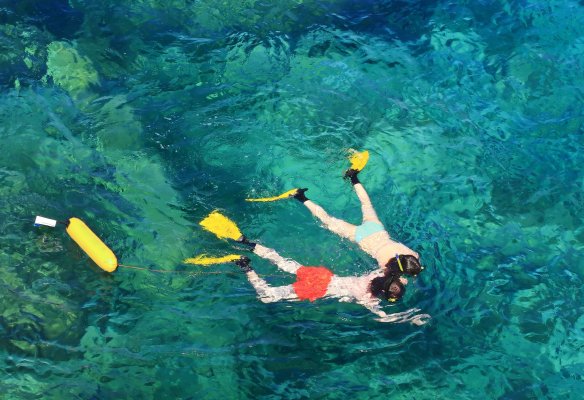
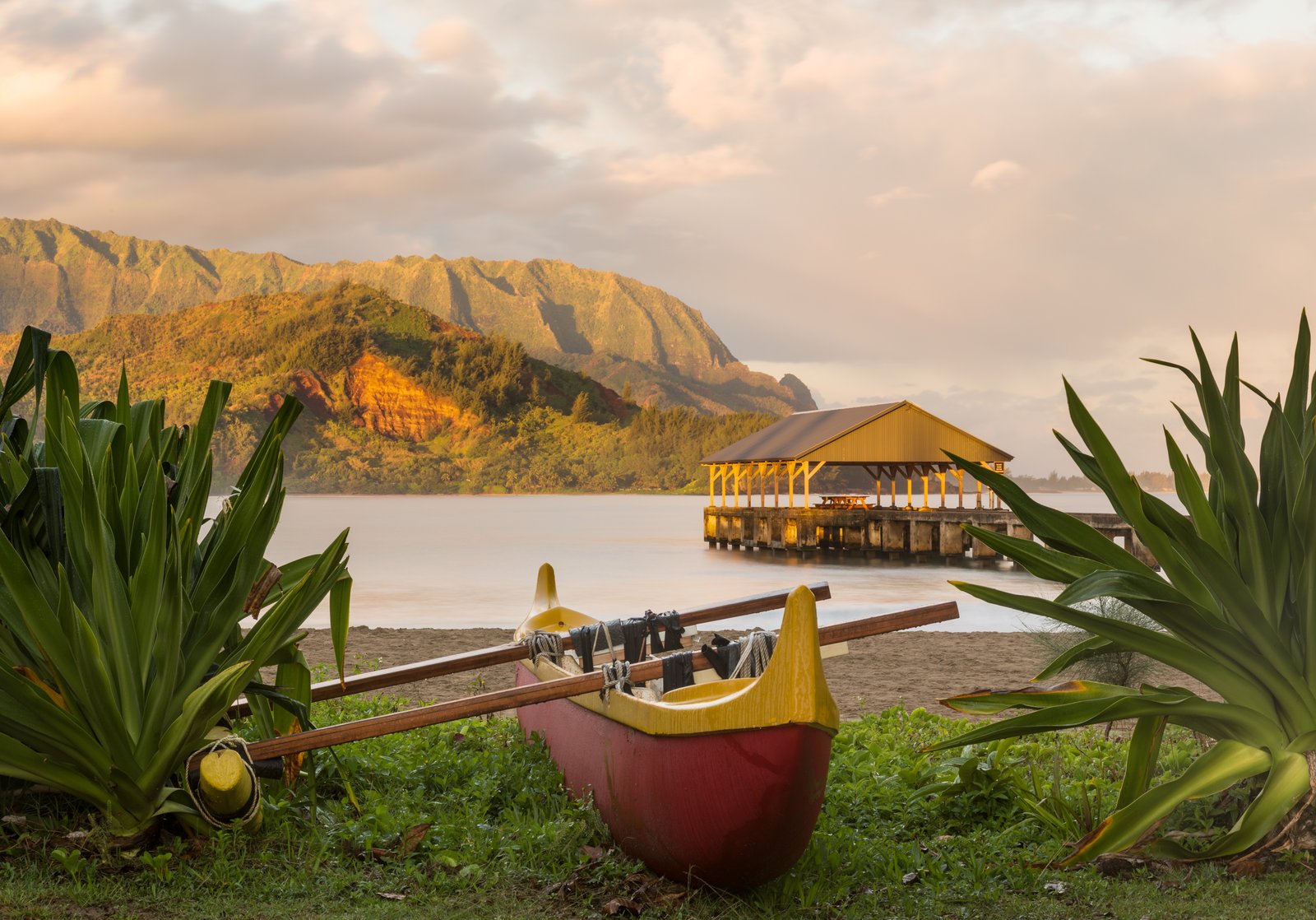
A quiet bay early, before the wind and the crowds. The slow version of a snorkel is the restorative one.
Float in warm, calm water for twenty minutes and your shoulders drop on their own. The pull of calm water on the brain is real enough that it has a name in the wellness world, “blue mind,” but you don’t need the science to feel it on the first morning. The move is to go slow. Not a packed boat with forty people, but a quiet bay early, before the wind and the crowds, where you can drift and watch the reef wake up. Hawaii’s ocean conditions shift fast by season and by shore, so check the day’s ocean report before you pick a spot, and in jellyfish season our jellyfish calendar tells you which mornings to skip. One non-negotiable: reef-safe sunscreen. Hawaii’s Act 104 restricts the chemical sunscreens (oxybenzone and octinoxate) that bleach coral, and a mineral SPF is the right call for the reef and your skin both. You’re getting into water the next person wants to enjoy too.
Forest bathing, Hawaii style
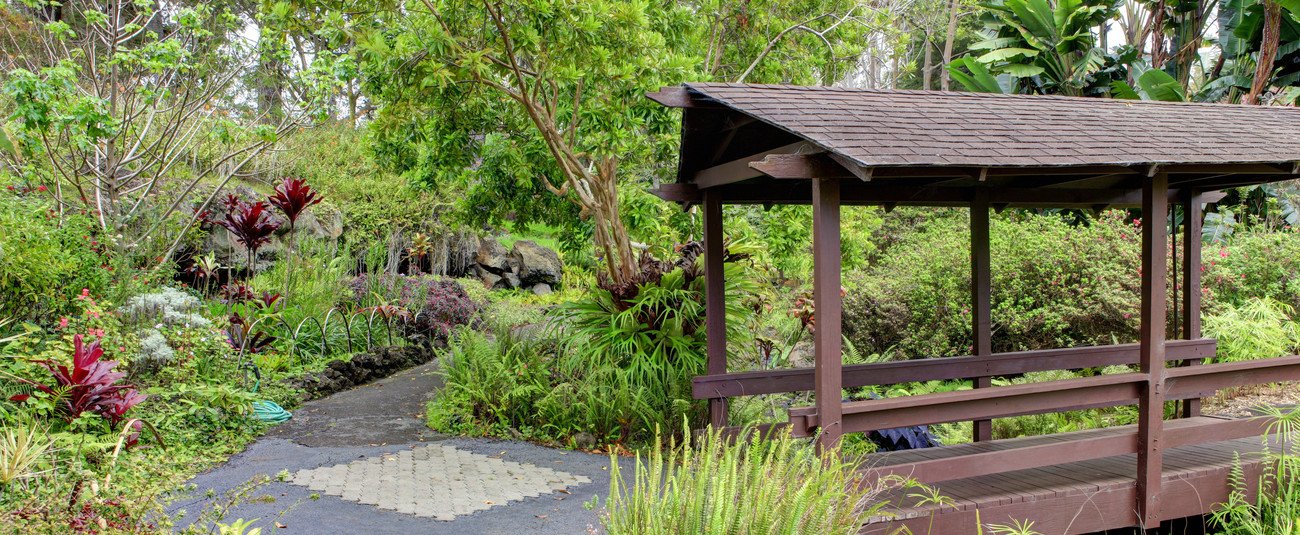
A garden path in Maui's cool Upcountry. Hawaii's forest reset is mostly a walk, not a ticket.
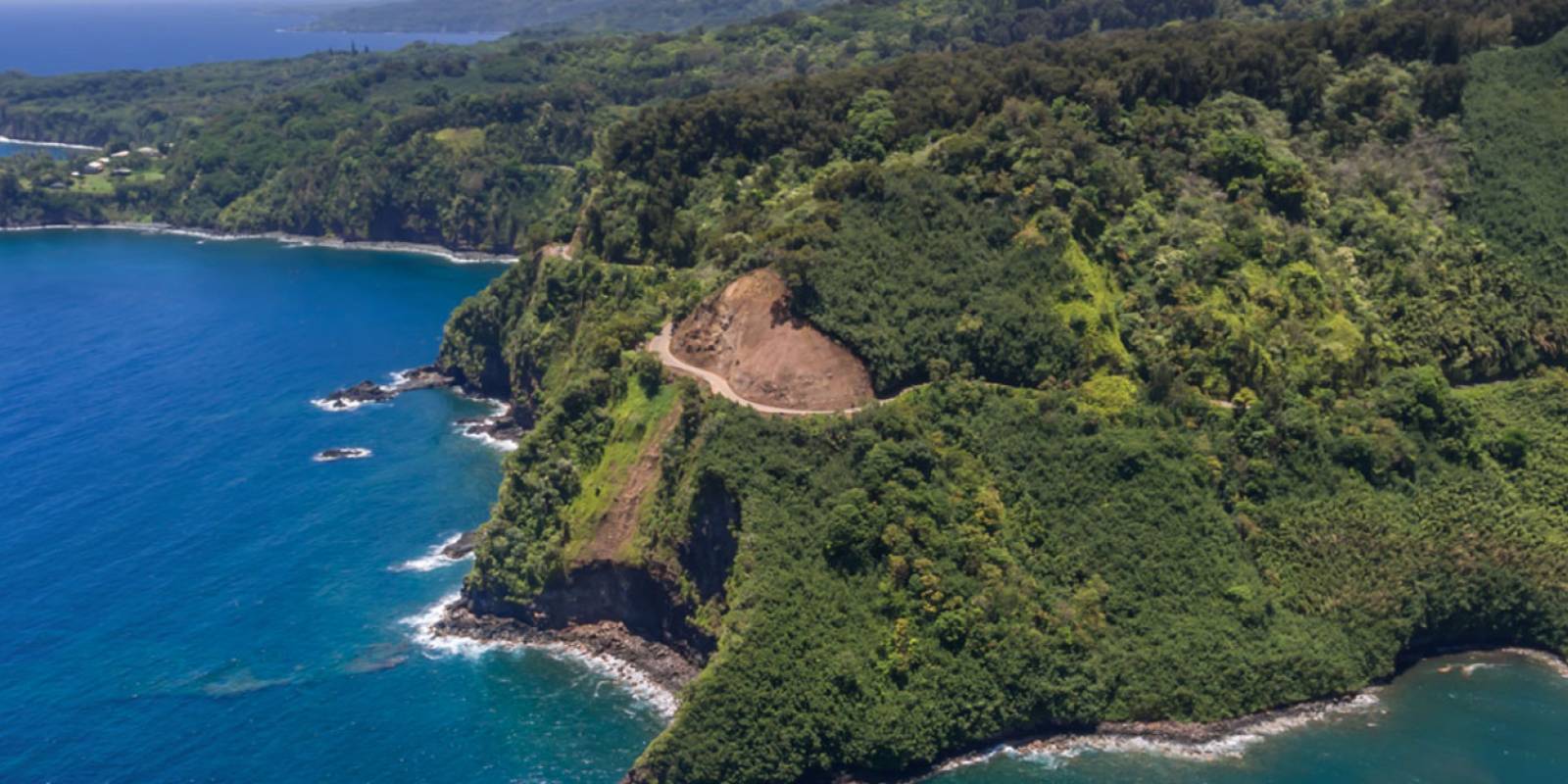
The Japanese have a phrase for walking slowly through trees with no goal, shinrin-yoku, or forest bathing, and Hawaii’s rainforests are built for it. Cool, green, loud with birds and running water, and a real drop from the beach heat. You don’t need a hard hike to get it. A botanical garden in Maui’s Upcountry, the fern-and-bamboo stretches along the Road to Hāna, or any of the island gardens will do the job. Walk slow. Put the phone away. Let the green and the sound of moving water do the work. This is the part of Hawaii that resort grounds only gesture at with a koi pond. The real thing is usually a few minutes up the road.
Quiet is the amenity
Hawaii’s best wellness feature might just be the quiet. Mornings here are still and uncrowded almost everywhere. The light comes up, the air is soft, and for an hour the islands feel like they’re yours. Get up for one sunrise and you’ll understand the appeal. After dark the sky takes over. Walk down to a dark beach, away from the resort glow, and the stars come in thick. Stargazing costs nothing. The hardest thing to schedule, and the most restorative, is nothing at all. Block a day with no plan. Travel in a shoulder season and the quiet comes easier, with fewer crowds and more room to move.
Wellness is also respect: the mālama mindset
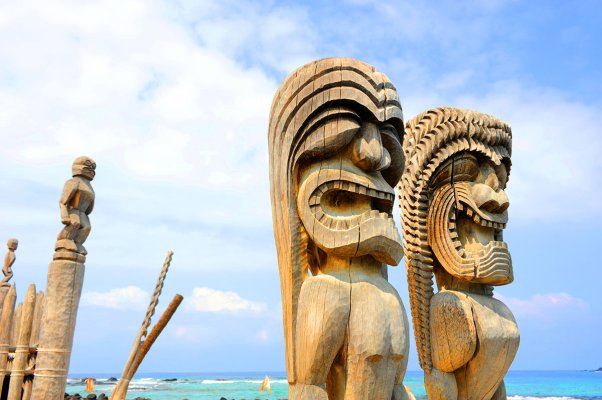
Puʻuhonua o Hōnaunau on the Big Island. A living cultural place, not a photo backdrop. Read the signs and tread lightly.
Here’s the part the spa brochures leave out. The Hawaii that calms you down is a real place with people, history, and limits, and it stays restorative only if visitors treat it that way. We go as guests. That mindset of mālama, caring for the place, is woven into how Hawaiians ask travelers to show up, and honestly it makes the trip better rather than more work. In practice it’s simple. NOAA’s viewing guidelines ask you to stay at least 10 feet from honu (sea turtles) and 50 feet from Hawaiian monk seals, and never approach or touch them. Stay on marked trails. Don’t stack or move rocks. At a sacred site like Puʻuhonua o Hōnaunau, read the signs and tread lightly. These are living cultural places, not photo backdrops. If you want to give back directly, the state’s Mālama Hawaii program pairs a volunteer morning (planting, a beach cleanup, taro work) with a special offer at participating hotels, which historically has included a free night. Offers vary by partner, so check current listings before you book. It’s the rare deal that’s good for you, the islands, and your wallet at the same time.
How to build a restful Hawaii trip
Pull it together and the recipe is short. Pick one island and stay put. Our guide to where to slow down in Hawaii breaks down the quietest regions. Plan one outdoor thing a day, do it in the morning, and leave the afternoon open. Get out of the resort for at least some of your meals, since a plate from a local spot or farmers market does more for the trip than another buffet. You’ll want a car to reach the quiet places. We book through Discount Hawaii Car Rental, which pulls the major Hawaii brands (Alamo, Avis, Budget, Dollar, and others) into one quote and books without prepayment. When you’re deciding where to base, our where to stay guide leans toward the calmer corners. That’s the whole program. No spa required.