
There’s a version of a Hawaii trip that runs like a to-do list. Five islands in ten days, a sunrise volcano on Tuesday, a luau Wednesday, a different beach every afternoon. You come home needing a vacation from your vacation. There’s another version. You pick one island, settle into one quiet corner of it, and let the days get shapeless. That’s the trip most people are actually after when they picture Hawaii, and it tends to be the better value too. A slower trip means fewer rental days, fewer paid attractions, fewer restaurant tabs, and a lot more of the thing you flew all this way for. This is a guide to where to do that — not the busy resort strips, but the unhurried regions on each Neighbor Island where slowing down is the whole point.
The one rule: pick an island and stay put
If you take nothing else from this, take this: don’t island-hop, and don’t move hotels every two nights. Inter-island travel eats a half-day each way once you count the drive to the airport, the bag drop, and the wait. Every hotel change does the same on a smaller scale. Base yourself in one region for five nights or more. Unpack once. Find the coffee place you like and go back to it. Let yourself drive past a beach you saw yesterday without stopping, because you’ll be here tomorrow too. The Neighbor Islands reward that kind of trip far more than Waikiki does, which is exactly why they’re worth the extra flight. A car is the one non-negotiable. Outside Waikiki, Hawaii is a rural place, and the quiet regions below all assume you can drive yourself to them.
Maui: trade the resort strip for Upcountry and Hāna
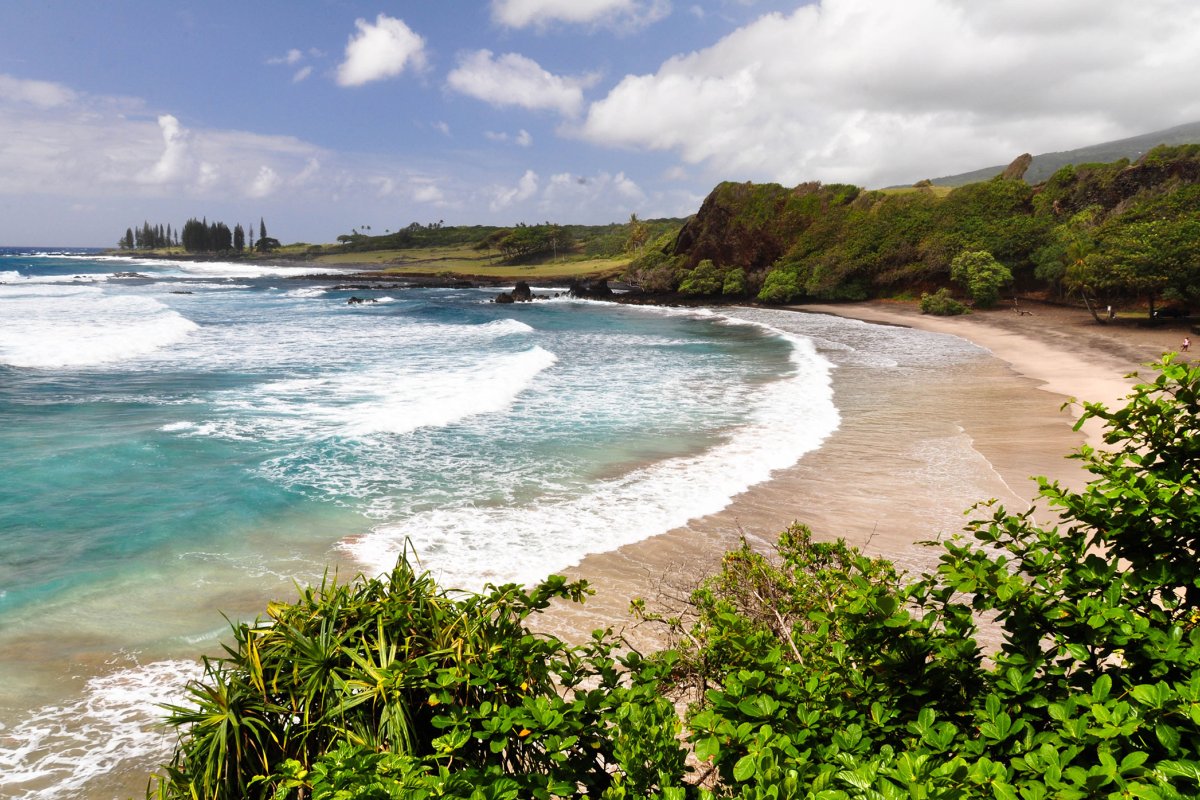
Hamoa Beach near Hāna in the late afternoon, once the tour vans have turned back — one of the quietest beautiful places on Maui.
Most first-timers book West Maui or Wailea and spend the week on the sand. Both are beautiful. Neither is slow. For an unhurried Maui, go up or go east. Upcountry Maui — Kula, Makawao, and the ranch land on Haleakalā’s slopes — runs cool, green, and quiet, with farm stands and a paniolo town in place of beach clubs. It’s the part of Maui that feels least like a resort and most like a place people actually live. The other direction is Hāna. The Road to Hāna gets sold as a checklist of waterfalls to knock out in a day, which is the opposite of the point. The slow way is to drive out, stay two or three nights in or near Hāna town, and let the road empty after the day-trippers turn around. Hamoa Beach once the tour vans have gone is reason enough on its own. One honest note: West Maui is still recovering. Lahaina was largely destroyed in the August 2023 wildfire, and much of the town remains closed as it rebuilds. Enjoy the rest of Maui with respect for that, and check current status before planning anything in the Lahaina area.
The Big Island: room to disappear
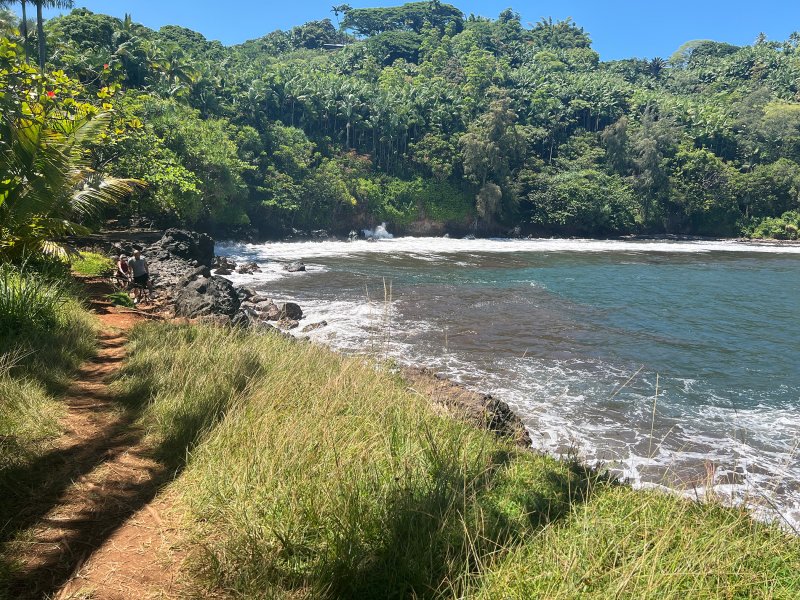
Onomea Bay on the Hāmākua Coast north of Hilo — jungle, sea cliffs, and an empty trail, the slow side of the Big Island.
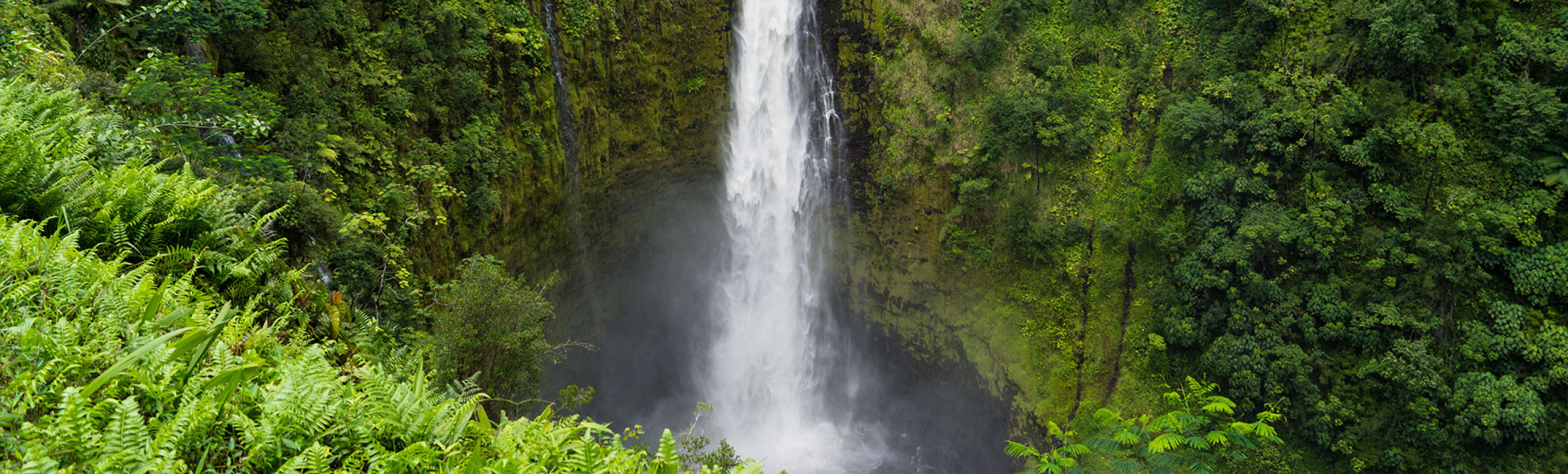
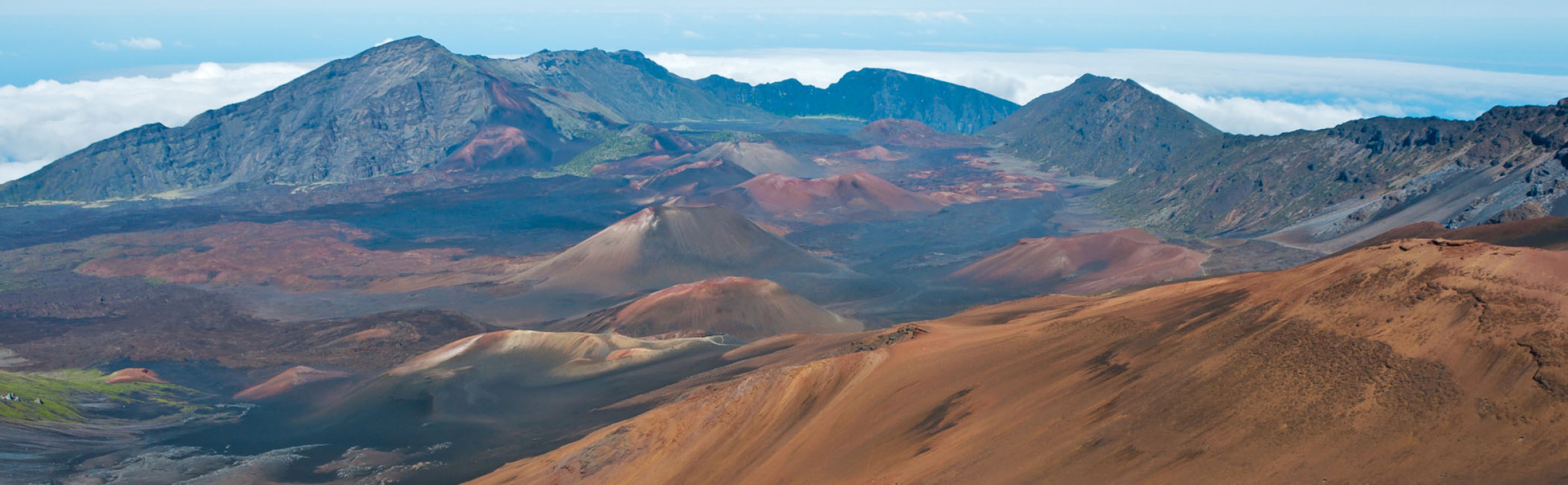
The Big Island has more land than all the other Hawaiian islands combined, and it’s mostly empty. That’s its gift. You can drive for an hour out here and pass more cattle than cars. The Hāmākua Coast on the northeast side is the slow heart of it: old sugar towns like Honokaʻa, waterfalls and gulches off the highway, and the green ranch country around Waimea. The Waipiʻo Valley overlook anchors the north end, though the valley road itself is closed to general visitor traffic — plan on the lookout, not the descent, and double-check current access before you go. Up at the island’s northern tip, Hawi and Kapaʻau are a pair of tiny former plantation towns turned galleries-and-coffee stops, about as far from a resort as Hawaii gets. And on the volcano side, Hawaiʻi Volcanoes National Park and the small village of Volcano nearby make an easy slow base, misty and forested and cool. Check the park’s current conditions before you go, since eruption activity opens and closes areas without much warning.
Kauai: the island that's already slow
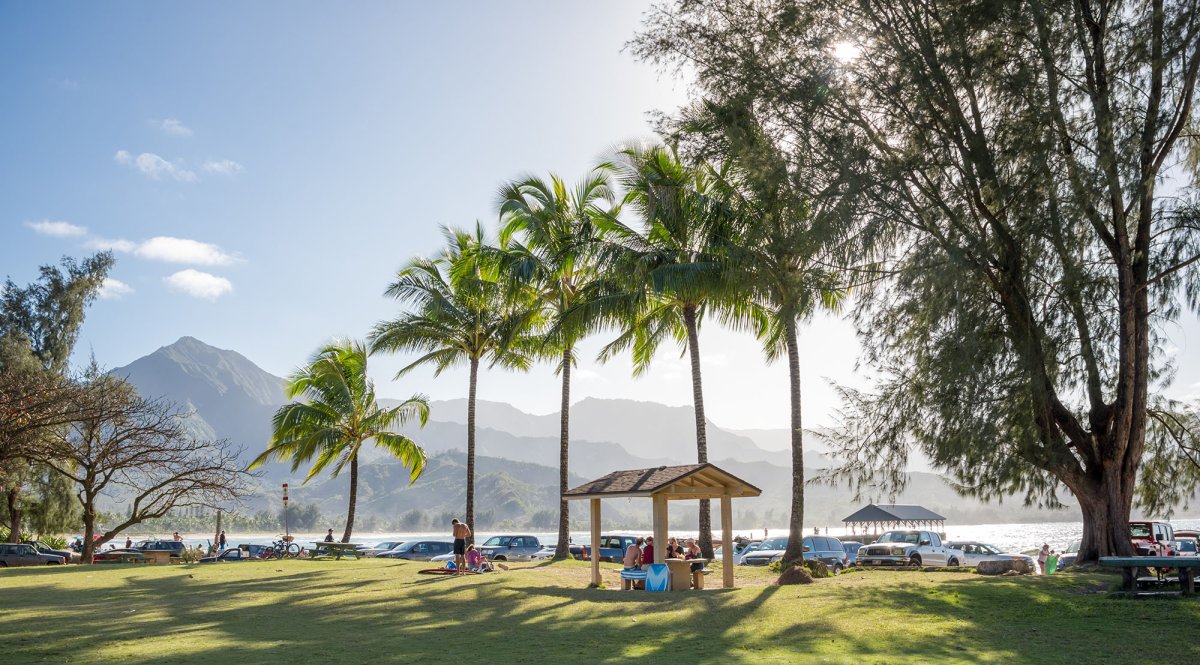
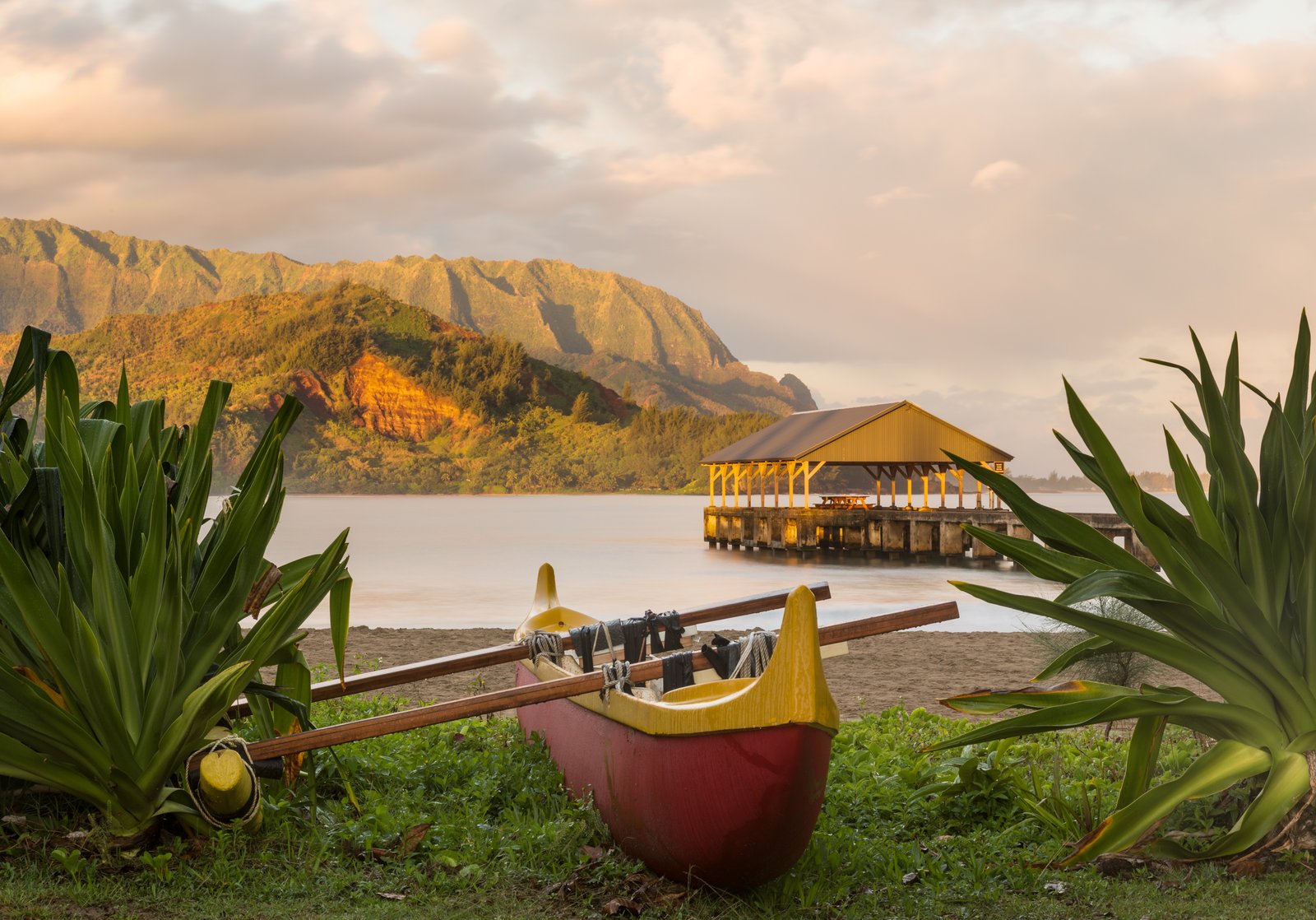
Kauai makes slowing down easy because the island won’t let you rush. There’s one main road, it doesn’t go all the way around, and a heavy rain can close a stretch of it for the afternoon. You learn to plan loosely. The north shore is the postcard. Hanalei Bay (a two-mile crescent under green mountains, with a wooden pier at one end) is the kind of place you settle into for a week and barely leave. Princeville sits just above it on the bluff. Base in either and your whole day can be the beach, a lunch in Hanalei town, and a sunset back at the bay. If the north shore is booked out, the south and west sides (Poʻipū, Waimea) run drier and just as unhurried, with Waimea Canyon up the road when you want a morning out.
Molokai and Lanai: the slowest Hawaii of all
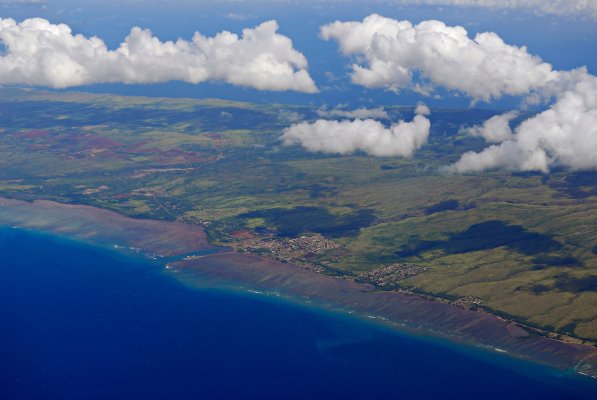
Kaunakakai, Molokai's main town — a few blocks of storefronts on an island with no traffic lights and no resort strip.
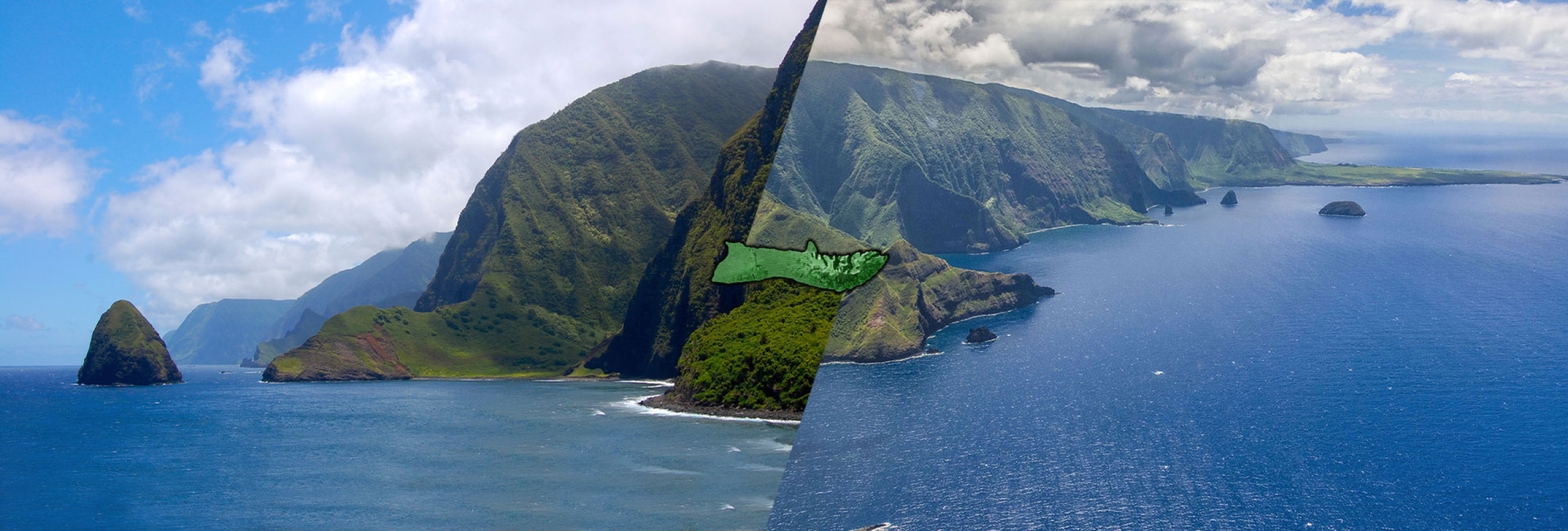
If slow is the whole goal, these two are the deep end. Molokai is the closest thing left to old Hawaii. There are no traffic lights on the island, no resort strip, and no buildings towering over the coconut trees. The main town, Kaunakakai, is a few blocks of storefronts. People come here to do almost nothing, and the island suits that kind of trip. The tourism infrastructure is thin by design: fewer hotels, fewer restaurants, and more aloha for travelers who match the island’s pace. Lanai is tinier still: one small town (Lanai City), mostly unpaved roads, and a population you could fit in a high-school gym. It splits between a couple of high-end resorts and genuine back-road wilderness. Either way, it’s quiet in a way the bigger islands can’t match. Neither island is the right pick for a packed itinerary or a first trip with kids who need constant action. They’re for the traveler who’s already decided that doing less is the point.
How to actually slow down
The places are half of it. The habits are the other half. Stay put for five-plus nights. One base per island. The urge to see everything is what wrecks the pace, so resist it. Rent a car, then drive it less. You need a vehicle out here, but a slow trip means one outing a day, not five stops before lunch. We book through Discount Hawaii Car Rental on our own trips — it pulls the major Hawaii brands into one quote, and per its own FAQ there are no booking fees, no prepayment, and no cancellation penalties, which is handy when plans stay loose. More on the trade-offs in our Hawaii car rental guide. Build in nothing-days. Block at least one day per island with no plan at all. Those tend to become the days people remember. Go early, then stop. Mornings are calm and uncrowded almost everywhere in Hawaii. Do the one thing you want to do early, then let the afternoon go soft. Time it right. Shoulder seasons are quieter and cheaper. Our best time to visit guide breaks down the trade-offs month by month. And if you’d rather not drive at all on a given day, handing the wheel to a local guide is its own kind of slow: compare small-group tours on Viator and let someone else watch the road.
Match the island to your pace
Quick version. Want green, rainy, end-of-the-road quiet with one perfect bay? Kauai’s north shore. Want range (ranch country, rainforest, and a volcano) with room to roam? The Big Island. Want a foodie-and-farm slow with cool Upcountry air? Maui, away from the resorts. Want to genuinely unplug with almost nothing around? Molokai or Lanai. Still torn? Our which Hawaiian island quiz walks you through it in a couple of minutes.