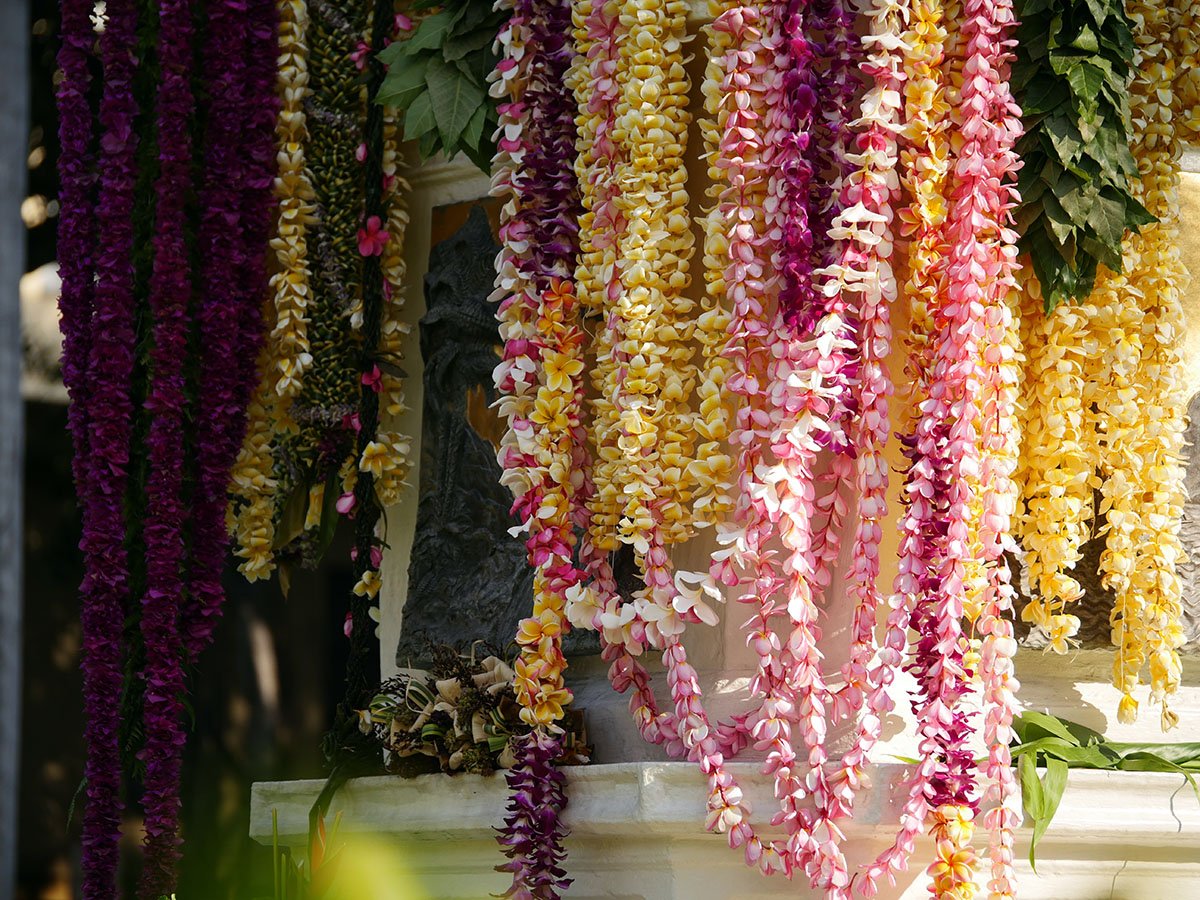


King Kamehameha Day is observed in Hawaiʻi each June 11. Lei-draping ceremonies, floral parades, pāʻū riders, music, and hoʻokupu honor Kamehameha I and the history represented by the observance. Event dates around the holiday change from year to year, so use the King Kamehameha Celebration Commission as the schedule owner rather than carrying a past year’s times into a new trip.
Why the observance matters
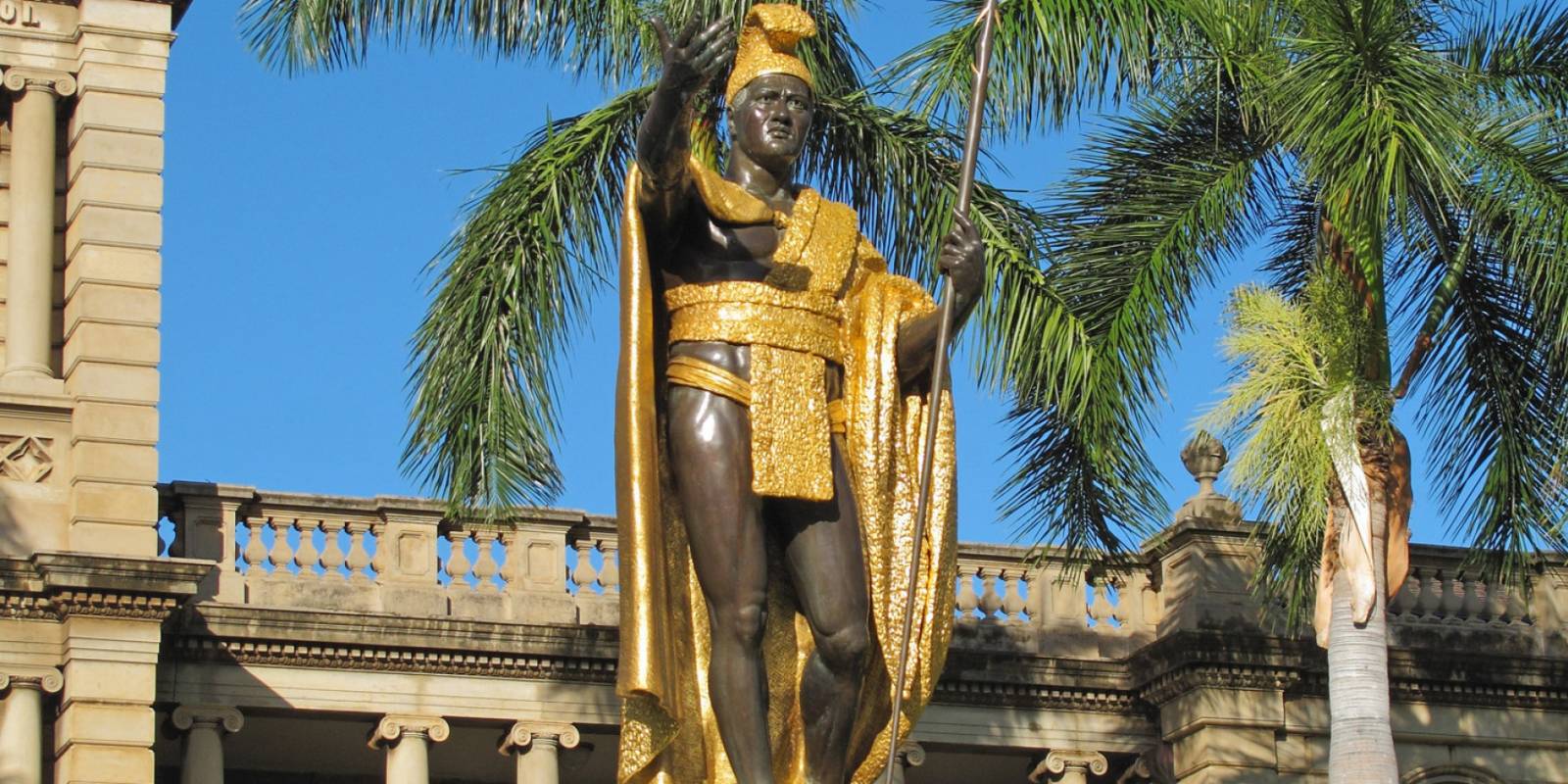
Kamehameha I brought the Hawaiian Islands under one kingdom in the early nineteenth century. Kamehameha V established the annual holiday in the nineteenth century, and the celebrations continue as a public expression of Hawaiian history, genealogy, horsemanship, floral arts, music, and protocol.
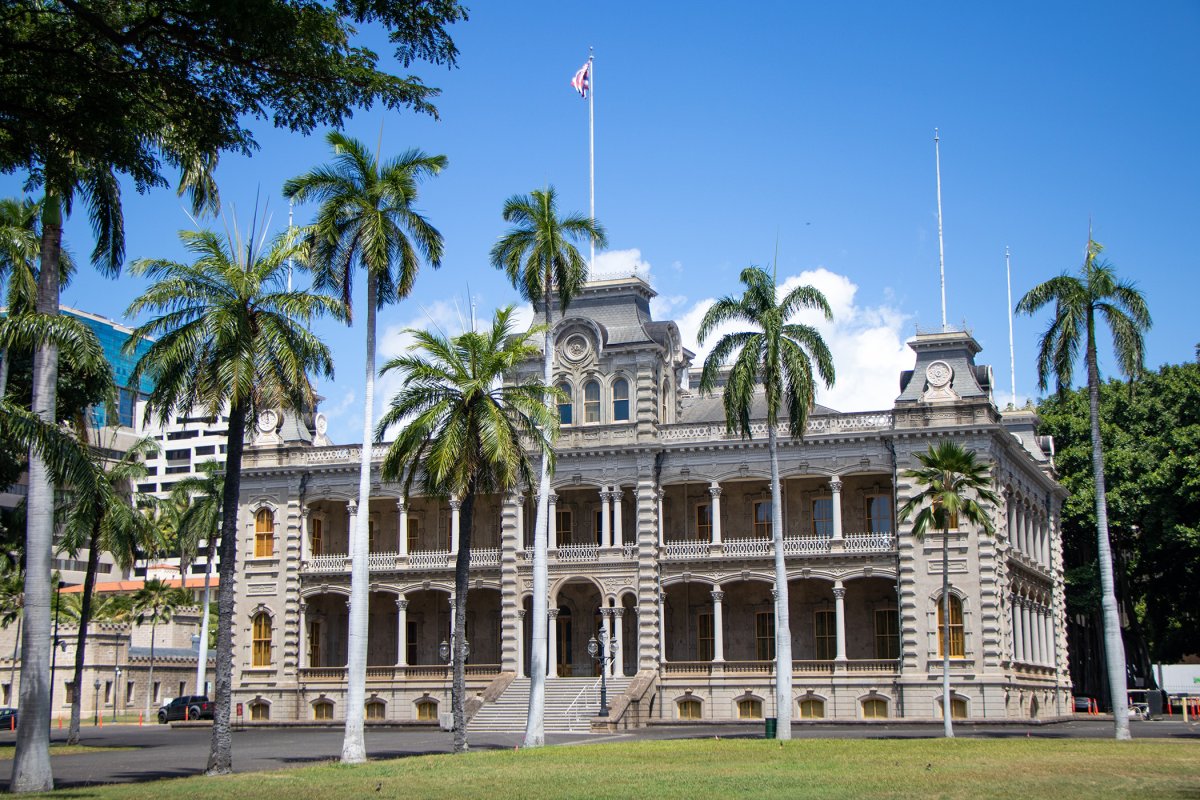
The famous Honolulu ceremony takes place at the Kamehameha I statue in front of Aliʻiōlani Hale. Other communities hold observances connected to their own places and traditions, including North Kohala, the king’s birthplace. These are living community events, not staged theme-park attractions.
Choose the event before building the day
Start with the commission’s current statewide schedule. Honolulu often separates its lei-draping ceremony and floral parade onto different days, while Hawaiʻi Island, Maui, and Kauaʻi communities publish their own locations and timing. Confirm the island, date, route, start time, and any participation rules from the organizer before reserving another activity.
A ceremony may be brief while a parade and hoʻolauleʻa can occupy much of a morning or afternoon. Do not assume that an event described in an older article returns on the same weekday, follows the same route, or is free. If the commission links to a local organizer, follow that source for the final operational details.
Plan around closures and the state holiday
June 11 is a Hawaiʻi state holiday. State and county offices and services may close or use holiday hours, while federal and private operations can follow different calendars. Check the specific office, attraction, transit agency, or business you need instead of relying on a generic open-and-closed list.
Parade streets can close before the procession and reopen in stages. Review official traffic notices shortly before the event, avoid parking inside the route, and allow extra time for buses, airport transfers, and reservations. On Oʻahu, the commission page and the City and County of Honolulu are the most useful starting points for current event and street information.
Attend with respect
Arrive early enough to settle without crossing an active protocol area. Follow requests from organizers, keep voices and phone sounds low during ceremony, and do not touch lei, regalia, horses, or offerings. Ask before photographing individuals at close range, especially kūpuna, children, and cultural practitioners.
Pāʻū units and floral entries represent substantial community work. Give riders and horses space, stay behind barriers, and treat Hawaiian-language names and practices carefully. A visitor’s role is to witness and learn, not to turn a solemn moment into a personal photo set.
About the 2026 celebrations
The 2026 ceremonies and parades have concluded. Their published schedule is now an archive, not a planning calendar for a future June trip. This guide therefore points to the commission’s maintained schedule instead of repeating expired hours, road closures, or registration deadlines.
Explore Hawaiian history and culture
Continue with place-based guides connected to the observance.