
If you land in Hawaiʻi between September and April and pay attention to any patch of mowed grass — a hotel lawn, a park, a golf course, a cemetery, the grassy edge of a school playground — you will start to notice the same small brown-and-gold bird. Hunched, alert, taking a few quick steps and freezing. Thatʻs a kōlea. Itʻs not a local bird. It flew here from Alaska. Fall is when the population peaks. Adults arrive first in late July, and juveniles follow from late August through October. By October the birds have spread across every island, most of them settled into individual home ranges they defend and return to year after year. (Hawaiʻi Audubon — Kōlea Watch, PacIOOS — Kōlea Project) If youʻre planning an autumn or winter Hawaiʻi trip, you are almost certain to see kōlea. Knowing what youʻre looking at is what turns a background bird on a lawn into a 3,000-mile migration parked on the fairway.
A nonstop flight from Alaska to Hawaiʻi
The Pacific Golden Plover (Pluvialis fulva) breeds on the open tundra of western and northern Alaska in late spring and early summer. When the arctic breeding season ends, adult kōlea leave for their wintering grounds in the tropical Pacific — and a very large share of them come to Hawaiʻi. The flight from Alaska to Hawaiʻi is roughly 3,000 miles of open ocean with no possible stopover, and the birds make it in about two to three days of continuous flight. Adults typically depart Alaska in July; juveniles, which need extra time to grow flight feathers, follow weeks later. (Hawaiʻi Audubon Society — Kōlea (Kōlea Watch), U.S. Geological Survey — Pacific Golden-Plover research) To pull off that kind of nonstop haul, a kōlea nearly doubles its body weight before departure by feeding on tundra invertebrates. It burns that fat load down over the Pacific. Wally Johnson, the University of Hawaiʻi and Montana State researcher who has tracked kōlea with geolocators and satellite transmitters for decades, has documented sustained flight speeds and timing that put the round trip well inside the physiological ceiling of a small shorebird — but only just. (UH Mānoa — Wally Johnson, Kōlea Research Program, The Auk / American Ornithological Society — Kōlea migration studies) The birds stay in Hawaiʻi from summer arrival through late April or early May, when they molt into their breeding plumage — a startling black belly, face, and throat outlined in bright white — and lift off for Alaska again. Six months here, six months on the tundra, the ocean in between. (Hawaiʻi Audubon via PacIOOS — Kōlea project overview)
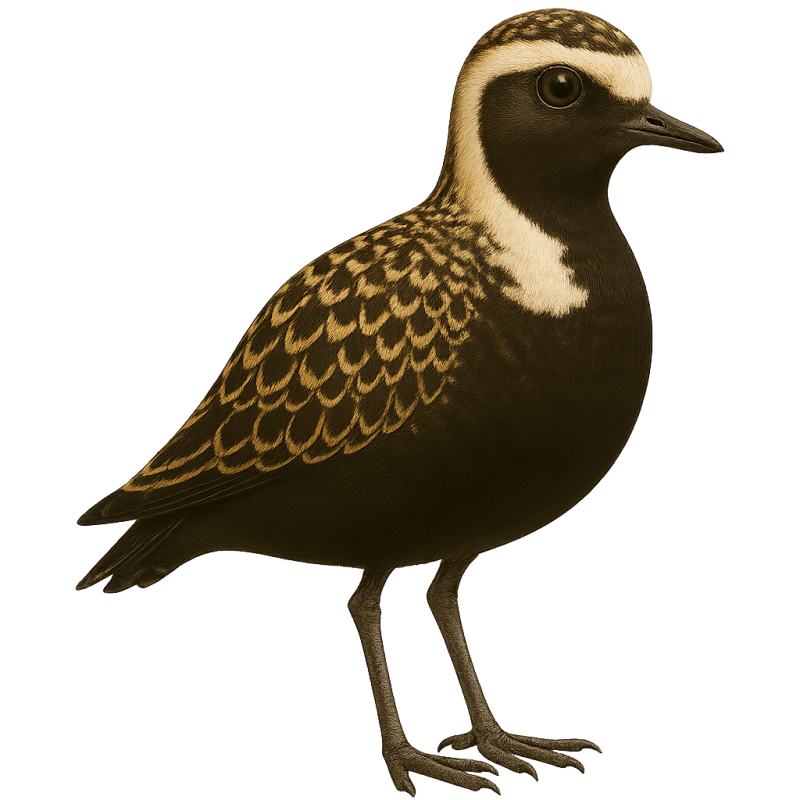
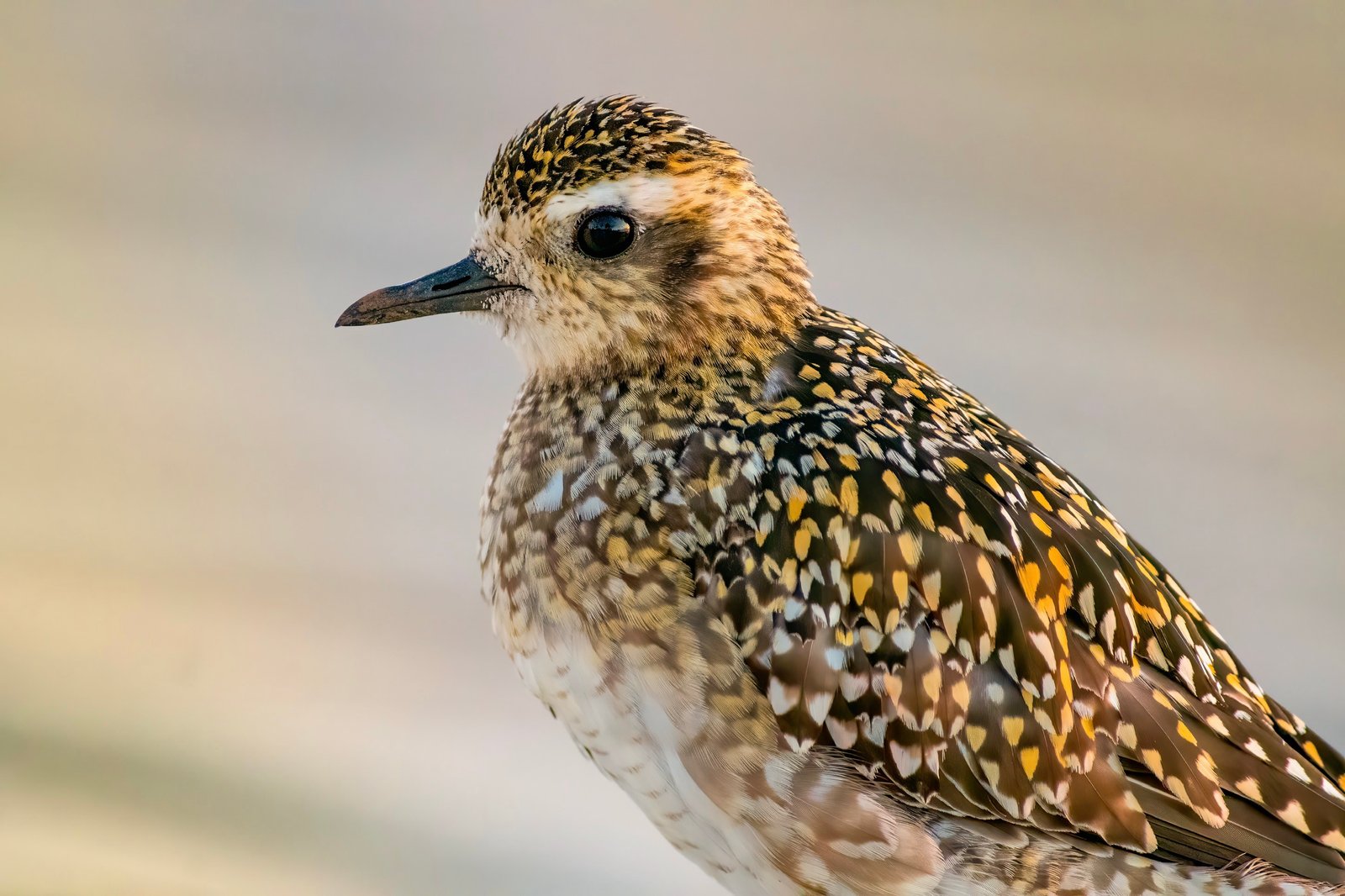
Kōlea in winter plumage — the version fall visitors to Hawaiʻi will see everywhere.
Where fall visitors will actually spot them
Kōlea prefer short, open, mowed grass with clear sightlines. That description fits an enormous share of what a Hawaiʻi visitor walks past every day. In practice the reliable places to look are: Golf courses — especially fairway edges and the transitional rough. Resort courses from Kāʻanapali to Poipū to Ko Olina to the Kohala Coast sit in prime kōlea habitat from fall through spring; if you play a round in October, your odds of seeing one are excellent. (Hawaiʻi Audubon — Kōlea Watch) Public parks with lawn — Ala Moana Beach Park, Kailua Beach Park, Kualoa Regional Park, Kapiʻolani Park on the mauka edge of Waikīkī, and dozens more. Hotel lawns and cemeteries, both of which offer the same short-grass buffet with fewer predators. Ranchland pastures on the outer neighbor islands where fields have been grazed low. What kōlea avoid: tall grass, dense brush, and forested interior. Theyʻre a wide-open ground bird, not a jungle bird. If youʻre hiking a rainforest trail in Kōkeʻe or ascending a valley in the Koʻolau, youʻre looking for other species. Come back down to a resort lawn and the kōlea will be there. One quirk that makes them easy to identify: kōlea walk in a very particular rhythm. Two or three quick steps, then a full stop. Head cocked, watching for tundra-style prey. Another burst of steps, another freeze. Once youʻve seen the pattern, youʻll pick it out at a glance across a golf course from a hundred yards away.
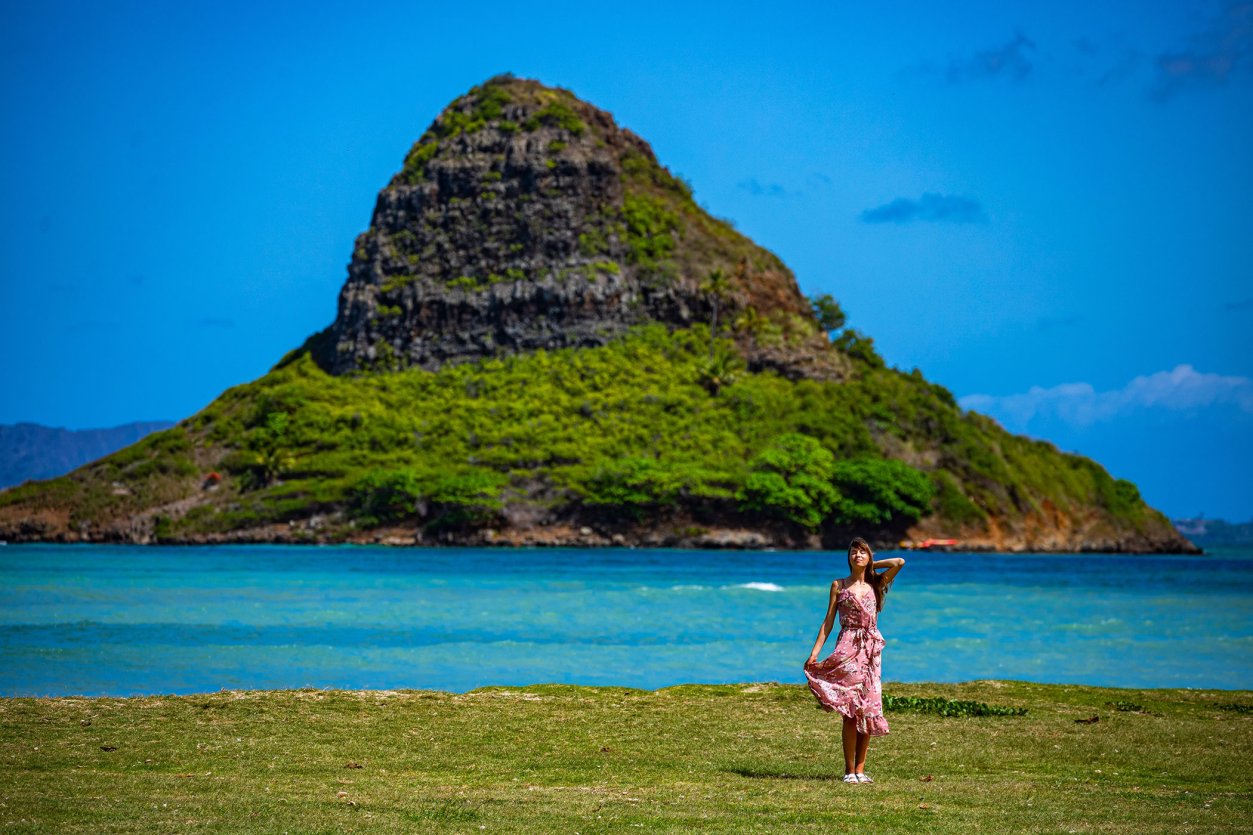
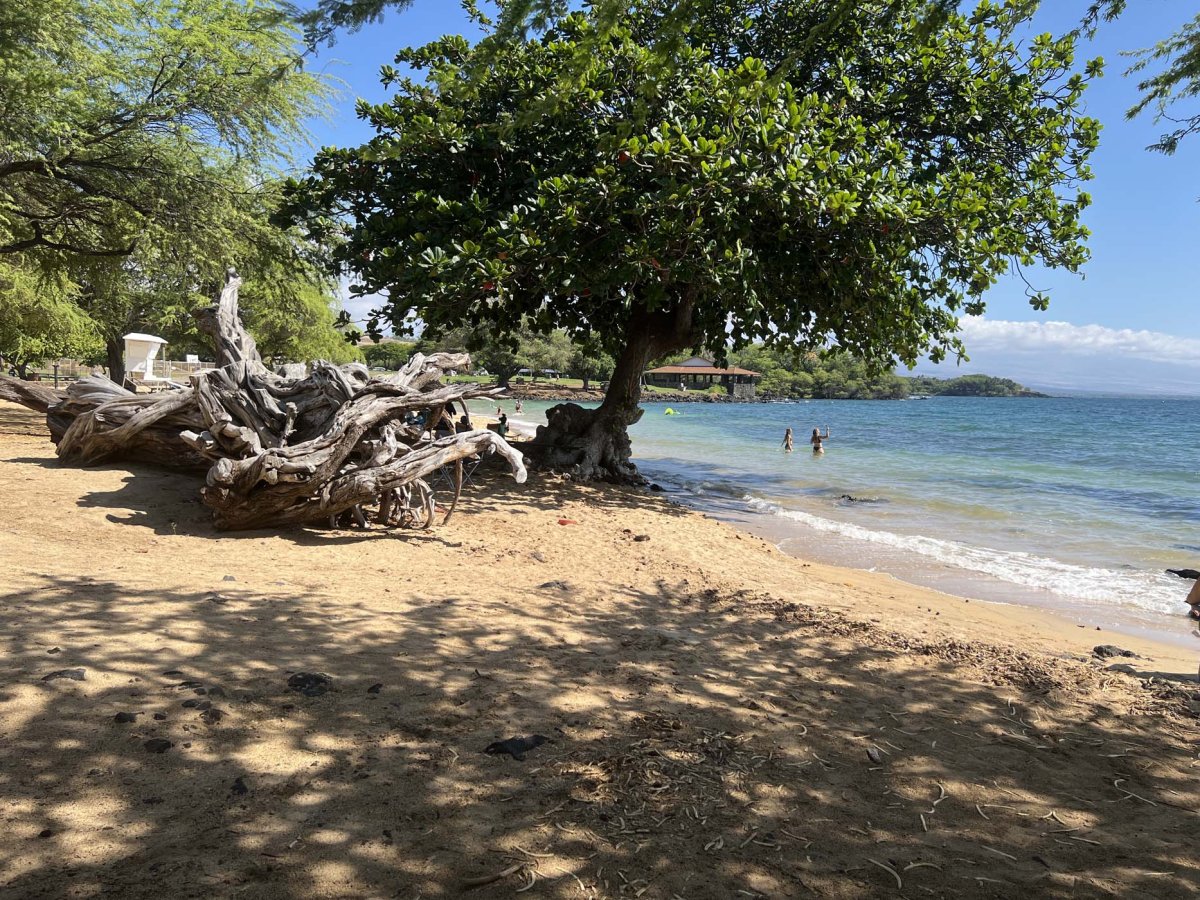
Windward Oʻahuʻs Kualoa Regional Park — mowed lawn on the coast is textbook kōlea territory in fall and winter.
The same-yard-every-year story
The reason Hawaiʻi residents are so attached to kōlea — and the reason so many families name individual birds — is that the same plover returns to the same yard year after year. Individual site fidelity in kōlea has been documented across the state, sometimes for a decade or longer on a single lawn. The bird that lands on your resortʻs side lawn in early September is very likely the same bird that landed on that lawn last September, and the one before. It knows its patch, defends it against other kōlea, and picks up where it left off. (Hawaiʻi Audubon — Kōlea Watch citizen science) That behavior is what makes the “same bird, same yard” story so common in Hawaiʻi households — and why the Hawaiʻi Audubon Society runs a citizen-science program (Kōlea Watch) inviting residents to log return dates and behavior on their own properties. If you spend a week at the same resort every fall, ask the landscaping staff or the concierge whether they know “their” kōlea. Many do.
Kōlea in Hawaiian tradition
For the Native Hawaiian navigators who crossed the Pacific between Hawaiʻi and Polynesia, migratory shorebirds like the kōlea were among the strongest pieces of evidence that unknown land lay to the north. A bird small enough to disappear in a lawn that leaves and returns on a seasonal clock, without stopover, was proof that land existed within its round-trip range. The kōlea is one of several species referenced in the mele (song) and oli (chant) tradition tied to seasonal timing and navigation. The Bishop Museumʻs ornithology collection and the Hawaiian Voyaging Traditions archive both document how migratory birds were part of the wayfinding toolkit long before European contact. (Bishop Museum — Ornithology, Polynesian Voyaging Society — Wayfinding and non-instrument navigation) In modern Hawaiʻi, kōlea are woven into everyday life. Families give them names. Golfers pause. Kūpuna (elders) point them out to grandchildren. The birdʻs late-April departure is a real event on the calendar for anyone who watches it — the yard goes quiet for four months, and then the plover comes back.
Watch, donʻt chase
Kōlea are federally protected under the U.S. Migratory Bird Treaty Act, which makes it illegal to harass, capture, or harm them. For a visitor that means one thing: watch from a comfortable distance and let the bird pick the interaction. A kōlea foraging on a lawn will generally tolerate people at about 15 to 25 feet, sometimes closer, especially if you sit still. If it stops feeding, flattens its posture, or lifts into that alarmed head-cocked freeze, youʻre too close. Back off a couple of steps and the bird will settle again. Do not feed them. Do not chase them for photos. Do not let dogs off-leash near them. And please donʻt try to catch or “help” one that appears to be resting — kōlea rest by lying flat on grass in a way that looks alarming and is completely normal. One safe-viewing note that catches visitors off guard: the biggest actual risk to kōlea in urban Hawaiʻi is being hit by cars in parking lots and by feral cats stalking hotel lawns at dawn and dusk. Both problems are documented, and both are why youʻll see kōlea in dense concentrations on the safer, larger, more open lawn spaces (large parks, protected resort greens) rather than tight median strips. (State of Hawaiʻi DOFAW — Feral cat impacts on native and migratory birds)
Other fall birds to watch for while youʻre at it
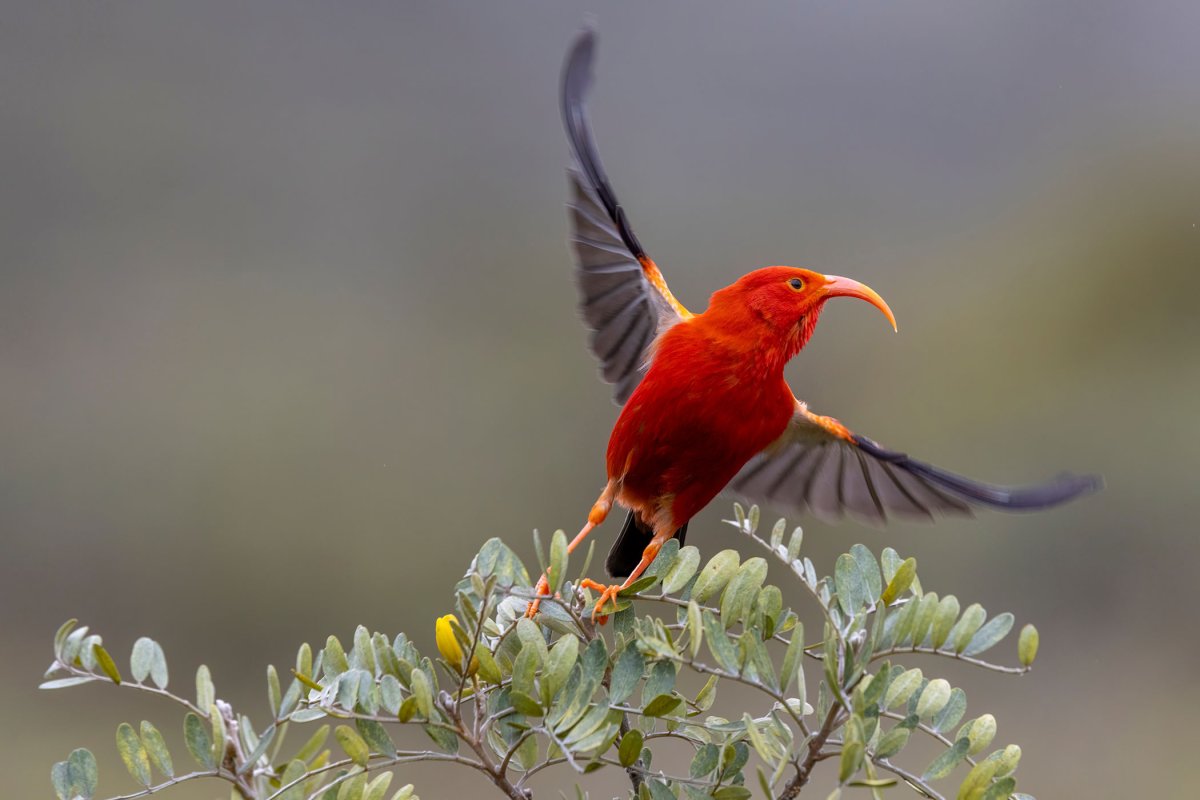
Once youʻve tuned your eyes to kōlea, other Hawaiʻi lawn and shoreline birds start showing up in the same frame. On the same lawns youʻll see zebra doves and spotted doves (small, tame, ground-feeding). On wetland edges — Hanalei on Kauaʻi, Kealia Pond on Maui, Kanahā Pond in Kahului, Heʻeia and Kawainui on windward Oʻahu — youʻll find the endemic Hawaiian stilt (aeʻo), Hawaiian coot (ʻalae keʻokeʻo), and Hawaiian moorhen (ʻalae ʻula). Higher up, in Kōkeʻe on Kauaʻi and Hakalau on the Big Island, endemic forest birds like ʻiʻiwi and ʻapapane are the target species. Our Hawaiʻi common birds visitor field guide walks through the twelve most visible species from a travelerʻs vantage point. If a lawn kōlea is what starts you noticing birds on this trip, thatʻs often how a beach vacation quietly turns into a trip where you carry binoculars to breakfast. Enjoy the return.
Keep planning your fall Hawaiʻi trip