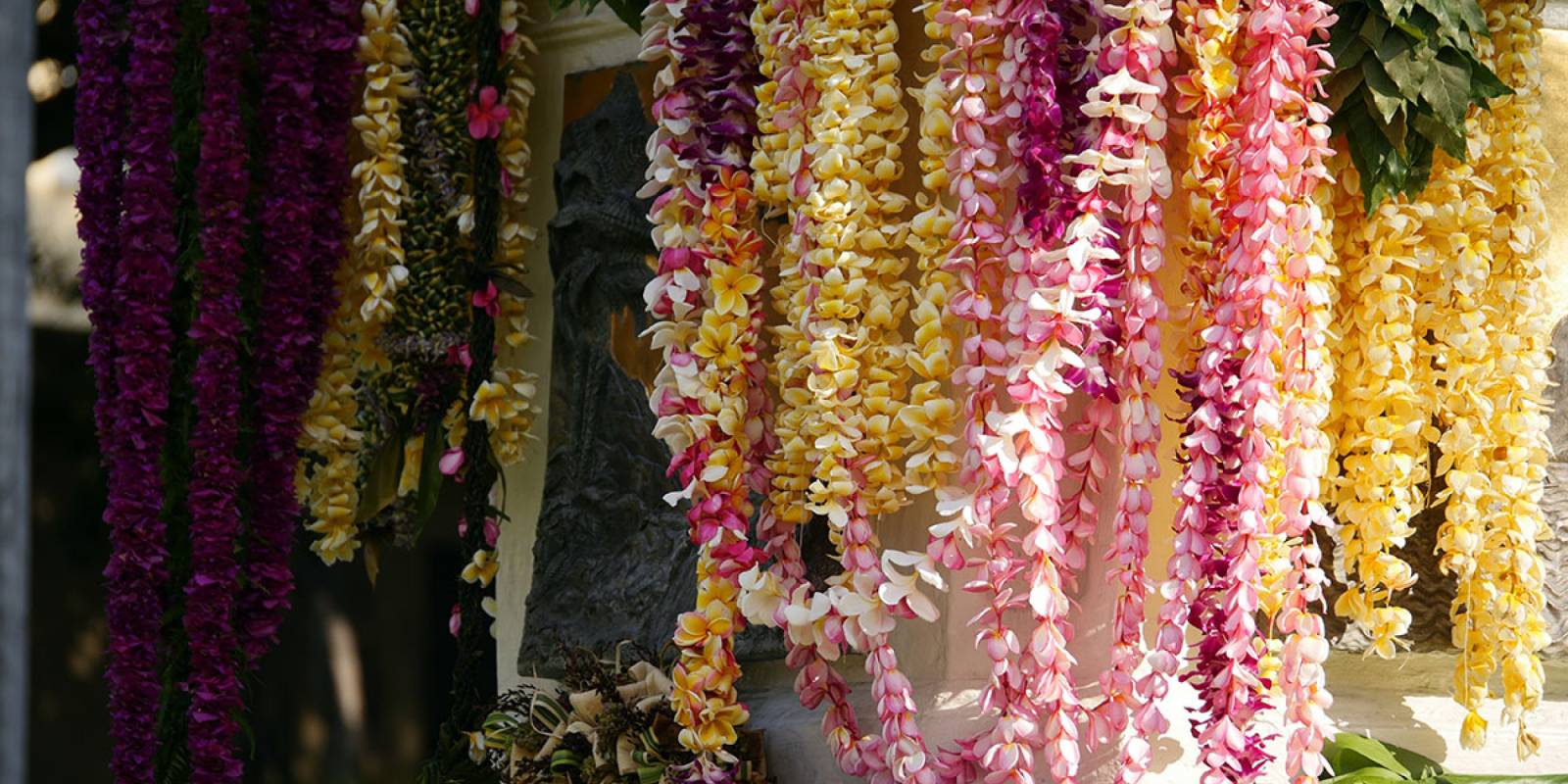

Late August Hawaiʻi 2026 is the planning window most travelers walk right past. Once mainland schools restart in the third week of August, the family demographic on Hawaiian beaches thins out quickly. Aloha Festivals, the statewide cultural series that anchors Hawaiian fall, doesn’t really begin until the first weekend in September on Oʻahu. The roughly three-week stretch in between, from about August 17 through Labor Day weekend on September 5-7, is a quieter, easier-to-book version of a Hawaiian summer trip. This is a forward-looking piece for travelers eyeing summer 2026 who haven’t locked their dates yet. What changes in the late-August window, what stays the same as peak summer, what’s actually on the calendar, and how to use the small planning advantage that flexing your travel by ten days hands you. The flagship Hawaiian summer events all sit inside this window. The flagship Hawaiian summer crowds mostly do not.
Why the late-August window actually exists
The short version is school calendars. The five biggest Hawaiʻi-source visitor states by air arrivals are California, Washington, Texas, Arizona, and Colorado, per the Hawaiʻi Department of Business, Economic Development & Tourism 2023 annual visitor report. Mid-to-late-August restart dates are typical for these districts. The Los Angeles Unified School District has run with mid-August start dates in recent years (August 14 in 2025-26 per the official LAUSD calendar), and the 2026-27 calendar is expected to follow a similar pattern. Dallas ISD has held to a mid-August start in the same pattern. Seattle and Portland districts, by contrast, publish first-day-of-school dates in the first week of September after Labor Day, per Seattle Public Schools and Portland Public Schools. The practical effect on the Hawaiʻi visitor mix is steady and noticeable. By August 17 or so, the parents-with-elementary-kids demographic that dominates Waikīkī from late June through mid-August has largely gone home. Adult travelers, retirees, international visitors, and couples without kids stay. Hotel occupancy doesn’t crash. Hawaiʻi remains a year-round destination. But the composition of who’s at the buffet, the lifeguard tower, and the trailhead shifts. Lines shorten. Restaurant tables open up at 6:30. The 7 AM Hanauma Bay reservation refresh stops looking like a stadium ticket drop. None of this is a secret to repeat visitors. It’s just rarely the angle a first-time traveler hears from a travel agent still pitching the summer block as one undifferentiated thing.
What's actually on the late-August calendar
The quiet stretch isn’t a dead stretch. Three of Hawaiʻi’s most beloved late-summer events sit directly inside the window, and they’re scheduled in a way that lets a planner stack them without zigzagging across the islands. Duke’s OceanFest traditionally runs about 9-11 days leading into August 24, Duke Paoa Kahanamoku’s birthday. Expect longboard heats, a one-mile ocean swim, SUP races, adaptive surfing contests, and the closing lei draping at the Duke statue on August 24. Confirm 2026 dates once posted on the Duke Kahanamoku OceanFest official site. Our Duke’s OceanFest 2026 guide covers where to stand and how to participate. Made in Hawaii Festival typically lands on the third weekend of August at the Hawaiʻi Convention Center in Honolulu. The 32nd annual edition will follow the established pattern of bringing together more than 400 Hawaiʻi-based exhibitors (per the festival’s own about page) selling food, clothing, art, music, and crafts. It’s a strong stop for buying Hawaiʻi-made goods directly from the makers rather than through a resort gift shop. Walk-in admission, easy to combine with an OceanFest weekend. Confirm 2026 dates on the official festival site closer to summer. Full preview in our Made in Hawaiʻi Festival 2026 guide. The Perseid meteor shower peaks on the night of August 12-13, just before the window opens. The shower itself runs roughly mid-July through late August, and Hawaiian dark-sky sites can still pull a respectable hourly count well into the window’s first nights. NASA’s Perseid page documents the activity tail. If you’re on the Big Island, the Mauna Kea Visitor Information Station sits at 9,200 feet of elevation and offers some of the darkest accessible night skies in the country. Our Perseid meteor shower Hawaiʻi 2026 guide covers viewing windows and altitude tips. Other Hawaiian sovereignty-adjacent events also fall in or just before this window. Lā Hoʻihoʻi Ea, Hawaiian Sovereignty Restoration Day, marks the 1843 restoration of Hawaiian sovereignty by the British Crown after the Paulet Affair, and is observed annually on July 31, just before the late-August window opens. Read our Lā Hoʻihoʻi Ea 2026 guide for context on the holiday’s history and observance.
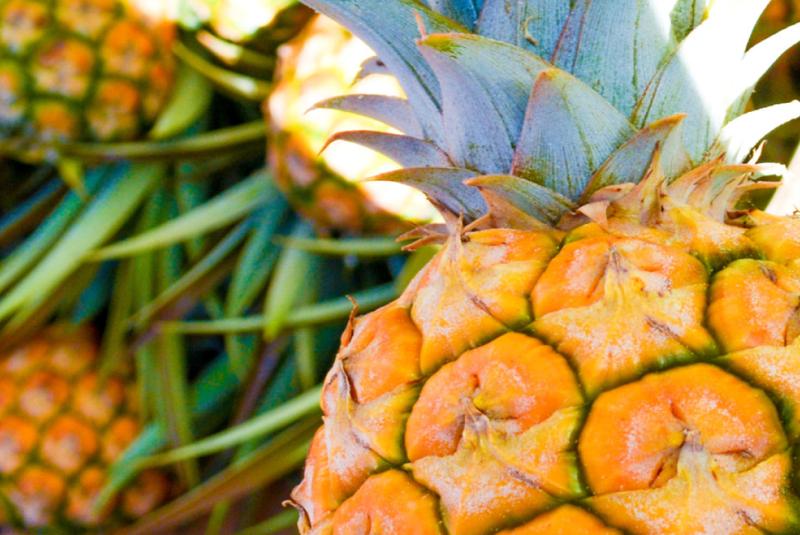
Late-summer farmers markets are at their peak through August: mango, papaya, lychee, lilikoʻi, and apple bananas all in the same week.
What gets noticeably easier
The reservation pages that haunt every Hawaiʻi first-timer’s planning sheet show the most measurable difference between mid-July and late August. Each one operates on a fixed-window release model, and demand for those windows softens as families leave. Hanauma Bay: reservations release at 7 AM Hawaiʻi Standard Time exactly 48 hours before each entry day, and the daily non-resident cap is around 1,400 visitors. In peak July, weekend slots clear in seconds and weekday slots clear in minutes. From August 17 onward the same pages tend to stay open longer, and standby walk-ins (subject to no-show capacity) become a more realistic backup. The bay remains closed Mondays and Tuesdays in every season. Full mechanics on our Hanauma Bay reservations page. Diamond Head State Monument: non-resident reservations release on a 30-day rolling window via gostateparks.hawaii.gov. Sunrise slots stay competitive, but mid-morning and afternoon slots open up considerably once mainland school restarts. Current fees ($5 per person, $10 per vehicle for non-residents, residents free) are tracked on our Diamond Head reservations guide. Haleakalā sunrise on Maui: this one keeps its difficulty. The National Park Service releases sunrise vehicle reservations on Recreation.gov 60 days in advance at 7 AM HST, and the daily allotment is small. Late August demand softens but doesn’t collapse. This is a bucket-list slot that doesn’t track family travel as cleanly. Our Haleakalā sunrise reservations summer 2026 guide covers the booking strategy and what to do if you miss the 60-day window. USS Arizona Memorial at Pearl Harbor: the National Park Service releases reservations on Recreation.gov on a rolling basis (eight weeks ahead plus a next-day release at 3 PM HST). Late August same-day availability tends to be more common; in peak July it’s rarely a viable backup. Our Pearl Harbor summer 2026 booking guide walks through the full reservation flow. Beyond reservations, smaller daily-life logistics tend to ease too. Beach parking lots that fill by 8 AM in mid-July often hold open spots later into the morning in late August. Dinner cruises that demand a two-week book-ahead in peak season can show shorter lead times. Helicopter tour operators on Kauaʻi sometimes have last-minute capacity after mid-August where they had none in early July. None of this is guaranteed, and a tropical storm or hurricane scare can flip the script in a week, but the base case is friendlier.
What stays exactly the same as peak summer
The reasons you came are still there. Trade winds remain the dominant pattern. The National Weather Service Honolulu office tracks late August as still solidly inside trade-wind season. Per the University of Hawaiʻi’s School of Ocean and Earth Science and Technology, summer trades blow roughly 80-95% of the time on the long-term climatological average. Some stretches of light-and-variable Kona-pattern weather are normal, same as July, and they’re the days when leeward water lays down flattest. Ocean temperatures are at their annual peak. Hawaiian surface waters peak in August-September at roughly 81°F per NOAA’s coastal water temperature data, then ease into the high 70s through fall. The water in late August is the warmest of the year. The late-summer snorkel window is exactly here. Fading south swell, soft trades, and pre-winter north shore calm combine to make mid-August through mid-September the year’s clearest reef-water stretch, and that runs straight through this trip window. The detailed island-by-island case is in our late-summer snorkel window guide. Daylight is still long. Honolulu sunset on August 17 falls around 6:54 PM HST per Time and Date’s astronomical data. By August 31 it’s around 6:42 PM. You lose about 12 minutes of evening over the window, but you start with summer-length days. Late-summer fruit is at full inventory. Mango is past its mid-summer peak by late August but stragglers remain. Apple bananas, papaya, and lilikoʻi run reliable. The Saturday KCC Farmers’ Market on Oʻahu and the daily Hilo Farmers Market on the Big Island both run on full late-summer inventory.
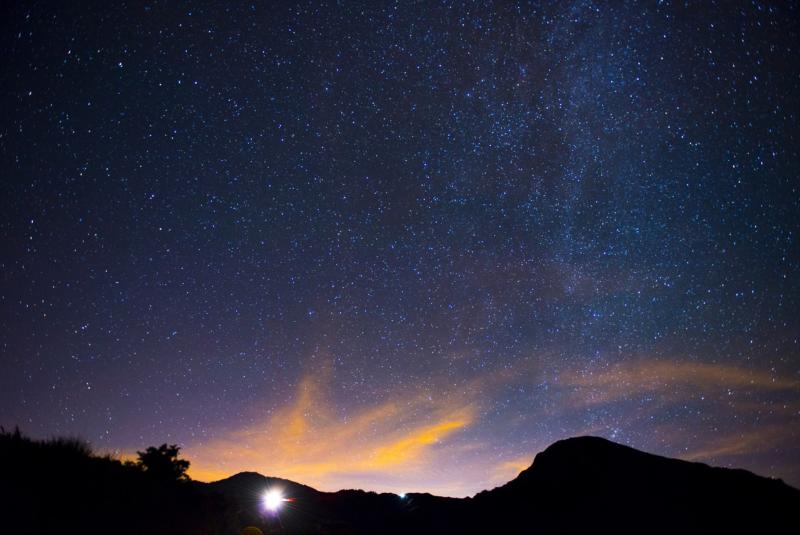
Mauna Kea Visitor Information Station stargazing. The Perseid tail extends into the late-August window, and trade-wind nights at altitude run unusually clear.
The honest trade-offs
Three things to factor honestly. Hurricane season is at its climatological peak. The NOAA Central Pacific Hurricane Center tracks mid-August through mid-September as the most active stretch of the Central Pacific season. Most named storms pass well south of the islands without impact, but late August is still the same window when a tropical system can shift a snorkel plan or a flight by a day or two. Given the elevated risk profile relative to spring or fall, travel insurance is worth a harder look in this stretch. Our Hawaiʻi hurricane season guide covers the practical version for travelers. Whales aren’t here yet. The North Pacific humpback population begins arriving in Hawaiian waters in November and the season peaks January through March, per the Hawaiian Islands Humpback Whale National Marine Sanctuary. If whale-watching is on your list, late August is the wrong window. That’s a winter trip. Other ocean wildlife (spinner dolphins, green sea turtles, monk seals, manta rays on the Big Island) is present year-round. Aloha Festivals hasn’t started yet. The flagship Hawaiian cultural festival series anchors the first three weekends of September on Oʻahu and runs into October on Maui Nui, per the official Aloha Festivals 2026 schedule. If catching the Royal Court investiture, the Floral Parade, or the Hoʻolauleʻa is the trip’s centerpiece, push the dates a week later. Full preview in our Aloha Festivals 2026 guide. Some restaurants and small tour operators also use late August for crew vacations or reduced summer hours before the September pickup. Spot-check current hours on a restaurant’s own website (not aggregator listings) before a special-trip detour.
How to actually book the window
Three practical moves if late August fits your calendar. Time your arrival for August 17-19. A Monday-Wednesday arrival lands you mid-week, ahead of the OceanFest closing weekend (August 22-24) and inside the expected Made in Hawaiʻi Festival window. It also lets you avoid the slightly elevated Friday-Saturday arrival fares that hold even in the softer late-summer pricing pattern. Run hotel rates against the Hawaiʻi Cost Explorer before committing. The Hawaiʻi Cost Explorer pulls live monthly hotel ADR data from the Hawaiʻi Tourism Authority’s Hotel Performance Reports and prices a trip by island, dates, and accommodation type. Plug in two scenarios (peak July versus August 17-31) and the rate delta is usually meaningful enough to fund an extra activity or two without changing your total budget. Build your last day around Labor Day weekend or fly out before it. Labor Day weekend (September 5-7, 2026) sees its own demand pulse from mainland three-day-weekend travelers. If you can fly out by September 4, you skip both the holiday-weekend price bump and the Aloha Festivals opening crowd. If you want to extend through Labor Day, our Labor Day weekend Hawaiʻi guide covers the weekend specifically. And if you’re trying to assemble a quiet last day in Hawaiʻi before a red-eye home, our last day before a red-eye flight guide works in any season. The late-August window won’t reshape a Hawaiian summer trip. June, July, and the first half of August are still excellent in their own right. What flexing your dates to August 17-31 buys you is a noticeably easier version of the same trip: shorter lines, easier reservations, softer rates, and the same warm trade-wind water you came for. Plus three of the year’s best events thrown in for free.
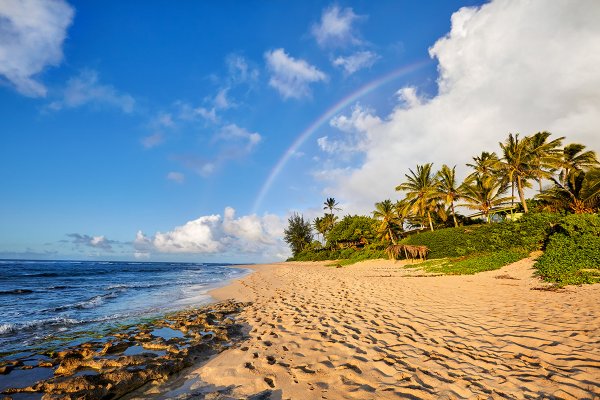
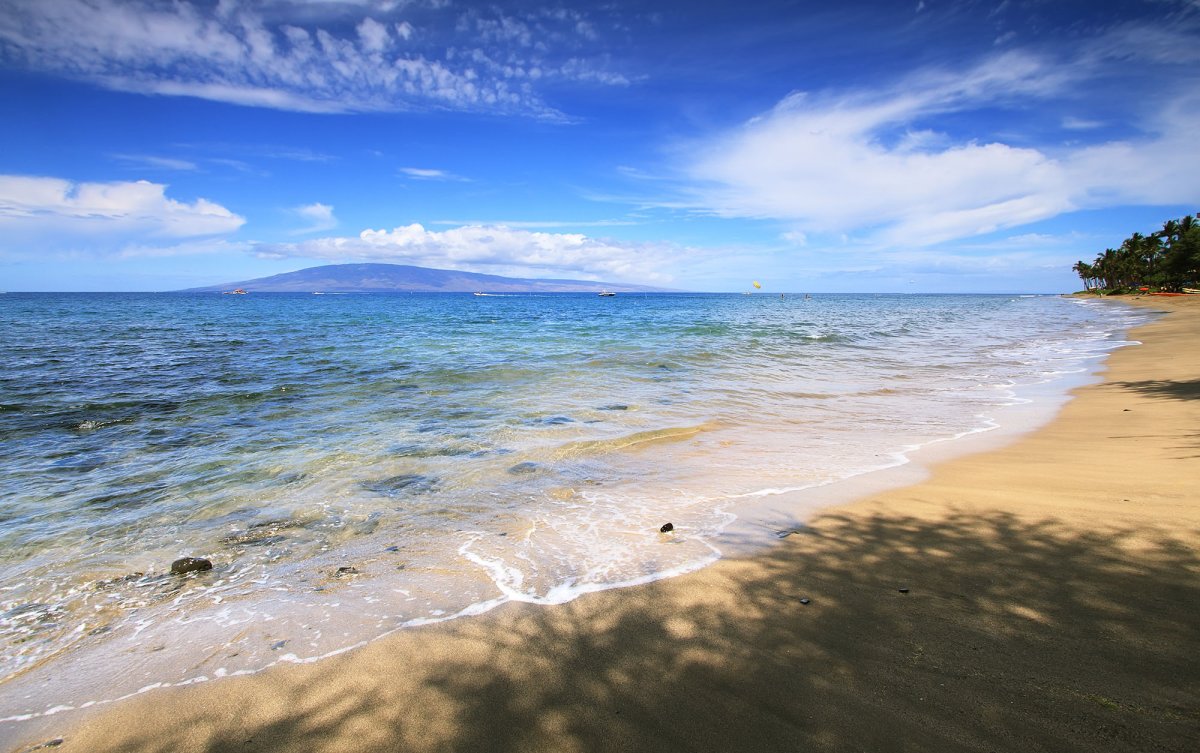
Sunset Beach on Oʻahu's North Shore in summer flat. Late August keeps the long golden-hour evenings of peak summer without the crowds.