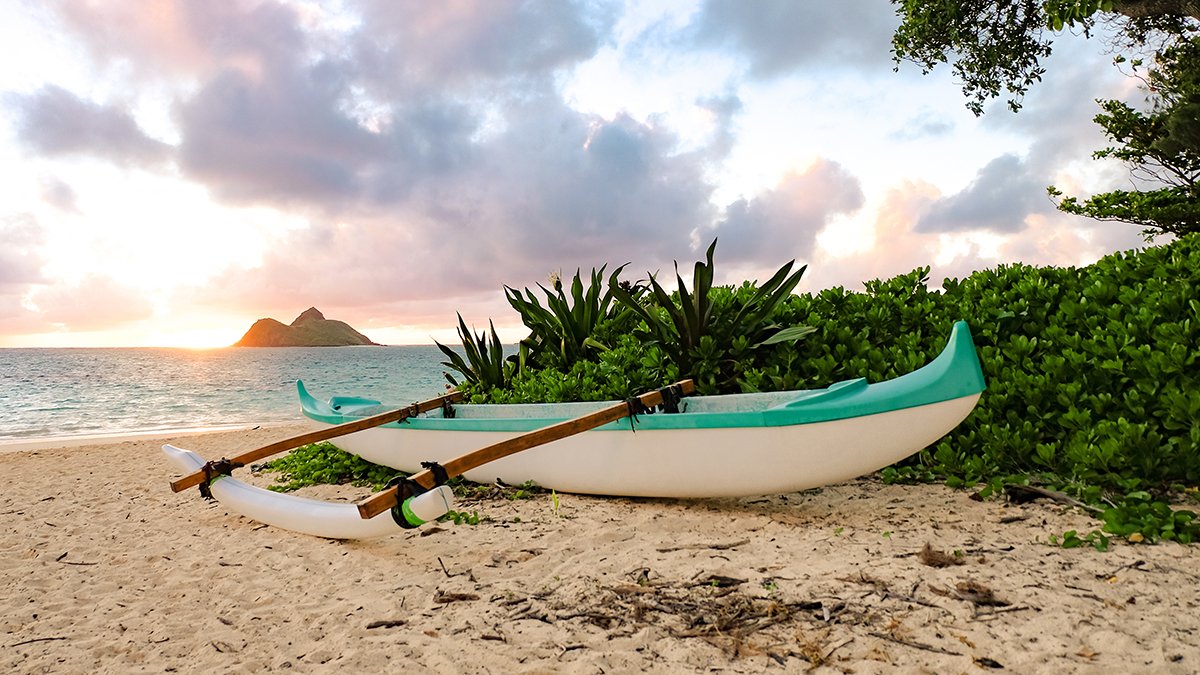

Two Molokaʻi-to-Oʻahu channel canoe races land on Waikīkī Beach this fall. Naʻ Wāhine O Ke Kai, the women’s crossing, runs Sunday, September 27, 2026. Molokaʻi Hoe, the men’s crossing, is posted for Sunday, October 11, 2026. Both cover roughly 41 miles of open ocean across the Kaʻiwi Channel between Molokaʻi and Oʻahu. Here’s what that morning looks like. A fleet of six-person outrigger canoes launches from a quiet harbor on the southwest corner of Molokaʻi, points the bow toward Diamond Head, and starts paddling. Roughly five hours later, give or take a wind shift, the lead canoes land on Duke Kahanamoku Beach in front of the Hilton Hawaiian Village, sunburned crews still carrying the Hawaiian flag off the iako. The finish line is free to watch, walkable from most Waikīkī hotels, and you can stand close enough to read the club names off the hulls as they come ashore. If your trip lands on the last weekend of September or the second weekend of October, put this morning on your list.
The two races in 2026
Naʻ Wāhine O Ke Kai (women’s race): the 2026 edition is scheduled for Sunday, September 27. The official race homepage has the current date posted. Its detailed schedule page can lag behind the homepage, so confirm the final blessing, start, finish, and registration-day details directly with the race site close to travel. Naʻ Wāhine O Ke Kai is the women’s championship crossing of the Kaʻiwi Channel. Molokaʻi Hoe (men’s race): the dedicated event homepage and official race schedule both point to Sunday, October 11, 2026. That schedule lists a 7:25 a.m. blessing and 8 a.m. start at Hale O Lono, with the first finishers expected at Waikīkī around 2 p.m. and awards on Waikīkī Beach around 3:30 p.m. The race dates back to 1952, when three koa canoes made the crossing from Molokaʻi to Waikīkī. It is now organized by the Oʻahu Hawaiian Canoe Racing Association (OHCRA). Both races leave from Hale O Lono Harbor on Molokaʻi’s southwest coast. Both run on a morning schedule. The traveler-safe move is to treat the posted dates as firm and the day-of timing as something to recheck the week before the race. Lead canoes finish at Duke Kahanamoku Beach in Waikīkī roughly five to six hours after the start in typical conditions, with the rest of the field arriving over the next few hours.
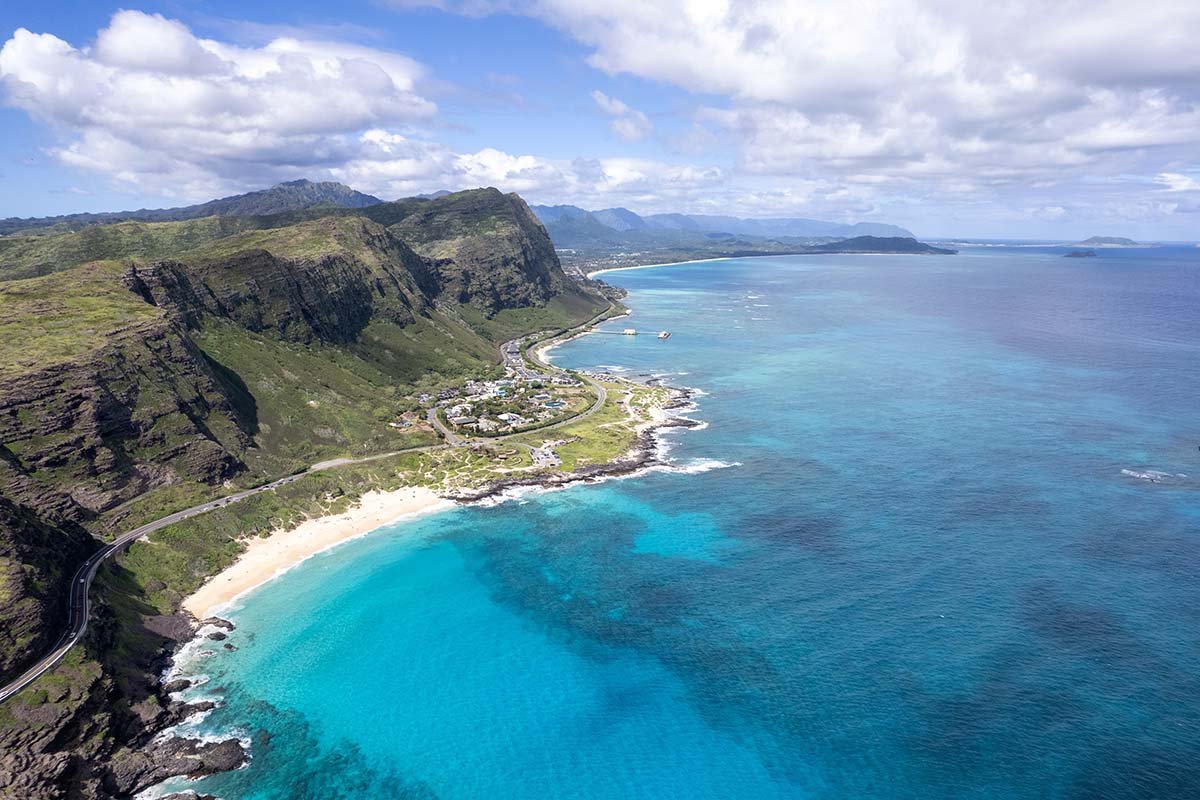
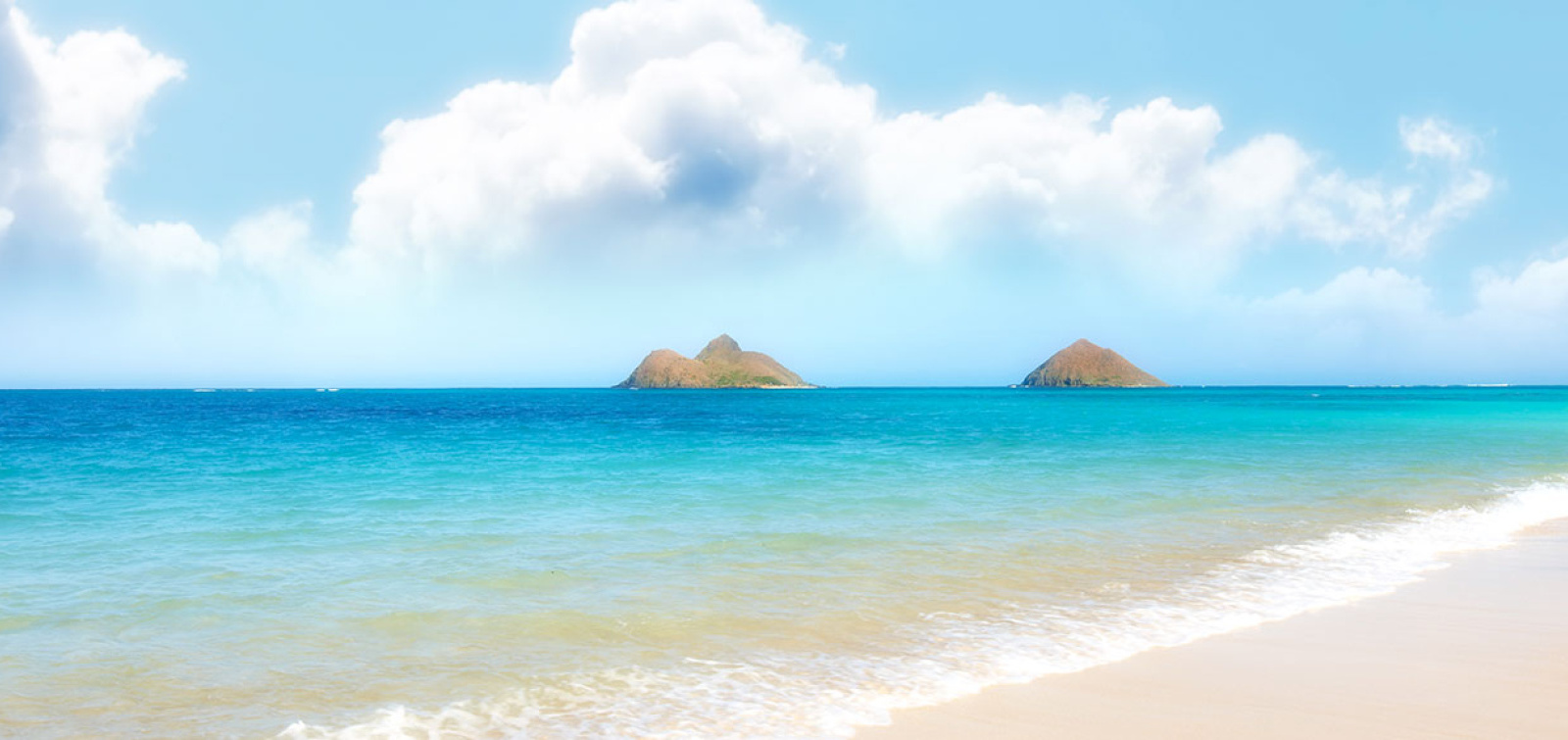
The Kaʻiwi Channel viewed from southeast Oʻahu — the 41-mile crossing the canoes paddle each fall.
Why the Kaʻiwi Channel matters
The Kaʻiwi (pronounced kah-EE-vee) is one of the more demanding open-ocean channels in the Hawaiian archipelago. With the prevailing trades coming out of the east-northeast, the standard Molokaʻi-to-Oʻahu line can put a following sea behind the crews. When wind, swell, and current line up, a strong crew can surf across the channel and look almost impossibly smooth. When the wind goes light, the swell gets confused, or the line turns into a grind, the same crossing becomes a long, hot, technical test. The name itself is part of why serious paddlers treat the crossing with reverence. Kaʻiwi is often translated as “the bone,” and the water has a reputation that is earned by exposure. No grandstand. No shore break escape hatch. No easy rescue if a crew or escort boat is not prepared. Crossing it under paddle power, in a hull and rig shaped by the same culture that named the water, is one of the peak accomplishments in Hawaiian canoe racing.
How the race actually unfolds
The race format is the same for both events:
- Iron crews paddle the entire 41 miles with the same six people in the canoe, no substitutions, no swaps. It's a rare division and usually only a handful of the strongest clubs enter it.
- Standard crews rotate through nine paddlers using a chase boat. Three paddlers wait on the chase boat at any given time, and rotations happen on roughly 15- to 20-minute intervals. Fresh paddlers slide into the canoe at full speed while the tired ones drop into the water for the boat to scoop up. Watching a clean rotation in big swell, mid-channel, is its own piece of theater.
- Chase boats (typically a power skiff or a small fishing boat per crew) carry the relief paddlers, water, ice, food, and a coach. Most clubs bring their own; some rent locally. The fleet of chase boats following the canoes is part of why the race looks like a small armada in drone footage.
Fast crews cover the 41 miles in about five hours in a good year, with harder wind and swell stretching the finish window. Hawaiian clubs, Tahitian crews, and canoe clubs from across the Pacific rotate through the top finish groups year to year.
Where to watch the finish — free and walkable from Waikīkī
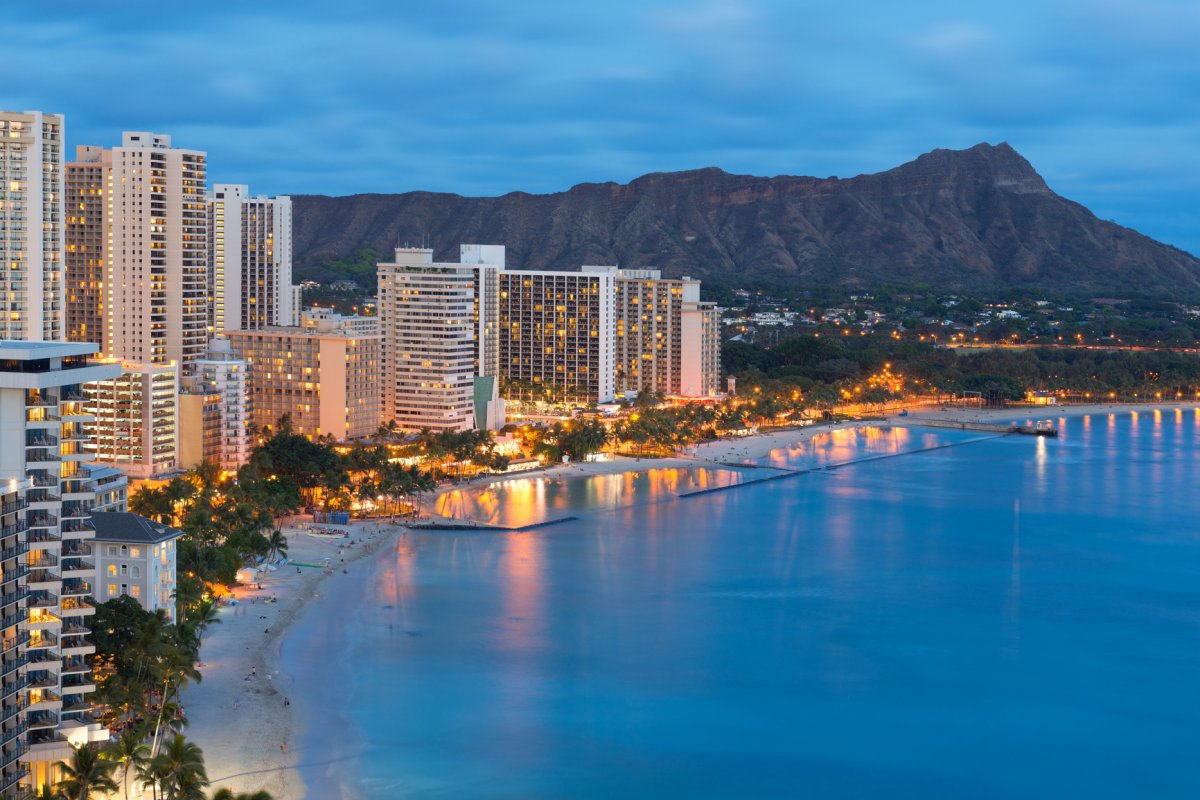
The finish line is at Duke Paoa Kahanamoku Beach, the protected lagoon-and-beach stretch on the Ewa (west) end of Waikīkī, fronting the Hilton Hawaiian Village Waikiki Beach Resort. There is no admission, no ticket, no wristband. If you’re staying in west Waikīkī, you can walk to it. Best vantage points, in order of how good they are:
- The sand at the finish line itself. Pick a spot on Duke Kahanamoku Beach between the Hilton and the small lagoon. The canoes come straight in from the channel, surf the last reef break offshore, and slide up onto the sand a short distance from the spectator line. Arrive by noon for the lead crews.
- The Hilton lagoon point and beach walk. The small headland on the east side of the lagoon gives you a wide view of canoes coming in from the channel. Slightly elevated, good for photos with Diamond Head behind the finishers.
- Magic Island / Ala Moana Beach Park. About a 10- to 15-minute walk west of the finish. You'll see the canoes round the point and make the final mile to the beach. It has more shade and usually feels less crowded than the finish line itself.
- From the water. If you happen to be on a Waikīkī catamaran cruise that afternoon, ask the captain whether they plan to give the finish a wide pass. Some do, some don't. It's not marketed as race-watching, so don't book a sail expecting it.
Bring water, sunscreen, a hat, and if you have one, a long lens or good binoculars. The lead canoes come in clean and fast. The middle and back-of-pack crews trickle in over the next two to three hours, and the cumulative atmosphere of clubs hugging their finishers on the sand is the part most spectators remember.
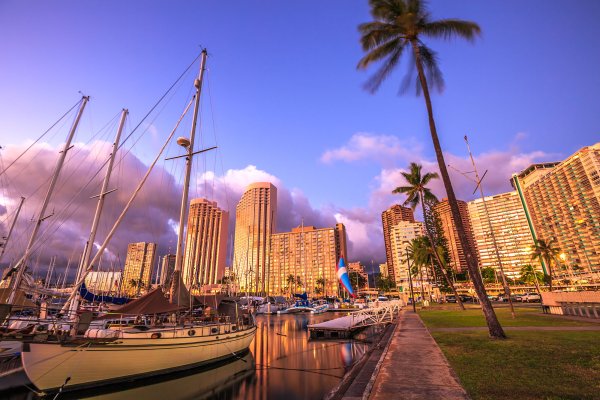
Ala Wai Harbor next door to the finish — a short walk from Duke Kahanamoku Beach, and a calmer post-race vantage if the finish sand is packed.
Lodging — sleeping near the finish line
The Hilton Hawaiian Village sits at the finish, and the Molokaʻi Hoe schedule places its awards ceremony on Waikīkī Beach after the race. Race weekends draw paddlers, families, and chase-boat crews to that side of Waikīkī. If you want the no-walking option, book the Hilton directly, and book early. If the Hilton is full or out of budget, anywhere in west Waikīkī works. Outrigger Reef Waikiki Beach Resort, the Prince Waikiki, and the Ilikai Hotel are all within a short walk. The Prince Waikiki and Ilikai sit right across from the Ala Wai Boat Harbor, so an ocean-view room there gives you a front-row seat on chase-boat traffic on race day. For the deeper comparison set, see our where to stay on Oʻahu overview and the where to stay in Waikīkī breakdown. If you’re flying in just for the race weekend, Discount Hawaii Car Rental is the easiest way to compare rental rates across the major brands at HNL.
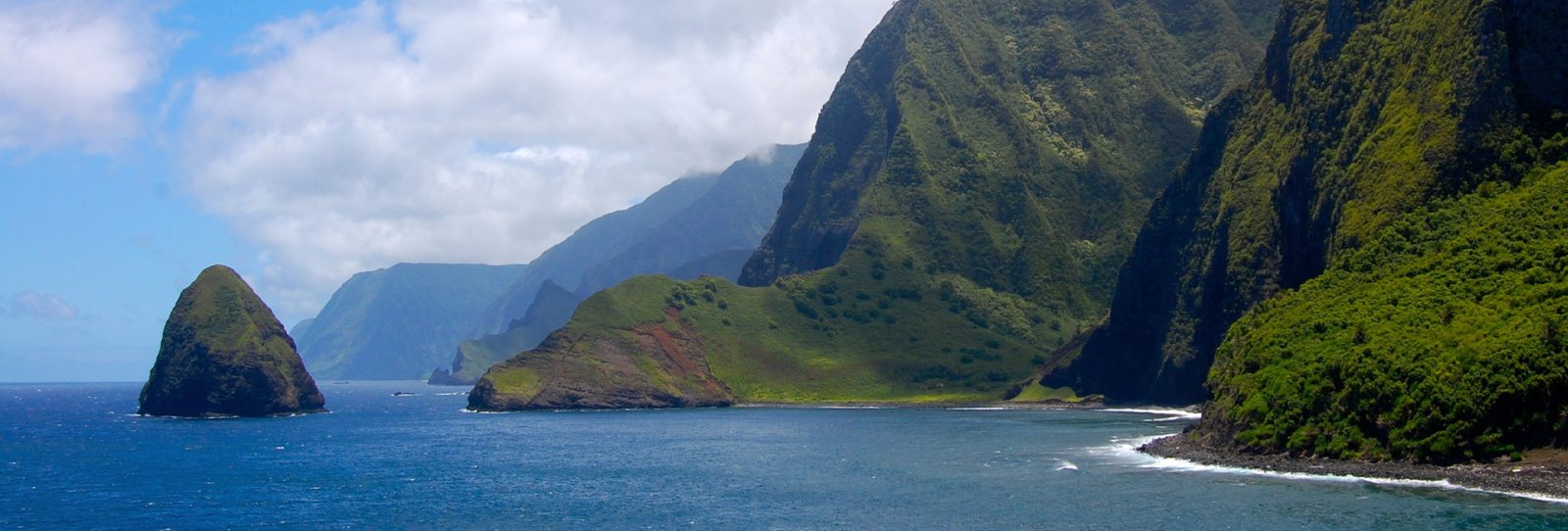
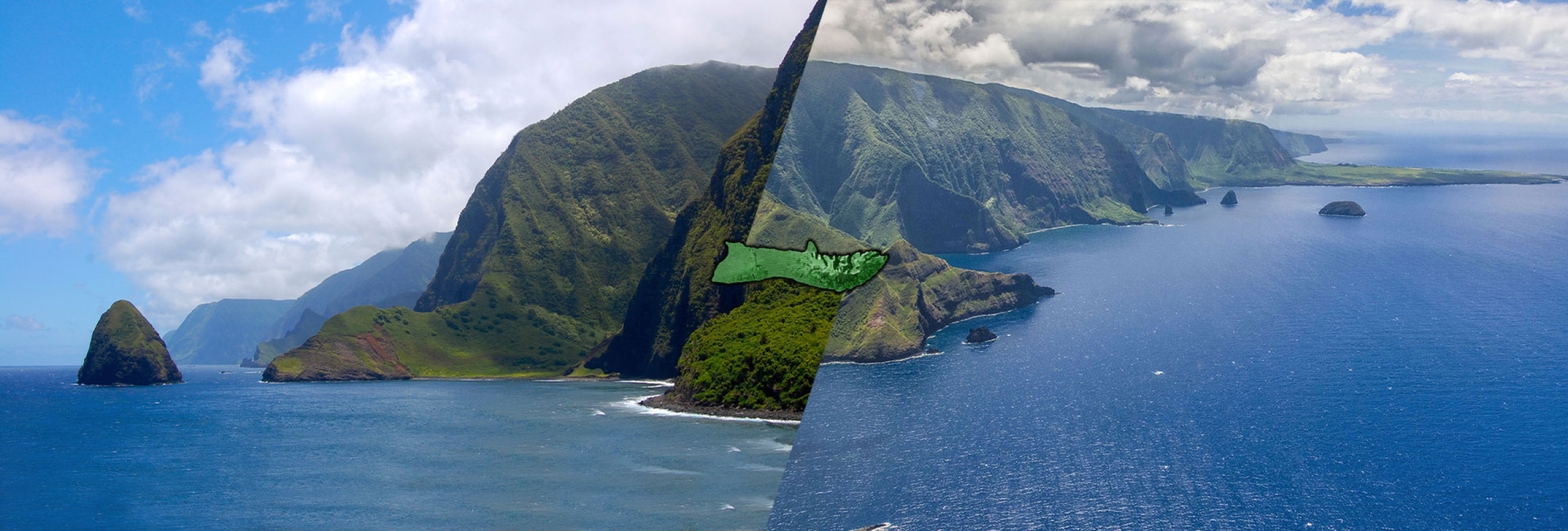
Molokaʻi's north-shore sea cliffs. The race itself starts on the opposite (southwest) corner of the island at Hale O Lono Harbor.
If you actually want to start at Molokaʻi
Watching the start on Molokaʻi is harder. Hale O Lono Harbor is on the dry southwest corner of the island, well off the small commercial loop near Kaunakakai, and it is not a tourist destination on a normal day. The race-day scene there is mostly clubs loading boats, crews stretching, and chase-boat captains running last-minute checks. There is no spectator infrastructure. If you genuinely want to do it, fly into Molokaʻi Airport (MKK) the day before, rent a car, and drive to Hale O Lono Harbor on Saturday afternoon to watch the canoes and chase boats get rigged. Stay overnight in Kaunakakai (limited inventory, so book months ahead), and drive back to the harbor for the pre-race blessing on Sunday morning. Most visitors find it more rewarding to spend race weekend on Oʻahu and watch the finish. For everything else Molokaʻi offers as a slow, almost-empty island destination, see our Molokaʻi guide.
How these races fit the paddling calendar
The two channel races cap a wider Hawaiʻi paddling season. If you have any interest in the sport, three other events sit in the same season:
- Summer regatta season (June through early August). Sprint racing in six-paddler outriggers off public beach parks across all four major islands. Free to watch, very family-friendly. See our regatta season guide for the schedule and how to read a sprint race.
- Queen Liliʻuokalani Long Distance Canoe Race (Labor Day weekend, Kailua-Kona, Big Island). Billed by its organizers as the world's largest long-distance outrigger canoe race. A different shape than the channel races: shorter race legs, hosted from a single beach, easier for casual spectators. See our Queen Liliʻuokalani race guide.
- Pailolo Challenge (mid-to-late September, Maui to Molokaʻi). A 26-mile channel race that often falls a week or two before Naʻ Wāhine O Ke Kai and works as a tune-up crossing for many crews.
The season runs from June through October and covers nearly every island. The two Kaʻiwi crossings are the championship-tier events on top of that base.
What to do with the rest of your weekend
Race-day mornings are committed but the rest of the weekend is yours. Reasonable pairings:
- The afternoon of the race. Recover with an early dinner at one of our Oʻahu dining picks. Waikīkī restaurants near the finish stay busy that evening with paddlers and crews celebrating.
- The day before. A half-day on the Diamond Head crater hike or a snorkel at Hanauma Bay (with the required advance reservation). Either gets you out on the water side of the island and gives you a sightline of the Kaʻiwi the next day's crews will be paddling.
- The day after. If you want a quieter beach day after the crowded finish line, head to the windward side. Lanikai and Kailua Beach Park are about 30 minutes from Waikīkī and feel like a different planet on a Monday morning.
- The evening after. Keep dinner close to the west end of Waikīkī if you want to stay near the finish crowd, or walk toward Ala Moana for a quieter reset after a race-day morning on the sand.
Quick planner
- What: Naʻ Wāhine O Ke Kai (women) and Molokaʻi Hoe (men), the two annual Kaʻiwi Channel outrigger canoe championships
- Distance: ~41 miles, Hale O Lono Harbor (Molokaʻi) to Duke Kahanamoku Beach (Waikīkī, Oʻahu)
- 2026 dates: Sunday, September 27 (women); Sunday, October 11 (men).
- Start time: morning from Molokaʻi. The Molokaʻi Hoe schedule lists a 7:25 a.m. blessing and 8 a.m. start; recheck both official sites the week of travel for final race-day details.
- Finish times: lead crews usually arrive in Waikīkī early afternoon; Molokaʻi Hoe currently expects first finishers around 2 p.m., with the full field arriving over the next few hours
- Where to watch: Duke Kahanamoku Beach, Hilton Hawaiian Village area, Waikīkī. Free, walkable from most west-end Waikīkī hotels.
- What to bring: water, sunscreen, hat, optional binoculars or telephoto lens
- Closest lodging: Hilton Hawaiian Village (finish line), Outrigger Reef, Prince Waikiki, Ilikai
If you happen to be in Waikīkī on the right Sunday, it’s a chance to stand on a beach in Hawaiʻi and watch the state’s own sport come ashore at championship level.