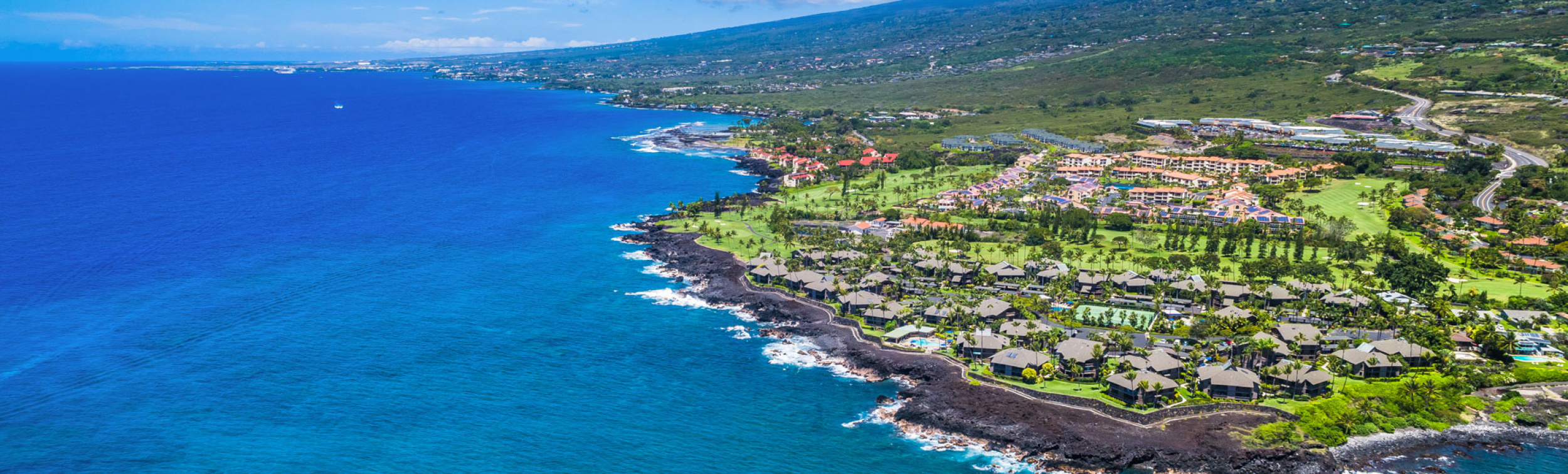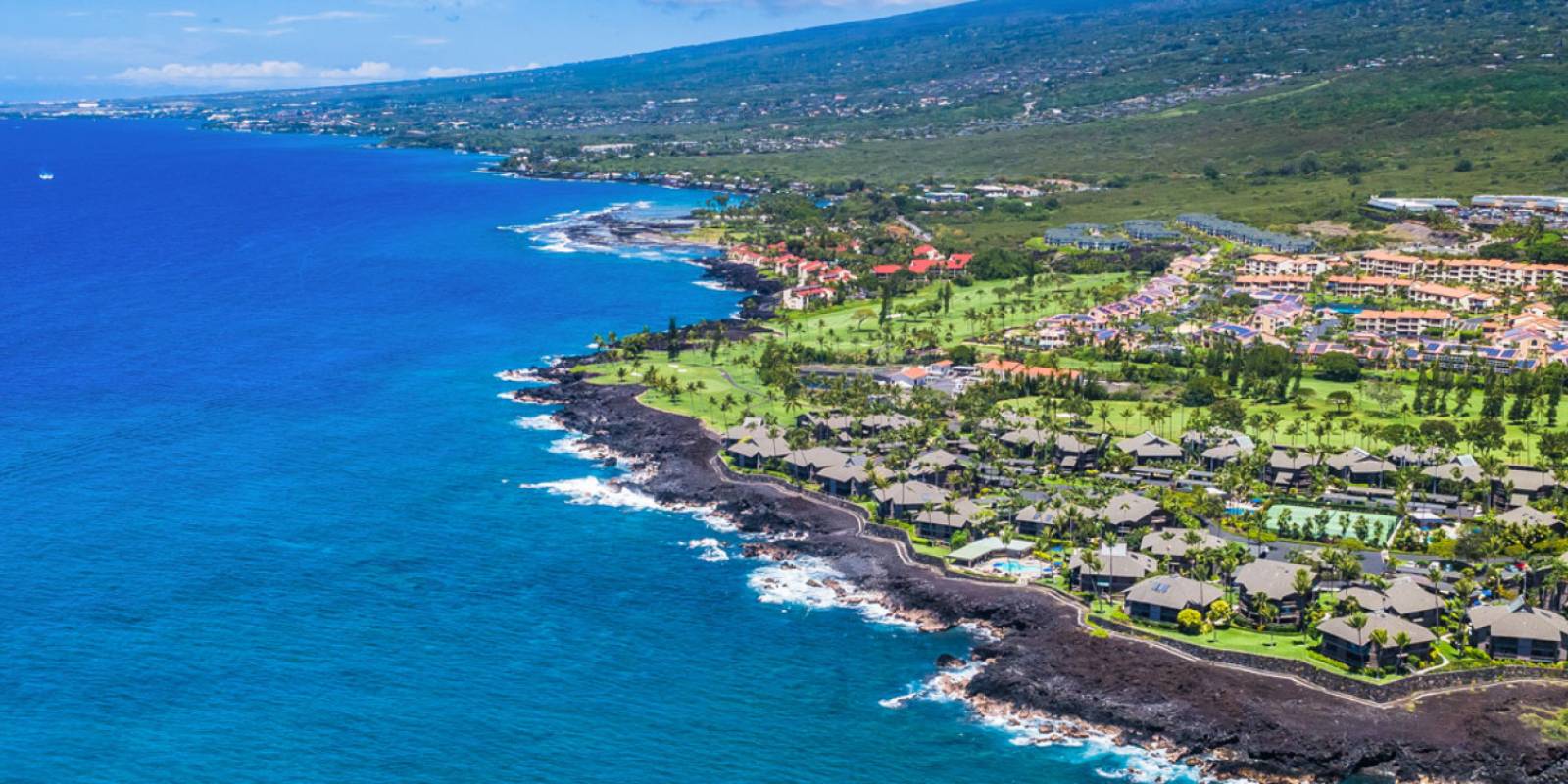
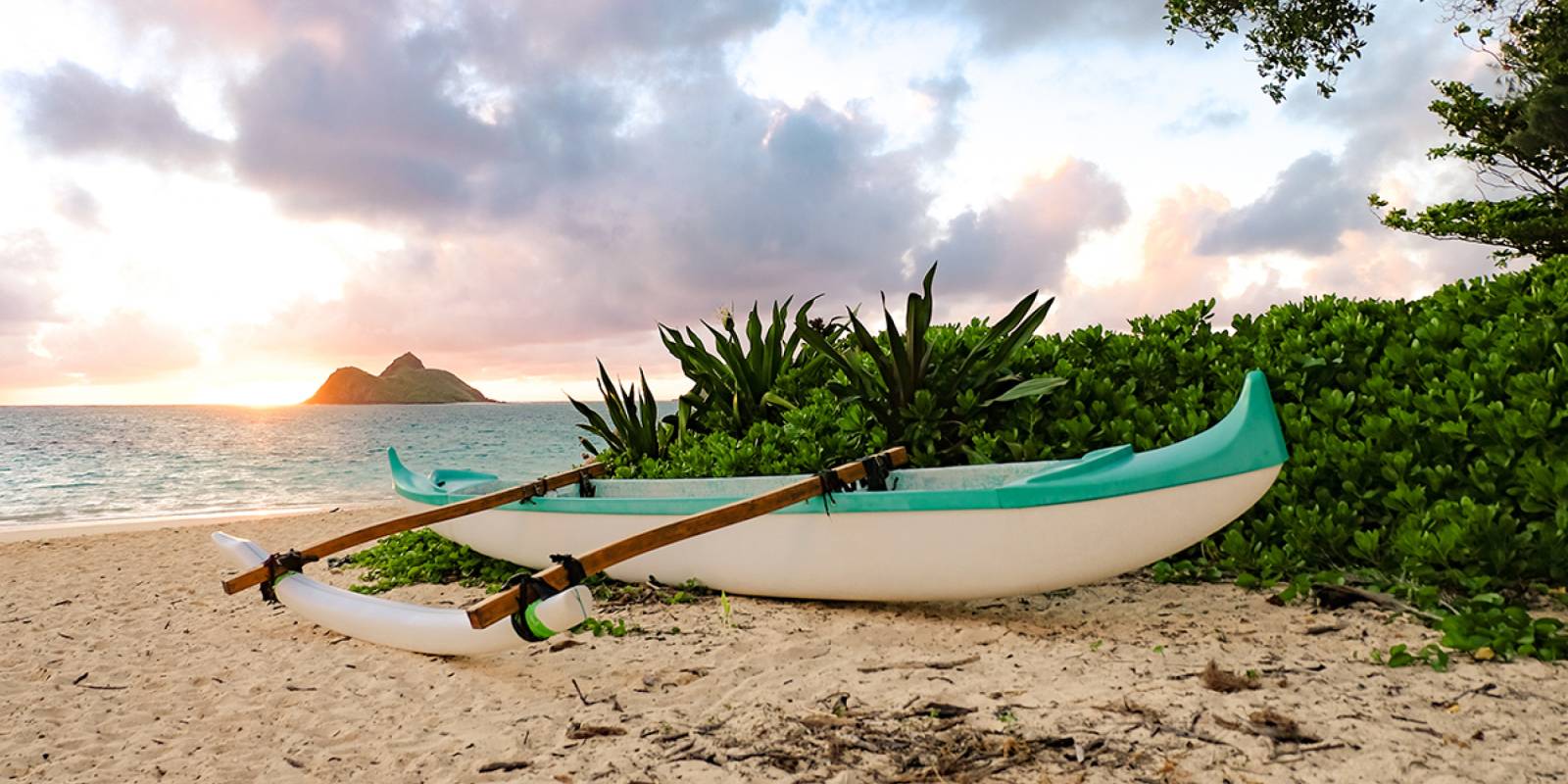

Over Labor Day weekend, while most of Hawaiʻi is squeezing in one last summer beach day, the water off Kailua-Kona fills with hundreds of outrigger canoes. This is the Queen Liliʻuokalani Canoe Race, billed by its organizers as the world’s largest outrigger canoe race (Queen Liliʻuokalani Canoe Race), and it turns the Big Island’s west coast into a five-day celebration of paddling, heritage, and the queen it honors. In 2026 it runs September 3 through 7, which makes mid-June the right time to lock in Kona lodging, rental cars, and any must-do west-side tours before the Labor Day squeeze begins.
When the 2026 Race Happens
The race always lands on Labor Day weekend, and 2026 is no exception. The organizer’s 2026 dates are Thursday, September 3 through Monday, September 7 in Kailua-Kona on the Big Island. (Queen Liliʻuokalani Canoe Race) Labor Day itself is Monday the 7th. The marquee long-distance racing is tied to Saturday, but crews, families, and spectators fill the town from Thursday on.
Kona lodging books up for the weekend well in advance. Treat this as a trip to lock down early rather than improvise, especially if you want to stay near Kailua Pier or along walkable Aliʻi Drive.
What Makes It the World's Largest Canoe Race
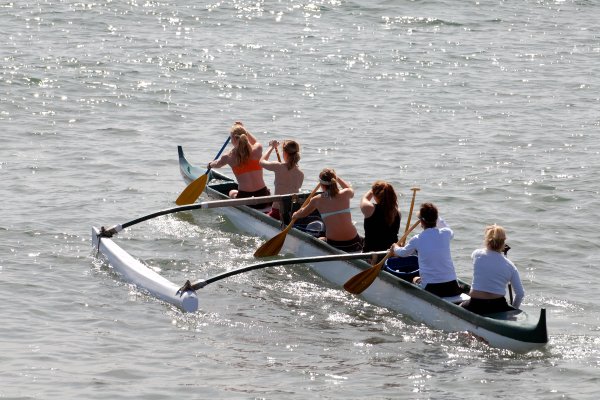
Six-person outrigger crews train year-round, and Labor Day weekend in Kona is one of the season's biggest tests.
Roughly 2,500 paddlers turn out each year, traveling from Australia, New Zealand, Japan, Hong Kong, Tahiti, Canada, and the U.S. mainland to race in and around Kailua Bay. (Race History) That scale is what earns the “world’s largest” title.
It didn’t start that way. The Kai ʻOpua Canoe Club launched the race in 1972 for a practical reason: local crews needed a hard long-distance workout to prepare for the brutal channel crossings that come later in the fall, the Molokaʻi Hoe for men and Nā Wāhine O Ke Kai for women. Both run more than 40 miles of open ocean from Molokaʻi to Oʻahu. (Race History) The training race outgrew its origins and became a destination event in its own right.
The name carries weight. Queen Liliʻuokalani was Hawaiʻi’s last reigning monarch and the composer of “Aloha ʻOe,” and the first race fell on her birthday, September 2. (Race History) The connection isn’t decoration. The weekend folds in cultural protocol and ceremony that keep her memory at the center of the event rather than treating it as a sports meet with a royal name attached.
The 18-Mile Saturday Race
Saturday is the day to be on Aliʻi Drive. The long-distance single-hull race runs 18 miles along the Kona coast between Kailua Bay and Hōnaunau Bay, the stretch of shoreline that holds the Puʻuhonua o Hōnaunau place of refuge. Women’s and some mixed divisions run Kailua Bay to Hōnaunau Bay; men’s and open mixed divisions reverse the course back toward Kailua. (Race Schedule) (NPS — Puʻuhonua o Hōnaunau)
Six-person crews push through open-ocean swell and Kona’s afternoon wind, division after division, from sunrise into the afternoon. The official 2026 schedule lists the broad race order and start times, but it also notes that some times are subject to change, so verify the final schedule before you build a Saturday around a single heat. The bigger planning point is stable: this is genuinely hard water, and it is the race that tells crews whether they’re ready for the channel crossings to come.
Free Places to Watch
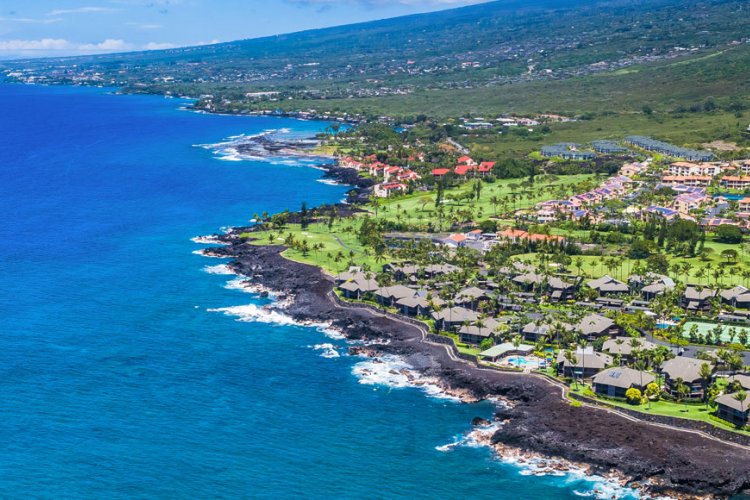
Aliʻi Drive and the Kailua Pier are the free front-row seats for the Saturday start.
You don’t need a ticket. The classic free vantage points in town are the grounds of Huliheʻe Palace on Aliʻi Drive and the Kailua Pier, where several Saturday divisions start or finish and where most of the other weekend events begin and finish. Hōnaunau Bay is the other end of the Saturday 18-mile course, so the in-town vantage points are about the pier-side action, the smaller weekend races, and the buildup rather than every finish.
All weekend, Aliʻi Drive becomes a moving parade of canoes, trailers, paddlers, and onlookers. Parking near the pier disappears early, so arrive before the morning start, bring water and sun protection, and plan to walk. For the lay of the land, our Kailua-Kona guide covers the waterfront and where things sit.
The Full Weekend Beyond Saturday
Saturday’s long-distance race is the headline, but the schedule spreads across the long weekend. The official race schedule lists a Thursday OC4 warm-up, Saturday single-hull long-distance racing, Sunday double-hull, OC1, OC2, and SUP races, and a Monday Kupuna Classic for paddlers 50 and older. (Race Schedule)
Exact start times, shuttle details, awards events, and the final race packet can shift from year to year, so confirm the current 2026 schedule on the official race site before you build a day around any single race.
Planning a Kona Trip Around the Race
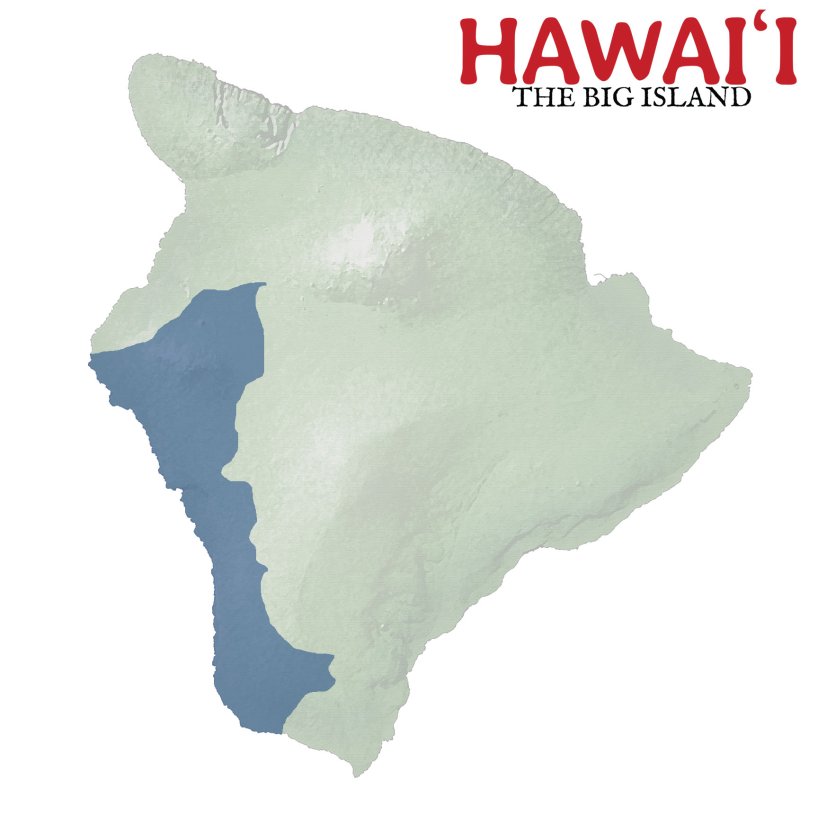
Free mornings around the racing leave room for Kona's coffee farms, snorkeling, and the volcano a couple hours south.
Because the race shares the calendar with Labor Day weekend, Kona hotels and condos fill fast and rates run high. Book lodging early. Our where to stay in Kona guide breaks the area down by neighborhood; for this weekend, prioritize walkable Kailua-Kona if you want to avoid repeated parking hunts near the pier.
You’ll want a car. Most visitors fly into Kona International Airport, and the coast is spread out enough that getting around without wheels is a chore. Compare island rates at Discount Hawaii Car Rental.
With a few free mornings around the racing, the west side fills the gaps easily: snorkeling toward Kealakekua Bay, Kona coffee farms in the hills above town, and Hawaiʻi Volcanoes National Park a couple of hours south. To compare bookable tours, browse Big Island options on Viator, and our things to do in Kona page has more.
One September caveat: the month sits in the heart of Central Pacific hurricane season, which NOAA defines as June 1 through November 30 (NOAA Central Pacific Hurricane Center), so keep an eye on the forecast in the days before you fly. It’s the one weather variable worth respecting on a fall booking. Our hurricane season guide covers what to actually do if a storm forms.
There’s something worth seeing in 2,500 people crossing open water in canoes whose design traces back centuries. The Queen Liliʻuokalani Canoe Race isn’t staged for visitors. It’s a working race the rest of us are lucky to watch. Stand on the seawall along Aliʻi Drive on Saturday morning, and you’ll understand why crews fly across the Pacific to be in it.
Plan Your Kona Trip
More guides for a Big Island visit around Labor Day weekend.