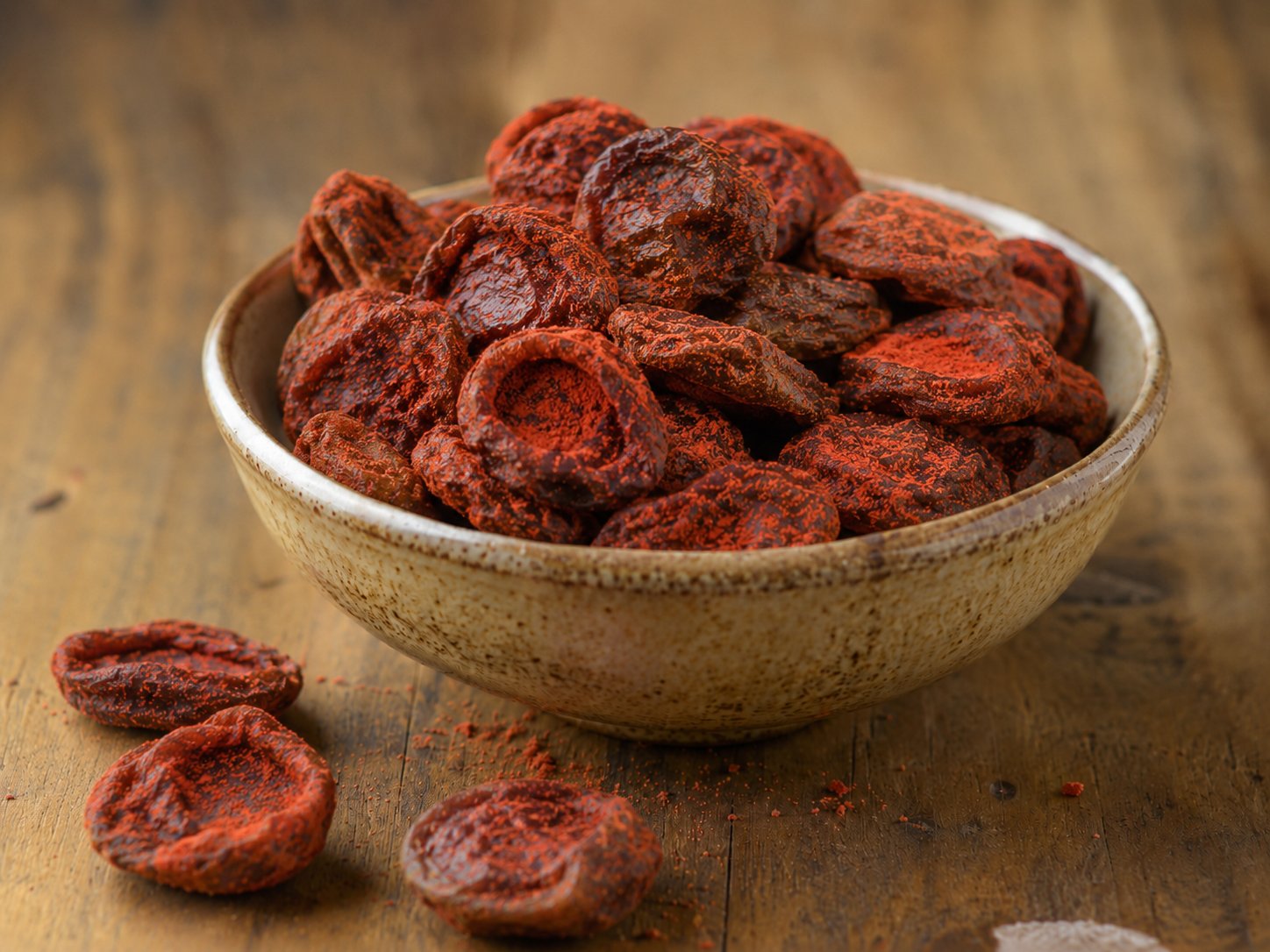


Crack seed is the snack Hawaii kids have been eating out of small plastic bags and glass jars for generations. The name describes the form. Preserved plums (most commonly li hing mui, the salty-dried Chinese plum) get the pit "cracked" so the flesh and the kernel both contribute to the flavor. Over the decades the category stretched to include preserved mango, lemon peel, ginger, mandarin orange, and just about any fruit you can dry and season with the magic powder. The dominant flavor is the powder itself: sweet, salty, sour, sometimes tongue-tingling licorice, always coated in the deep maroon dust that stains everything it touches.
The snack traces back to Chinese immigrants who arrived during the plantation era, and crack seed stores became neighborhood fixtures through the 1980s. Jars on shelves, scoops by the ounce, brown paper bags. The classic island name is Yick Lung, the long-running Honolulu snack maker whose li hing and crack-seed legacy now lives on through Hawaii's Choice. The home version below is the simplest possible take: dried Chinese plums coated in a homemade li hing seasoning blend. It's a good gateway into making the more elaborate seasoned-mango and seasoned-pineapple versions that show up in island lunchboxes.
At a glance
About 1 lb seasoned snack
10 minutes
2 to 3 days
Easy
Ingredients
For the li hing seasoning
- 2 tablespoons li hing mui powder
- 1 tablespoon granulated sugar
- 2 teaspoons kosher salt
- 1/4 teaspoon citric acid (optional, for extra pucker)
- Tiny pinch ground licorice root or anise (optional, traditional flavor)
For the snack base (pick one)
- 1 lb dried Chinese salty plums (sweet-and-sour preserved plums, sold as "li hing mui" at island grocery stores and Asian markets), OR
- 1 lb dried mango slices (unsweetened, no sulfur), OR
- 1 lb dried pineapple rings (unsweetened)
Equipment
- Glass jar with tight-fitting lid (1-quart size)
- Small bowl and whisk for the seasoning
- Disposable gloves. Li hing powder stains fingers a deep maroon.
For serving
- Small Ziploc bags for school or beach
- Wax paper or parchment for storing
Method
- Blend the seasoning. Whisk the li hing mui powder, sugar, salt, optional citric acid, and optional licorice or anise in a small bowl until evenly combined. The color should be a uniform deep red-brown. This blend keeps in a sealed jar at room temperature for several months. You'll use it on cut fresh pineapple and mango too, so it's worth making a double batch.
- Coat the fruit. Wearing gloves, toss the dried fruit in the seasoning blend, working it into every surface. Plums need only a light dusting. Dried mango and pineapple can take a heavier hand because the surfaces are less salty to start. Use about half the seasoning to start, taste one piece, and add more by the teaspoon until the snack is as intense as you like.
- Cure in the jar. Layer the coated fruit into a clean glass jar. Sprinkle any remaining seasoning over the top. Seal tightly. Leave at cool room temperature for 2 to 3 days, gently flipping or rotating the jar every 12 hours so the seasoning settles into the fruit from all sides. The flavors deepen and mellow as the cure goes on. Day one is sharp, day three is balanced.
- Taste and store. After 2 days, taste a piece. If the flavor has integrated and tastes pleasantly salty-sweet-sour-funky rather than just powdery, it's ready. Refrigerate after curing if you live anywhere humid. The snack will keep for 4 to 6 weeks in the fridge in a sealed jar. Bag into small Ziplocs for grab-and-go.
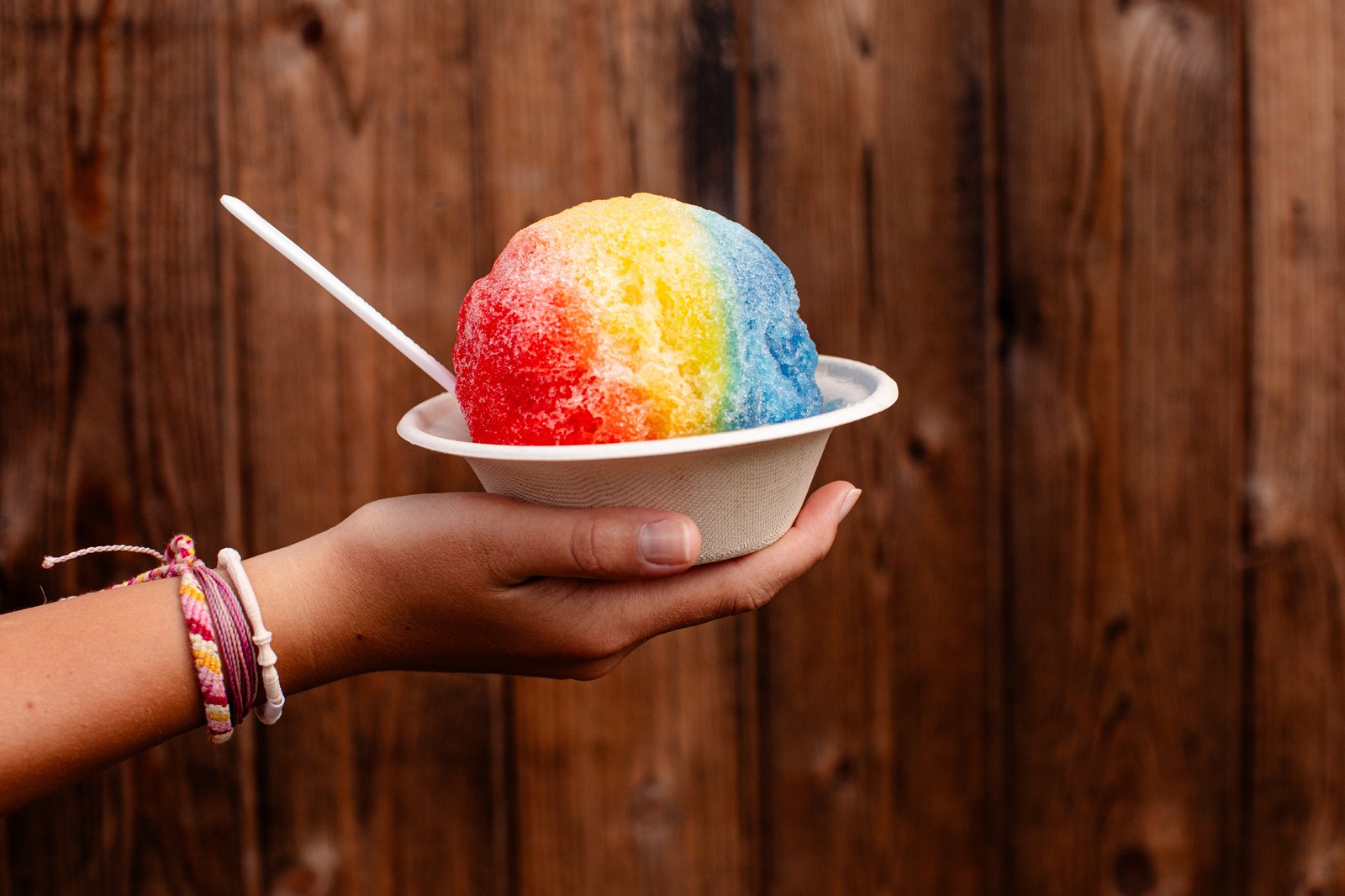
- Serve. The traditional eating method for whole-plum crack seed is to suck the seasoned flesh off the pit slowly, then crack the pit between your back teeth to get the bitter-almond kernel inside. Modern seasoned-mango and seasoned-pineapple versions are bite-and-chew. Both go with shave ice, with iced green tea, and inside a tall glass of beer.
Notes from a local cook
Quality of the base fruit matters. The best dried Chinese plums I've used come from the bulk jars at old-school crack seed shops or the bagged crack seed selection at Times Supermarket and Foodland. Look for plums that are still slightly pliable, not bone-dry. If they crack rather than bend when you squeeze them, they're past their prime and the seasoning won't take.
The powder stains. Li hing dust stains fingers, lips, hands, plastic, and anything else it touches a stubborn maroon. Wear gloves while seasoning. If you get it on your fingers, a little lemon juice helps lift the color. Tell the kids beforehand or expect questions at school.
Adjust the salt level. Traditional crack seed is genuinely salty. The Chinese name hua mei ties back to the fragrant-plum preservation tradition, and the method is straight-up salt curing. Younger palates and most mainland palates prefer the sweeter modern blend with more sugar and less salt. Move the salt and sugar ratios around until the blend tastes right to you. There's no wrong version.
The same seasoning goes on fresh fruit. Sprinkle the dry li hing blend over cubed fresh pineapple, watermelon, mango, or green papaya in the half hour before serving. The fruit weeps a little, the powder turns into a sticky glaze, and you have a strong summer snack when the fruit is ripe and the seasoning is sharp. Same principle as the snack jars, just on fruit that's still juicy.
While You're on the Islands
Eat it made by someone else. On Oahu, the crack-seed scoop counter that older Hawaii residents grew up with is the Crack Seed Store at Koko Marina Center in Hawaii Kai. Small storefront, glass jars wall to wall, sold by the ounce. A handful of similar small operators sit tucked inside neighborhood shopping centers across Honolulu. Check the operator's current Facebook page for hours before driving out, since these small storefronts open and close on their own schedule. Browse our Hawaii Eats guides for more island-specific snack and grocery picks.
Buy the ingredients fresh. The crack seed and li hing mui section at most Times Supermarket and Foodland locations carries Hawaii's Choice/Yick Lung candies plus other bagged preserved plums, seeded mango, lemon peel, and ginger. Look in the snack aisle next to the dried squid and shrimp chips — worth stocking up since these brands are hard to find on the mainland.
Bring It Home
What to stock up on before you fly home: bags of li hing mui powder and dried seed-li (preserved plum) candies travel well and are the easiest way to keep snacking on this after the trip — most mainland grocery stores simply don't carry them.
Where to try this in Hawaii