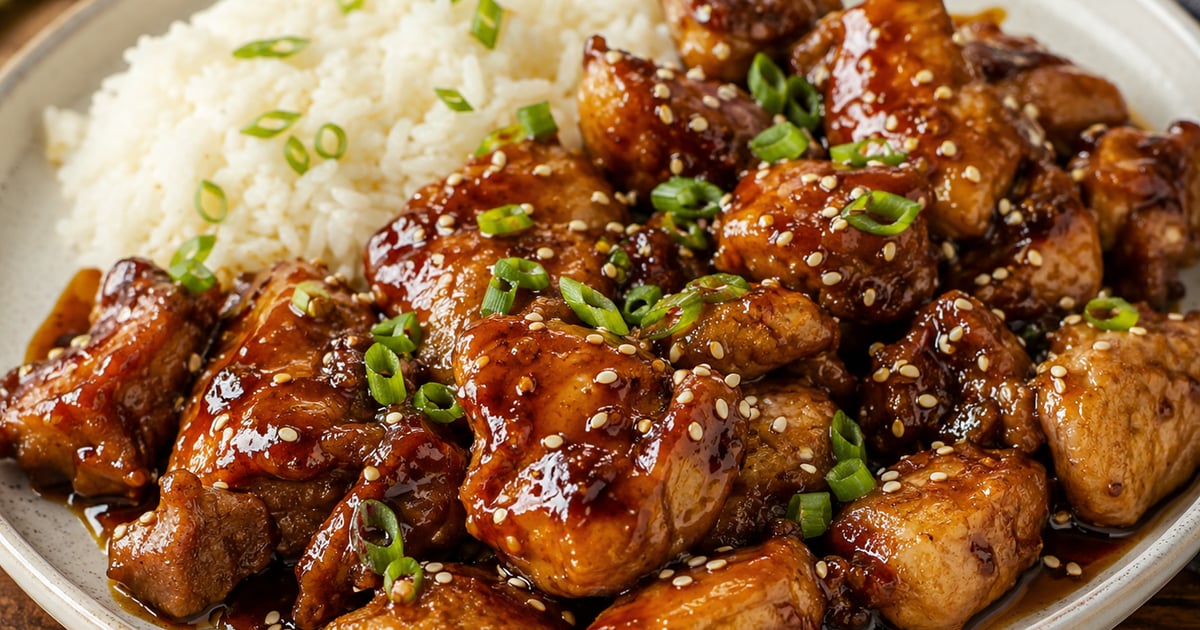

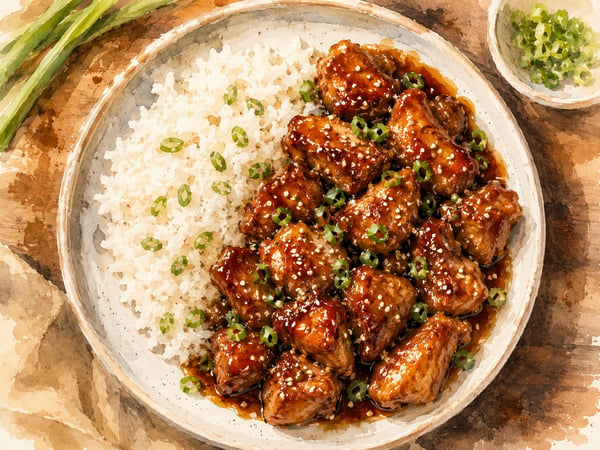
Walk up to any drive-in steam table in Hawaii and shoyu chicken will almost always be in the lineup. Bone-in thighs simmer in soy sauce, brown sugar, ginger, garlic, and a little water until the meat pulls clean off the bone and the braising liquid reduces to a sticky, dark glaze. That is the whole dish.
It is plantation cooking, plain and simple. Soy sauce — "shoyu" in Japanese — arrived with the Japanese laborers who began coming to Hawaii's sugar plantations in 1885. Combine that shoyu with brown sugar from the cane mills, ginger and garlic from the home garden, and the cheapest cut on the rack, and you get a one-pot meal that feeds a family for a week. The same logic is why it still anchors the plate-lunch board today: forgiving, scales up endlessly, and tastes better the next day from the fridge.
At a glance
4 to 6
10 minutes
45 minutes
Easy
Ingredients
For the chicken
- 3 lb bone-in, skin-on chicken thighs (8 to 10 thighs)
- 1 cup soy sauce — Aloha Shoyu if you can find it, otherwise any good Japanese-style soy
- 1 cup water
- 3/4 cup brown sugar, packed
- 1 thumb-sized piece fresh ginger, peeled and sliced into thin coins
- 6 cloves garlic, smashed
- 2 to 3 green onions, white parts only, cut into 2-inch lengths
To finish
- 2 green onions, green tops only, thinly sliced
- Toasted sesame seeds (optional)
- 1 small dried Hawaiian chili pepper, crushed (optional — for a little heat)
Equipment
- Large heavy-bottomed pot or Dutch oven with a lid
- Tongs
- Small mesh strainer (for skimming fat)
To serve
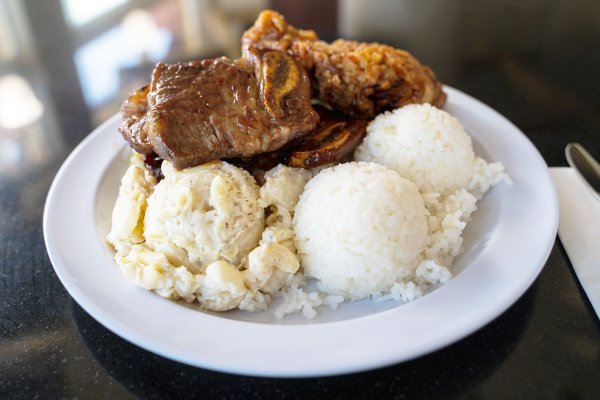
- Steamed white rice (two scoops, per plate-lunch tradition)
- A scoop of local-style macaroni salad
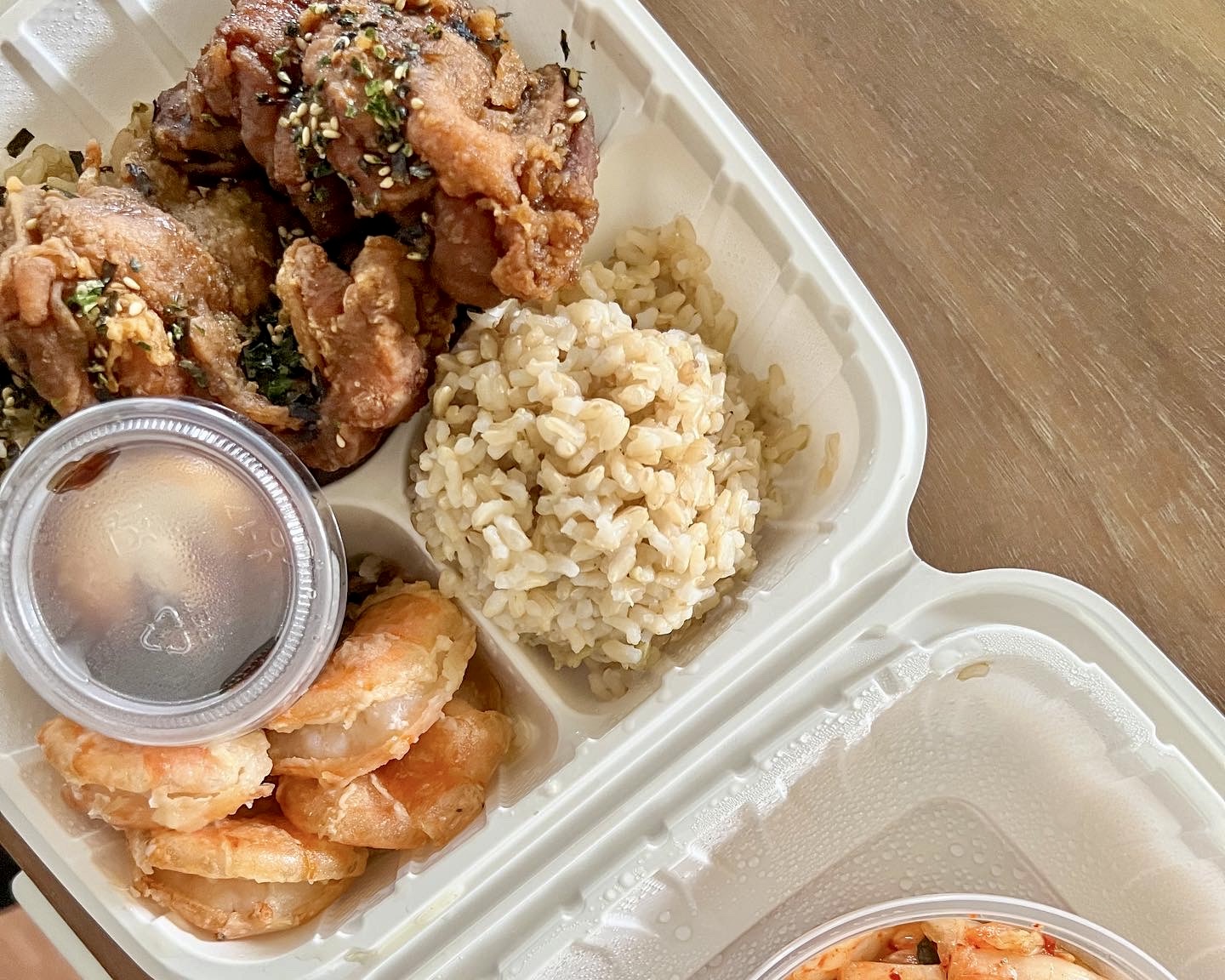
- Tossed greens or a side of kimchi
Method
- Bone-in, skin-on, always. Boneless thighs work in a pinch but they shed too much liquid and the sauce never quite reduces right. The skin renders fat into the braise, which is part of what makes the glaze coat the back of a spoon at the end. Pat the thighs dry with a paper towel.
- Build the braising liquid. Combine the soy sauce, water, brown sugar, ginger coins, smashed garlic, and white parts of the green onion in your pot. Stir until the sugar dissolves. There is no need to brown the chicken first — this is a one-pot braise, not a sear-and-stew.
- Add the chicken. Nestle the thighs skin-side up into the liquid in a single layer. They should be about three-quarters submerged. Bring to a gentle boil over medium-high heat, then lower to a steady simmer.
- Simmer covered. Cover the pot with the lid slightly cracked and cook for 30 minutes. The chicken will release its own juices and the liquid level will rise.
- Uncover and reduce. Remove the lid, raise the heat to medium-high, and let the liquid bubble down for another 12 to 18 minutes. Spoon some of the reducing sauce over the chicken every few minutes so the tops glaze too. You are looking for a thin maple-syrup consistency.
- Skim and rest. Pull the chicken out with tongs onto a serving plate. Skim the fat off the top of the sauce with the mesh strainer — there will be a lot, and skimming it makes the difference between a sauce that tastes clean and one that tastes greasy.
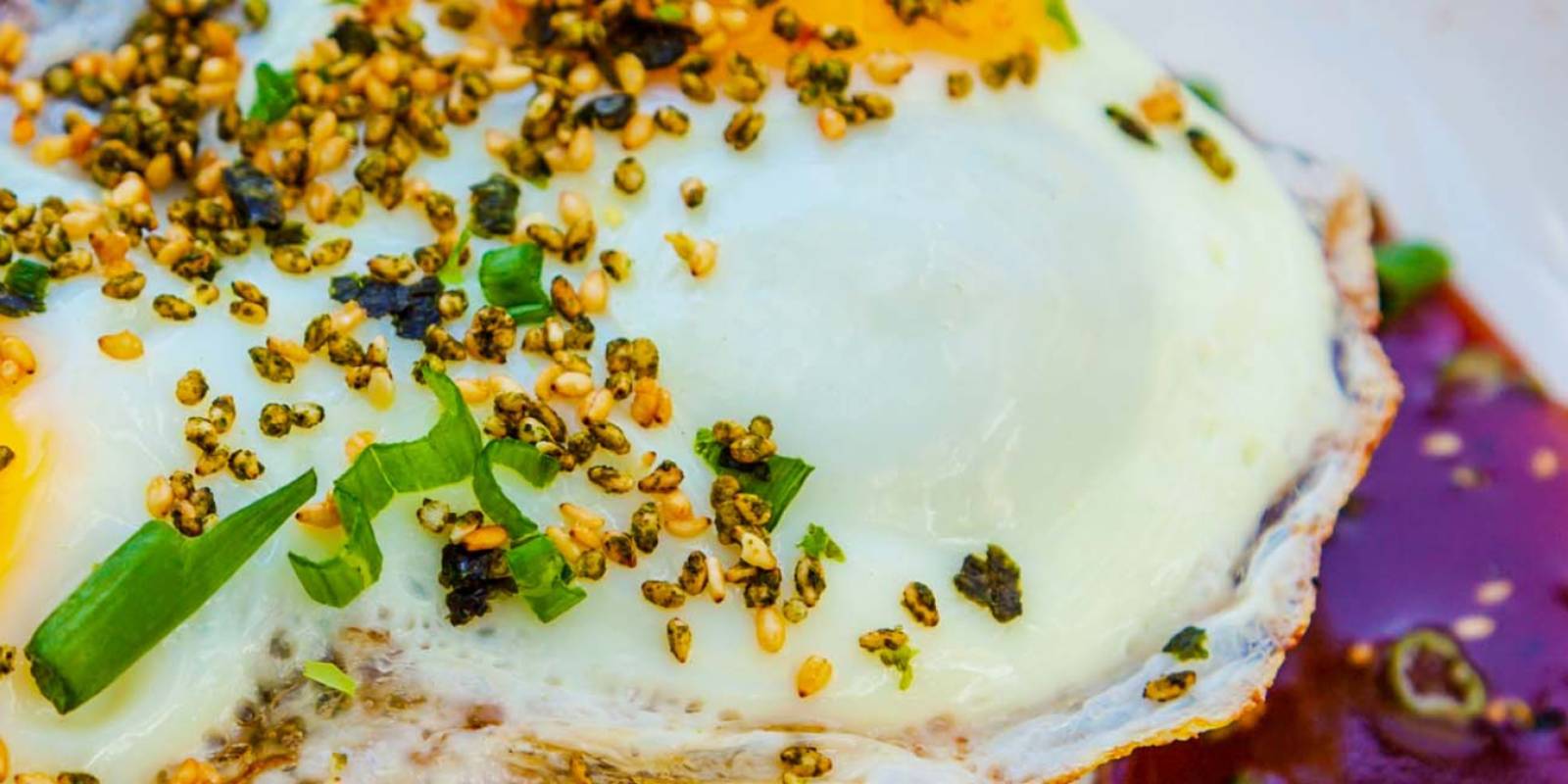
- Plate it. Spoon the chicken over rice, ladle the sauce over both, and finish with sliced green onion, sesame seeds, and a pinch of crushed Hawaiian chili if you want some heat. Mac salad on the side. That is the plate.
Notes from a local cook
The sauce is everything. The rule I learned from my mother-in-law is that a good shoyu chicken should leave you with sauce that coats the back of a spoon — not water, not syrup. If it is too thin at the end of step 5, keep reducing. If it is too thick, splash in another quarter cup of water and stir. Adjust to your liking.
Make it a day ahead. Shoyu chicken genuinely tastes better the next day. The chicken keeps absorbing sauce overnight in the fridge, and the fat solidifies on top, which makes skimming cleaner. Reheat gently on the stove with a splash of water. This is also why plate-lunch counters hold it for hours without losing it — the long hold improves it.
Skip the dark soy. Some recipes call for a mix of regular soy and dark soy (mushroom soy) for color. You do not need it. The brown sugar handles the color, and Hawaii-style shoyu chicken should taste of soy and ginger, not of caramel-heavy dark soy. If you do want a deeper mahogany color, add a tablespoon of oyster sauce instead.
The wing-tip variation. A lot of local cooks add a half pound of chicken wings or drumettes to the pot along with the thighs. The wings break down faster, the gelatin from the bones thickens the sauce, and you get little nibbles for the kids while the thighs serve the adults.
While You're on the Islands
Eat it made by someone else. Shoyu chicken is everywhere in Hawaii, so the question is less "where can I find it" and more "where is it worth ordering." Rainbow Drive-In, founded just off Kapahulu Avenue in Honolulu in 1961, lists shoyu chicken as its own plate lunch on the menu. L&L Hawaiian Barbecue is a dependable chain option with locations across all the major islands. For a sit-down version, Highway Inn at SALT in Kaka'ako (and the original Waipahu shop) lists shoyu chicken under Local Favorites. See also our full guides to the best mixed plate in Hawaii and Oahu dining.
Buy the ingredients fresh. Aloha Shoyu and fresh ginger are stocked at any island grocery store — easy to grab both while you're shopping for produce.
Bring It Home
What to stock up on before you fly home: a bottle of Aloha Shoyu ships well and is the closest thing to a Hawaii-specific ingredient in this recipe — sweeter and lighter than mainland soy sauce. If you can't find it, regular soy sauce plus a touch more brown sugar gets you close.
Where to Eat It on Your Trip
Our picks for Shoyu Chicken across the islands — tap a spot for hours, photos, and directions.
 Photo: Eddie KimOʻahu
Helena's Hawaiian Food
 Photo: Ramon MOʻahu
Yama’s Fish Market
 Photo: Al HarrisonMaui
Da Kitchen
 Photo: Benjamin HatoriBig Island
Blane's Drive In
 Photo: Larry CanonicaBig Island
Hawaiian Style Cafe
 Photo: Mark's PlaceKauaʻi
Mark's Place
 Photo: Jason ScofieldKauaʻi