

Where Maui Birding Actually Works
Maui birdwatching tours fall into a split decision. If you want native forest birds, go high on Haleakalā and start with Hosmer Grove. If you want an easy, low-elevation stop with endangered wetland birds, go to Keālia Pond National Wildlife Refuge. If you want a guide, book one for identification, access, and timing, not because every good bird on Maui requires a paid tour.
The statewide Hawaii birdwatching tours guide compares islands. This page is the Maui filter: where to go, what you can realistically see, and when a private birding day earns its cost.
A rental car matters more than a tour for most visitors
Hosmer Grove sits inside Haleakalā National Park, while Keālia Pond is down by Māʻalaea and Kīhei. Those are different Maui days. A flexible car lets you chase the clearer morning instead of locking into one shuttle time. We prefer Discount Hawaii Car Rental for Maui bookings — confirm current rates and cancellation terms on their site before you reserve.
1. Hosmer Grove: the first Maui birding stop
Hosmer Grove is the easiest place on Maui to give yourself a real chance at native honeycreepers without committing to a hard backcountry day. The short forest loop sits just inside the Haleakalā summit district, where the National Park Service describes the summit as one of Hawaiʻi's few easily accessible places where rare endemic species still survive.
Go early. Birdsong is better before the wind comes up, and the summit road cloud layer can change the whole feel of the stop. You are not walking a long trail; you are moving slowly, listening, and checking the ʻōhiʻa blossoms and native shrub edge.
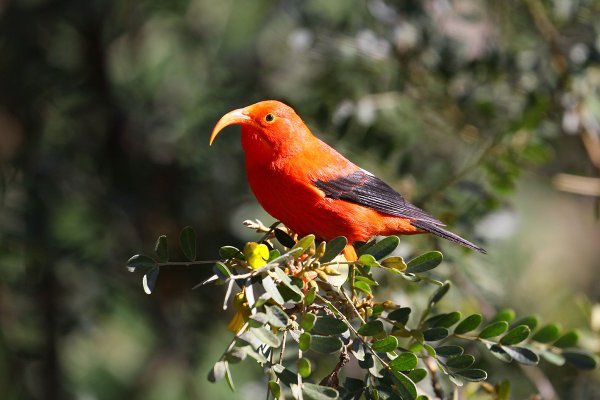
Birds to know before you go: NPS lists ʻapapane, ʻiʻiwi, ʻamakihi, ʻalauahio, kiwikiu, nēnē, pueo, and ʻuaʻu among the summit district birds. A first-time visitor is most likely to notice the red ʻapapane and ʻiʻiwi, the yellow-green ʻamakihi, and nēnē near roads or open areas. Kiwikiu and ʻākohekohe are not checklist trophies to expect casually; treat any sighting as a rare gift.
2. Keālia Pond: the easiest wetland birding
Keālia Pond is the practical lowland option, especially if you are staying in South Maui. The refuge protects endangered Hawaiian wetland birds, and the U.S. Fish & Wildlife Service notes that winter also brings migratory waterfowl and shorebirds from far beyond Hawaiʻi.
Two access points matter. The Keālia Coastal Boardwalk is open daily from sunrise to sunset — flat, accessible, and a quick scan of the pond without turning the day into a hike. The visitor center has separate, more limited hours that have shifted more than once in recent years, and a monthly birding day has come and gone from the schedule. Pull current hours from the FWS visitor page before you build a detour around it.
Look for aeʻo, the Hawaiian stilt, and ʻalae keʻokeʻo, the Hawaiian coot, then scan for ducks, herons, and shorebirds along the wet edges. Binoculars help here more than a long lens does; the birds are often across the water and heat shimmer is real by late morning.
3. When a guide is worth it
Book a guide if you care about identification, calls, and a better chance of understanding what you saw. Maui's serious forest-bird habitat is fragile, access changes, and some preserves are not casual public hiking destinations. A private guide can also help you decide whether to spend limited trip time at Hosmer Grove, a Haleakalā summit stop, Keālia Pond, or a custom route.
One example currently in our tour data is Unique Maui Tours' private birdwatching tour — a small, private option as of this update, though availability and operators change. For broader inventory and current cancellation terms, compare Maui nature and wildlife tours on Viator; then read the itinerary carefully to make sure it is actually bird-focused rather than a general nature drive.
4. How to plan a simple two-stop birding day
Best first morning
Drive to Hosmer Grove early, walk slowly, then continue to the summit only if weather and energy are still good.
Best easy add-on
Use Keālia Pond before or after a South Maui beach day. The boardwalk is flat, quick, and forgiving.
Best guided fit
Hire a guide if you have a target species list or want someone else handling timing, calls, and access tradeoffs.
What to bring
- Binoculars: an 8x42 birding pair is the useful all-around choice for forest shade and wetland distance.
- Layers: Haleakalā summit weather changes quickly. NPS safety guidance says summit-area temperatures can swing sharply, with wind, rain, fog, and cold conditions all possible.
- Quiet shoes: Hosmer Grove rewards slow movement. Stomping through the loop turns it into a tree walk.
- Patience: Maui birding is not zoo viewing. You may hear birds before seeing them, and a good 30-minute sit can beat a rushed loop.
Ethics that matter on Maui
Stay on trail, never feed birds, and drive slowly inside Haleakalā. The park safety page specifically asks visitors to watch for wildlife on roads and avoid feeding any wildlife. Do not play recorded calls to pull birds closer. It stresses breeding birds and turns a fragile habitat into a performance space.
Related reading: Hosmer Grove Loop Trail · Maui hiking tours · Haleakalā tours · Haleakalā National Park · Hawaiian birds guide