
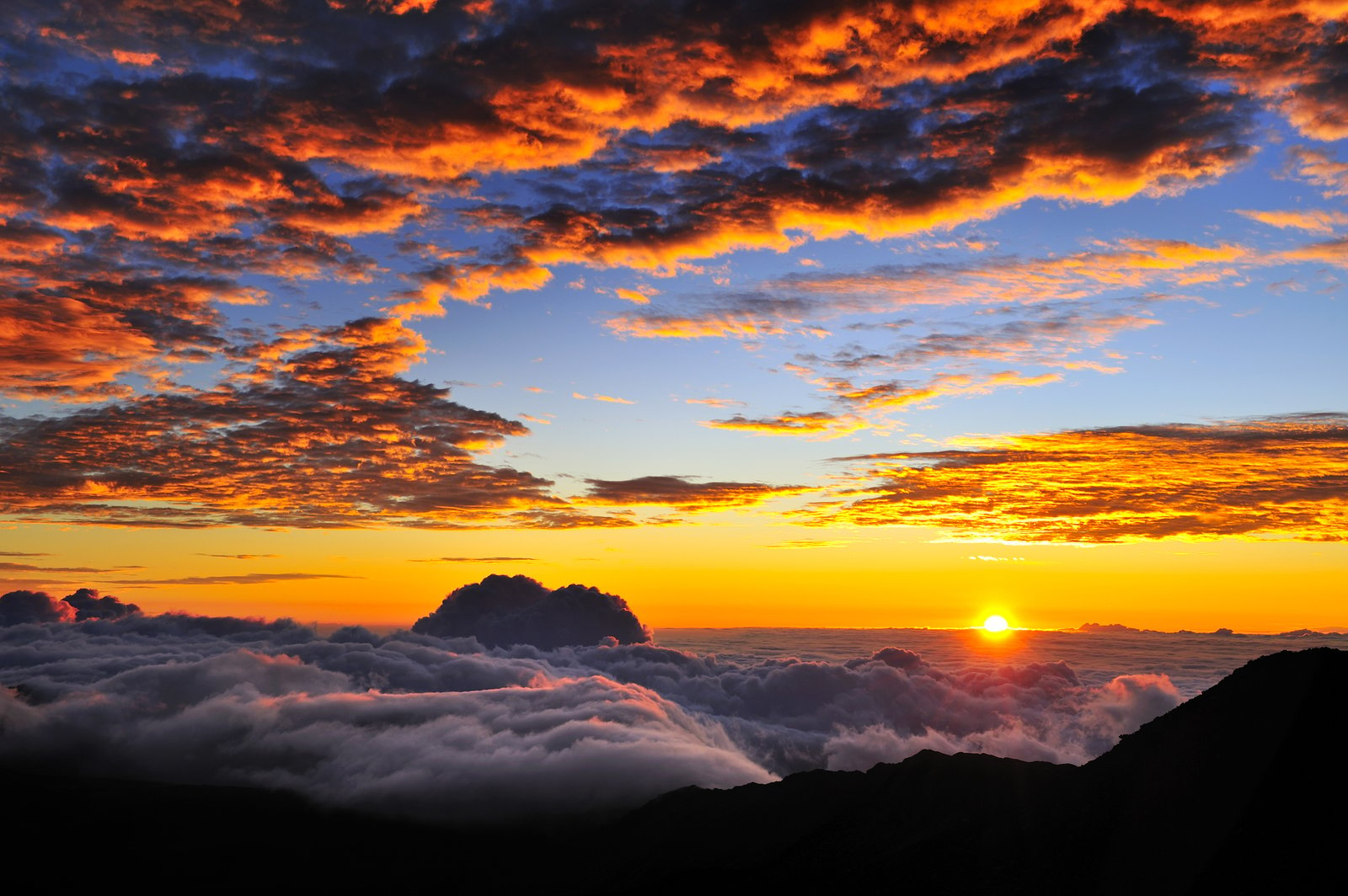


Haleakalā Sunrise & Summit Tours on Maui
Pick the right way up the volcano
Haleakalā's summit sits at 10,023 feet, and watching the sun break the horizon from above the clouds is one of the signature experiences on Maui. It also means a 3 a.m. alarm, a two-hour drive up a switchback road in the dark, near-freezing temperatures at the top, and — if you're in your own car — a National Park reservation you have to win online weeks ahead. A guided tour or a downhill bike trip hands every one of those problems to someone else.
There are three ways to do the sunrise: a guided van tour (someone else drives, breakfast is included, all the park fees are handled), a downhill bike tour (a van takes you up, then you coast down a long mountain route), or your own rental car with a sunrise reservation. Visiting at midday or sunset skips the reservation entirely. Below is a side-by-side comparison of each, the 2026 operators we'd book, and exactly how the sunrise reservation works.
Sunrise reservation required (3 a.m.–7 a.m.)
Every private vehicle entering the summit between 3 a.m. and 7 a.m. needs a sunrise reservation booked through Recreation.gov. It costs $1 per vehicle and is separate from the $30-per-vehicle park entrance fee (good for three days). Reservations open 60 days ahead at 7 a.m. HST, with a second batch released 2 days (48 hours) ahead at 7 a.m. HST — and the first batch often sells out within fifteen minutes. Guided van and bike tours include this reservation; you only book it yourself if you're driving. Full walkthrough in our Haleakalā sunrise reservation guide.
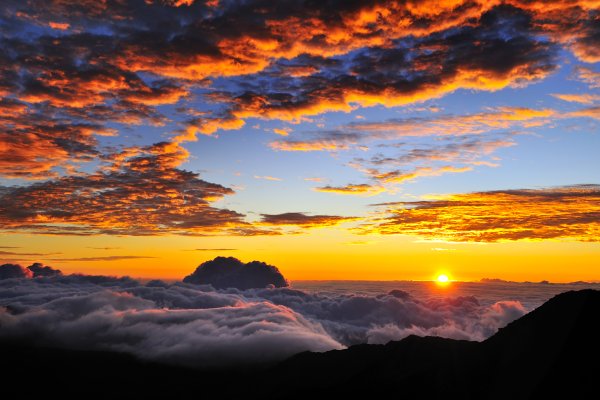
Sunrise above the clouds at Haleakalā's summit
About these tours
Whether you ride up in a van, coast down on a bike, or drive your own car, you end up at the same 10,000-foot summit for the same sunrise. The difference is who handles the 3 a.m. drive, the cold, the park reservation, and breakfast — and whether the trip down the mountain is the main event. Side-by-side comparison and the 2026 operator shortlist are below.
Tour Types Compared: Which One Is Right for You?
Four ways to do Haleakalā at sunrise (or skip the alarm and go later). Each trades off price, comfort, effort, and how much of the day it eats. Pick the row that matches how you actually like to travel.
| Tour type | Price | Group size | What's included | Best for |
|---|---|---|---|---|
| Guided van / coach sunrise | Check current rates | 12–24 guests | Hotel pickup (2:00–3:30 a.m.), warm jacket, full breakfast, park entrance + sunrise reservation, certified guide | No-car travelers, first-timers, and anyone who'd rather not drive a dark mountain road tired. |
| Downhill bike (sunrise) | Check current rates | Small van group | Van up to the summit, sunrise, then a guided or self-guided downhill route with an escort van, bike + safety gear | Active travelers 15 and up (a common operator minimum for Haleakalā bike tours). |
| Self-drive + reservation | ~$31 per vehicle | Your car | $30 park entrance (3 days) + $1 sunrise reservation. Driving, breakfast, and the 3 a.m. wake-up are on you | Photographers and early risers who can win the reservation and don't mind the dark drive. |
| Daytime / sunset visit | $30 per vehicle | Your car | Park entrance only — no sunrise reservation needed outside the 3–7 a.m. window | Anyone who'd rather skip the alarm. Sunset and midday at the summit are nearly as stunning. |
Featured Haleakalā Tours
Recommended operators for each tier below. Skyline Hawaii runs the guided-van sunrise tours (breakfast, jackets, and all fees included). Bike Maui and Mountain Riders handle the downhill bike trips. If you'd rather drive yourself, our sunrise reservation guide walks you through booking the $1 permit.
Best Haleakalā Tour Operators 2026
The 2026 lineup we'd recommend, by tour type. Confirm current rates at booking — Haleakalā operators run frequent shoulder-season specials, and advance pricing is usually cheaper.
| Operator | Tour type | Price | Why pick this one |
|---|---|---|---|
| Skyline Hawaii | Guided van | Check current rate | Hotel pickup at 2:00–3:00 a.m., warm jacket and sit-down breakfast included, roughly a 10-hour day. Check current Maui tour availability directly before booking. |
| Haleakalā EcoTours | Guided van | Check current rate | Small-group, naturalist-led road tours with time in Upcountry Maui on the way. |
| Bike Maui | Downhill bike | Check current rate | Long-running Maui bike-tour operator; its sister company Haleakalā EcoTours is a park road-tour concessioner. Sunrise, morning, and budget "express" options. Minimum age 15. |
| Mountain Riders | Downhill bike | Check current rate | More than 30 years running Haleakalā sunrise downhill tours — van to the summit, sunrise, then a guided coast down with an escort vehicle. |
Want to compare guided sunrise options side by side? Check each operator's current pickup zone, cancellation policy, and included breakfast before booking.