
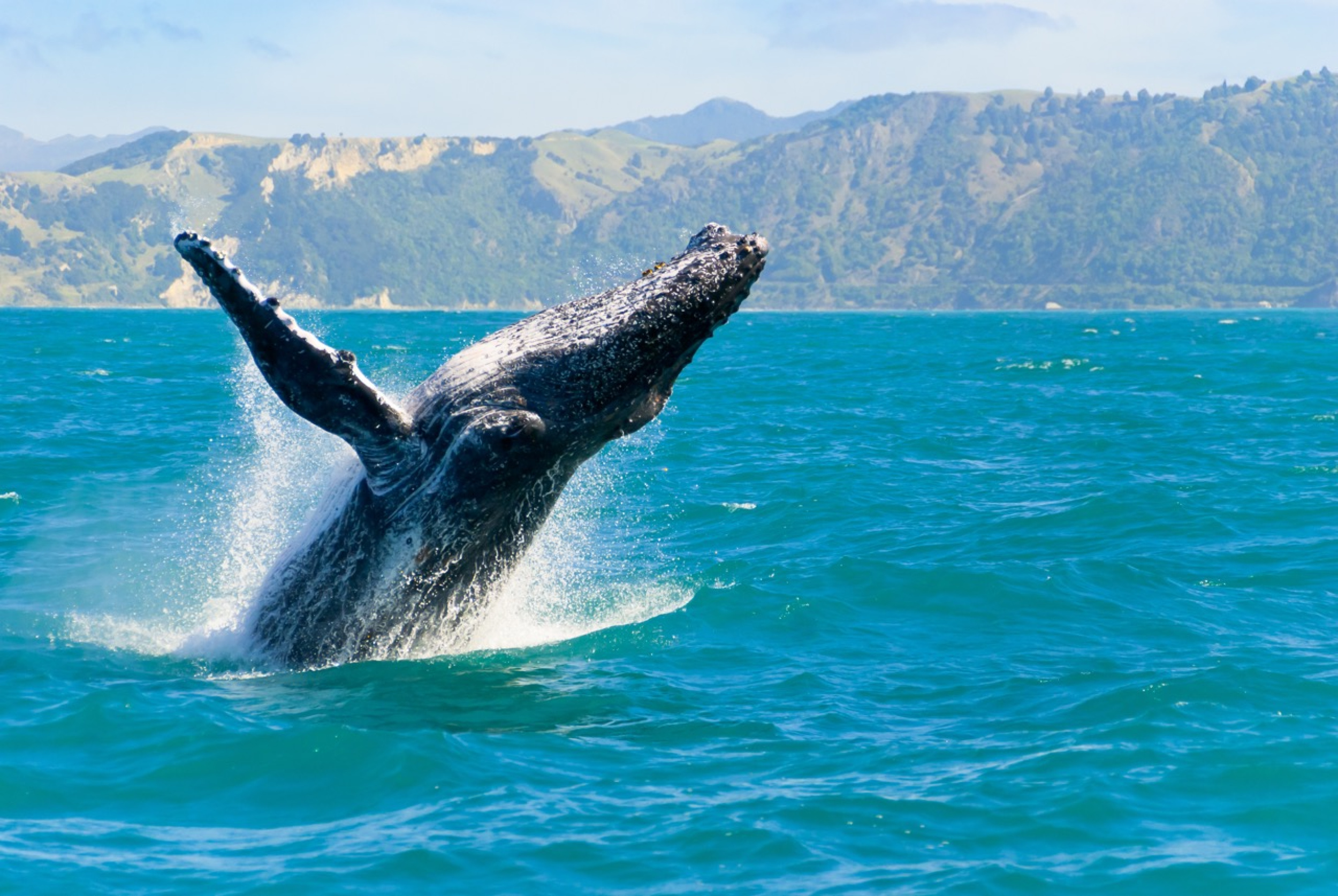

Oahu Whale Watching Tours
Oahu whale watching tours don't get the same top billing as Maui, and that is exactly why they need a clearer plan. Maui tends to steal the whale-watch conversation because the ʻAuʻau Channel between Maui, Lānaʻi, and Molokaʻi is a well-known calving nursery. Oahu works differently: most visitor-friendly whale-watch inventory runs from the Honolulu and Waikiki side, with winter boats using the south shore as a practical half-day trip that fits around Pearl Harbor, Waikiki, or an airport-day schedule.
Humpback season in Hawaiʻi runs from November through May, with the most dependable activity from January through March, according to NOAA's Hawaiian Islands Humpback Whale National Marine Sanctuary boating guide. If your trip is outside that window, use our Hawaiʻi whale season tracker before booking a dedicated whale boat. From June through October, shift the budget toward Turtle Canyon snorkeling, a sunset sail, or a broader Oahu marine-life tour.
One rule anchors everything: a responsible boat never chases a whale for a closer photo. Federal regulations prohibit approaching within 100 yards of a humpback whale in Hawaiʻi, and NOAA's marine-life viewing guidelines apply to boats, kayaks, paddleboards, and other watercraft. Pick the tour that respects that distance, gives you enough time on the water, and leaves room in your itinerary for weather or rough-sea changes.
Fast pick
For most winter visitors staying in Waikiki, book a morning whale-watch sail or powerboat from Kewalo Basin, Waikiki, or nearby Honolulu harbors. You get the best mix of easy transportation, calmer early conditions, and enough time left for the rest of the day.
Choosing Your Departure Time and Boat
Best time of day: morning. Oahu's south shore can be manageable later in the day, but many operators recommend early departures because the trade winds often build through the afternoon, which can mean a bumpier ride for anyone prone to seasickness. If the operator offers a whale-watch sunset hybrid, treat the sunset as the guaranteed part and whales as the seasonal bonus.
Shoulder-season caveat: November, December, April, and May can still produce good trips, but sightings are less consistent than the January–March peak. Check the current tracker before paying for a whale-specific cruise in a shoulder month.
Where Oahu Whale Tours Depart
Waikiki and Honolulu: the easiest choice for visitors without a car. Boats commonly stage from Waikiki-area beaches, Kewalo Basin, or nearby Honolulu harbors, so the logistics are straightforward if you are staying in Waikiki, Ala Moana, downtown Honolulu, or Kakaʻako.
Ko Olina and West Oahu: a better fit if you are already staying on the leeward side. The tradeoff is drive time from Waikiki. If you are not staying west, compare the total commute against simply taking a Waikiki-side boat and saving the rental-car day for the North Shore or Windward Coast.
How to Choose the Boat
- Small powerboat: faster, more exposed, and more likely to feel rough in chop. Good for active travelers who care more about time on the whale grounds than amenities.
- Catamaran or sailing cruise: steadier feel, more space, and easier for families or mixed-age groups. Sightlines can be excellent, but the boat may cover less ground.
- Sunset whale-watch hybrid: useful if you want a scenic cruise either way. The whale encounter is not guaranteed, but the evening sail still has value.
What You Might See
On a good winter day, watch for spouts first; they are easier to spot than bodies. After that, you may see tail slaps, pectoral fin slaps, spyhops, or full breaches. Hawaiʻi's warm, shallow waters are the primary breeding, calving, and nursing grounds for the North Pacific humpback population, per the sanctuary's viewing guide, so patient watching matters more than a captain racing from splash to splash. Bring binoculars if you have them, and let the crew call the direction rather than staring only through a phone.
Rules and Expectations
Every whale-watch listing should respect the legal distance rule: vessels must remain at least 100 yards from humpbacks in Hawaiʻi. If a whale surfaces close to the boat, the crew should slow, hold course, or follow their safety protocol rather than trying to reposition aggressively. The best operators treat a close pass as something the whale initiated, not something the boat forced.
No whale-watch boat can guarantee a breach, a calf, or a close encounter. Choose by season, departure time, boat comfort, and cancellation policy. If whale season is currently quiet, use the whale season tracker and consider a broader ocean activity instead.
Featured Oahu Tours
Our Top Choices on Oahu
We partner with FareHarbor to surface whale-watch inventory that fits this page. Use the operator screen for live availability, inclusions, cancellation rules, and the current season schedule before you book.

Published by: John C. Derrick
Founder & certified Hawai'i travel expert with 20+ years in Hawai'i tourism, University of South Carolina climate-research training, and NOAA weather-station experience.