


Choose the Wildlife Experience First
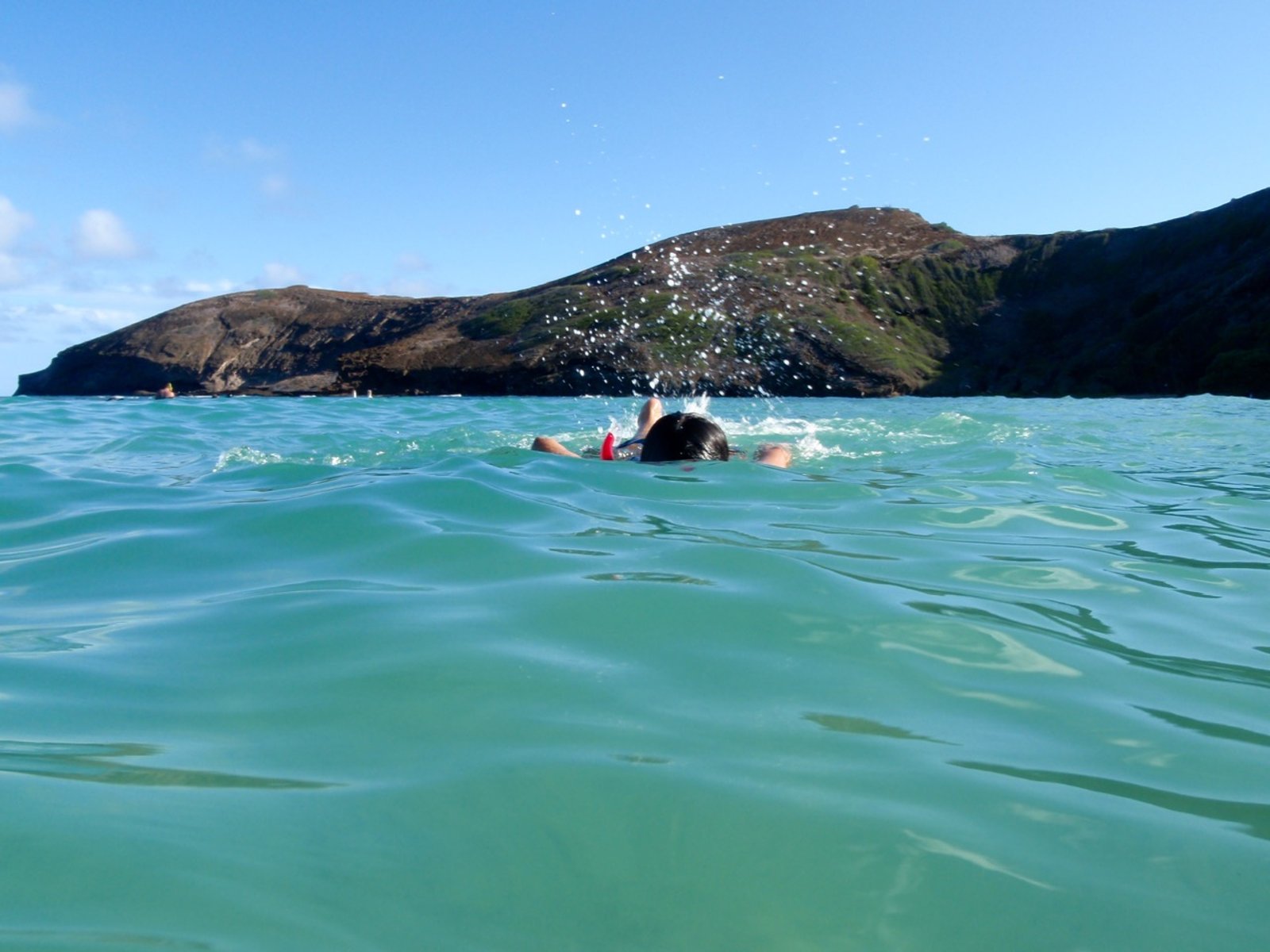
I sort these trips into five common types: turtle snorkeling, boat-based dolphin viewing, North Shore shark trips, winter whale watching, and dry undersea rides. They are different tools for different days. Pick the animal or experience you want first, then check water confidence and logistics.
This page is the island-level decision guide. The detail lives on the pages for Oʻahu snorkeling tours and Turtle Canyon. Separate guides cover whale watching and Oʻahu shark tours.
1. Turtle Snorkeling Near Waikīkī
For a first guided wildlife snorkel from Waikīkī, I would start with Turtle Canyon. It keeps the day close to town instead of turning it into a long drive. Trips typically include snorkeling equipment and a safety briefing, but you still need to be comfortable entering the ocean and climbing back aboard. Check the exact vessel before booking.
Do not treat a turtle sighting as permission to close the gap. NOAA's Hawaiʻi wildlife-viewing guidance recommends staying at least 10 feet from sea turtles on land and in the water. A responsible crew explains that distance before anyone gets in.
2. Dolphin Viewing From a Boat
A dolphin tour should be sold as watching, not chasing or swimming with Hawaiian spinner dolphins. Federal rules prohibit swimming with, approaching, or remaining within 50 yards of spinner dolphins within 2 nautical miles of shore of the main Hawaiian Islands, plus designated waters. Read NOAA's spinner dolphin rule before comparing listings.
Some dolphin-viewing boats add a separate reef-snorkel stop. That can make for a good combined outing, but the dolphin portion remains view-only. Our Hawaiʻi dolphin-watching guide explains the distinction in more detail.
3. North Shore Shark Trips
Oʻahu's shark trips include cage dives and open-ocean swims. A cage gives the group a physical barrier. An open-ocean swim demands more comfort in deep water and close attention to the operator's briefing. Neither format belongs on a day when someone is being pressured into the water.
Many dedicated shark trips leave from Haleʻiwa on the North Shore, so the activity changes the shape of the day if you are staying in Waikīkī. Pair it with a North Shore plan rather than bouncing back across the island. Compare the formats in our Oʻahu shark tour guide.
4. Winter Whale Watching
A whale watch is a seasonal boat trip, not a year-round wildlife fallback. Use the Hawaiʻi whale season tracker first, then compare the departure point and vessel details. Read cancellation terms before you book in our Oʻahu whale-watching guide.
A boat can reach whale habitat in season, but it cannot promise behavior. Boats must stay at least 100 yards from humpback whales in Hawaiʻi under Hawaiʻi whale-boating rules. If current activity is quiet, choose a different outing.
5. Stay-Dry Undersea Viewing
A Waikīkī submarine tour solves a different problem: it gets non-swimmers below the surface without asking them to snorkel. It is a reef-viewing ride, not a guarantee of any particular animal. Passengers still need to manage the vessel's boarding requirements.
For a shore-based alternative, the Waikīkī Aquarium works when ocean conditions or a nervous swimmer rule out a boat day. Check current access details if mobility is a concern.
Match the Tour to Your Group
Start with Turtle Canyon and ask about flotation, ladders, and crew support.
Choose a boat-based dolphin watch that states the 50-yard rule clearly.
Choose a cage or open-ocean shark format based on water confidence.
Choose a submarine ride or the Waikīkī Aquarium.
Booking and Conditions Check
- Book early in the trip. A spare day gives you room to rebook after a weather or sea-state cancellation.
- Read the boarding details. Ask how guests board and what support the actual boat provides. A generic accessibility label is thin ice.
- Check the ocean that morning. Use the Hawaii Guide Ocean Report and the National Weather Service surf forecast. Read the operator's same-day messages and cancellation terms; conditions and decisions vary by vessel.
- Do not force the drive. If a North Shore departure requires a car, compare rentals through Discount Hawaii Car Rental and build the rest of that day on the same side of the island.
Compare Oʻahu nature and wildlife tours on Viator after choosing the format that fits your group. Confirm the exact boat, launch point, and what your fare includes. Read the cancellation policy before paying.
Related planning: Oʻahu snorkeling tours · Turtle Canyon snorkel · Oʻahu whale watching · Oʻahu submarine tours · Oʻahu kayaking tours