

 Been here? Tap to stamp
Diamond Head State Monument: Plan the Visit
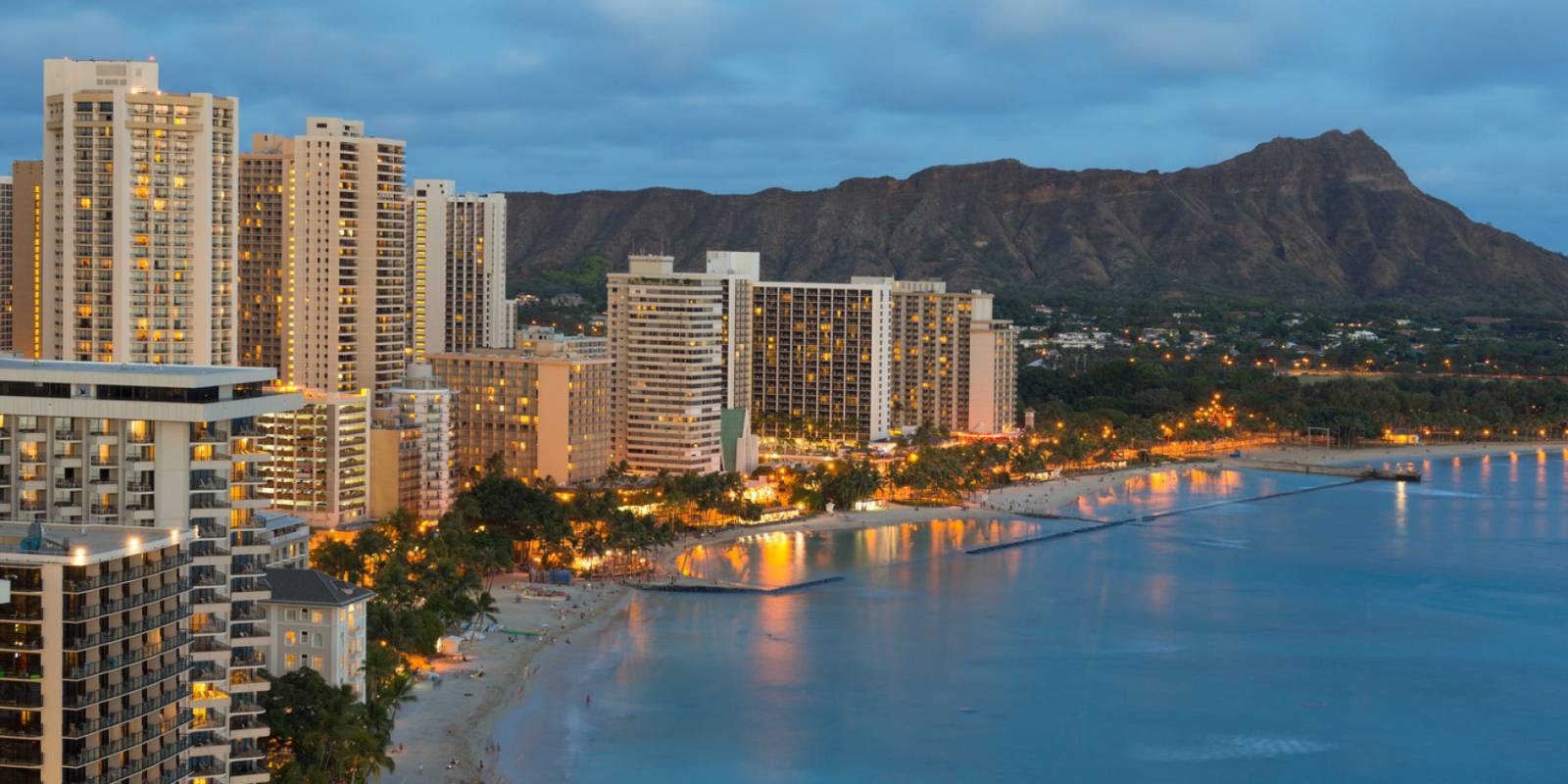
Diamond Head State Monument sits just east of Waikiki and is one of Oahu's easiest landmark visits to underestimate. The hike is short, but non-residents need the right reservation, the crater is hot and exposed, and parking inside the monument is limited. Treat it like a timed visit, not a casual drop-in.
Diamond Head State Monument — Quick Facts
- Reservations: Entry and parking reservations are required for non-residents through the Hawaii State Parks reservation system.
- Fees: Non-resident entry and parking fees apply through the reservation system; Hawaii residents enter and park free with valid Hawaii ID.
- Hours: 6:00 a.m. to 6:00 p.m. daily; DLNR lists last entry at 4:30 p.m. for the 4:00 p.m. reservation, and gates close at 6:00 p.m. Closed Christmas Day and New Year's Day.
- The hike: 1.6 miles round trip with about 560 feet of elevation gain. Expect sun exposure, stairs, a tunnel, and 1.5–2 hours for most visits.
- Best timing: Reserve an early morning slot if you can. Midday is hotter, and the crater offers little shade once you leave the trailhead area.
- No-car option: From Waikiki, rideshare, trolley, bus, or walking can be simpler than reserving and finding crater parking.
Choose the Right Diamond Head Plan
| Your situation | Best plan | Why it works |
|---|---|---|
| Staying in Waikiki without a car | Book entry only and use rideshare, trolley, bus, or walk from the east end of Waikiki. | You avoid the parking fee and the tight crater lot. |
| Driving with kids or limited mobility | Reserve parking with entry and arrive near the start of your slot. | The tunnel entrance is inside the crater, and parking keeps the approach short. |
| Trying for the coolest hike | Choose the earliest available morning reservation. | The trail is exposed, so heat matters more than mileage. |
| Only want the view, not a climb | Use the coastal road and lookout areas instead, or pair Diamond Head with the East Oahu coastal route. | You can see the crater profile without committing to the summit trail. |
| Need detailed trail expectations | Read the Diamond Head hiking trail guide before booking. | The hike page covers stairs, tunnel, footing, difficulty, and summit views in more detail. |
First-Visit Plan
- Book first. Non-residents should reserve entry, and reserve parking too if driving, through the official Hawaii State Parks system.
- Pick your arrival mode. From Waikiki, no-car entry often works well; if driving, do not assume crater parking will be flexible outside your reservation.
- Start earlier rather than later. The hike is short but exposed, and the crater heats up quickly after morning.
- Bring water before you start. Restrooms and visitor services are near the trailhead, not along the exposed climb.
- Pair it intelligently. After the hike, continue to Waikiki, Kapiolani Park, or the East Oahu coastal drive instead of trying to make Diamond Head a full-day stop.
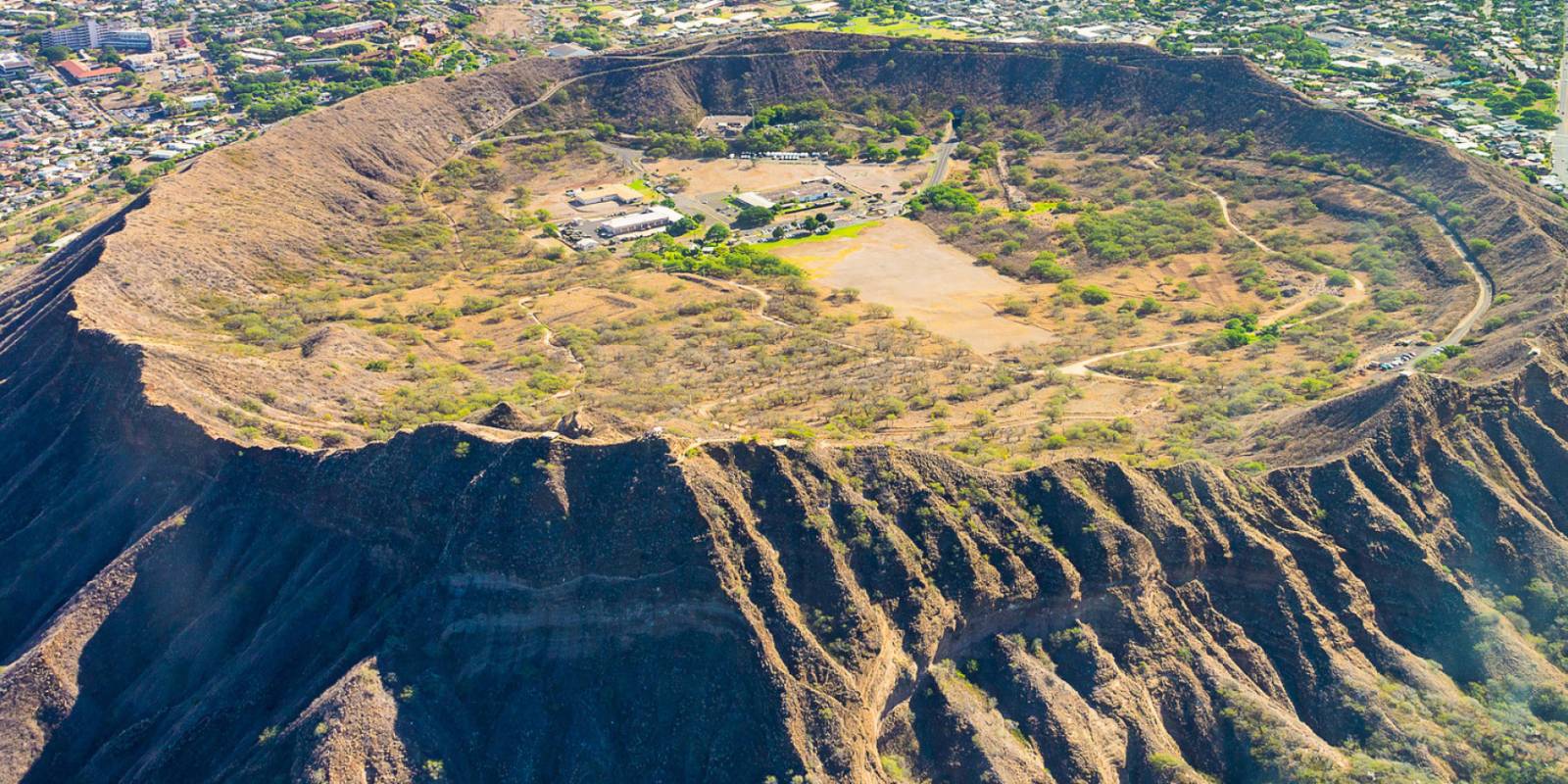
The area has been shaped by a dynamic geological history. The creation of the island of Oahu began about 2.5 to 4 million years ago with volcanic eruptions from 2 shield volcanoes, and the Ko’olau and Wai’anae Mountain ranges are the eroded remnants. The area was inactive for 1.3 million years and then the southeastern end of the Ko’olau range erupted, resulting in the formation of rock called tuff cones such as Diamond Head.
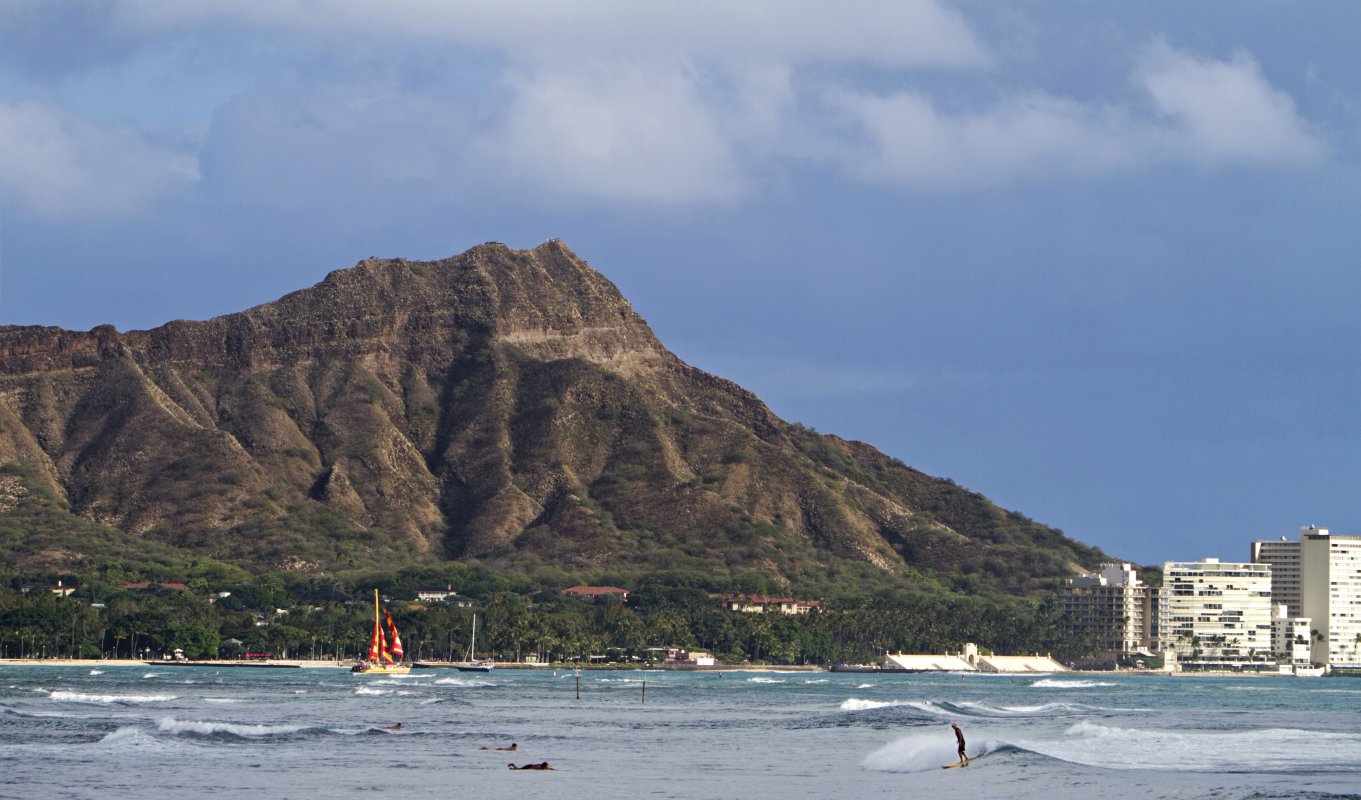
Known to Hawaiian people as Le’ahi, its name is derived from the words lae meaning ‘forehead’ and ahi ‘tuna’, as the ridgeline is said to resemble a forehead of a tuna. British sailors gave it its more widely-known name by mistaking quartz crystals in the rock for diamonds. It is believed that Le’ahi was formed about 300,000 years ago during that brief, single eruption. Since the eruption that formed it, the slopes of the crater have been eroded and weathered by rain, wind, and ocean waves.

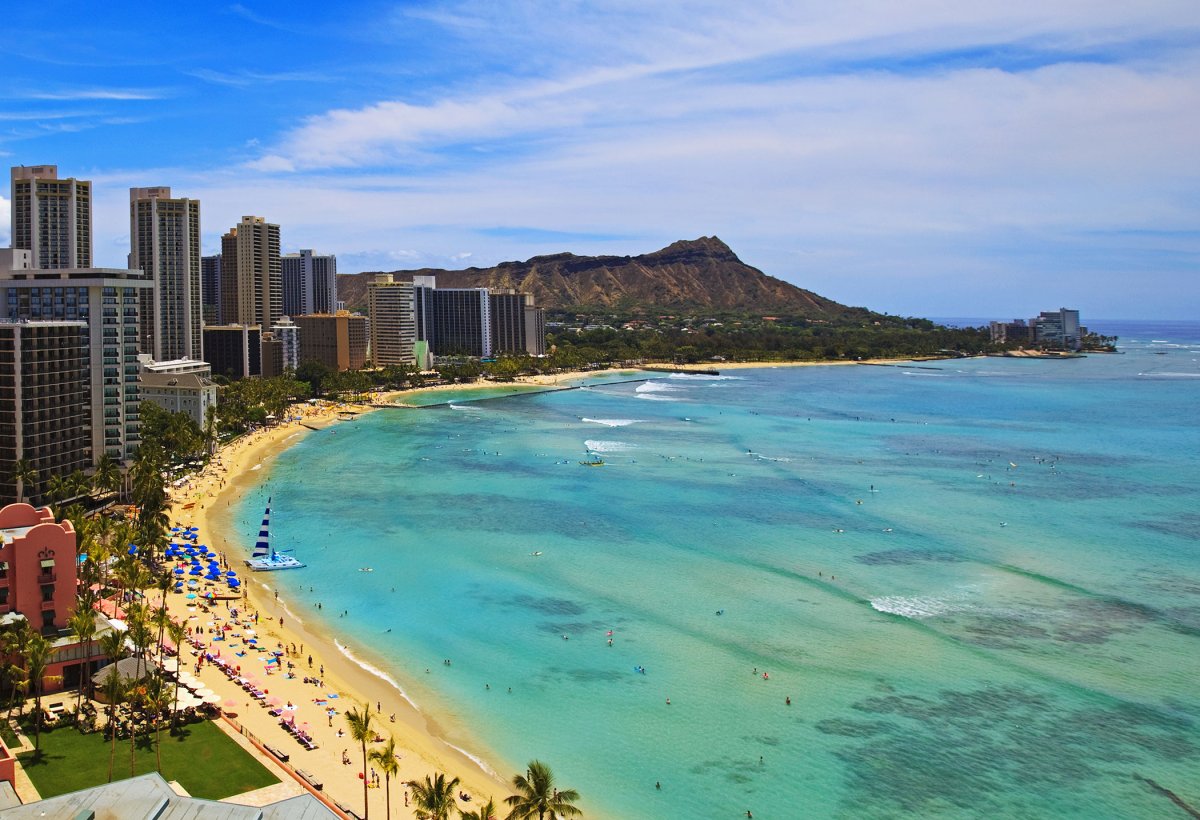
Diamond Head Crater is a must see and do while on Oahu
Diamond Head Fees and Reservations
Non-Hawaii residents need advance entry reservations for Diamond Head State Monument. If you plan to park inside the crater, reserve parking with your entry. If you arrive on foot, by rideshare, by trolley, or by bus, book entry only.
- Non-resident entry: Fee required through the reservation system
- Non-resident parking: Parking fee required when reserving a vehicle slot
- Hawaii residents: Free entry and parking with valid Hawaii ID or Hawaii driver's license
- Children 3 and under: Free
Use the official Hawaii State Parks Diamond Head reservation page for current availability, entry-only tickets, parking-and-entry tickets, and the active time slots for your visit date.
The reservation system shows the valid entry windows for your ticket type. The key practical rule is simple: arrive near the start of your reserved time and plan to be out of the park before the 6:00 p.m. gate closure.



Historically, the summit has always been used for navigation: another translation of Le’ahi is ‘fire headland’, which refers to navigational fires that were lit to guide canoes traveling along the shoreline in ancient times. The heiau (Hawaiian temple) built on the summit was dedicated to the god of wind as protection against updrafts that could put out the fires. Little evidence of the heiau exists today, but structures from more recent defense strategies still stand.
Diamond Head was selected as a fortification because the crater walls are a natural defense from the summit, and ships can be seen from Koko Head to Pearl Harbor. From Fort Ruger to the Fire Control Station, Diamond Head is dotted with bunkers that were built to defend Oahu from attack leading up to WWI and WWII. Fortification began in 1908 with the construction of gun placements and an entry tunnel through the north wall of the crater known as the Kapahulu Tunnel. The Fire Control Station was built sometime between 1908-1910 and its purpose was to view potential sea and air attacks.
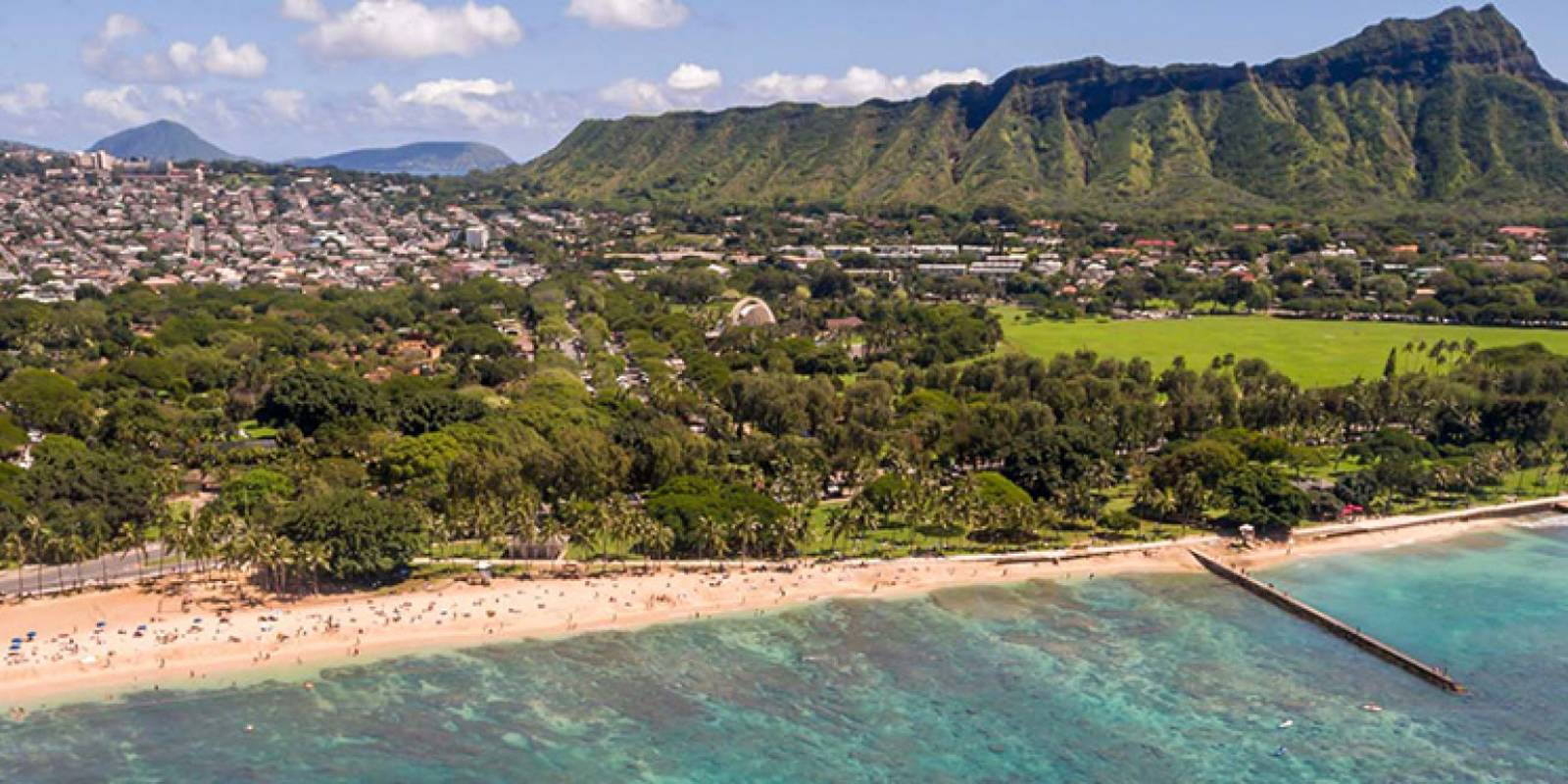
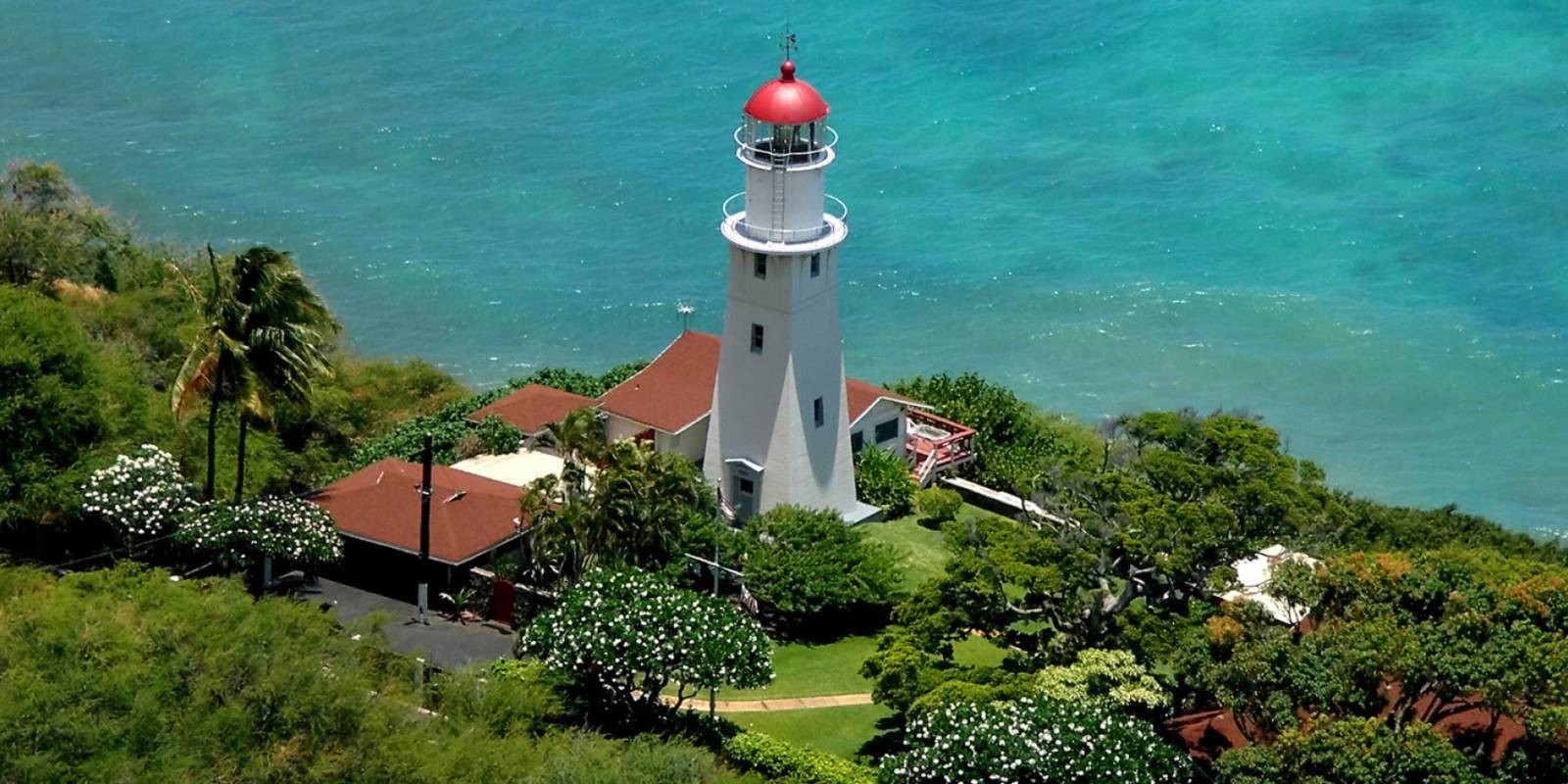
Le’ahi is a place that offers respite from the busy highways of Honolulu. The drive around Diamond Head is quite picturesque, as it winds around the crater by the ocean. The Diamond Head Lighthouse can also be seen from the road. Once you enter through the tunnel that bores into the side of the crater, it feels like a world away from the city. There is a lovely patch of shady trees and green grass to rest and picnic at the start of the trailhead.
The monument is a very popular tourist attraction, offering informative signs, bathrooms, and a shave ice and smoothie truck during opening hours.

Trails leading to the top of Diamond Head State Monument
Once you leave the shade of the trees near the parking lot, the Diamond Head Hiking Trail is a very exposed and dry area. The semi-arid climate and steep rocky slopes as well as shallow soil support only low shrubs and herbs. In the rainy season, the crater floor will transform into a wetland due to the low permeability of the tuff soils. Most plants in the area are introduced, including the abundant koa haole, which was brought in as cattle feed in the 1800’s. It is ideal to hike the trail early in the morning (between 6-8 am) to avoid the inevitable scorch of the sun and the flood of tourists that frequent the area every day.
From the trailhead to the summit of Diamond Head Crater, it is 0.8miles (1.3km) one way and it is a 560 foot (171m) climb from the crater floor. Allow 1.5 to 2 hours for a safe and leisurely round-trip hike. The trail follows an uneven and, at times, steep terrain and appropriate footwear is required. The hike begins as a concrete pathway then becomes a dirt path about halfway. Initially, the well-paved trail winds its way through spindly haole koa forest until the base of a set of switchbacks where you can begin to see views of the crater.
At the top of the first tunnel, you can follow a steep set of stairs into the base of the Fire Control Station and then up the spiral staircase to the top. Alternatively, you can follow the path to the left and up a slightly more gradually inclining staircase to the top where there are fabulous views of Hawaii Kai towards Makapu’u. Then follow another stairway to end up at the same final destination as the other route, with extensive views of Waikiki, Honolulu, and surrounding neighborhoods.
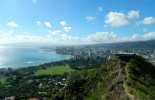
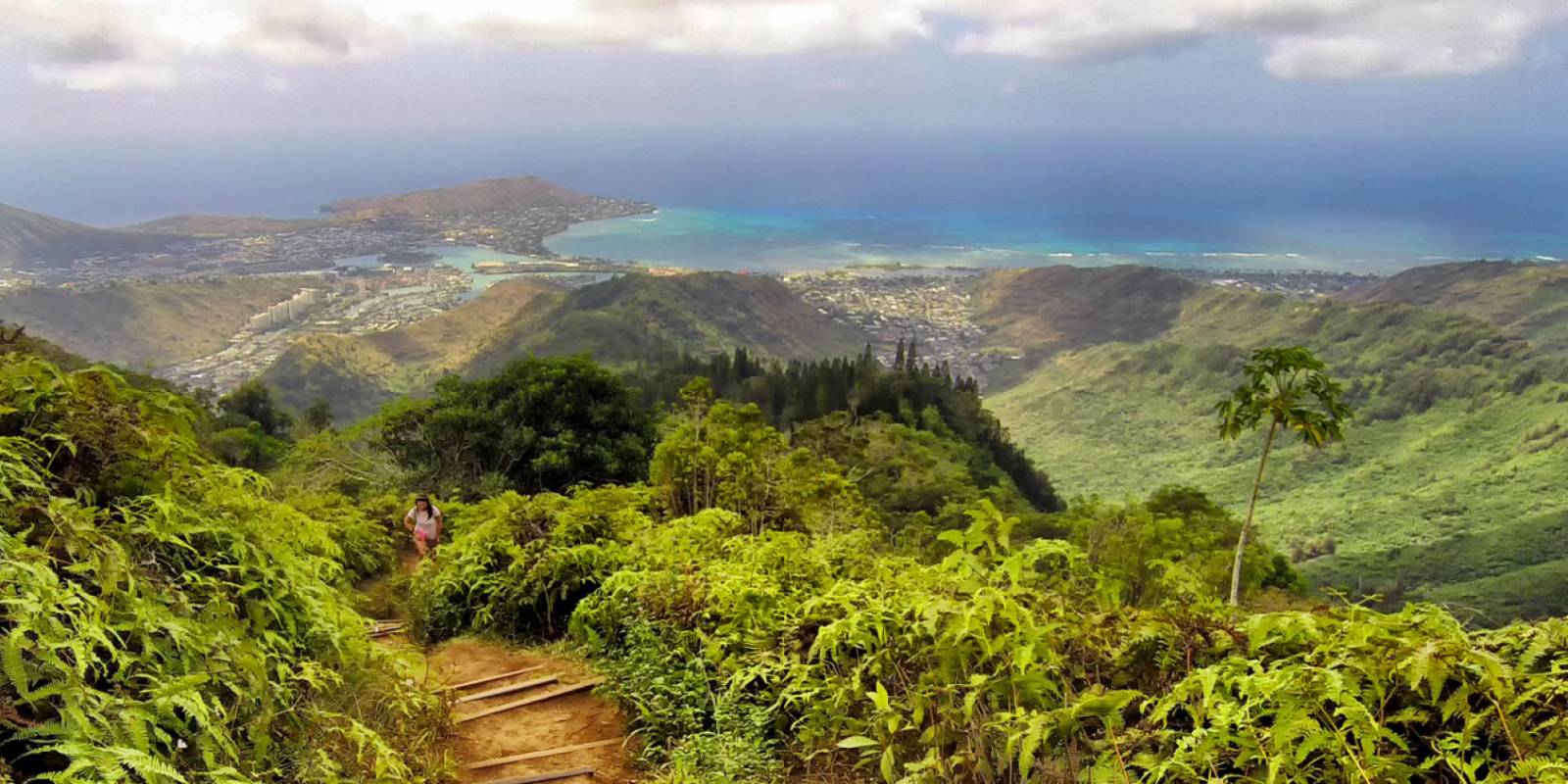
The summit offers stunning panoramic views of Oahu’s southeastern coastline towards Koko Head and, on very clear days, the distant islands beyond Oahu.
Directions to Diamond Head
Exit Waikiki and travel to Diamond Head (east) on Kalakaua Avenue. As you cross Kapahulu Avenue continue straight, then take the left fork, which is Monsarrat Avenue. Continue straight until it becomes Diamond Head Road. The access road to Diamond Head crater will be on your right, just across from Kapiolani Community College.
Diamond Head FAQ
Do you need a reservation for Diamond Head State Monument?
Non-Hawaii residents need an advance reservation for Diamond Head State Monument. Book through the Hawaii State Parks reservation system before you go.
How much does Diamond Head cost?
Non-Hawaii residents pay entry and parking fees through the state reservation system. Hawaii residents enter and park free with valid Hawaii ID, and children 3 and under are free.
What are Diamond Head's hours?
Diamond Head State Monument is normally open from 6:00 AM to 6:00 PM. DLNR lists last entry at 4:30 PM for the 4:00 PM reservation, and the gates close at 6:00 PM. The monument is closed on Christmas Day and New Year's Day.
Is Diamond Head better by car or without a car from Waikiki?
If you are staying in Waikiki, rideshare, bus, trolley, or walking can be easier than parking inside the crater. Driving works best when you reserve parking with your entry and arrive early in your time slot.

Follow the trail to the summit of Diamond Head Crater
Our Oahu Tour Recommendations
Oahu is the perfect place for a Hawaiian vacation. Whether you're an adrenaline junkie looking for a thrill, a history buff eager learn more, a yogi or yogini yearning to deepen your practice, or simply want to sit back and enjoy the view on a guided tour, these Oahu adventures are sure to please.