

 Been here? Tap to stamp
Puʻukoholā Heiau: Big Island Sacred Sights
Kohala Sights
Perched atop a hill overlooking the ocean on Hawaiʻi’s Big Island, Puʻukoholā Heiau stands as a powerful testament to Hawaiian history, culture, and the legacy of King Kamehameha the Great. This sacred temple built between 1790 and 1791, played a crucial role in Kamehameha’s quest to unite the Hawaiian Islands. Today, it is preserved as a National Historic Site, offering visitors a glimpse into Hawaiʻi’s rich past.
How to Get to Puʻukoholā Heiau
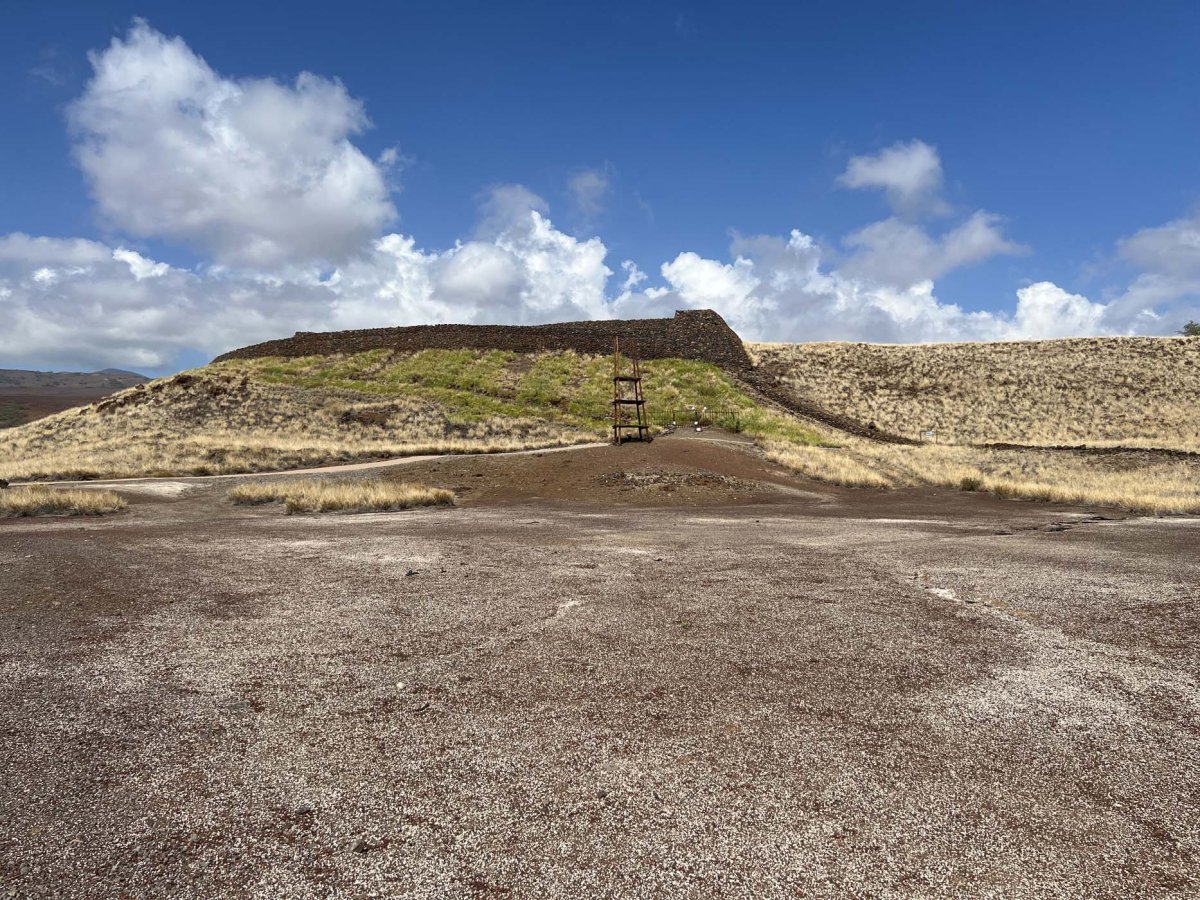
If you’re traveling north on Highway 19, keep an eye out as you approach the junction with Highway 270. Look makai (toward the ocean), and you’ll see the imposing stone structure atop a hill. To reach the site, turn left onto Highway 270 and continue past the two-mile marker, where you'll find the entrance.
Puʻukoholā Heiau National Historic Site and its visitor services are normally open daily from 8:30 a.m. to 4:30 p.m. The visitor-center parking lot is open 8:30 a.m. to 4 p.m. Check the National Park Service’s current conditions before traveling.

The Legend Behind Puʻukoholā Heiau
Puʻukoholā, meaning “Whale Hill,” is more than just a temple—it represents a pivotal moment in Hawaiian history. Before Kamehameha achieved his dream of uniting the islands, he faced fierce resistance, particularly from his cousin, Keōua Kūʻahuʻula, who controlled parts of the Big Island.
According to tradition, Kamehameha sent his aunt to consult the prophet Kapoukahi, who advised him to build a heiau dedicated to his family’s war god, Kūkāʻilimoku, on Puʻukoholā. Kamehameha organized the temple’s construction in 1790–91. Oral tradition recounts workers passing water-worn lava rocks hand-to-hand from Pololū Valley.
The temple was completed in 1791. At its dedication, Kamehameha’s rival Keōua Kūʻahuʻula was killed, although NPS notes that accounts differ about the events. Unification followed years of warfare and negotiation: in 1810, Kauaʻi’s ruler acknowledged Kamehameha’s authority, completing the consolidation of the islands into the Kingdom of Hawaiʻi.
Exploring Puʻukoholā Heiau Today
1. Puʻukoholā Heiau: The Main Structure
The temple itself is impressive: 224 feet long, 100 feet wide, and 16-20 feet high. Due to preservation efforts, visitors cannot walk directly on the heiau, but they can get within about 100 yards by following a steep path from the visitor center.
2. Hale o Kapuni Heiau: The Submerged Shark Temple
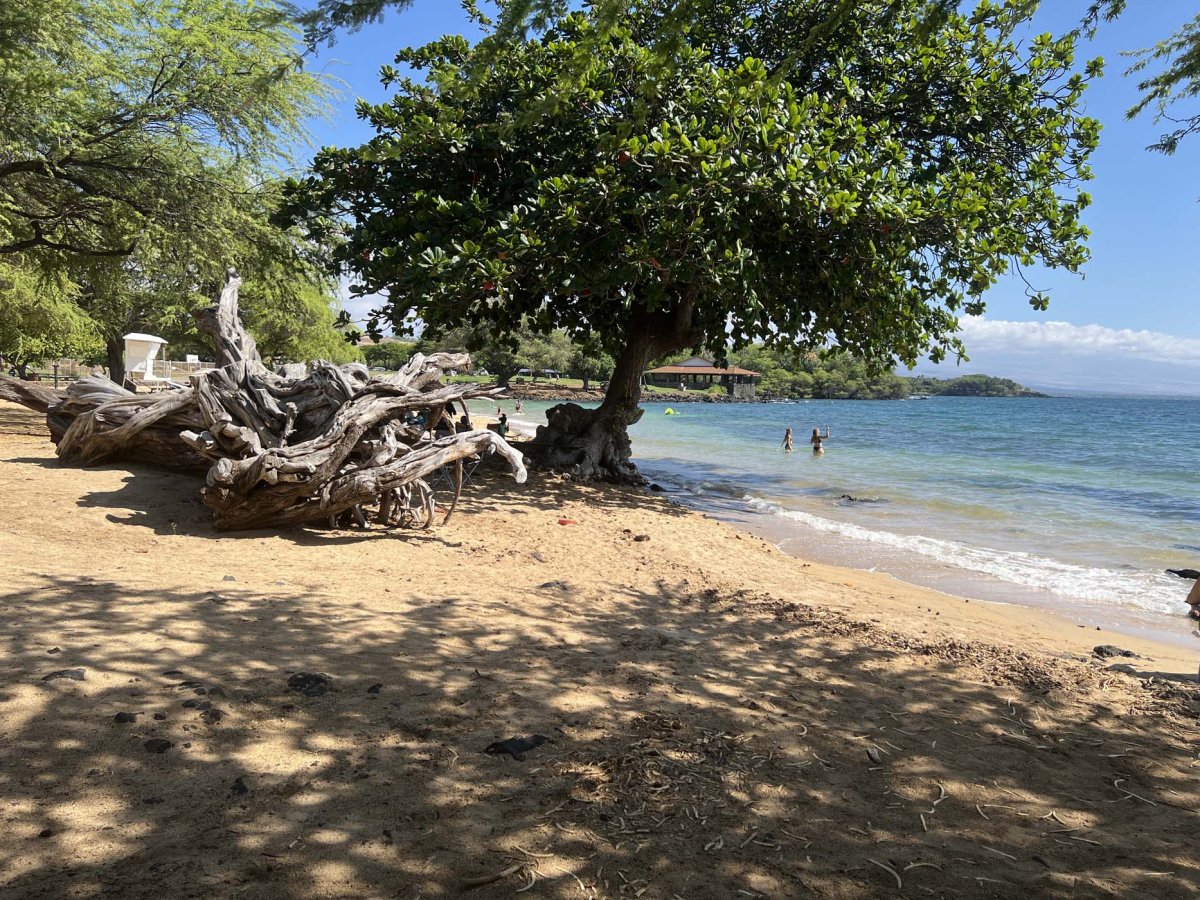
The site's lesser-known but equally fascinating feature is Hale o Kapuni Heiau, a temple dedicated to the shark god. Over time, it became submerged beneath the ocean, and if you look closely from the shoreline, you may spot its remains just below the water’s surface.
3. Scenic Views from Spencer Park
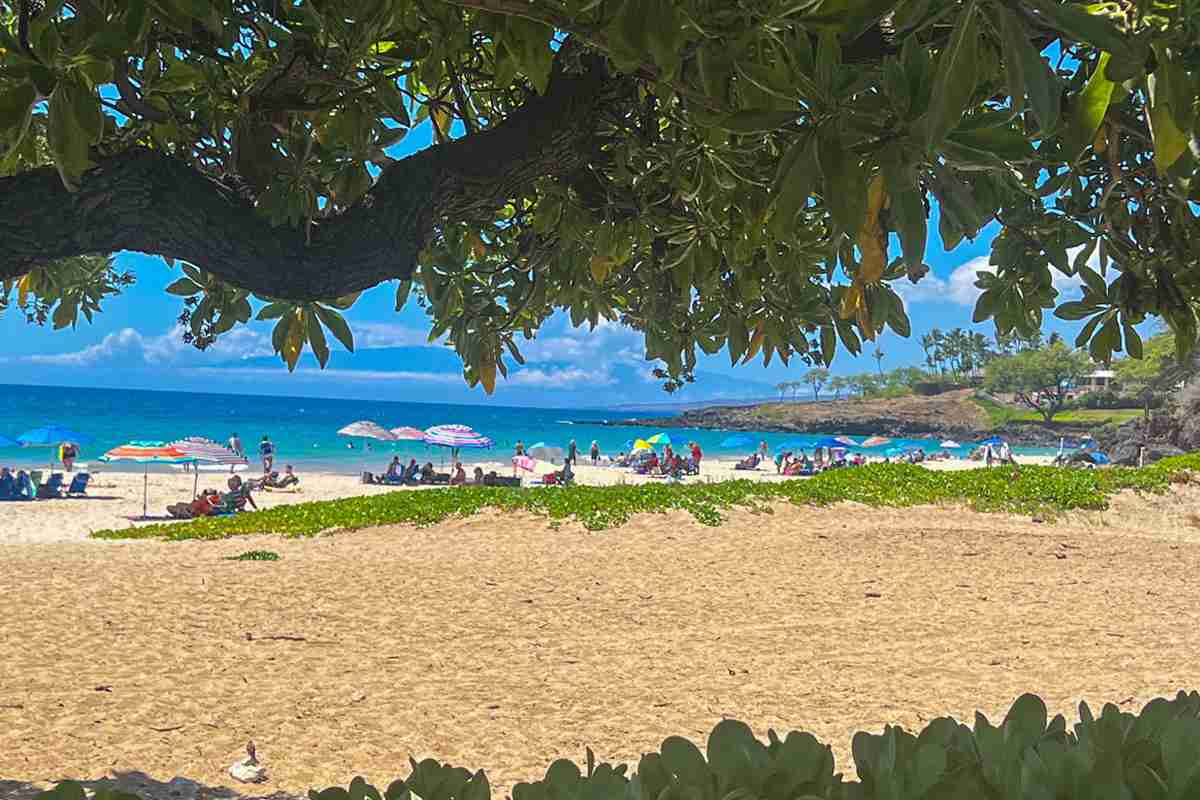
If you want an alternative perspective, continue past the heiau toward Samuel M. Spencer Park, where you can take in stunning coastal views of the site. This area provides a more accessible walking path for those who prefer an easier route.
Puʻukoholā Heiau Photos


Why Visit Puʻukoholā Heiau?
- Experience Hawaiian History: Few places offer such a direct connection to King Kamehameha’s rise to power.
- Cultural Significance: The site remains sacred to Native Hawaiians and provides insight into ancient religious practices.
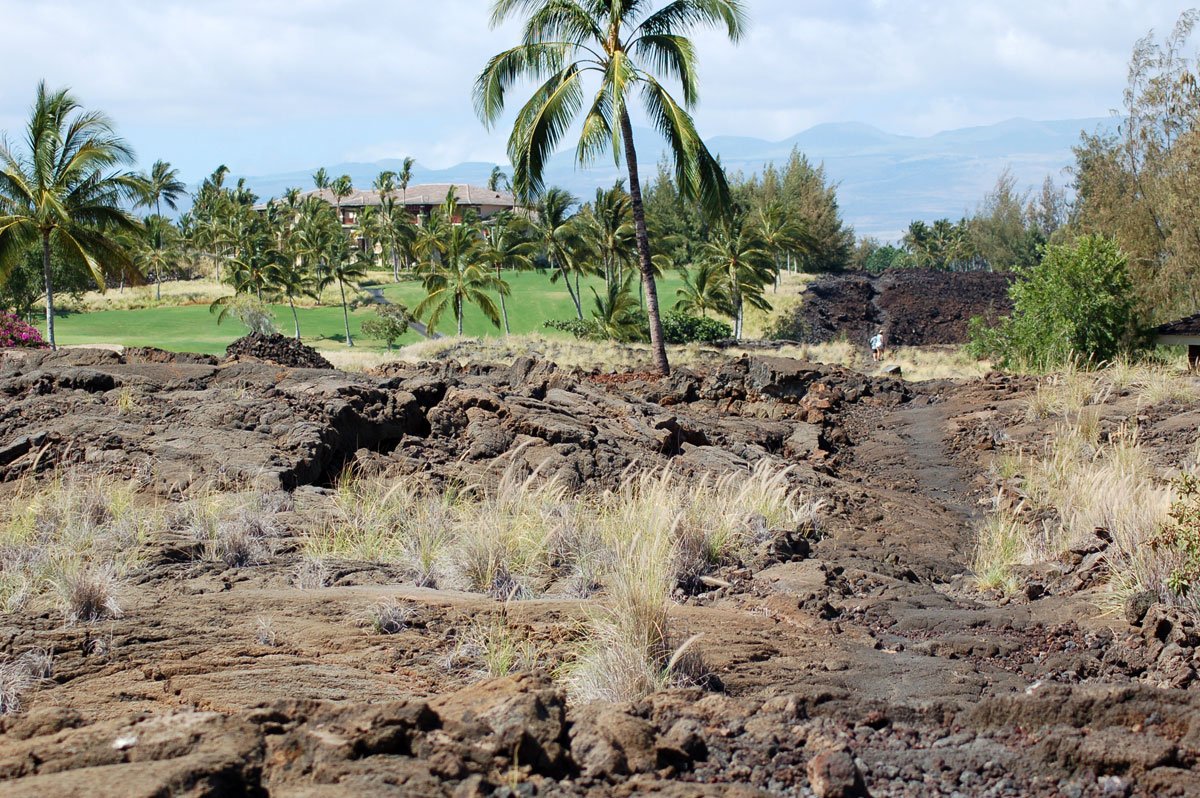
- Natural Beauty: The ocean views, lava rock formations, and surrounding landscape make it a breathtaking place to explore.
Tips for Visiting
- Respect the Sacred Site: Avoid touching or disturbing the stones, as this is an important cultural and religious location.
- Plan a Morning Visit: The park opens at 8:30 a.m. Check the current NPS notices before setting out, and return to your vehicle before the visitor-center parking lot closes at 4 p.m.
- Look for Wildlife: From the shoreline, you may spot Hawaiian green sea turtles or even humpback whales (in season).
Puʻukoholā Heiau is more than just an archaeological wonder—it is a place where history, legend, and spirituality come together. Whether you’re a history enthusiast, a cultural explorer, or simply looking for a scenic stop on your Big Island adventure, this sacred site is a must-visit.

You get ocean views as you walk up to the Puʻukoholā Heiau.