

Aloha, we’re John & Tori—your guides to all things Big Island!
The Best Things to Do on the Big Island
The Big Island covers 4,028 square miles — more than all the other Hawaiian islands combined. That footprint creates something no other island can match: tropical rainforest on the Hilo side, arid lava desert along the Kohala Coast, snow on the peaks above 13,000 feet, and active lava flows rewriting the shoreline in real time.
That range directly shapes what you can do here. Watch an active volcano reshape the landscape at Hawaiʻi Volcanoes National Park. Swim alongside giant manta rays off the Kona Coast after dark. Stargaze near 14,000 feet on Mauna Kea, where the air is so thin and dry that thirteen international observatories set up on the summit. No other Hawaiian island offers that spectrum in a single trip.
Below you'll find our picks — the activities that consistently deliver, the operators we trust, and the pricing you need to plan your trip. For a focused guide to lava viewing options, see our Top Volcano Tours on the Big Island.
We've spent a lot of time on the Big Island — it's the one island big enough to feel like several. Out of everything here, these are the days we'd tell a friend not to miss: the volcano, the mountain, the coast, and the one cultural night everyone should do.
-
Bucket list
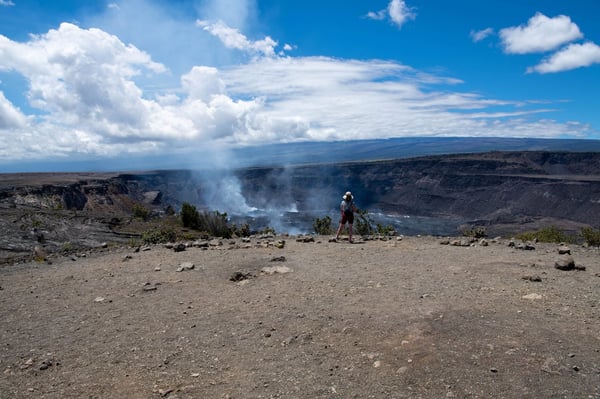
1 Stand at Hawaiʻi Volcanoes
This is Pele's home — Kīlauea, one of the most active volcanoes on earth, inside a national park you can drive into. When it's erupting, the glow at night is unforgettable; even quiet, the steaming crater, lava tube, and miles of hardened flows are like nowhere else. Check the park's current eruption and closure status before you go.
-
Bucket list
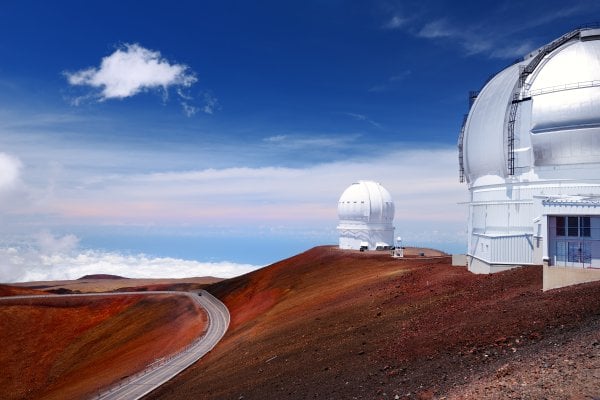
2 Reach for Mauna Kea
At nearly 13,800 feet, Mauna Kea is the highest point in Hawaiʻi and one of the best stargazing sites on the planet — and a deeply sacred place to Native Hawaiians. The road above the Visitor Information Station needs 4WD and is off-limits to most rental cars; many visitors simply stargaze from the VIS. Go slow, dress warm, and tread respectfully.
-
Snorkelers
3 Dive with manta rays
The Big Island's signature ocean experience is the manta ray night dive or snorkel off the Kona coast — floating above lights while giant rays loop overhead to feed. By day, Kealakekua Bay and Two Step are some of the clearest snorkeling in Hawaiʻi.
-
Quick & easy
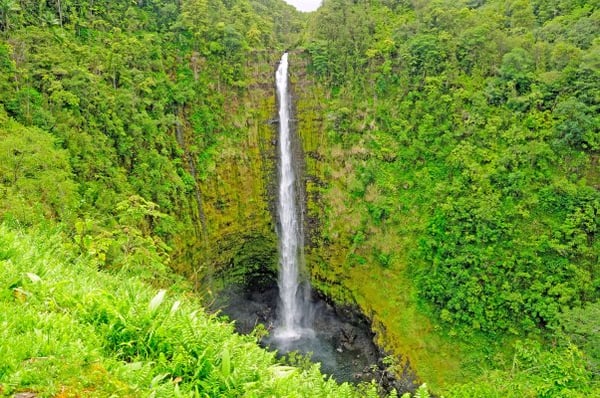
4 Walk to ʻAkaka Falls
A 442-foot waterfall reached by a short paved loop through bamboo and ginger on the lush Hilo side. Maximum payoff for minimum effort — one of the easiest great stops on the island.
-
Beach day
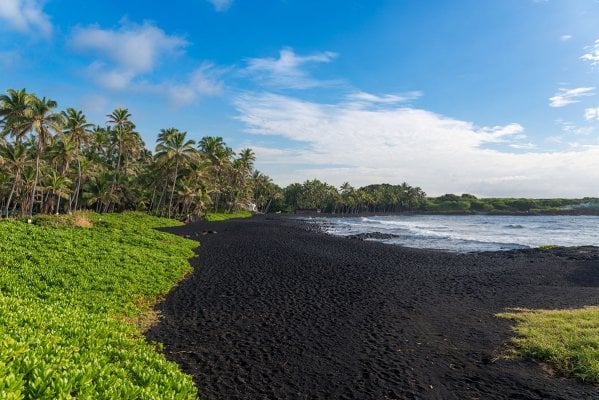
5 See Punaluʻu black sand
A jet-black beach of lava sand backed by palms on the southeast coast, where green sea turtles often haul out to bask. Look, photograph, and keep your distance — the honu are protected and the swimming here is for strong swimmers only.
-
Beach day
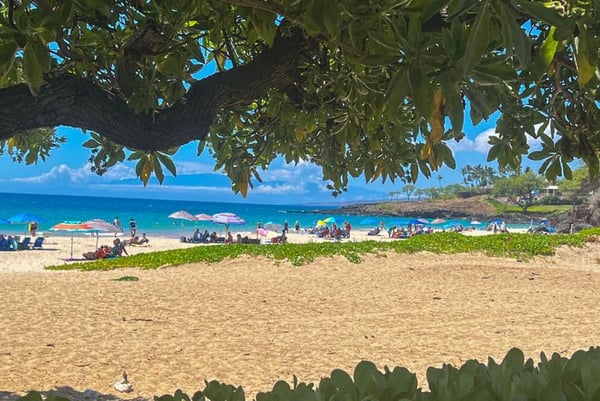
6 Spread out at Hapuna
The Big Island's best white-sand beach — a wide, sweeping stretch of it on the sunny Kohala coast, with easy swimming most of the year. Get there early on weekends; locals love it too.
-
Big views
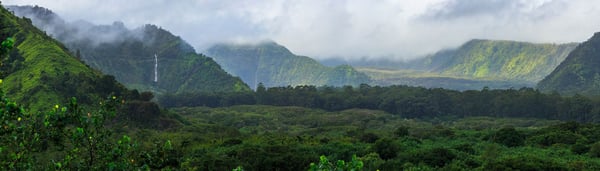
7 Look over Waipiʻo Valley
The Valley of the Kings — a mile-wide amphitheater of cliffs, taro patches, and a black-sand beach, sacred in Hawaiian history. The overlook is the easy way to take it in; the road down is brutally steep and access has been restricted, so enjoy it from the top.
-
For hikers
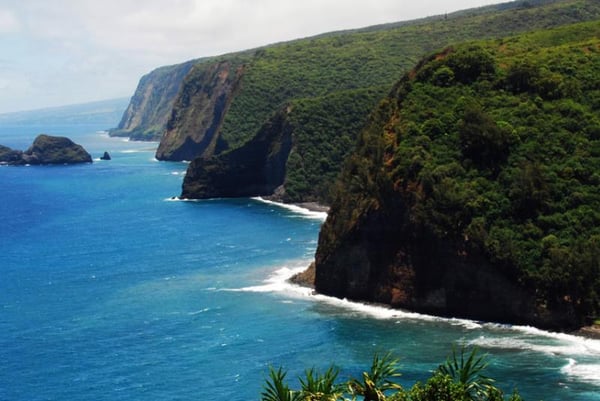
8 Hike into Pololū
At the north end of the Kohala coast, the Pololū overlook gives you one of the island's great views; a steep 20-minute trail drops to a wild black-sand beach. Watch your footing and the surf.
-
Active
9 Find the green sand beach
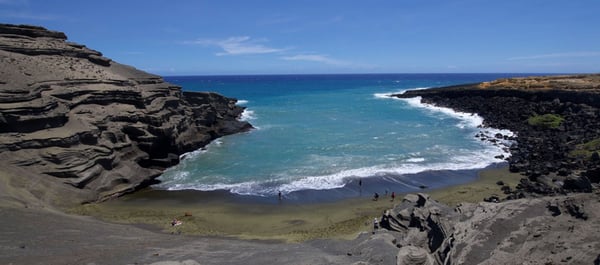
Papakōlea is one of only a handful of green-sand beaches on earth — the color comes from olivine crystals in an old cinder cone near Ka Lae, the southernmost point in the fifty states It's a hot, exposed walk of more than two miles each way; bring water and sun cover.
-
Quick stop
10 Catch Rainbow Falls
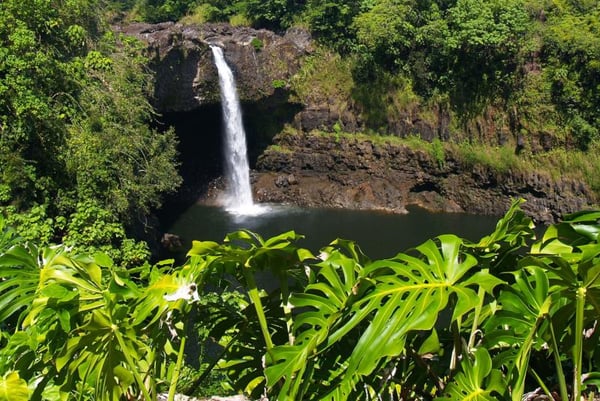
Right in Hilo, a broad waterfall that throws rainbows across its mist on sunny mornings — a five-minute stop from the parking lot. Go early for the rainbow and the light.
-
Foodies
11 Tour a Kona coffee farm
The Kona coffee belt on the island's western slopes is one of Hawaii's signature agricultural regions. A farm tour and tasting is a genuinely good morning — you'll never look at a cup the same way.
-
Evening out
12 Spend a night at a luau
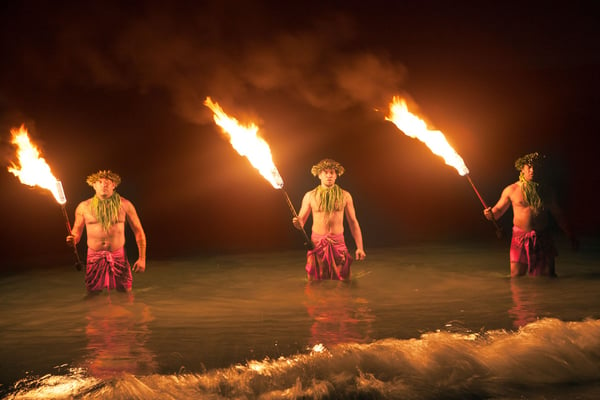
If you do one cultural evening on the Big Island, make it a luau — imu-roasted food, hula, and fire-knife under the stars. Book ahead; the best ones sell out in peak season.
-
Splurge
13 See it by helicopter
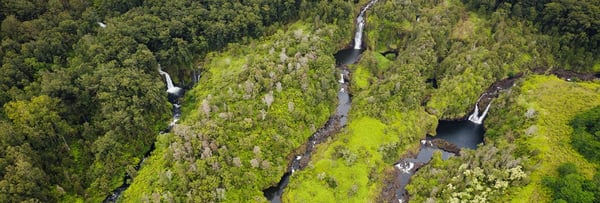
The Big Island is so big and so roadless that a helicopter is the best way to grasp it — active lava when there's an eruption, the Kohala valleys and waterfalls, and miles of flows you can't reach any other way.

Hidden Gems & Local Favorites on the Big Island
The 13 above are the names everyone arrives knowing. The Big Island is big enough — bigger than all the other islands combined — that the best stops are often the ones a long drive away from the resort. The southernmost point in the country, the bay where Captain Cook died, the coast town where a king was born. A few involve entry fees or advance planning, but all of them are why people come back.
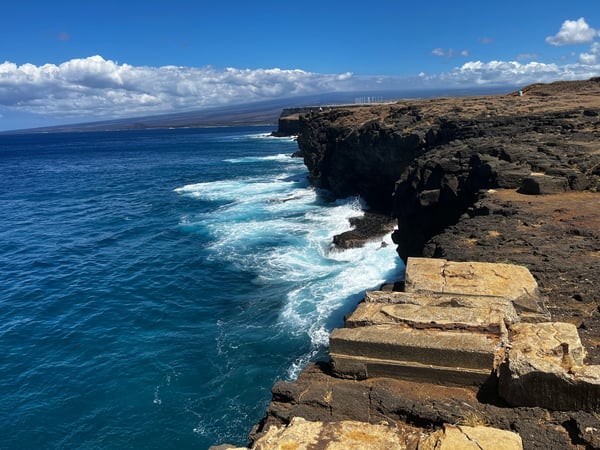
South Point (Ka Lae)
Drive to the bottom of the island, past a wind farm and miles of pasture bent flat by the trade winds, and you reach the southernmost point in the fifty states. You may see people leap from the cliff platform into deep blue water here, but the current that runs past Ka Lae is serious and there’s no easy way back up if you misjudge it. Most visitors should come for the sheer end-of-the-earth feeling — and because the green sand beach hike starts just up the road.
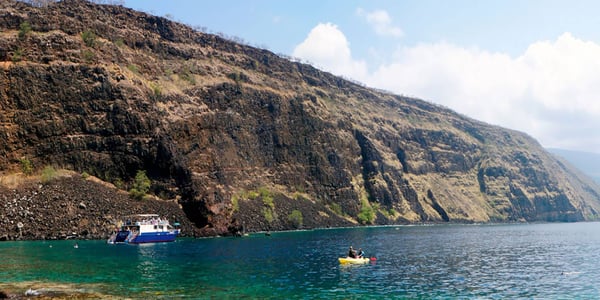
Kealakekua Bay
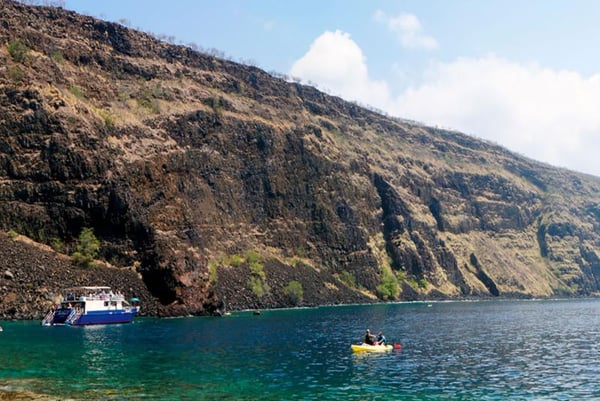
A marine life conservation district on the Kona coast with some of the clearest water and best snorkeling on the island. The white obelisk across the bay marks where Captain Cook was killed in 1779, and you can only reach that side by kayak, boat tour, or a steep hike down. The reef holds spinner dolphins, big schools of fish, and coral in good shape because the bay is protected.
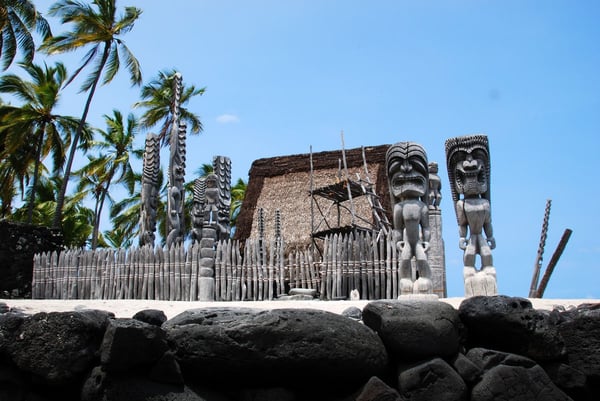
Puʻuhonua o Hōnaunau
The Place of Refuge, where a Hawaiian who broke kapu could be absolved if they reached the sanctuary. It’s a National Historical Park now — the great stone wall, the carved kiʻi standing guard, fishponds, and palm-shaded grounds where green sea turtles haul out on the rocks. One of the most powerful cultural sites in the islands, and an easy, flat visit.
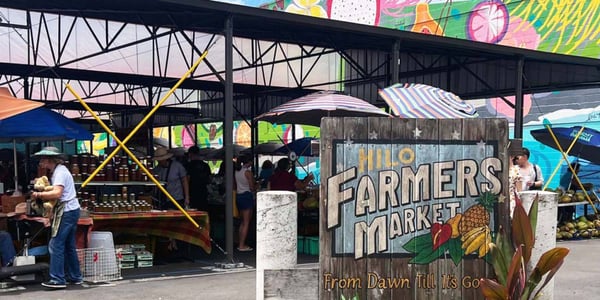
Hilo Farmers Market
The open-air market in the heart of downtown Hilo, biggest on its main market days, when the tables fill with tropical fruit you’ve never heard of, cut flowers by the armload, and plate lunch from a dozen vendors. It’s the easiest way to taste the rainy, lush, agricultural side of the island in one stop.
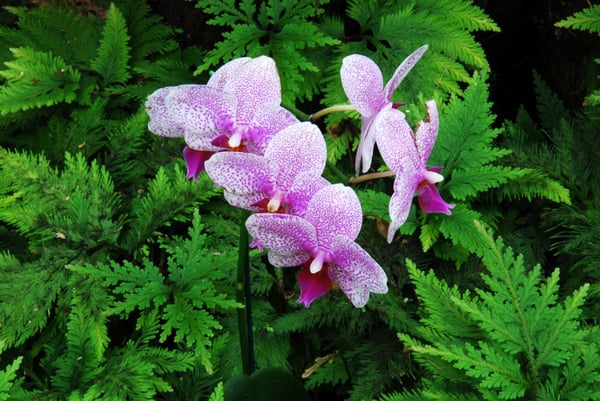
Hawaiʻi Tropical Botanical Garden
Off the old scenic drive north of Hilo, a rainforest valley drops down to Onomea Bay, and a boardwalk winds through it past towering palms, orchids, and a waterfall to the sea. It’s the Hāmākua coast at its greenest — the wet, jungly Big Island that the Kona side never shows you.
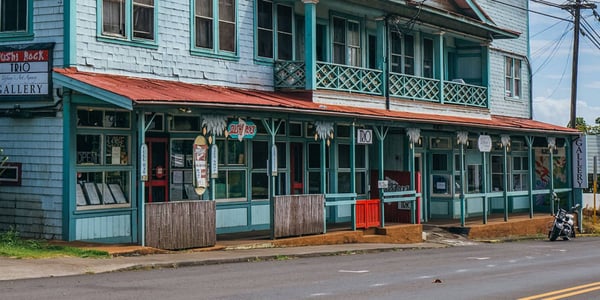
Hāwī & North Kohala
Up at the island’s northern tip, the old plantation town of Hāwī has turned its storefronts into galleries and good little restaurants. This is Kamehameha’s home country — the original cast of the King Kamehameha statue stands just up the road in Kapaʻau — and the road keeps going until it ends at the Pololū Valley overlook.
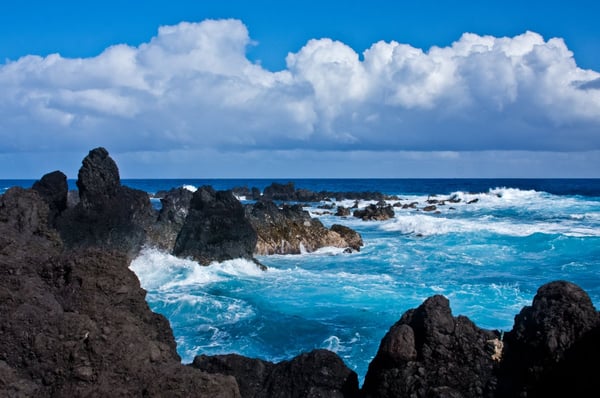
Laupāhoehoe Point
A black-rock peninsula on the Hāmākua coast where the surf hammers the shore and the cliffs frame the view. It’s also a place of memory: a 1946 tsunami devastated Laupāhoehoe, and the memorial at the point honors those who were lost.
Big Island Activity Guide
13 categories · tap any card to explore
Volcano Tours
From $30/vehicle#1 Must-DoManta Ray Night Dives
$125–$200Big Island OnlyHelicopter Tours
$250–$500Aerial Lava ViewsStargazing
$200–$300Mauna Kea SummitWater Activities
$25–$180Snorkel · Kayak · SUPWhale Watching
$40–$120Nov–May SeasonHiking
Free–$200150+ Miles of TrailsCoffee Farm Tours
Free–$55World-Famous KonaGolf Courses
Varies by courseKohala · Kona · VolcanoZiplining
$225–$275Waterfall CanopyWaterfall Adventures
Free–$250Hilo/Hamakua SideHorseback Riding
$100–$200Paniolo CountryDeep Sea Fishing
$150–$800+Kona Game CapitalOur Top Big Island Activities
Big Island of Hawaii Experiences
Hawaii’s Big Island is not only big in size, but also in diversity. Explore snowy mountaintops, lush jungles, windswept grasslands, picturesque beaches, and even lava fields- without ever leaving the island. And because we don’t want you to miss a thing, we’re spotlighting the very best Big Island Tours and Activities here.
If you’ve chosen Big Island, you’ve chosen to visit the epitome of paradise. Soar over cliffs and valleys, discover waterfalls, and sample some of the most delicious bounty Mother Nature has to offer. Plus, you can even walk on land that is younger than you are- isn’t that amazing! Tropical splendor, rich history, and big adventure combine perfectly to give you the best Hawaiian vacation imaginable. See what makes Big Island so special:

Water Activities
The Big Island's long coastline supports very different ocean days. The leeward Kona side generally offers the island's broadest mix of snorkeling and diving trips. Kealakekua Bay is reached by boat or a steep trail, so choose the access plan before setting the rest of the day.
On the Kohala Coast, outfitters run everything from stand-up paddleboard tours to sunset catamaran sails. The Hilo side is rougher and rainier, but that's where the waterfall kayak tours operate — paddling into hidden bays and under cascading falls that the Kona side simply doesn't have.
Live rates vary by vessel, duration, group size, and whether gear or transportation is included. Compare the complete trip details in the Big Island snorkeling guide before choosing a boat or kayak tour.

Volcanoes
Hawaiʻi Volcanoes National Park is the island's must-do. Two active volcanoes — Kīlauea and Mauna Loa — sit inside the park boundaries, and Kīlauea has been one of the world's most active volcanoes for decades. What you see depends on when you visit: during eruption phases, the Halemaʻumaʻu crater glows with a lava lake visible from multiple overlooks. Between eruptions, you can hike across fresh lava fields, explore the Thurston Lava Tube, walk past sulfur banks and steam vents, and study centuries-old petroglyphs along the coast.
Self-guided visits cost $30 per vehicle (valid for 7 days). Guided volcano tours range from $100–$200 per person and typically add expert narration, transport from Kona-side resorts, and stops at lesser-known sites that most visitors miss.

Hiking
Hawaiʻi Volcanoes National Park has trails crossing lava flows, steam vents, and native rainforest. Outside the park, review current access guidance before planning around Waipiʻo Valley, and expect a steep descent if you hike beyond the Pololū Valley Lookout.
For something less strenuous, the Kona coast delivers flat, scenic walks along historic sites — Kaloko-Honokōhau National Historical Park connects ancient fishponds, petroglyph fields, and a sea turtle resting beach in a short coastal walk. Birders should also compare Big Island birdwatching tours if Hakalau Forest, Kipukapuaulu Bird Park, or wetland birds are part of the plan.
Guided hiking tours run $80–$200, but many of the best hikes are free with just a park entrance fee or no fee at all.
Explore Big Island Hiking Tours → · Explore Big Island Birdwatching Tours →

Helicopter Tours
A helicopter tour is the only way to see the Big Island's full volcanic story in a single experience. From the air, you'll fly over Kīlauea's caldera (and the active lava lake during eruption periods), trace the Hamakua Coast's 2,000-foot sea cliffs, peer into the roadless Waipiʻo and Waimanu valleys, and count waterfalls that don't appear on any map.
Most operators fly out of Hilo or Kona. Hilo departures get you over the volcano faster; Kona flights add the Kohala Coast and more of the Hamakua waterfalls. Flight times range from 45 minutes to 2 hours. Doors-off flights are available from select operators for photographers.
Expect to pay $250–$500 per person depending on flight duration and helicopter type. Eruption periods sell out weeks in advance.
Explore Big Island Helicopter Tours →
Looking for something more open-air and niche? See the Big Island hang gliding and aerial adventure guide →

Coffee Farms
The Kona Coffee Belt, a narrow growing district on the western slopes of Hualālai and Mauna Loa, produces Hawaii's best-known coffee. Volcanic soil, upland cloud cover, and long-running family farms make this one of the Big Island's easiest food-and-agriculture stops to understand.
Farms along Mamalahoa Highway and the upland Kona roads offer tastings, public farm walks, and reserved tour experiences that change by operator and season. Use our Big Island coffee farm tours guide to pick a self-drive tasting loop, a reserved farm visit, or a guided food-and-coffee tour.

Macadamia Nut Farms
Hawaiʻi has been growing macadamia nuts commercially since the 1930s, and the Big Island remains the state's production center. The Hamakua Coast's rich volcanic soil and wet climate make it ideal growing territory.
The Mauna Loa Macadamia Nut Visitor Center south of Hilo is the most popular stop — a free self-guided tour through the processing facility with a factory store at the end. Smaller family farms offer more personal tours where you can see the trees, crack a fresh nut off the ground, and sample flavored varieties you won't find in stores.

Horseback Riding
The Big Island's paniolo (cowboy) heritage runs deep — Parker Ranch in Waimea is one of the largest cattle ranches in the United States, and Hawaiian cowboys were roping cattle here decades before the American West got started.
Several outfitters offer rides through landscapes you can't access any other way: rolling green pastures with Mauna Kea as a backdrop, cliffside trails above Waipiʻo Valley, and coastal rides along Kohala's northern shoreline. Most tours accommodate beginners and run 1.5–2.5 hours. Expect to pay around $100–$200 per person.

Stargazing
Mauna Kea's summit sits near 14,000 feet, above the cloud layer that usually caps at 6,000–8,000 feet. That's why thirteen international observatories chose this spot, and it's why a stargazing tour here is genuinely world-class.
Guided tours typically meet in Kailua-Kona or at the Visitor Information Station at 9,200 feet, provide cold-weather gear (summit temperatures regularly drop below freezing), and include telescope viewing time with expert guides who know the Hawaiian star stories alongside the science. Most tours time the ascent for sunset — which, from above the clouds, is its own spectacle.
Tours run $200–$300 per person. Independent summit access requires a 4WD vehicle (rental car companies prohibit their vehicles above the VIS). Full Mauna Kea summit and stargazing guide →
For other aerial adventures on the Big Island — ultralight flights, small-plane tours, and hang gliding options — see the Big Island aerial adventure guide →
Manta Ray Night Dives
The Kona Coast is one of a handful of places in the world where manta rays reliably show up for a close encounter every single night. The mantas — with wingspans up to 12 feet — aren't trained or fed. They're drawn by lights that attract the plankton they filter-feed on. You float at the surface with a snorkel (or dive below with scuba gear) and watch them barrel-roll inches from your face.
Big Island manta trips generally visit one of two Kona-side viewing areas: the Keauhou area south of Kailua-Kona or the coast north of town. The departure point, viewing site, and chance of a sighting vary by operator and conditions.
Compare the current trip price, departure time, gear, accessibility, and cancellation policy before booking. Snorkel and scuba formats have different requirements.
Whale Watching
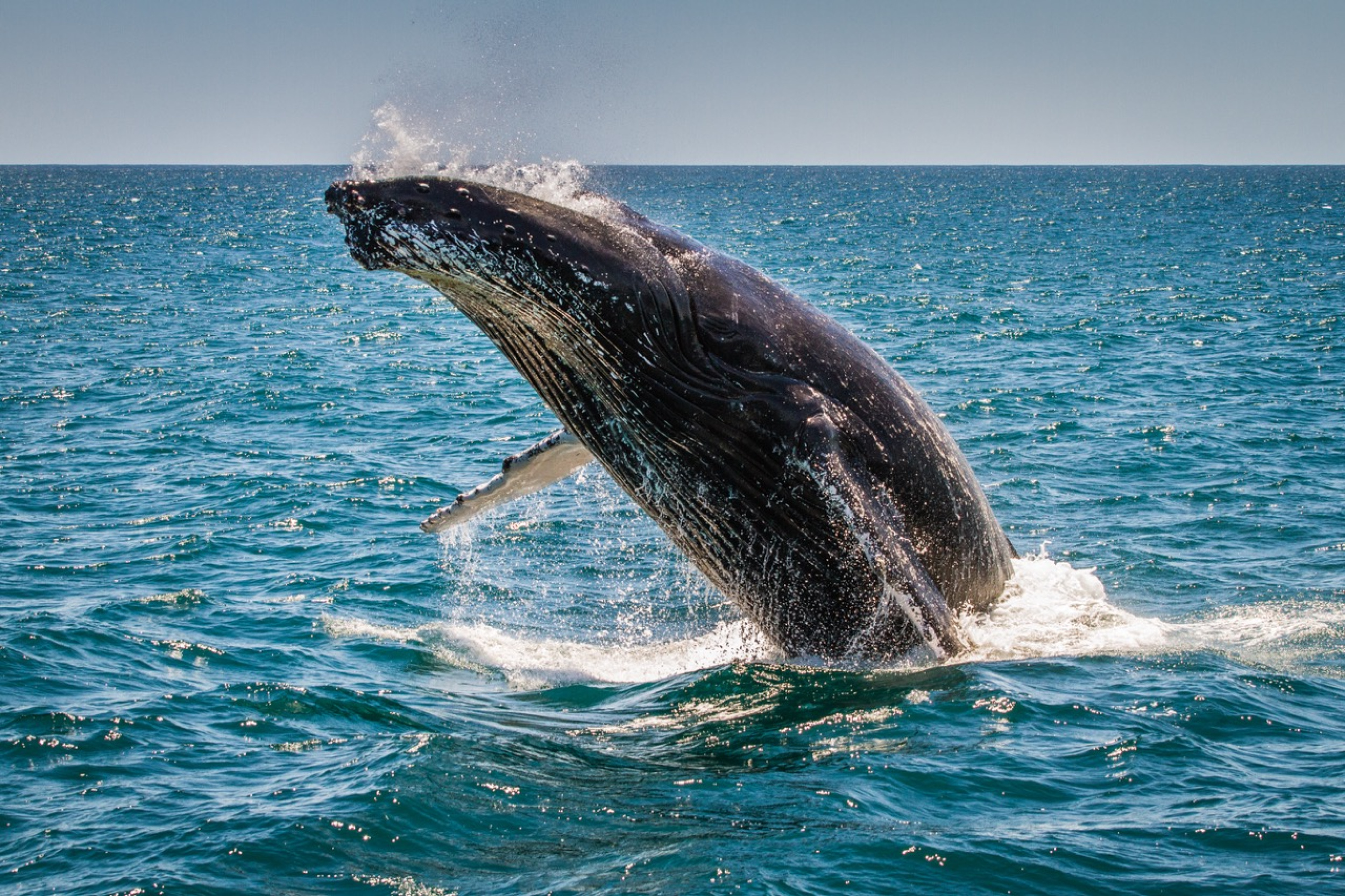
Humpback whales migrate from Alaska to Hawaiʻi's warm waters every winter, and Big Island whale watching runs roughly November through May, with peak activity January through March. The Kohala Coast and waters off Kailua-Kona are prime territory — you can often spot breaches from shore, but a boat puts you in the middle of the action.
Most whale watch boats depart from Honokōhau Harbor or Kawaihae Harbor. Trips typically run 2–3 hours and include hydrophone listening so you can hear the males sing underwater. The NOAA-regulated 100-yard approach rule keeps boats at a respectful distance, but humpbacks frequently breach and spy-hop much closer on their own.
Half-day trips run $40–$120 per person. Morning departures tend to have calmer seas.
Ziplining
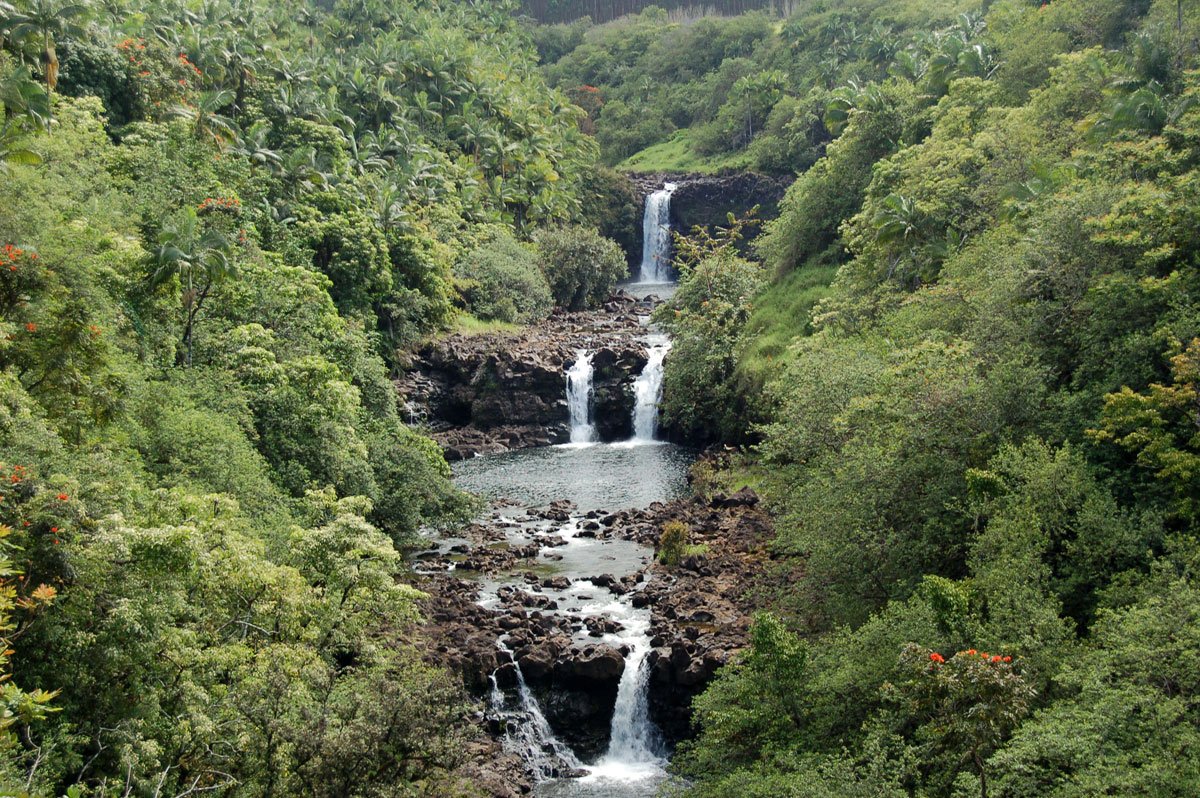
The Big Island's zipline courses use deep gulches, tropical canopy, and waterfall views rather than height alone. Umauma, Botanical World, and Hawaii Zipline & Hiking Tours sit along the Hāmākua Coast, while Kohala Zipline's new course keeps a North Kohala activity day close to Hāwī.
Course formats now range from five to nine lines, and rider restrictions differ. Compare the current check-in location, age and weight rules, course length, and live rate before you book.
Waterfall Adventures
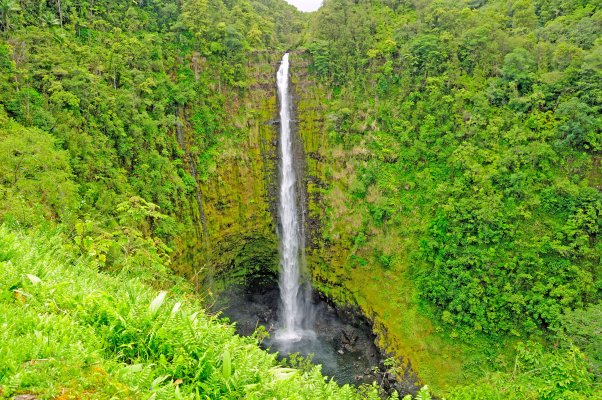
The windward (Hilo/Hamakua) side of the Big Island gets 130+ inches of rain annually, which feeds hundreds of waterfalls — many of them unreachable by road. That's the appeal: guided waterfall tours access cascades that most visitors never see.
ʻAkaka Falls (442 feet) and Rainbow Falls in Hilo are the easy wins — short walks, no guide needed. For the adventurous, Waipiʻo Valley hides Hiʻilawe Falls (1,450 feet, one of Hawaiʻi's tallest), and guided kayak-and-hike tours on the Hamakua Coast reach falls where the only trail is the river itself.
Deep Sea Fishing
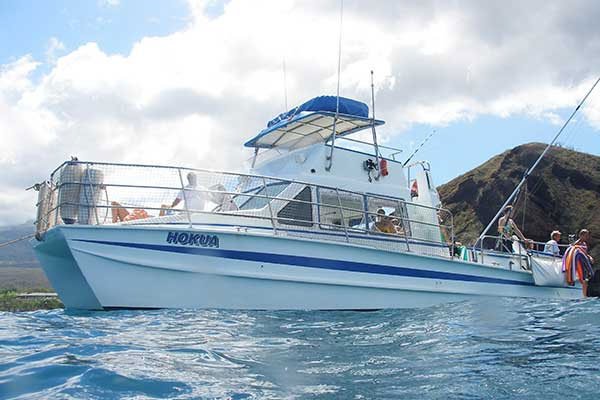
Kona has been the big-game fishing capital of the Pacific since the 1950s. The 6,000-foot depth drop-off less than a mile from shore (one of the steepest in the world) puts blue marlin, yellowfin tuna, mahi-mahi, and wahoo within striking distance of even a half-day charter.
The annual Hawaiian International Billfish Tournament (running since 1959) cemented Kona's reputation. Most charters depart from Honokōhau Harbor. Half-day shared charters run $150–$300 per person; private full-day boats range $800–$2,000+.
Frequently Asked Questions
What are the best things to do on the Big Island?
The top things to do include Hawaiʻi Volcanoes National Park, the manta ray night snorkel, Mauna Kea stargazing, snorkeling at Kealakekua Bay, Punaluʻu Black Sand Beach, and exploring Waipiʻo Valley.
How many days do you need on the Big Island?
Most visitors need 5 to 7 days. The Big Island is twice the size of all other Hawaiian islands combined, so driving distances are real. Three to four days covers the Kona coast and Volcanoes National Park, but a full week lets you explore both coasts, the Kohala Coast, and the Hāmākua corridor. See our itineraries for day-by-day plans.
Is Kona or Hilo better?
Most visitors prefer Kona for sunny weather, resort beaches, and better snorkeling. Hilo is rainier but has waterfalls, the farmers market, and is closer to Volcanoes National Park. Ideally, spend time on both sides.
What should you not miss on the Big Island?
Do not miss Volcanoes National Park, the manta ray night snorkel, Mauna Kea stargazing, Kealakekua Bay snorkeling, and Punaluʻu Black Sand Beach. Waipiʻo Valley and ʻAkaka Falls are worth the drive.
Do you need a 4WD on the Big Island?
A standard rental car handles 95% of Big Island roads, including Volcanoes National Park, the Kohala Coast resorts, Hilo, and all major highways. You need a 4WD only for three specific roads: the Mauna Kea summit road above the Visitor Information Station at 9,200 feet, the unpaved route to Green Sand Beach at South Point, and the steep descent into Waipiʻo Valley. Most rental companies prohibit driving on these roads — guided tours are the safest legal option for Mauna Kea and Waipiʻo.
Choose Your Big Island Adventure
Curated picks by trip style