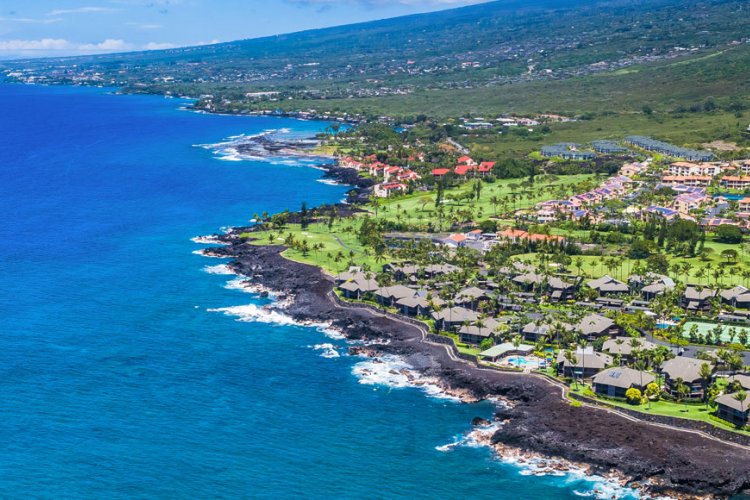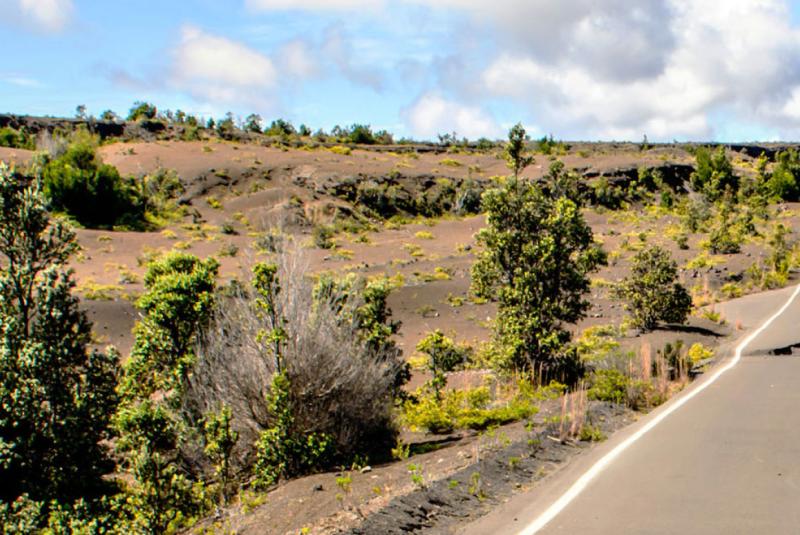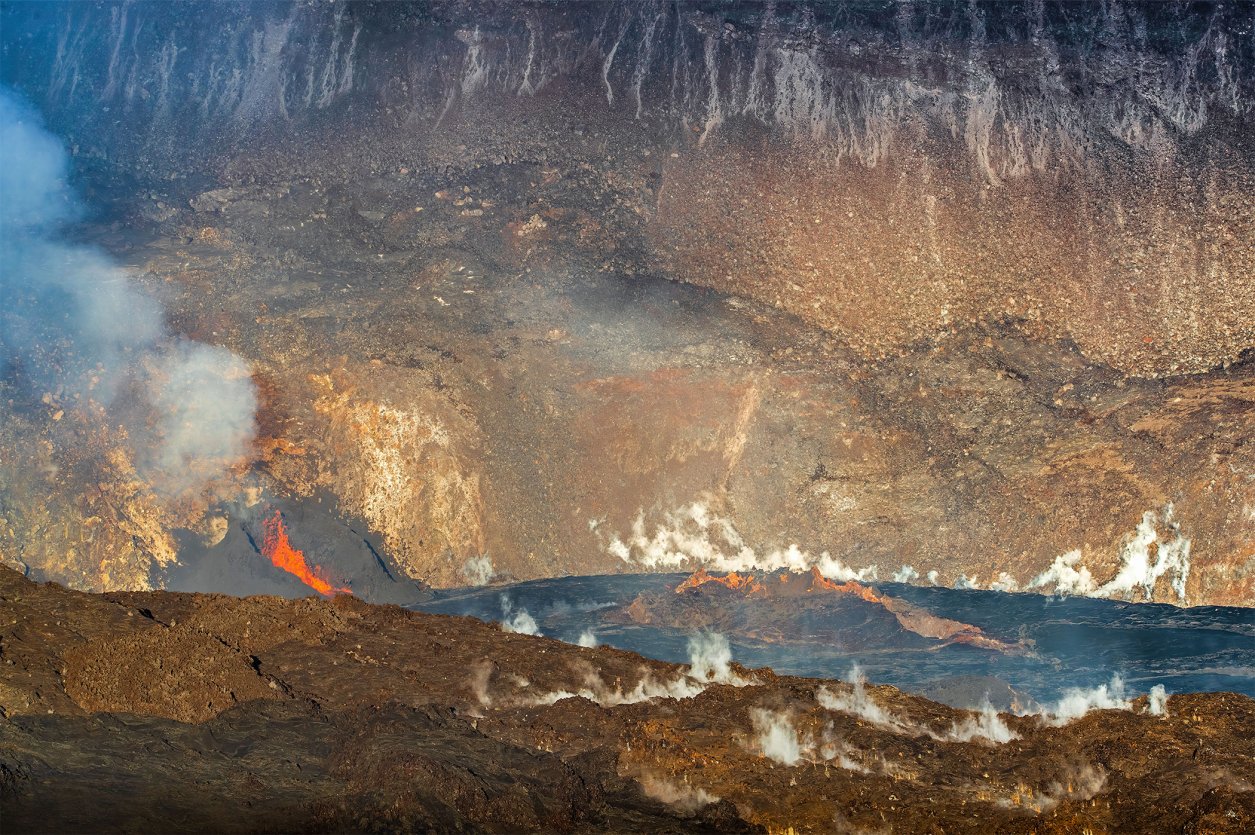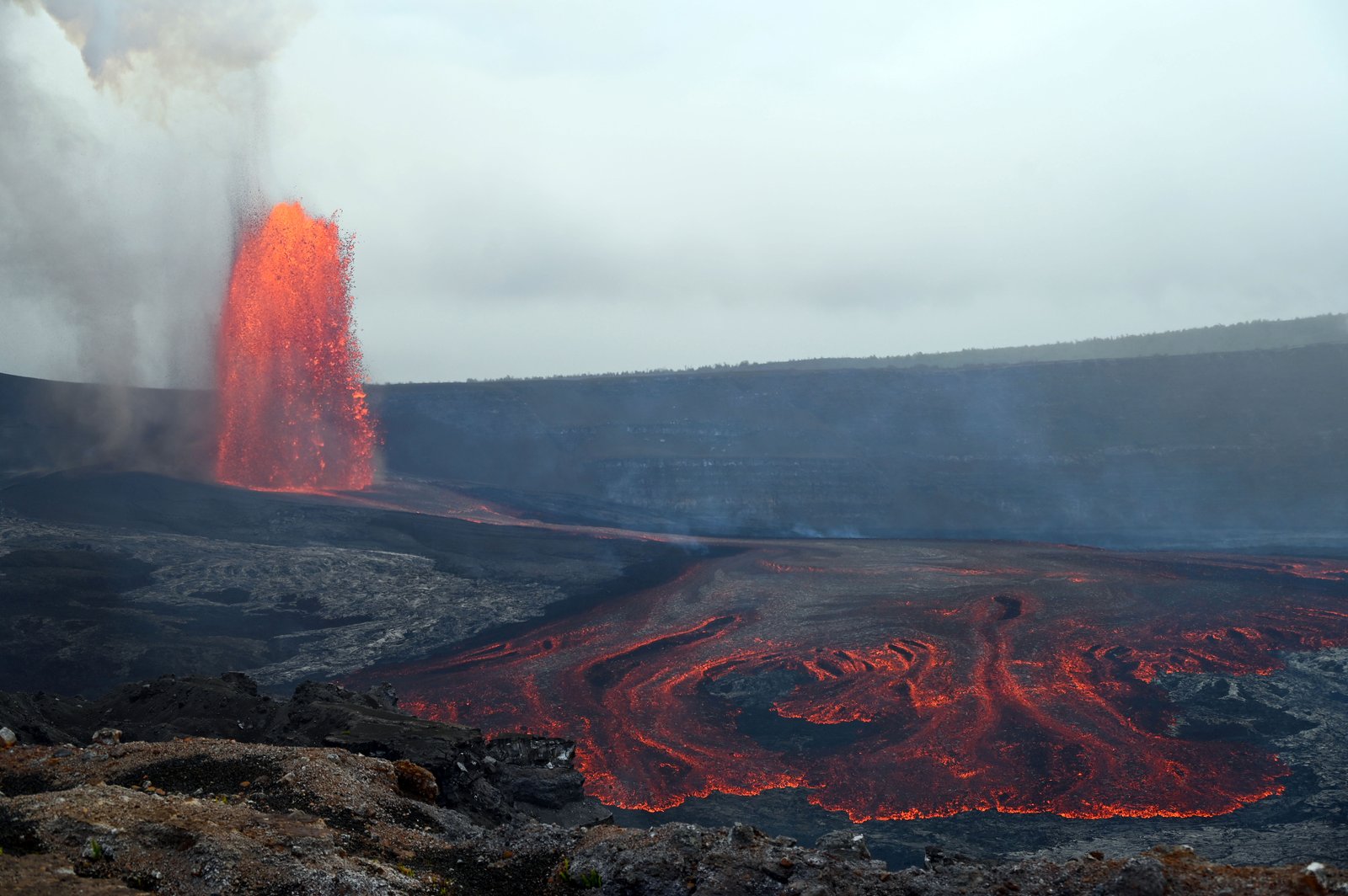
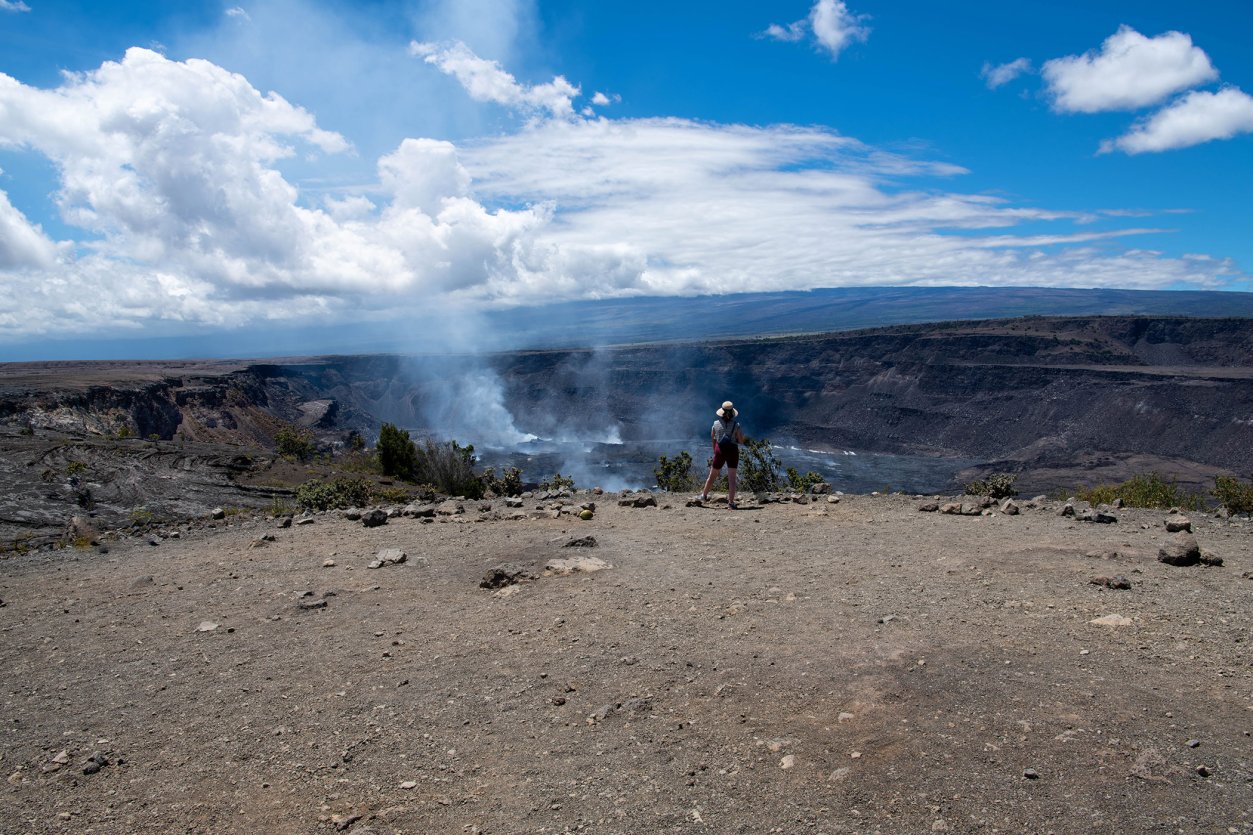

If you’re planning a Big Island trip for the September–November window, the one weather pattern worth understanding before you book is vog. It’s short for volcanic smog — the haze Kīlauea sends downwind whenever the volcano is venting sulfur dioxide, which is almost always. Fall is when the rules change. Trade winds, the reliable northeasterlies that push vog away from most populated areas all summer, start to weaken. Kona winds — the reversed pattern, blowing from the southwest — show up more often. When trades fail, vog spreads in directions Big Island visitors don’t usually plan for.
None of this should keep you off the island. Most fall days still have clean trades, and most fall trips finish with clear views of Mauna Kea, the Kona coast, and a healthy lungful of Hawaiian air. But if you’re flying in with asthma, kids, or older parents, or you’re trying to time the trip around a specific outdoor activity, the fall window is the season where a few minutes of planning pays off. Here’s what’s actually different about September through November and how to plan around it.