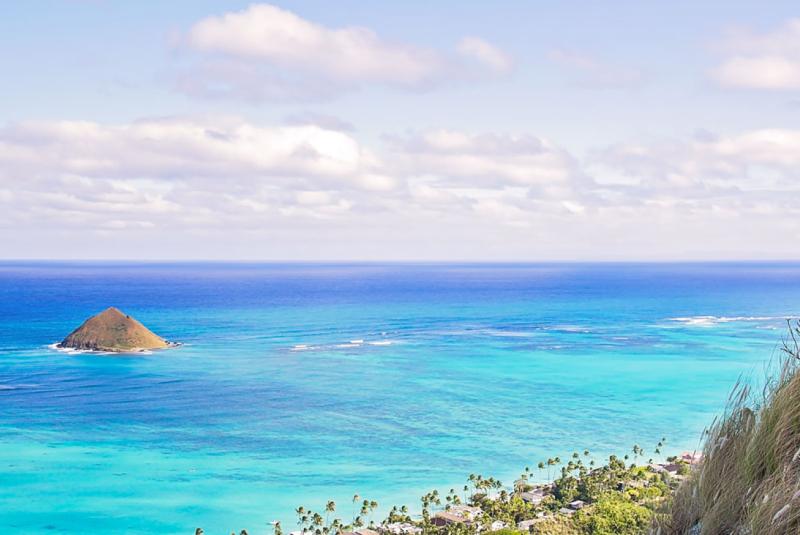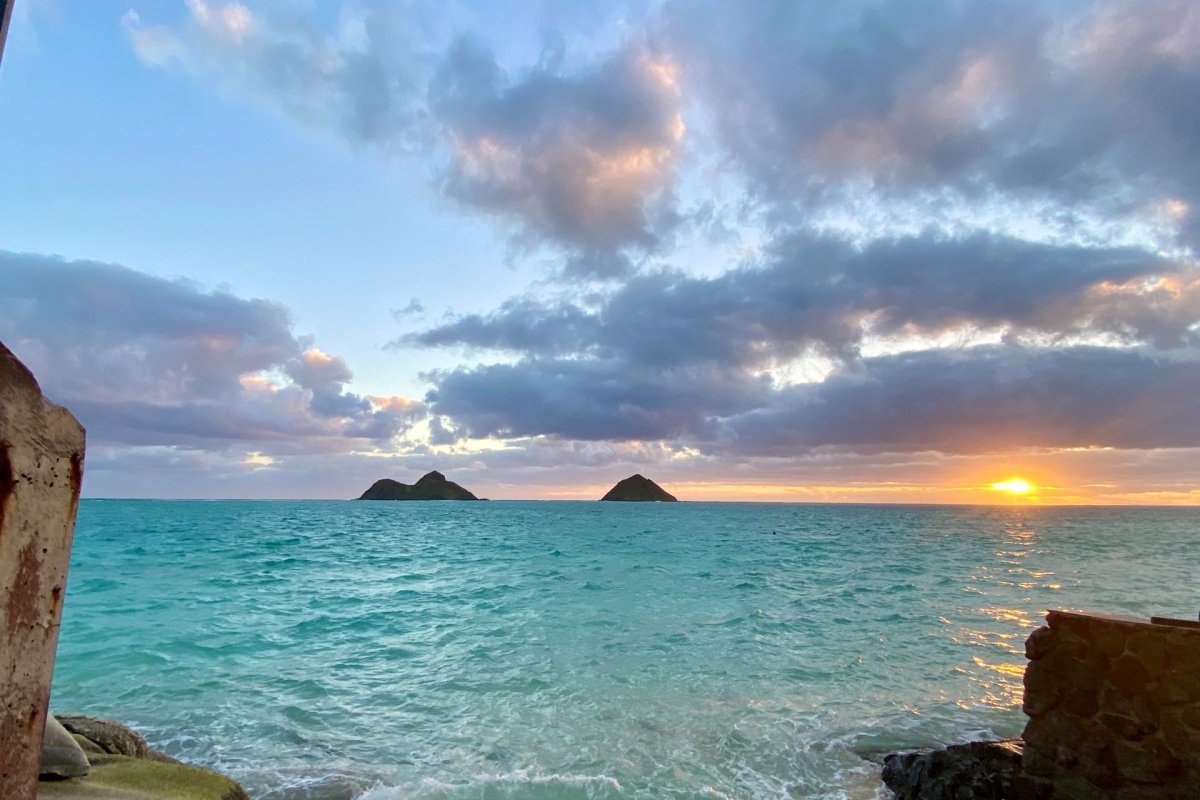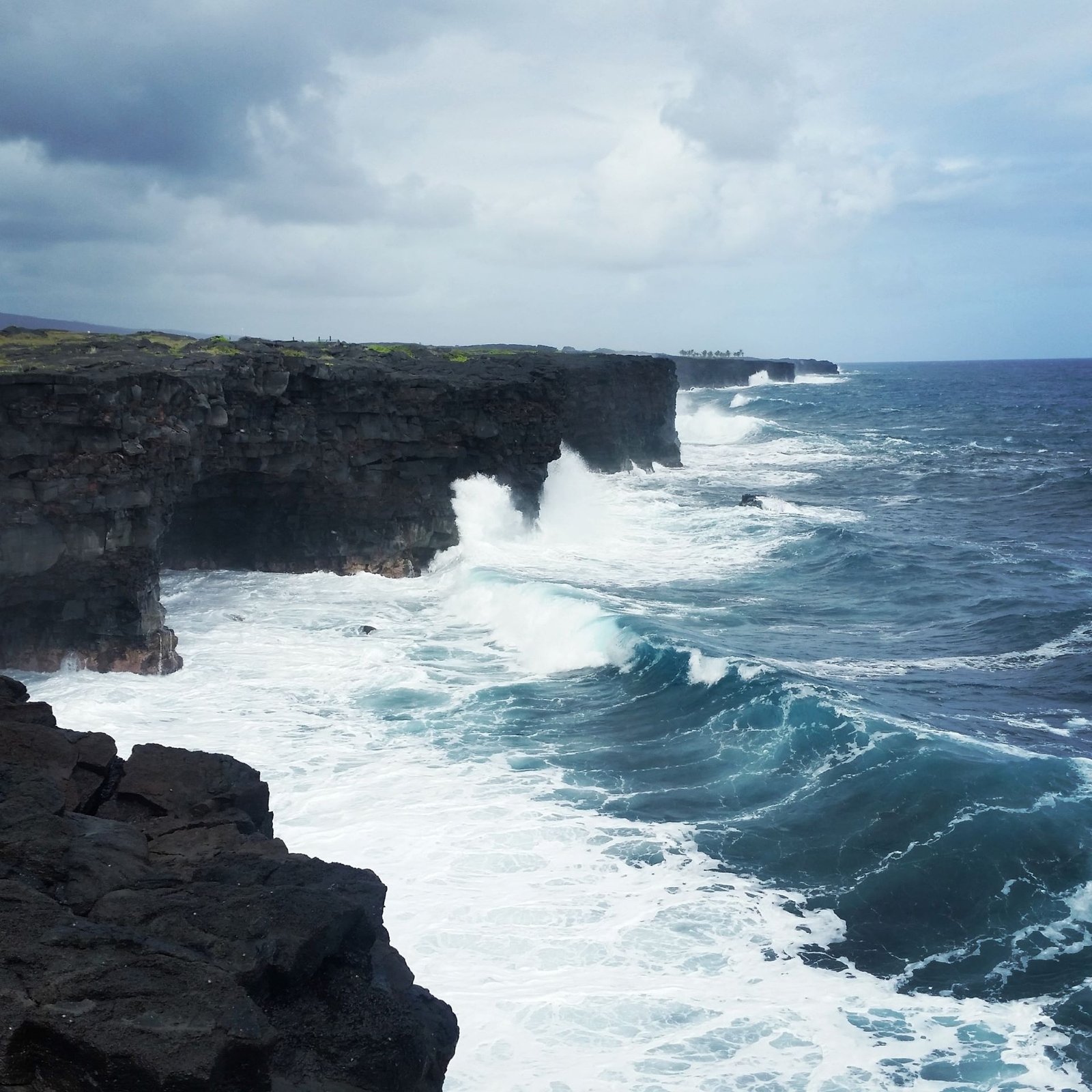



Your first Hawaii morning may start long before the rest of the island feels open. A mainland body clock can put you upright at 4 or 5 a.m., ready to move while the parking gates, breakfast counters, and staffed beach hours still belong to the future.
Don’t turn that head start into a dark-trail gamble or a cross-island drive. Use it as a small planning window: check the light, current conditions, and access rules, then pick one nearby thing that actually works before 8 a.m.
This piece is about that first-morning call. For sleep timing, naps, and the flight home, use our separate Hawaii jet lag guide. For the clock difference itself, the current Hawaii time guide keeps the live HST comparison in one place.