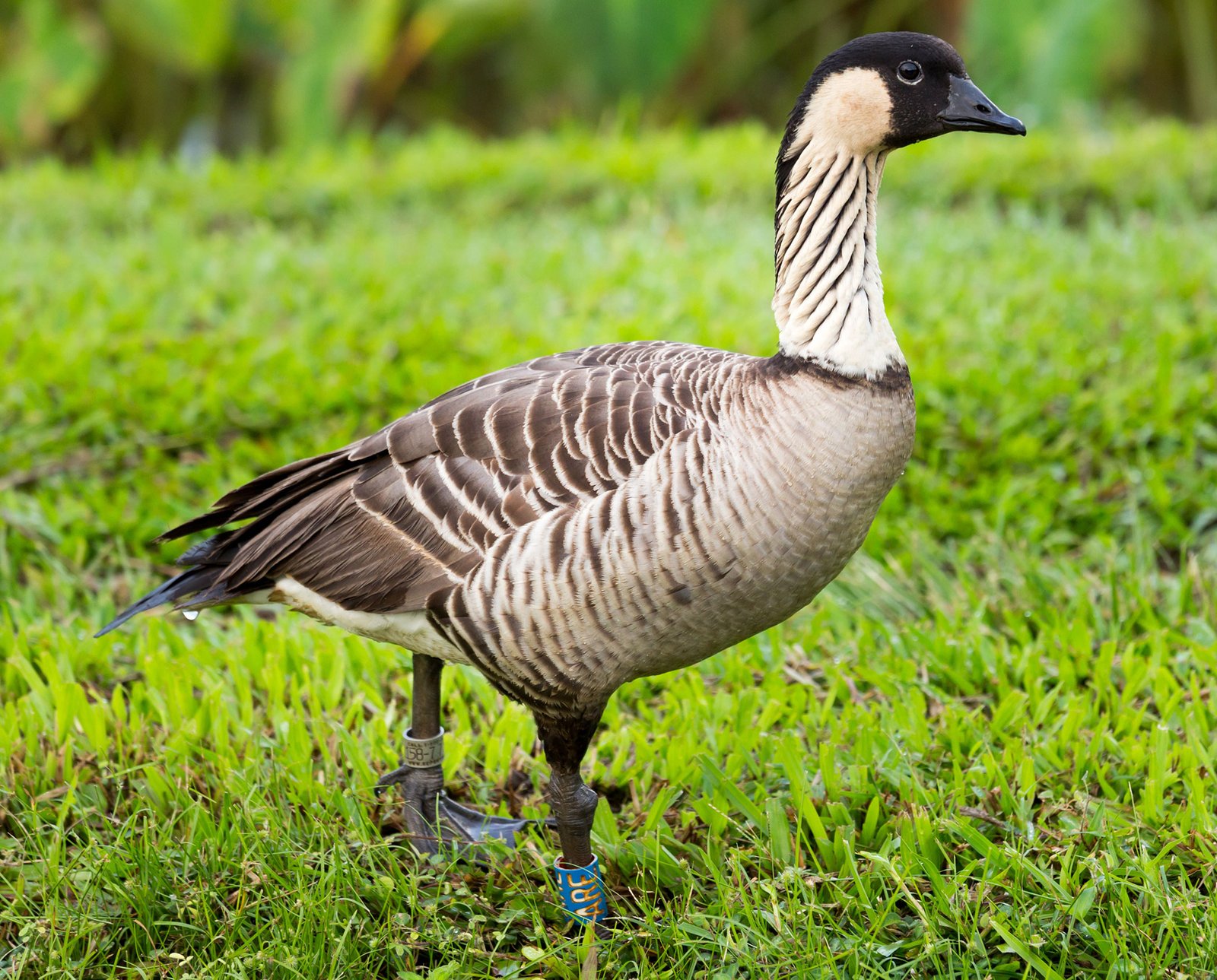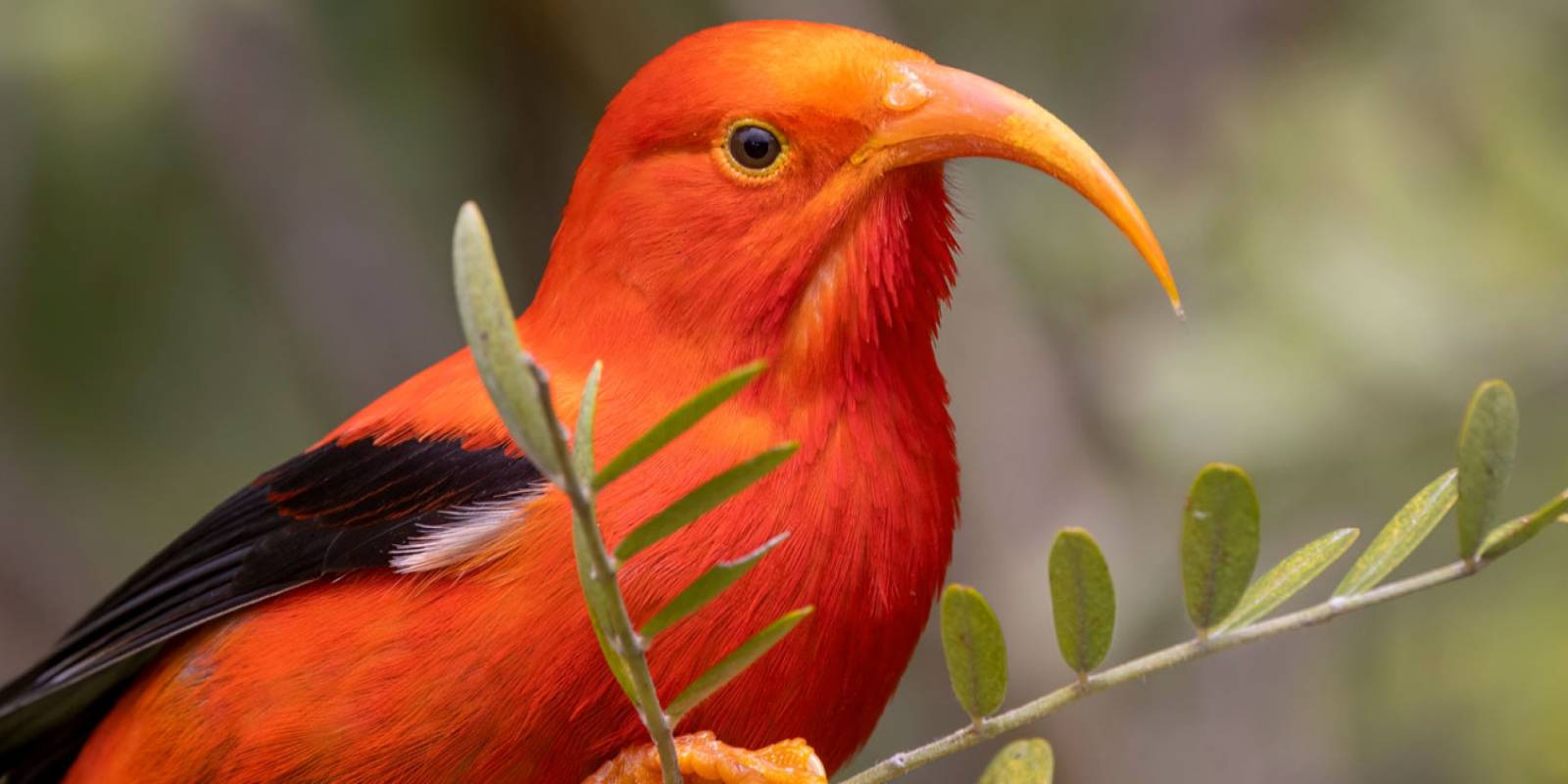

From roughly mid-September to mid-December, artificial lights can disorient seabirds leaving their nests. Some fall to the ground from injury or exhaustion. DLNR’s October 14, 2026 notice asks for help during this fallout season, but a bird on the ground does not automatically need to be picked up.
A young bird near its burrow may be fine
DLNR says a young seabird sitting near its nest burrow without obvious injury should be left alone. If you are unsure whether a bird needs help, use the island contact list and response guidance. An unresponsive bird or one in an unsafe location needs help; that does not make unsafe handling by a visitor appropriate. For multiple sick birds or unusual wildlife illness, use the health-reporting contacts below.
Our common-bird field guide helps with identification, not deciding whether a bird needs care.
Report unusual illness separately
In its October 29, 2026 notice, the Hawaiʻi Department of Health (DOH) reported H5N1 genetic material in an East Kauaʻi wastewater sample collected October 14. DOH described the risk to the public as low. It also said the wastewater signal does not establish a clinical case or community transmission, or show whether live, infectious virus is present.
That notice directs reports of multiple or unusual illnesses in wild birds and other animals to the Department of Agriculture and Biosecurity’s Animal Industry Division: (808) 483-7100, Monday–Friday, 7:45 a.m.–4:30 p.m. Outside business hours or on holidays, call (808) 837-8092.
For a possible personal exposure to sick birds or other wildlife, DOH directs people to its Disease Reporting Line at (808) 586-4586 for guidance.
Call before attempting capture
On Kauaʻi, Save Our Shearwaters asks you to call (808) 635-5117 before attempting capture. Staff can help identify the species, assess whether aid is needed and direct you to an aid station. The organization says not to give food or water, release the bird yourself or throw it into the air.
Hawaiʻi Wildlife Center recommends calling (808) 884-5000 during office hours for instructions or identification. It also accepts identification inquiries at birdhelp@hawaiiwildlifecenter.org with a photo and posts instructions for when its office is closed. It accepts native species only. Read the current official handling precautions before any handling; do not assume a contact guarantees immediate pickup or acceptance at a facility. Confirm where to go before driving.
A report note you can save
This is our visitor-planning checklist, not an official rescue protocol. Write down:
- Island, property name or address, and a precise nearby landmark.
- Time seen, exact location and visible condition, without diagnosing an injury.
- Your callback number and any deadline for leaving.
- Who you contacted, their instructions and who has agreed to take the next step.
One hypothetical family example
Imagine a family at a Kauaʻi rental finding a bird beneath a stairwell light before a morning flight. One adult calls Save Our Shearwaters while the other keeps the children back and asks the property manager for a clear address and landmark. Asking staff or leaving a phone message does not establish that rescue is arranged.
The caller explains when the family must leave and asks what to do next. If another person agrees to help, confirm the specific instruction they are taking over. If nobody has agreed, tell the wildlife contact that; do not promise someone will remain after you leave.
At your lodging after dark, draw curtains and switch off unnecessary exterior lights.
DLNR recommends closing curtains and reducing unnecessary outdoor lighting to limit light attraction. At a rental, discuss shared exterior lights with the host rather than altering fixtures. For quieter preparation before your trip, explore our native Hawaiian birds guide.