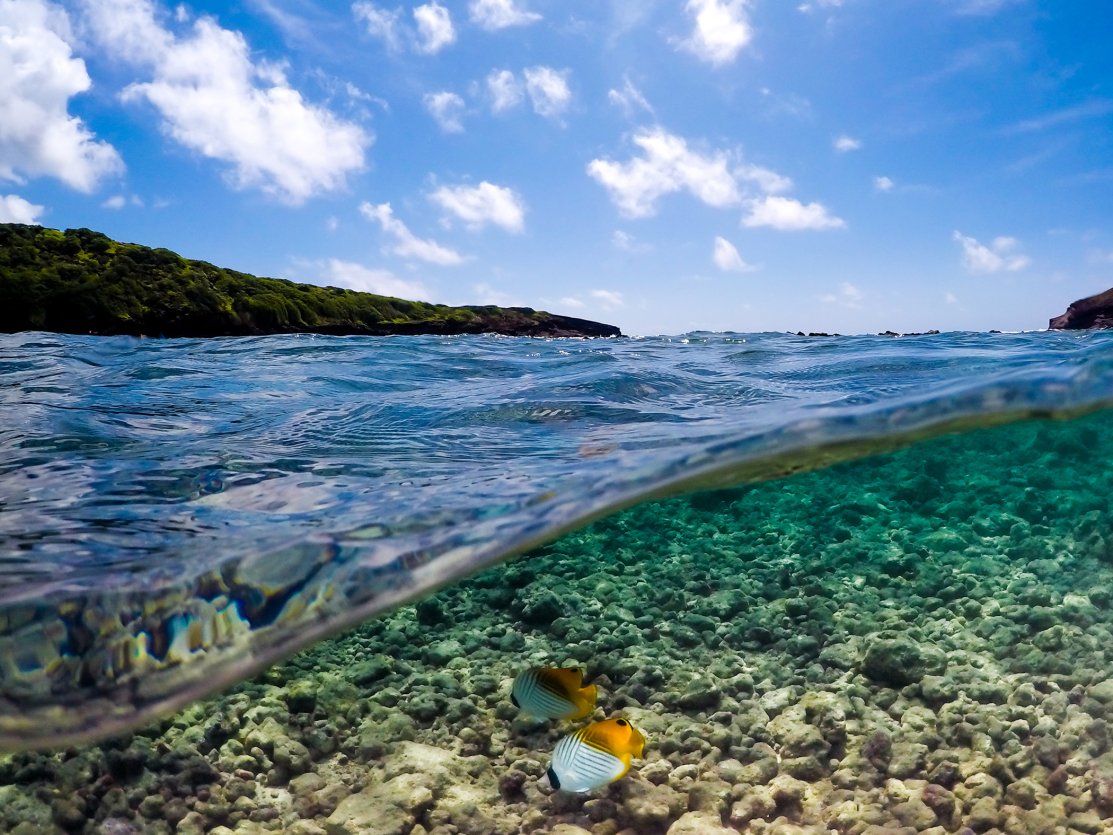
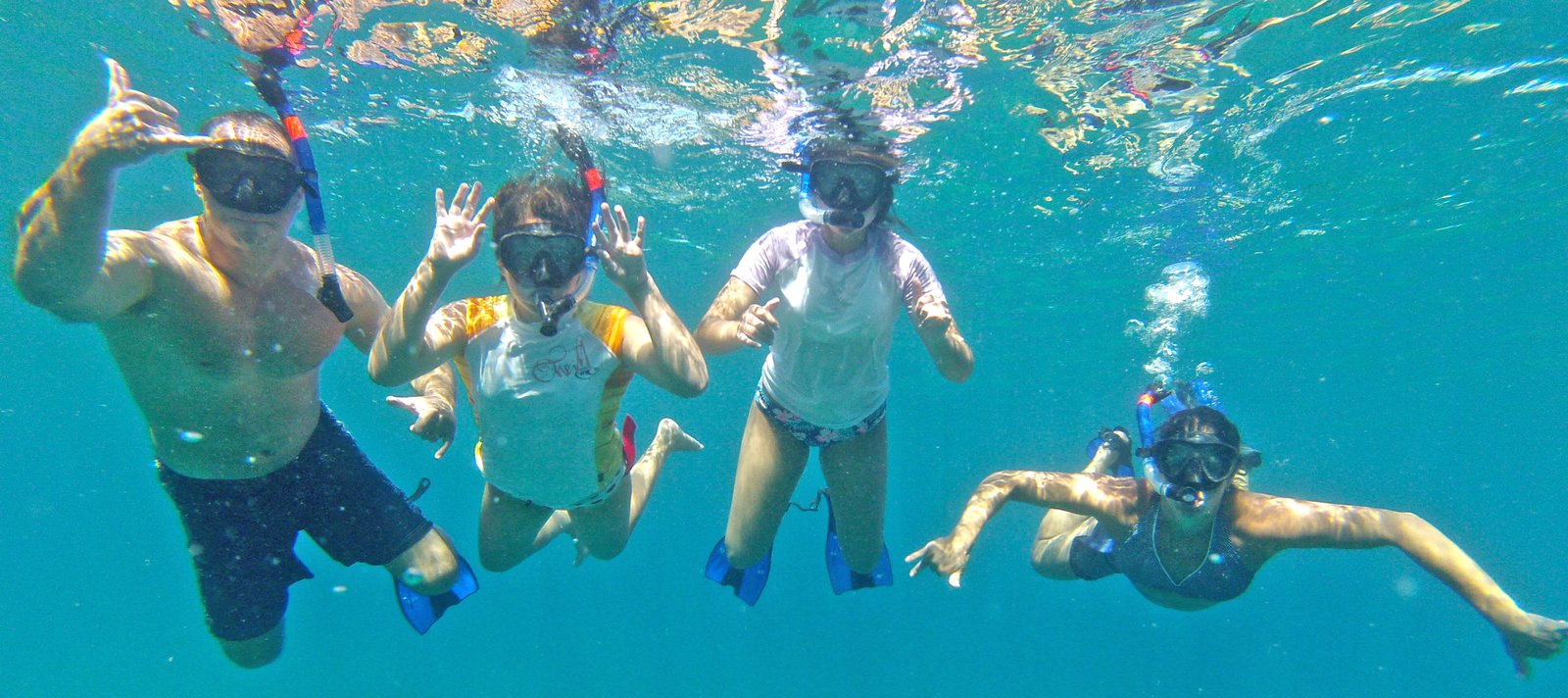

Freediving is the skill of swimming underwater on a single breath — no tank, no regulator, no bubbles. Hawaii freediving courses run mostly out of Kona on the Big Island, with smaller instructor pools on Maui and Oahu. Trained recreational freedivers typically hold their breath for two to three minutes and descend 60 to 100 feet on a single dive (see DeeperBlue's beginner guide for the standard ranges). The sport sits in its own category between snorkeling (which stays at the surface) and scuba (which carries air). It rewards patience and breathing technique over fitness, and the certification path is short enough that a competent swimmer can complete a Level 1 course inside a vacation week.
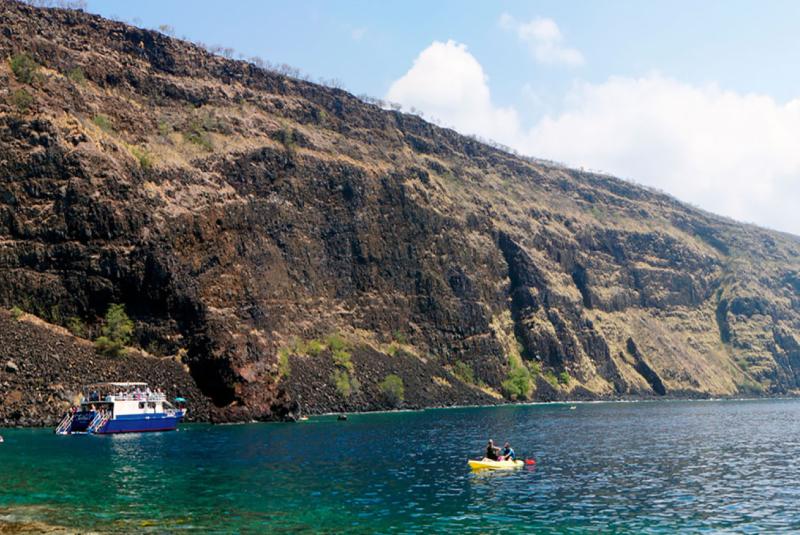
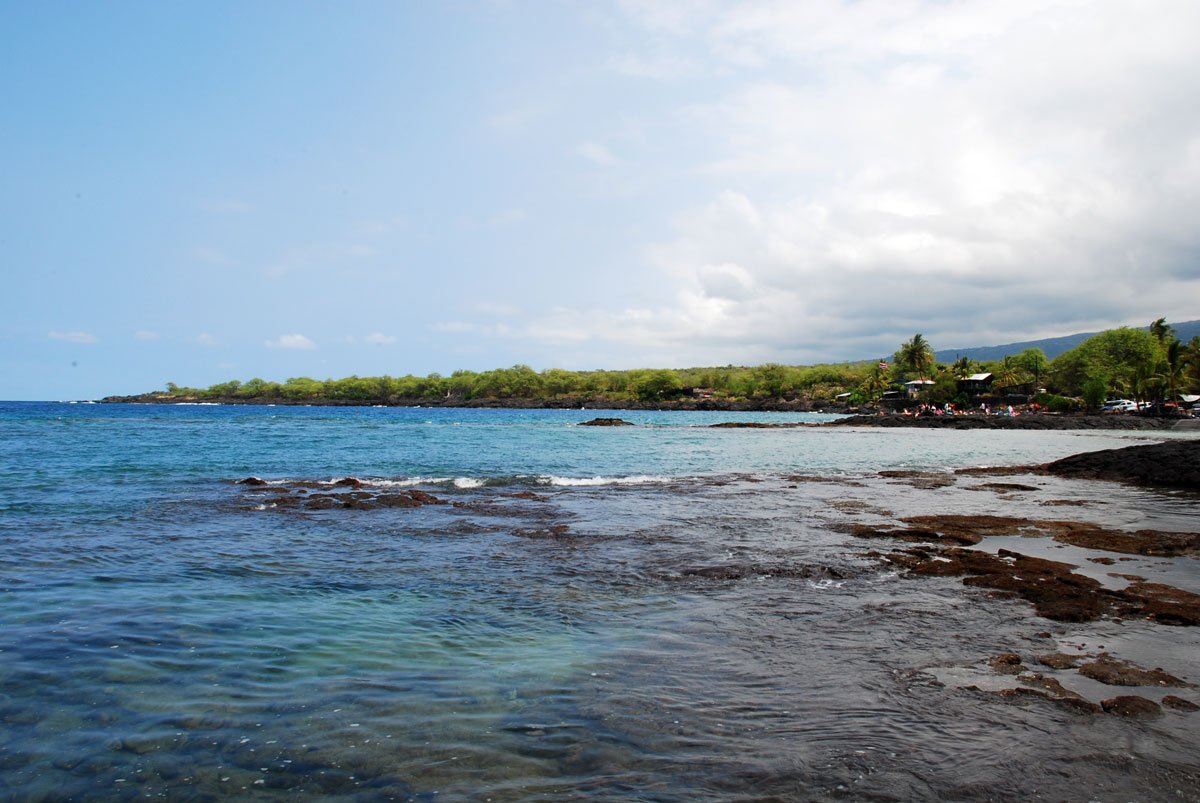
Kona is one of the world's better freediving classrooms. The coast drops away to deep water within swimming distance of shore, the lee is sheltered from the prevailing trades for most of the year, and a small cluster of certifying instructors run intro experiences and multi-day courses out of the same harbors that handle scuba charters. Maui and Oahu offer fewer dedicated freediving schools but enough to start. Kauai is the thinnest market.
This guide covers what freediving actually is, how it differs from the snorkeling almost every visitor tries at least once, where lessons run on each island, what a two-day course teaches, what it costs, and the safety guardrails worth understanding before you decide whether to spend a vacation morning on it. Confirm current course schedules, prices, and certifying agencies on the operator's own booking page before you commit — the freediving instructor pool in Hawaii is small and individual schedules shift week to week.