

The HIFF homepage announces September 22 public ticket sales and a September 18 member opening for HIFF46. As checked September 19, 2026, the official film browser has individual screening listings, but its sales banner instead says October 22 for the public. Confirm the sale date with the HIFF box office before relying on either notice; do not let that discrepancy delay building a shortlist. For one or two films, shortlist the exact screenings before the public sale. Compare a pass only after several eligible Oʻahu screenings fit your dates. Opening night and neighbor-island shows need separate attention to ticketing. HIFF46 runs on Oʻahu from October 21-November 5, followed by neighbor-island screenings through November 15.
The HIFF46 calendar that matters to travelers
The Oʻahu window starts with the opening-night film event at Hawaiʻi Theatre Center on October 21. Public screenings at Consolidated Theatres Kahala begin October 22 and continue through November 1. The festival then moves to Consolidated Theatres Kapolei for November 3-5, according to the current HIFF46 venue and box-office guide. The same guide now posts five neighbor-island windows: the Mango Theater on Molokaʻi on November 6-8; Kahilu Theatre in Waimea on Hawaiʻi Island on November 7-8; Lānaʻi Theater at Hale Keaka on November 10; the Palace Theater in Hilo on Hawaiʻi Island on November 12-15; and Maui Arts & Cultural Center on Maui on November 14-15. Start with those venue windows, then check the films you want. Check each film’s listing, then match a cancellable stay to the actual venue. Use the film listings to choose your island; do not book from the statewide banner alone.

HIFF46 has posted individual screening listings. Match the film to its venue before choosing a hotel night.
Choose the island window before the films
Kahala: October 22-November 1. Mark your shortlisted screenings on a calendar before choosing how many nights to stay. Compare Waikīkī and Diamond Head lodging against the exact venue and your daytime stops. HIFF’s venue guide lists the Kahala theater at 4211 Waialae Avenue, Suite 3080, Honolulu. Check the route from your hotel and allow extra time before a show. A short map distance can turn into a long drive at the wrong hour. Kapolei: November 3-5. HIFF identifies Kapolei as its West Oʻahu venue. If you are considering Ko Olina or Kapolei lodging, plot the theater alongside the rest of your itinerary. Compare the cost and disruption of a hotel change with the drive from your existing base. Choose a neighbor-island window if HIFF should fit a trip already taking shape. Molokaʻi, Lānaʻi, and Maui each have short, separate windows. Hawaiʻi Island has two: Kahilu Theatre in Waimea and the Palace Theater in Hilo. Those Hawaiʻi Island venues are not interchangeable. Before choosing the November 7-8 Waimea screenings or the November 12-15 Hilo screenings, map both venues with the other stops you want to visit. Check the screening times before booking a hotel. Save your Hawaii Guide stops in My Trip, and keep screening details with your booking confirmations. Compare the locations before booking nights.
Current ticket prices and the pass decision
HIFF’s current 2026 ticket guide lists most advance general-admission tickets at Kahala at $17, member tickets at $14, and day-of-show or rush tickets at $20. General admission is first-come seating. A rush line forms when advance inventory is gone, but entry depends on unclaimed or returned seats; I would treat it as a fallback, not a plan for the one film you care about. The 2026 pass page gives visitors four practical options. The $90 six-pack and $160 twelve-pack can be split across eligible screenings or shared with another person. The $500 All-Access Pass covers Kahala and Kapolei screenings but requires films to be selected in advance. The $1,000 Platinum Pass lets the holder RSVP for reserved seating. All four products are valid only at Kahala and Kapolei, not at neighbor-island venues. I would make the pass choice with a calculator, not status. Buy individual tickets for one or two films. At six eligible admissions, the six-pack costs less than six $17 advance general-admission tickets, which total $102. Existing members should compare their own package prices: the pass page lists a member six-pack at $80, versus $84 for six $14 advance tickets. Use these advertised prices for comparison, then review the final checkout total before buying. A twelve-pack fits a film-centered week. All-Access is for the traveler building most days around HIFF. Platinum costs too much for a typical vacation unless priority seating is the point.
Opening night uses a separate ticket seller
The official listing for THE NAVIGATOR identifies it as the opening-night world premiere and posts October 21 at 7 p.m. at Hawaiʻi Theatre Center. That screening uses Hawaiʻi Theatre’s ticketing; follow the ticket link on the film page. A Kahala/Kapolei pass does not cover this downtown event. The same film page lists a November 3 screening at 8 p.m. at Consolidated Theatres Kapolei and several neighbor-island dates. Opening night and the Kapolei screening are different bookings in different parts of Oʻahu. Choose the experience you want before picking a hotel night. For other films, use the same check: title, date, venue, seller. Check ticket availability and any guest-appearance details on the individual listing before committing to travel.
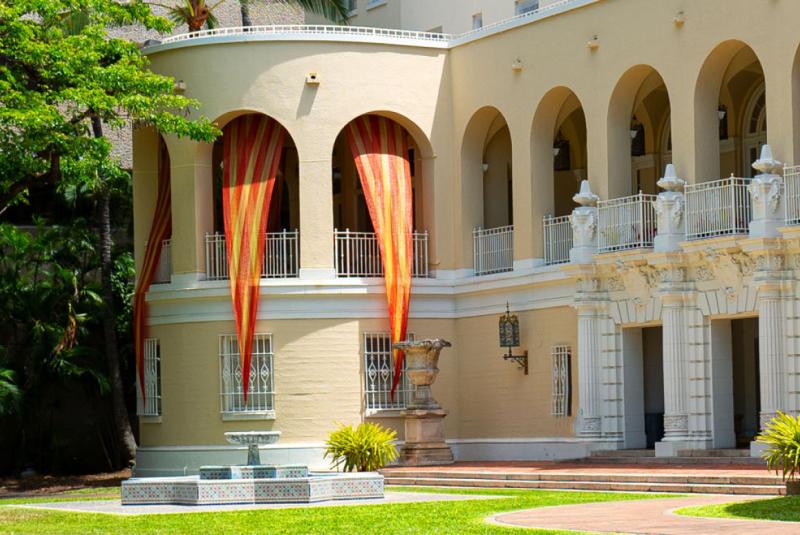
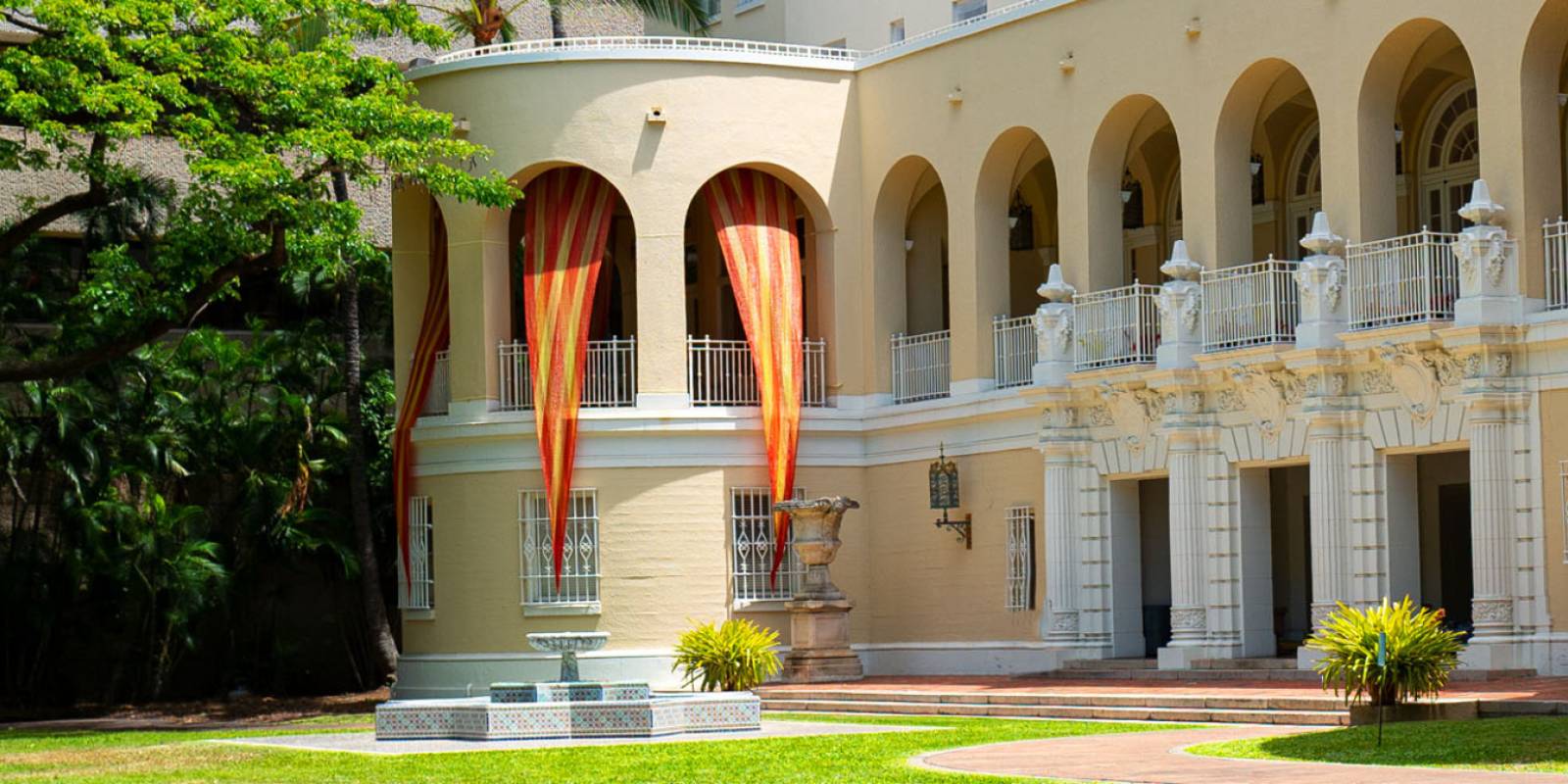
Capitol Modern gives an Oʻahu film trip a daytime art stop. Keep the museum visit separate from a tight Kahala screening turnaround.
Build an Oʻahu festival day without wasting the island
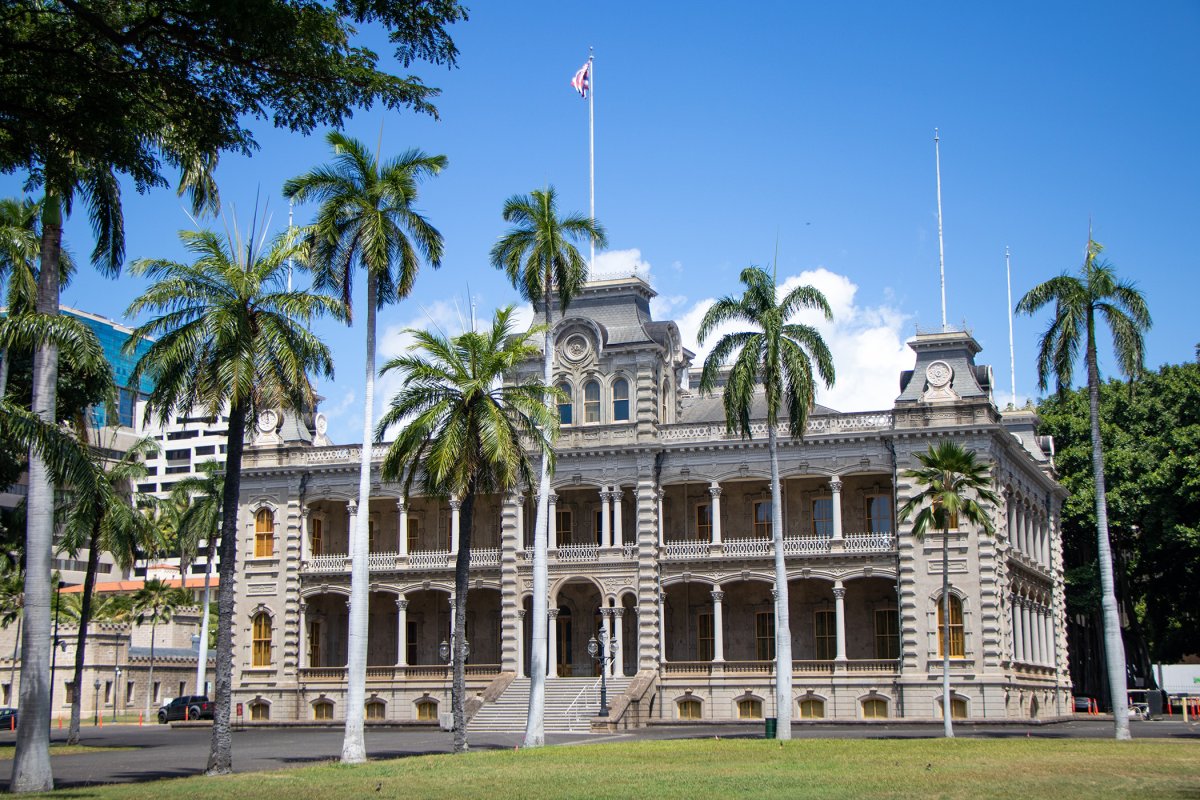
I would still make one film day feel like Hawaiʻi. Consider a beach, museum, or Honolulu-area sight between films. For a visit to ʻIolani Palace, check its visitor hours against your hotel route and screening time before reserving. Three scattered screenings can swallow a vacation day in driving and waiting; I would usually cap it at two films at one venue. Use this lodging checklist:
- Kahala or Diamond Head: compare the hotel-to-theater route with the locations of your other planned stops.
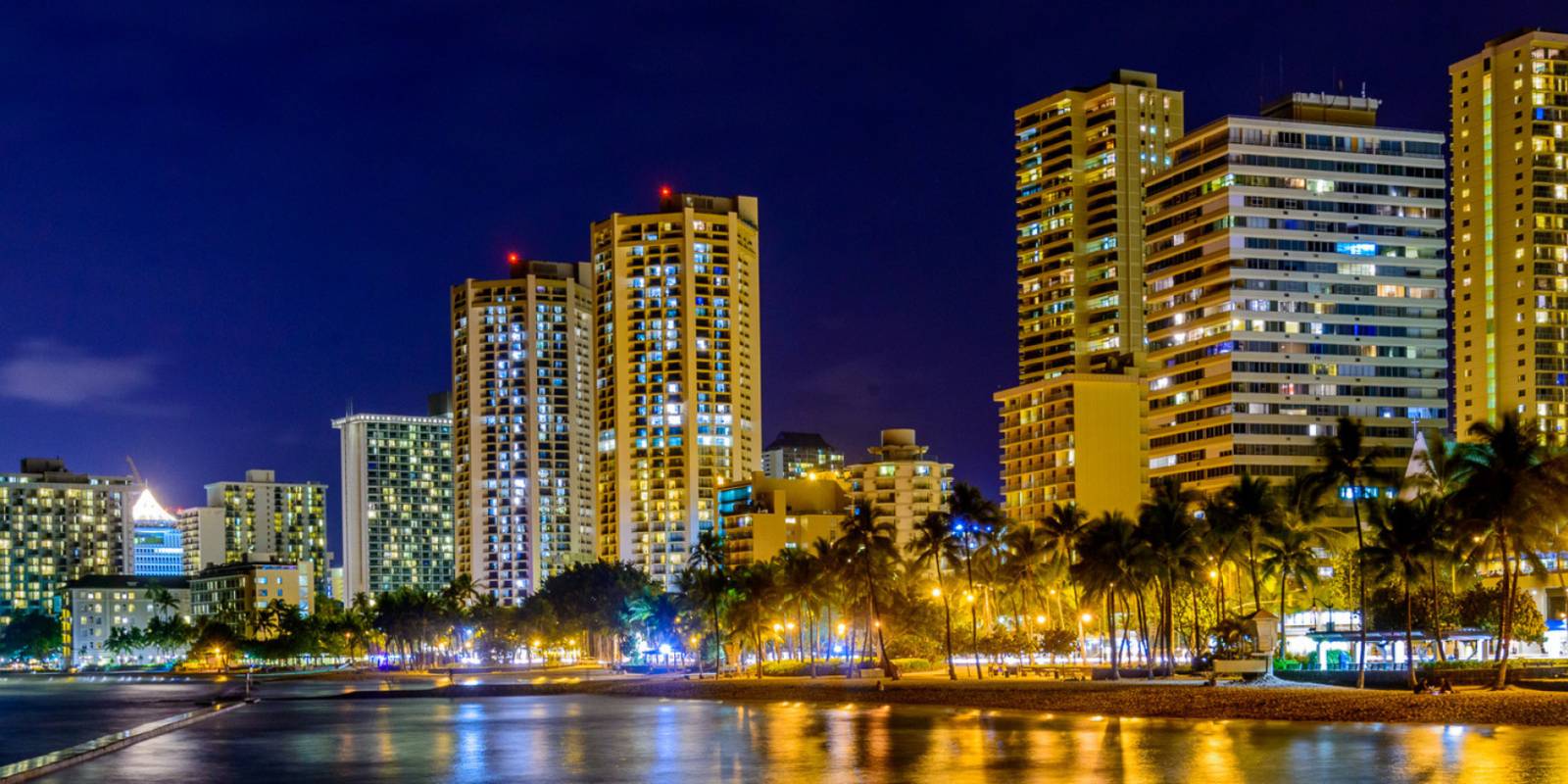
- Waikīkī: price the hotel together with transport to each screening, and leave time for the beach or meals you want.
- Ko Olina or Kapolei: check whether your selected films are at Kapolei or Kahala before booking.
Compare rental options through Discount Hawaii Car Rental if you plan to combine screenings with beaches or sights outside town. For a Waikīkī-to-Kahala festival trip, compare hotel parking against rideshare costs before renting for every day.
What to check before buying tickets
Use the official HIFF film browser to build a shortlist now. Resolve the conflicting public-sale notices with the box office, then check each screening’s ticket options. Do not assume every screening uses the same checkout. For a pass or package, sign in and redeem the eligible screenings through the organizer’s fulfillment instructions. Buying the product and selecting films are separate steps. For opening night or a neighbor-island show, follow a separate ticket-seller link if the listing provides one. Otherwise, confirm how to book with HIFF or the venue. Recheck each listing before travel for schedule changes and any guest-appearance details. If an accommodation determines whether a screening works, contact the box office before purchase to ask about wheelchair seating, assistive listening, captioning, or other needs.
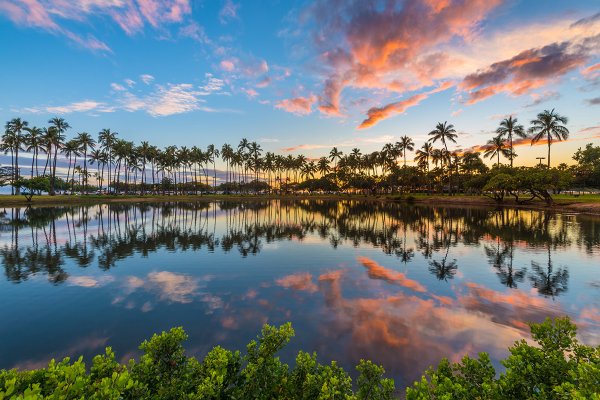
Leave room for Oʻahu between screenings. I would take a sunset outside over spending every open hour in a lobby.
The booking order
- Choose the island and venue window.
- Reserve cancellable lodging in the right part of the island.
- Shortlist the posted screenings and compare individual tickets with eligible Oʻahu passes; confirm the public-sale date with the box office.
- If a screening listing names a separate ticket seller, follow that link; otherwise, confirm how to book with HIFF or the venue. Save your daytime Hawaii Guide stops in My Trip, and keep screening details with your booking confirmations.
HIFF46 is not one continuous event in one city. It is a chain of confirmed venue windows from the October 21 Oʻahu kickoff through November 15 on Hawaiʻi Island and Maui. Pick one window deliberately and the festival gives the trip shape. Treat the statewide banner as one giant date block and the trip starts fighting the map.