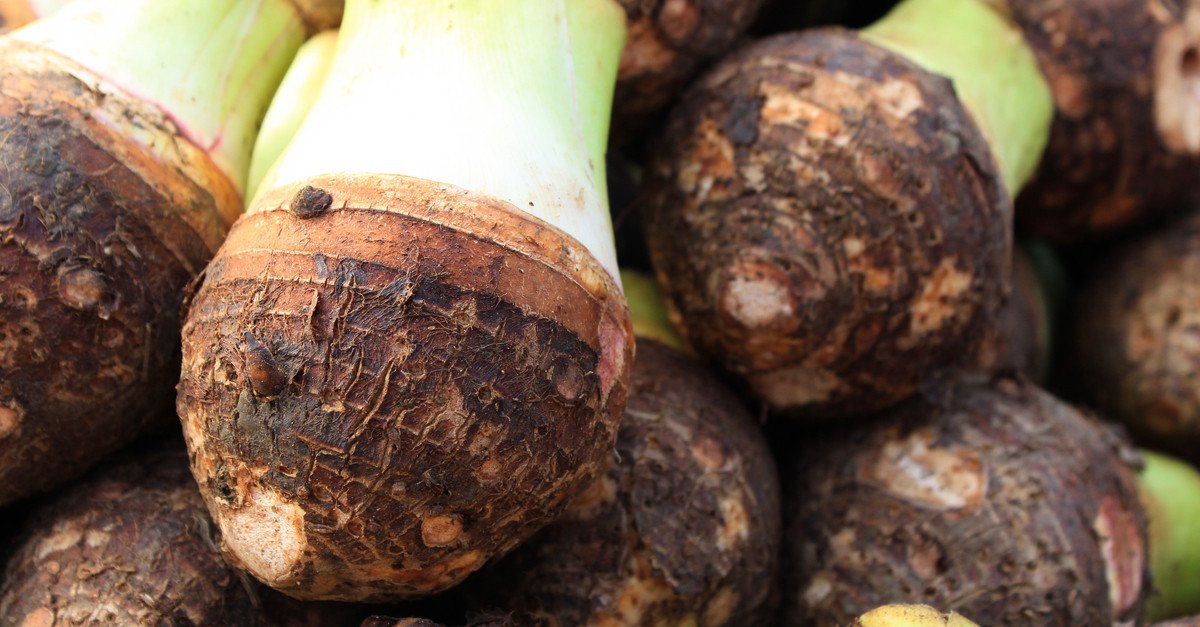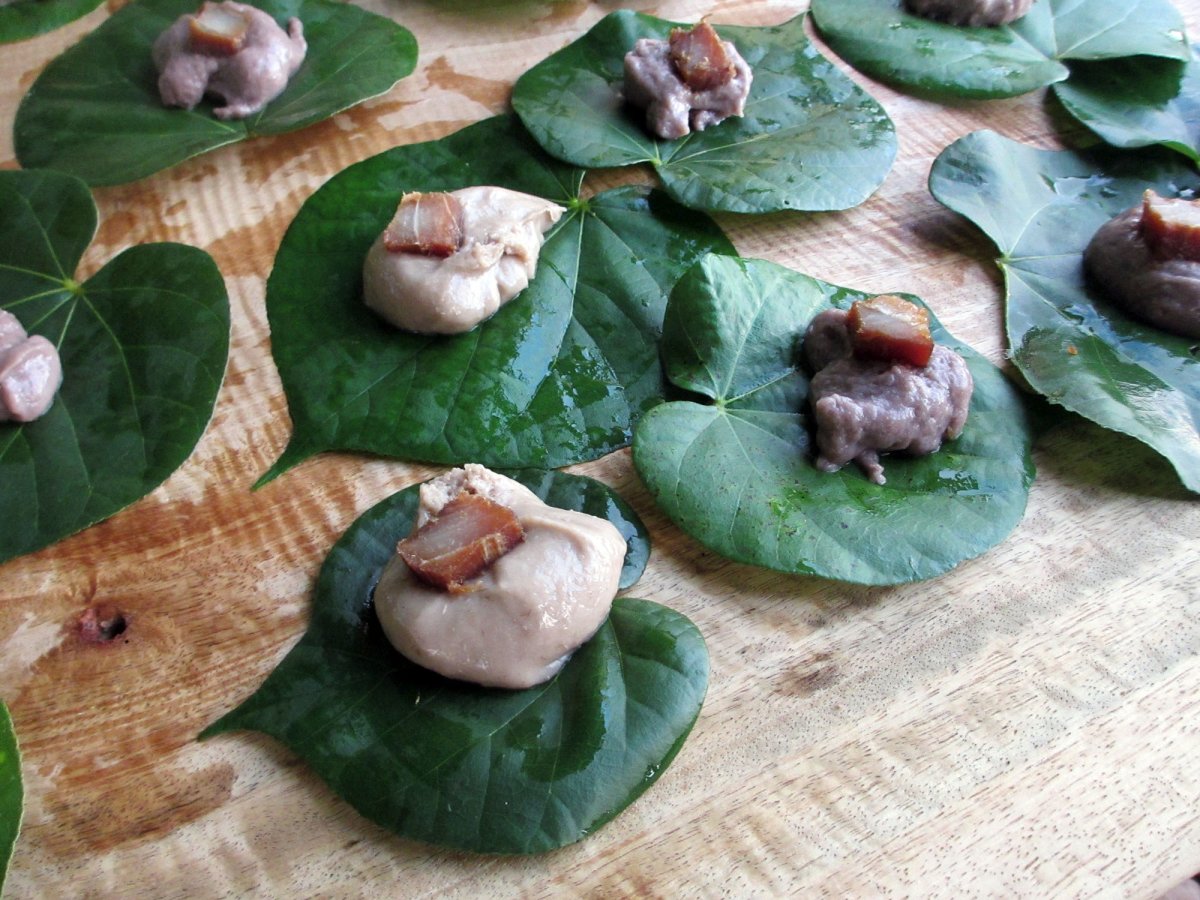

Most visitor guides skip kalo. It sits on a page called “Try Poi at a Luau” between a lūʻau recap and a shave-ice recommendation, and that is the extent of the exposure. That is a real miss. Kalo (taro) is one of the canoe plants Polynesian voyagers brought with them to Hawaiʻi roughly 1,500 years ago, terraced entire valleys to grow, and built a whole society around (National Park Service). In the Hawaiian creation account, the first plant is Hāloa, the elder brother of the Hawaiian people, and the plant is kalo (Kamehameha Publishing on the Kumulipo). That is not a metaphor visitors carry into a farm walk lightly.
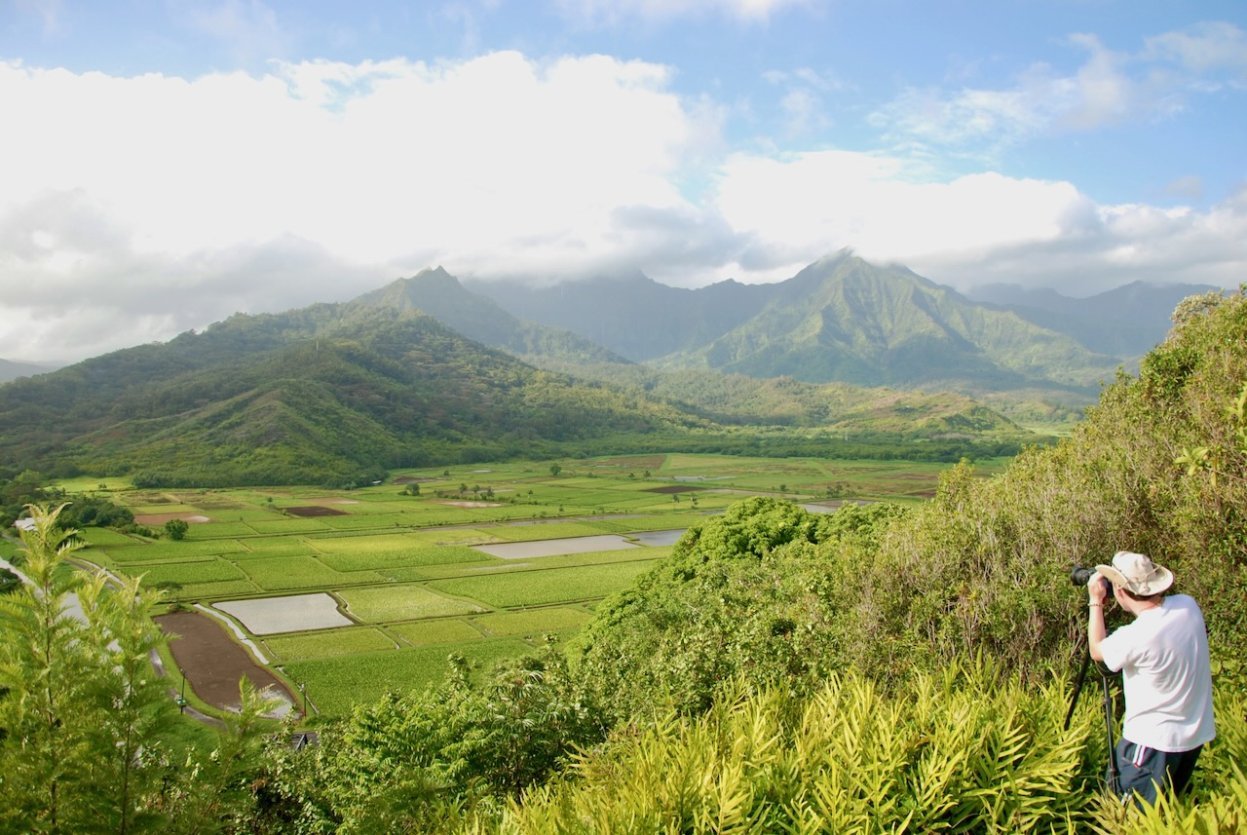
A handful of places across the islands let you see functioning loʻi kalo — the flooded terraces where kalo actually grows — and a smaller handful let you step into the terraces themselves, work in the mud, or watch poi being pounded the traditional way. None of it is a fifteen-minute photo stop. Each place asks a little of you, and each pays you back with the one thing a lūʻau plate cannot: context.
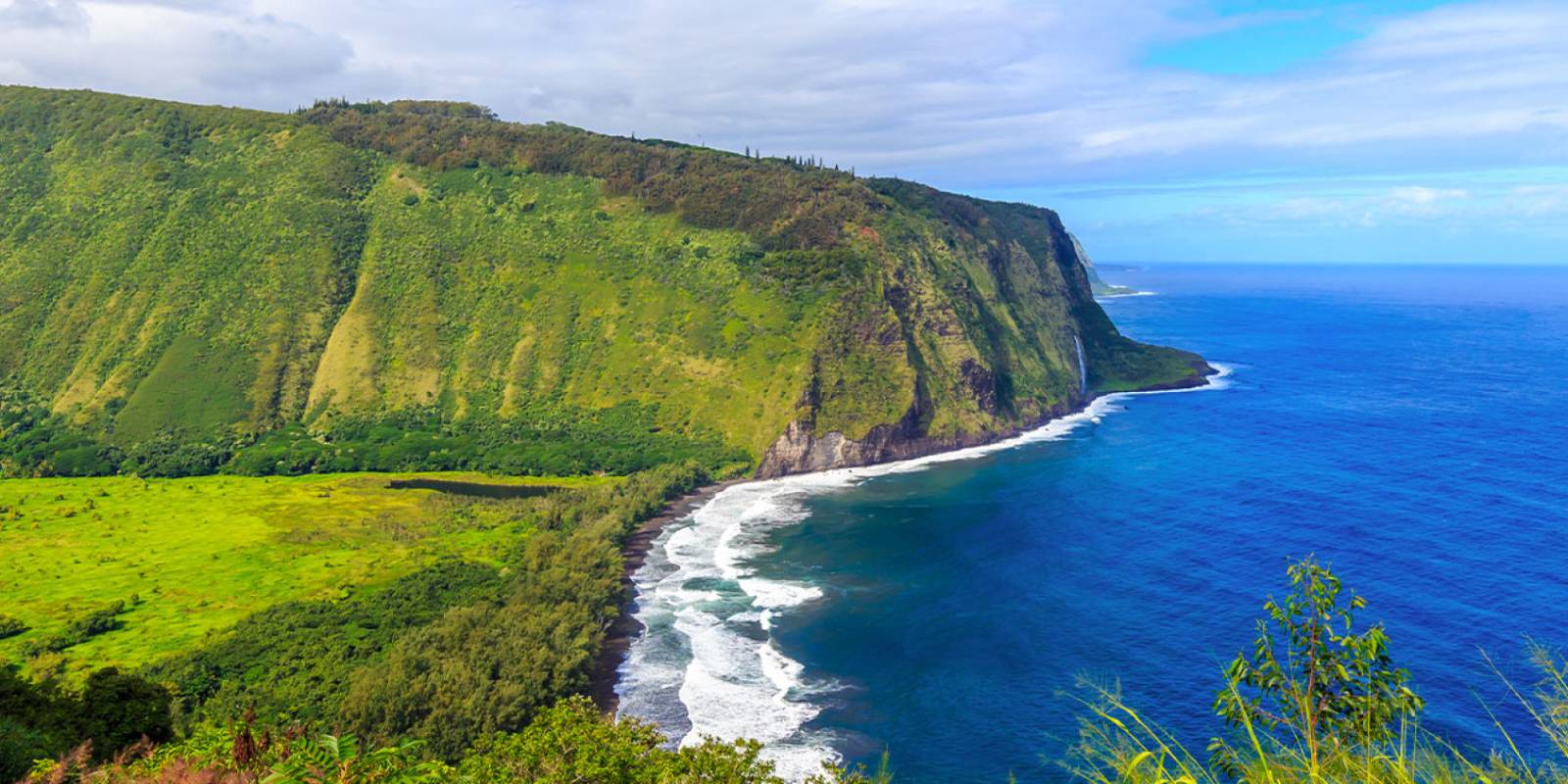
Here is where to look on Kauai, Oahu, and the Big Island, plus one important note on Waipiʻo Valley access before you plan a Hāmākua Coast drive around it.