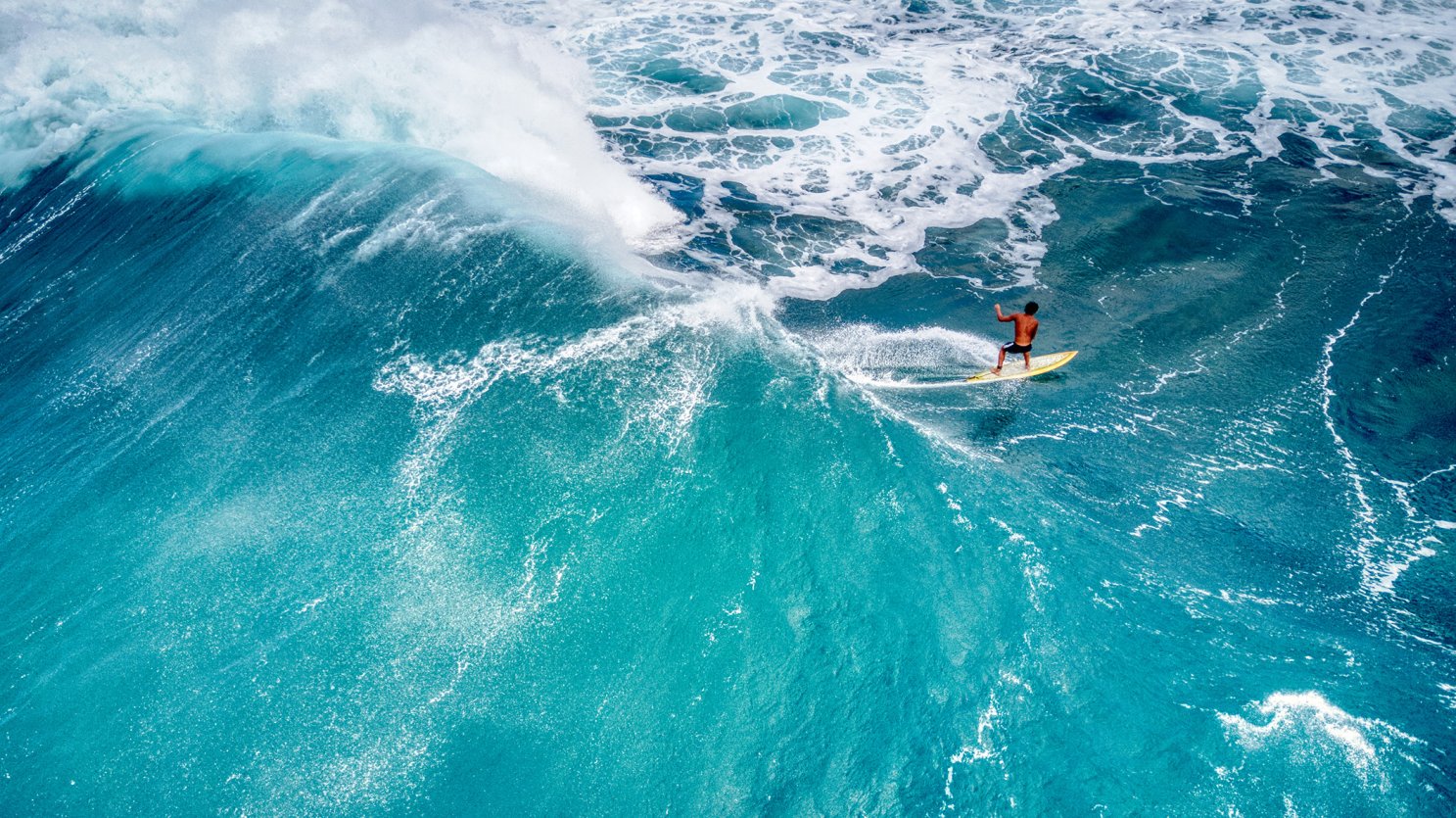


A Hawaii photography tour can mean four very different things: a lesson in using your camera or phone, a sightseeing outing where someone else drives and points you at the view, a private workshop built around your goals, or a portrait session where you are the subject. Decide which of these outcomes you want before choosing a listing. The fix is simple: decide what you want to bring home, then verify the itinerary, teaching minutes, legal access, total quote, pickup, and weather terms before you pay.
Choose the Photo Experience You Actually Want
Start with the deliverable. If you want a new skill, look for a listing that spells out instruction time and welcomes your gear level. If you want your own landscape images, the itinerary and timing matter more than the teaching. If you want portraits, ask how many edited images you receive and when. A phone can be enough for a beginner-friendly tour; confirm your device and any course prerequisites before booking. Our advice: pick a primary goal, then ask how much of the outing is devoted to it.
Match the Booking to Your Island
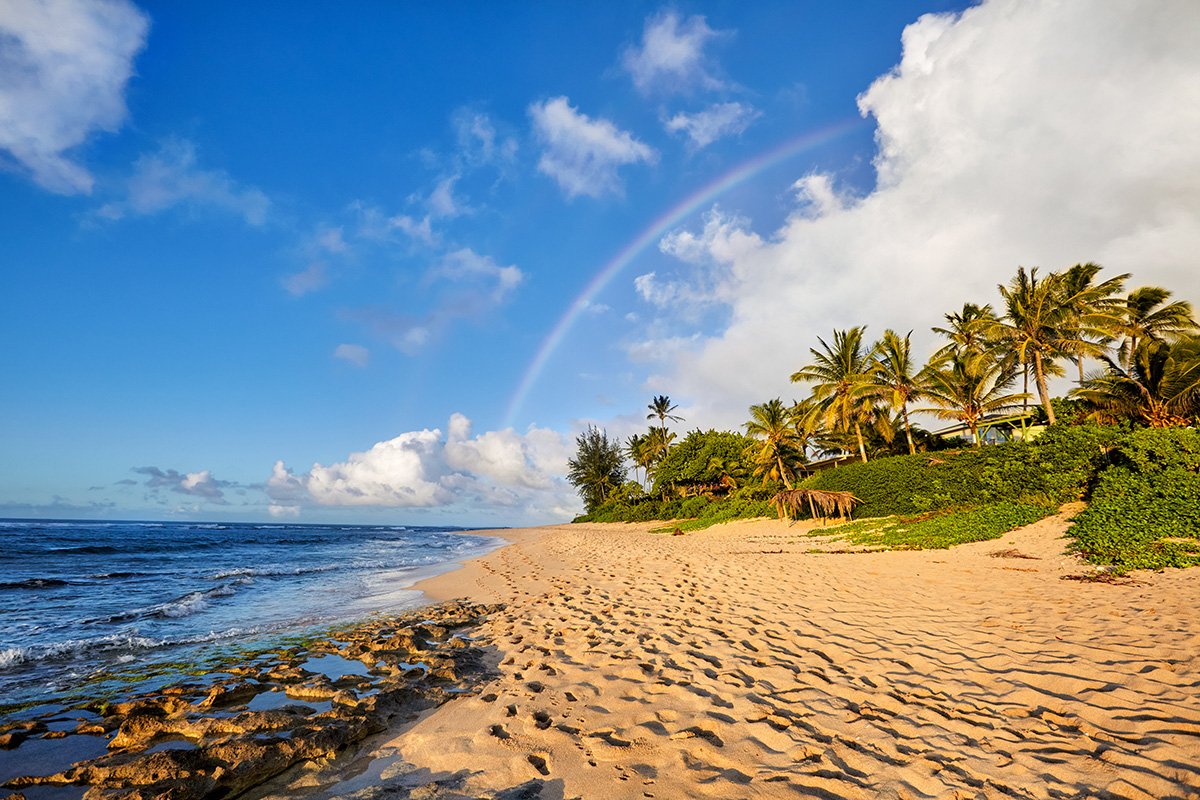
Oʻahu
One Oahu example shows what a clear FAQ looks like. Oahu Photography Tours says no photo experience is needed, any device from a phone to a Polaroid is fine, non-private tours are capped at seven guests, and pickup is at or near Waikiki hotels, with guests staying elsewhere making their way to a designated meeting point. That is one operator's published policy, not a standard every company follows, so read the equivalent page for whoever you book. For broader inventory, browse Oahu day trips on Viator; that category is general sightseeing, so confirm each listing actually includes photo instruction.
Maui
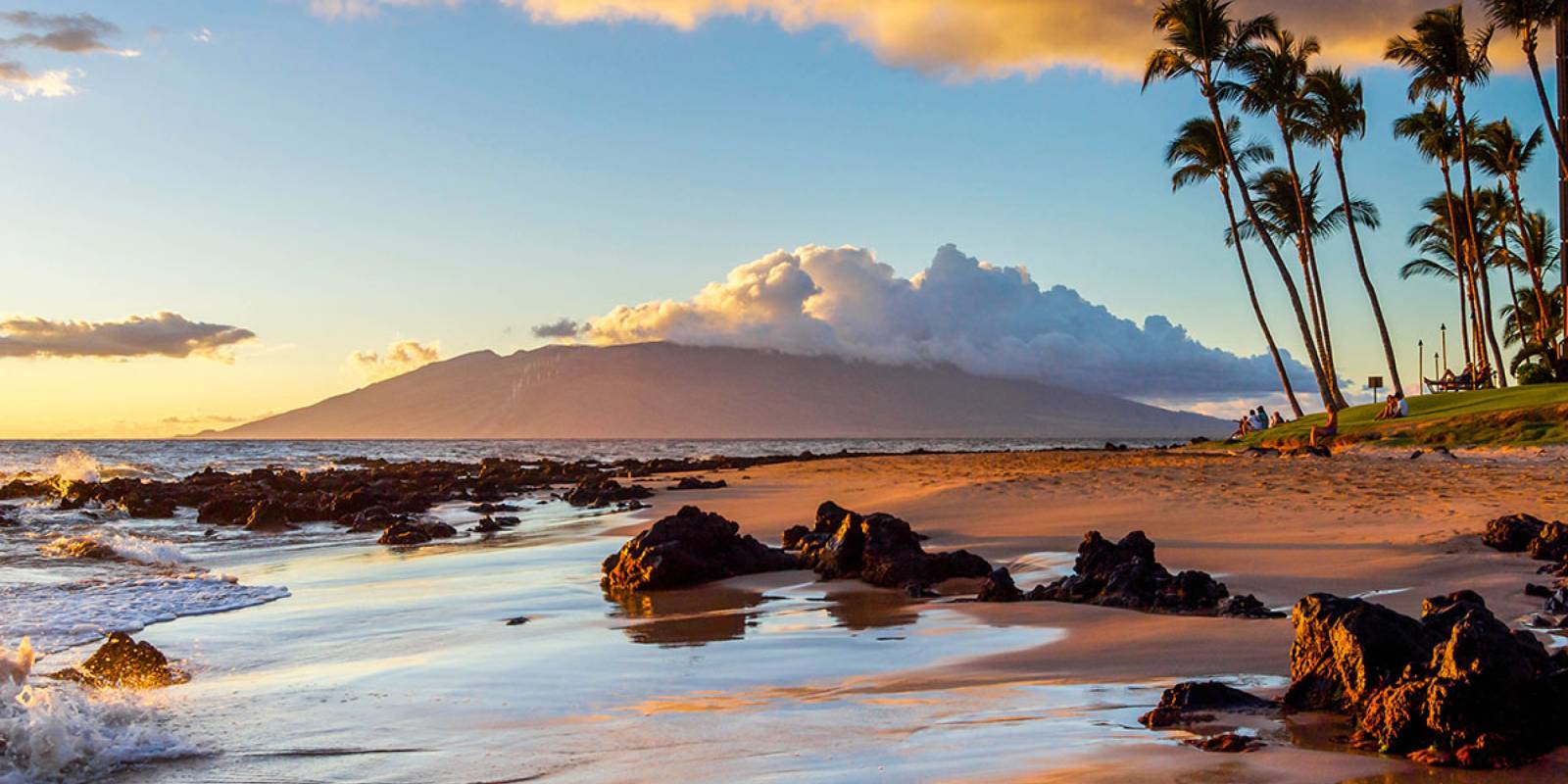
Haleakalā sunrise is the big draw, and the rules are specific. The National Park Service requires a sunrise reservation for self-drive vehicle entry between 3 and 7 a.m., booked through Recreation.gov, and the park entrance fee is separate.
If you go guided, confirm the operator is authorized for that exact activity and that access and fees are in your quote. Ask whether photography instruction is included, who teaches, and how much time is set aside for it. Summit conditions can be cold, wet, and windy; warm layers help but do not remove the health risks.
On the Road to Hāna, shoot from designated legal stops and check current park and road conditions. Compare itineraries at Maui day trips on Viator.

For Haleakalā sunrise, confirm entry arrangements and photography instruction separately.
Big Island
Sunset at the Maunakea summit and night photography lower on the mountain are different outings. The University of Hawaiʻi states the summit area is closed to visitors from 30 minutes after sunset until 30 minutes before sunrise, and stargazing visitors must descend to Park 2.
UH also advises against travel above the Visitor Information Station for anyone under 13, pregnant, with high blood pressure or a heart or respiratory condition, or who has scuba dived in the prior 24 hours. Read the full official screening before booking; a guide cannot make high altitude suitable for everyone.
Ask the exact shooting elevation, acclimatization time, what gear and transport are provided, and your return time. Use the latest official road and weather source for status, and see our Mauna Kea guide. For inventory, browse Big Island day trips on Viator.
Kauaʻi
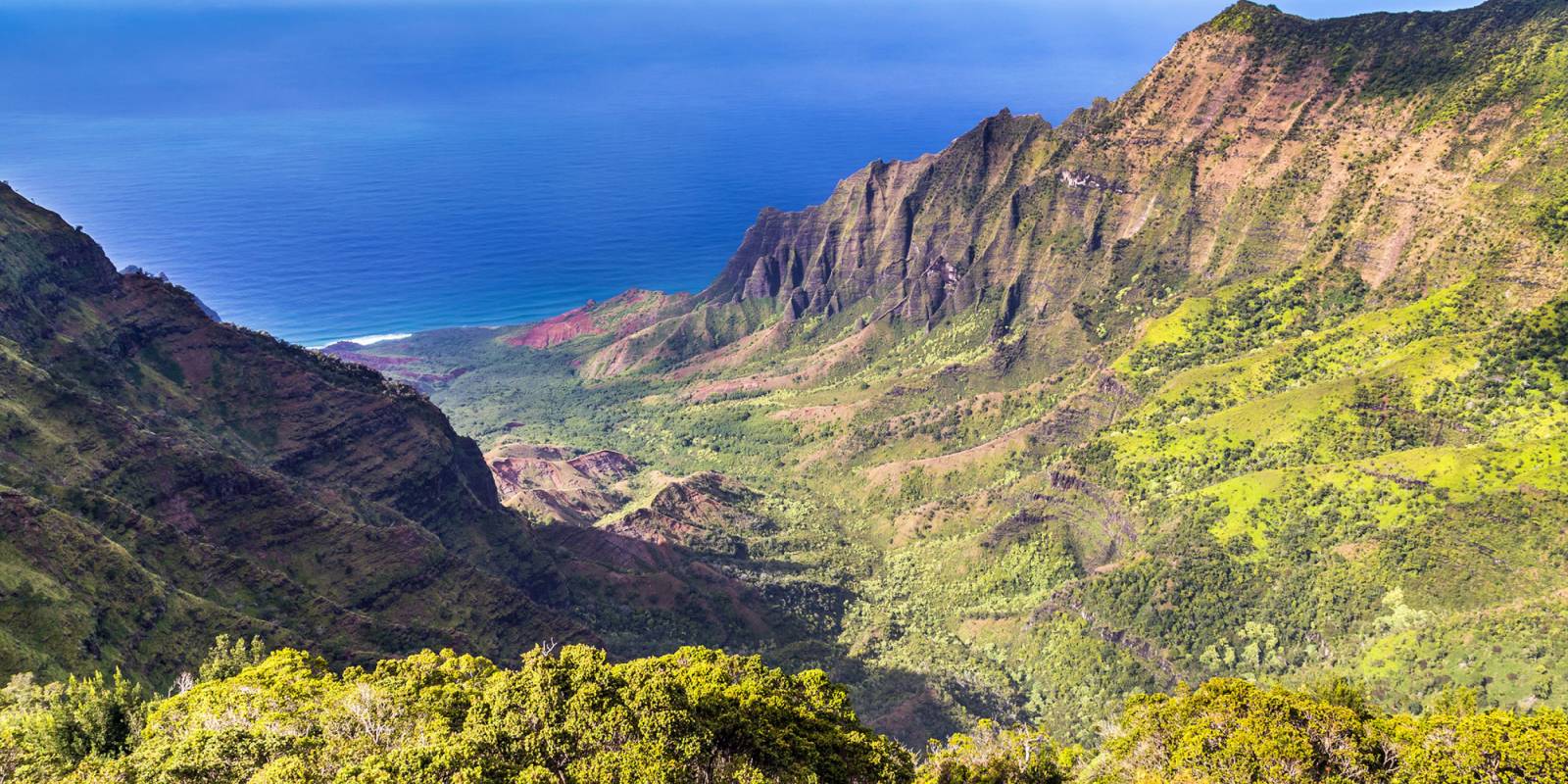
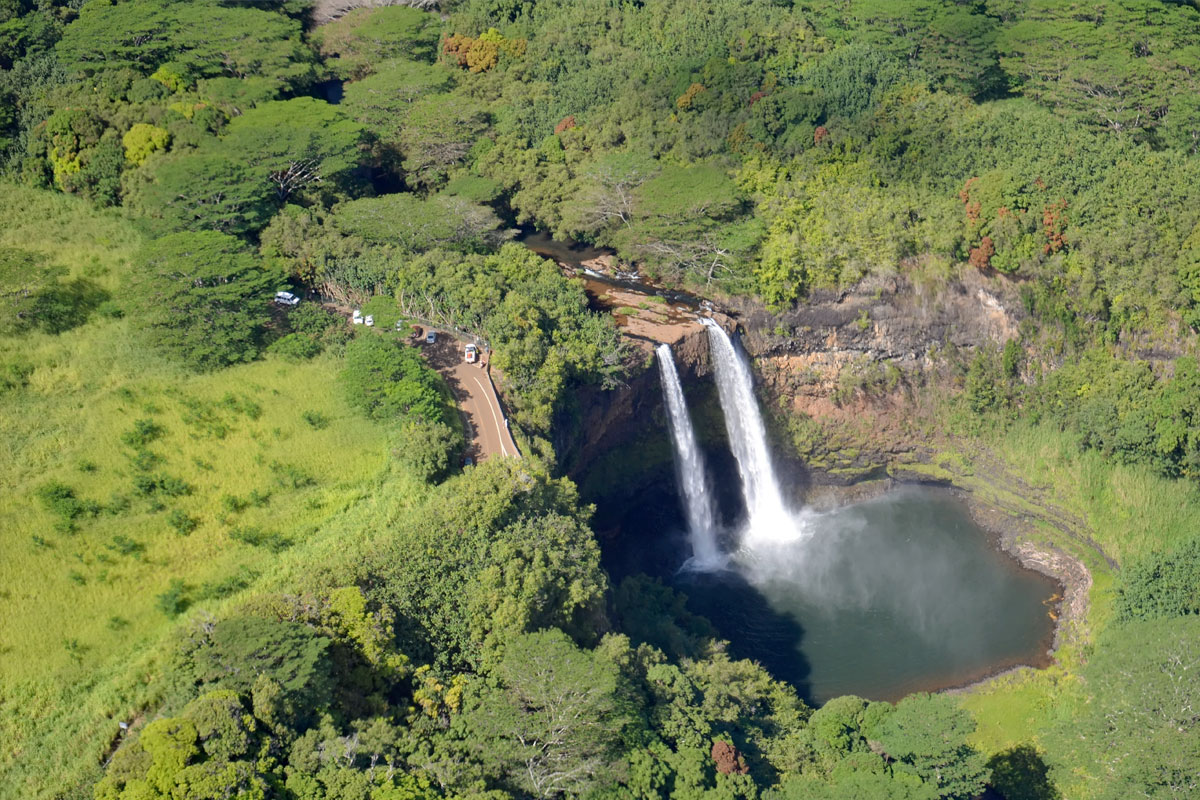
Nā Pali from a boat, from the air, and from a land viewpoint are three different compositions, so choose by the image you want, not by what a listing calls the only way. Land access has its own reservation, permit, and temporary-closure requirements. A photograph in a tour listing is not evidence that the viewpoint is open for your visit. Check our travel alerts and DLNR park notices before committing.
A scenic flight does not promise a particular seat, view, or route, and you should follow the operator's equipment rules rather than assuming any camera strap is allowed. Compare options at Kauai day trips on Viator.
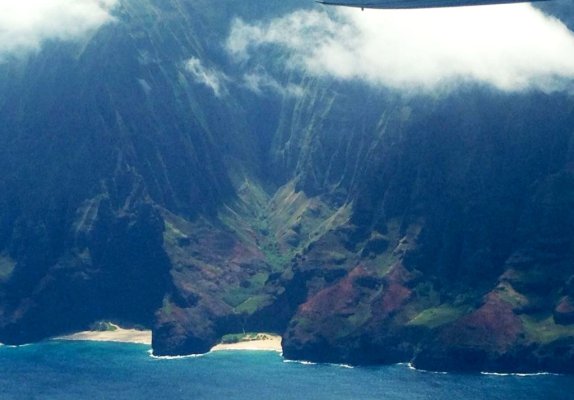
Aerial, boat, and land views of Nā Pali offer different compositions; check access and the actual itinerary. Compare Kauaʻi and the Big Island.
Compare the Whole Quote
Before you pay, get written answers to these: Is it teaching, delivered photos, or both? What is the total price per person including tax and fees, and how does group pricing differ from private? Is a camera loan or tripod included? Is pickup included, or do you arrange transport? Are paid admissions and permits covered? How much walking, on what terrain, and does the ability level fit you? What happens if the operator cancels versus if you cancel, and what are the weather rescheduling and refund terms?
No operator can promise a clear sunrise, cooperative wildlife, or visible lava. If flexibility matters, book early in your trip so a weather day has somewhere to move, though a reschedule is never guaranteed, and strict terms alone do not make an operator good or bad.
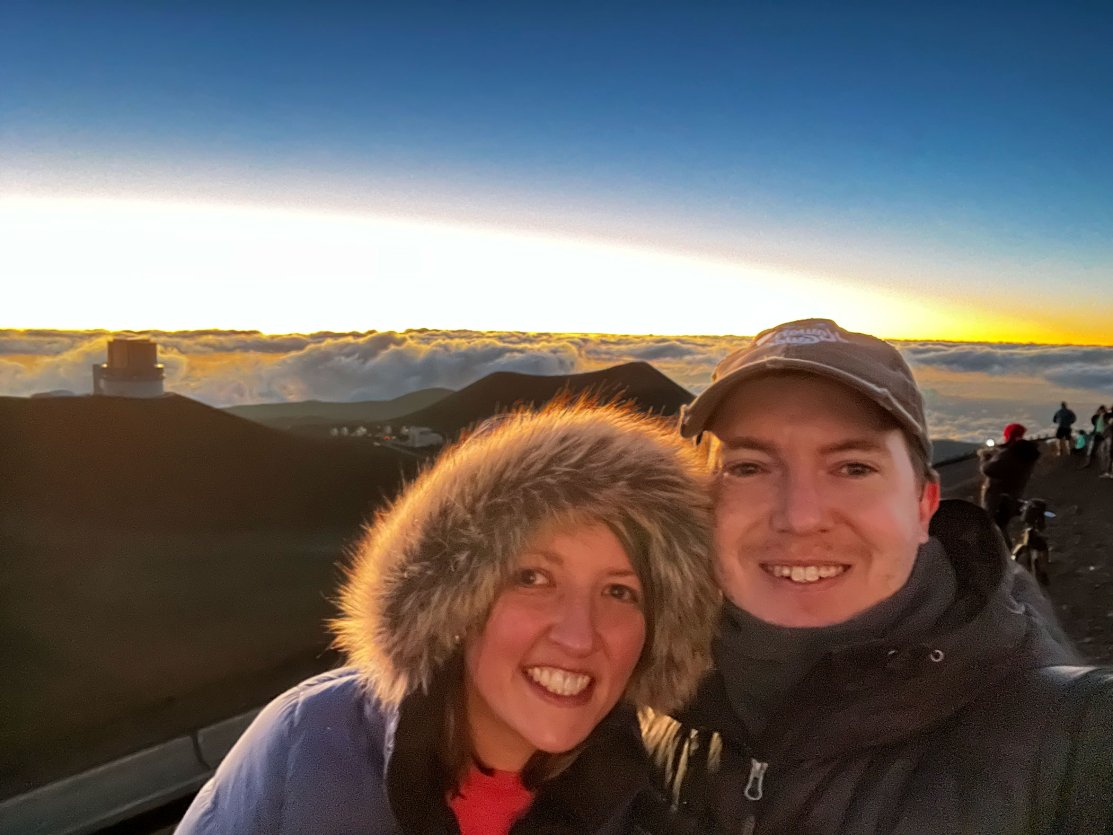
Maunakea summit sunset and night photography below the summit need different plans. See our Big Island trip planning guide.
Keep the Photograph Within the Rules
Wildlife rules are firm. NOAA recommends at least 10 feet from sea turtles, 50 feet from monk seals, and 150 feet from a mother seal with a pup, and federal law prohibits approaching spinner dolphins within 50 yards and humpback whales within 100 yards in Hawaii. Use your zoom, never follow or chase an animal for a frame, and obey larger posted buffers. Do not step toward surf or a cliff edge or enter the water to improve a composition. For in-water sessions, ask whether the instruction, gear, and water-skill prerequisites fit you.
Drones: the National Park Service prohibits launching, landing, or operating drones on lands and waters it administers, subject to exceptions, and DLNR state park rules prohibit their use, launch, and landing. The FAA now lists approved B4UFLY services rather than one app; airspace information does not grant ground permission or waive park rules.
Plan a DIY Alternative
Going it alone? Our photography tips and sunrise and sunset spots cover technique and locations. Skip pre-dawn hikes on unfamiliar trails and never assume access is open. At cultural and community sites, follow our respectful travel guidance: ask before photographing people, and respect a no.
Save this checklist for later: name your goal, confirm the instruction minutes, verify legal access and current closures, get the total quote and weather terms in writing, confirm pickup, and reread the wildlife and drone rules the night before. Keep the operator’s answers with your trip plans so you can compare the booking with what you actually need.