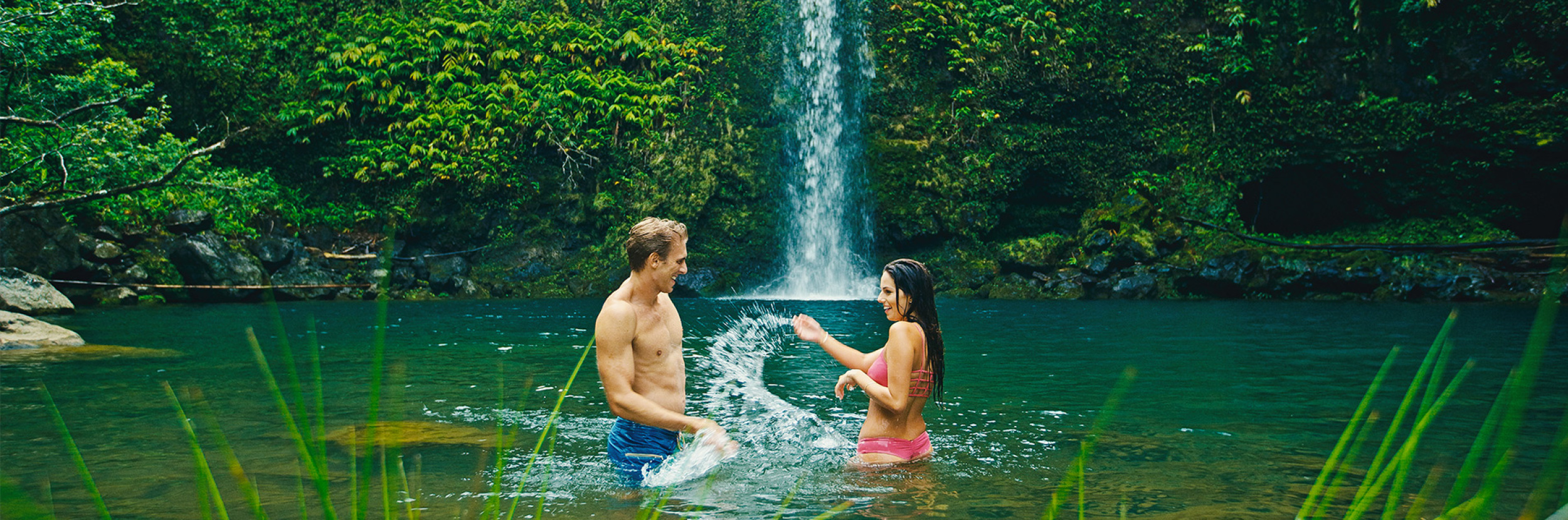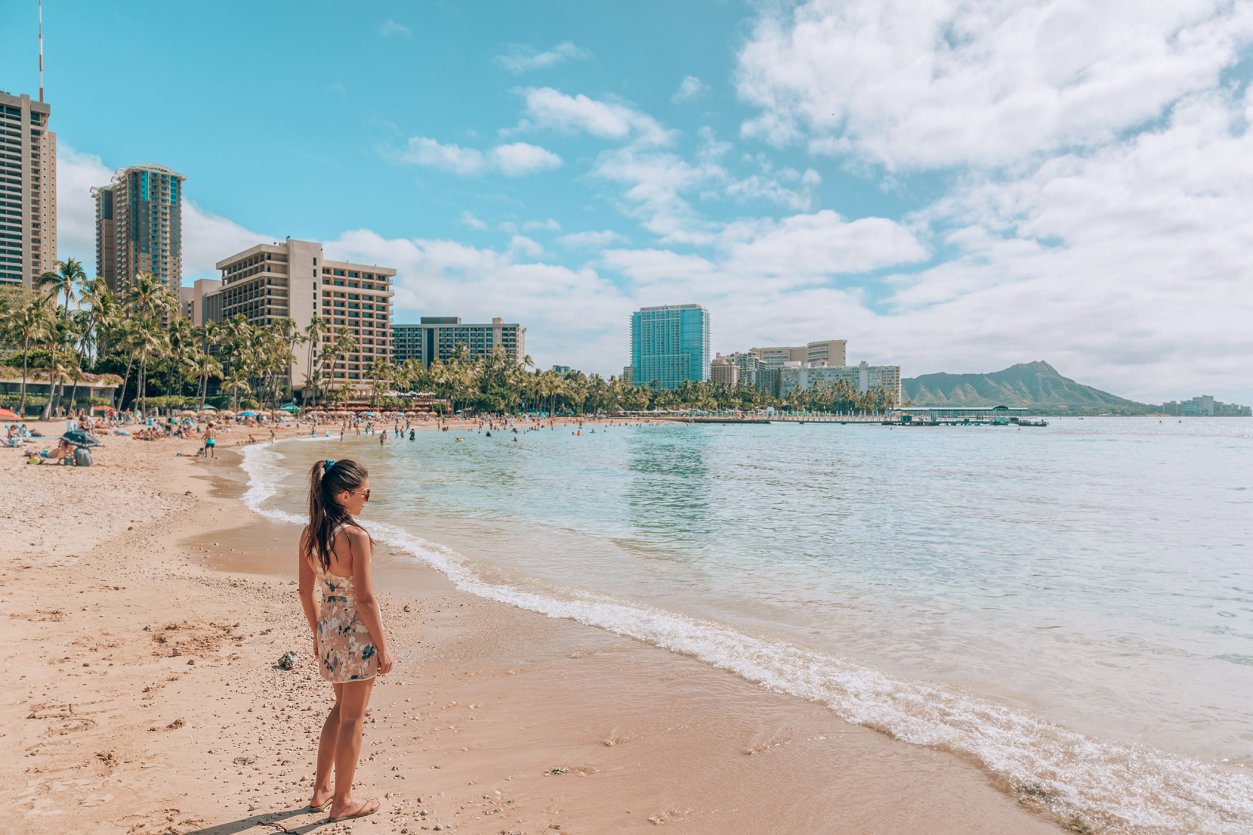
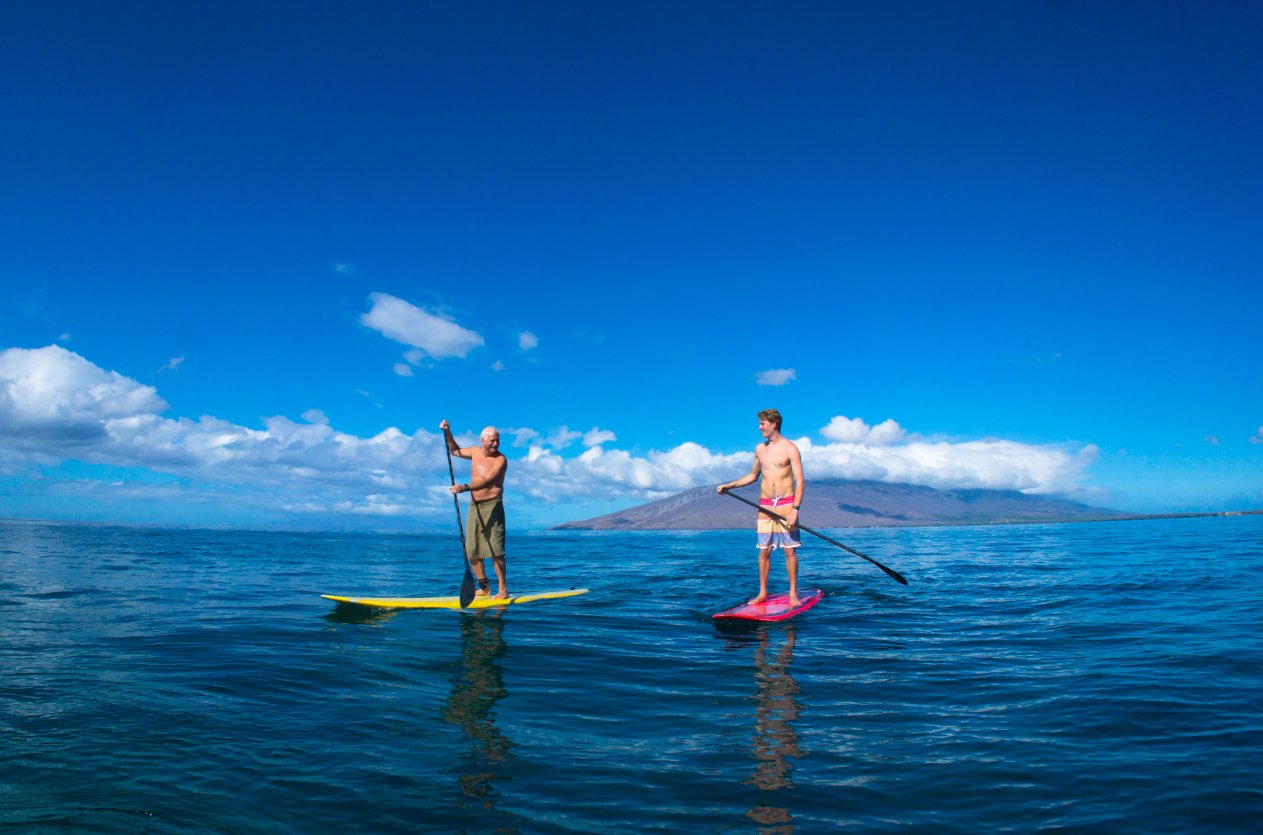


Solo travel in Hawaii works best when the island fits how independently you want to move. Oʻahu offers the easiest car-light trip; Maui, Hawaiʻi Island, and Kauaʻi reward a rental car but require more driving and earlier evenings. Build the trip around transportation and safe activities first, then choose lodging.
Choose the Island Before the Hotel
Oʻahu is our first choice for a solo visitor who wants restaurants, tours, and beaches within reach of transit. TheBus publishes current rider information; verify fares, passes, and routing for each outing because a destination that is reachable may still involve a long ride.
Maui suits travelers comfortable driving between resort areas and activity hubs. Hawaiʻi Island has the longest distances, so group tours can be valuable for major outings. Kauaʻi is quiet and scenic, but limited nightlife and transport make advance planning especially important. On any island, compare the lodging location against every must-do activity on a map before booking.
Solo Safety: Add Margin
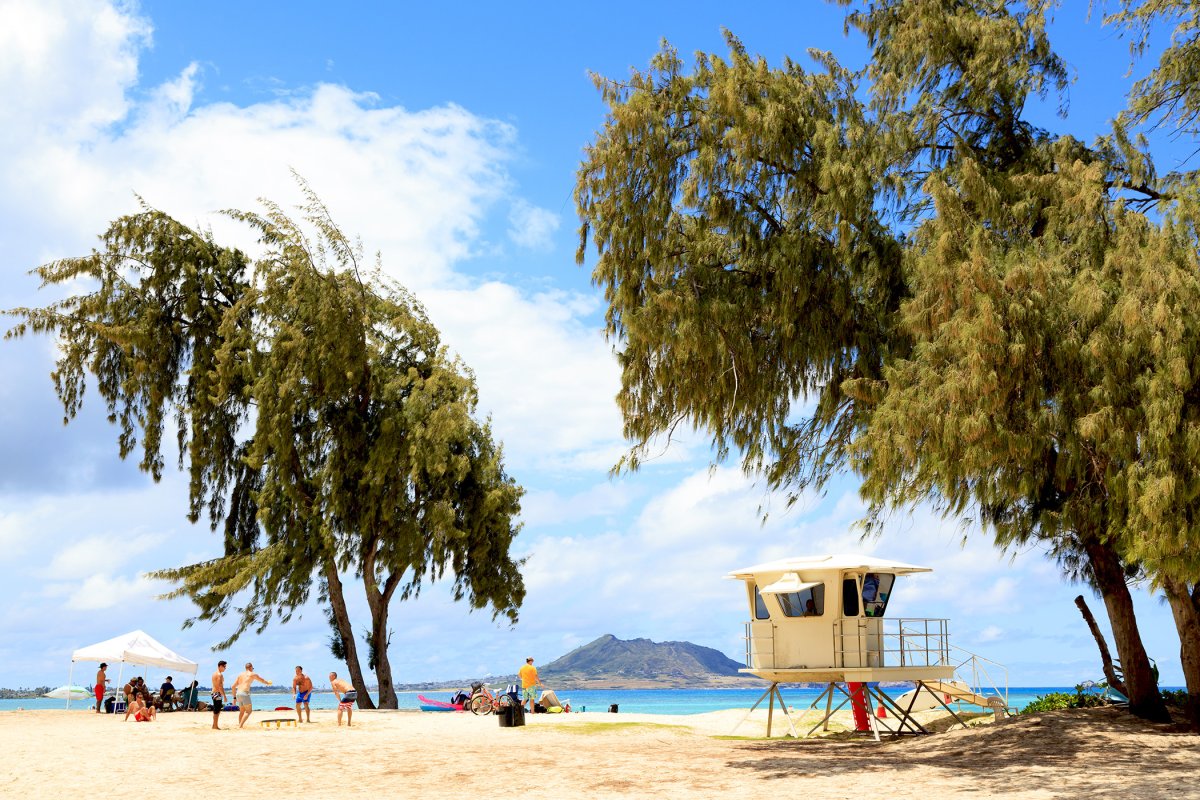
Do not make an unguarded ocean swim your solo activity. Check the lifeguard and hazard information at Hawaii Beach Safety, follow posted warnings, and choose a different beach when conditions exceed your ability. Never turn your back on the ocean near rocky shorelines.
For hiking, use managed trails, check official closures, tell someone the exact route and return time, and turn around before weather or daylight becomes a problem. Leave nothing visible in a parked car, including an empty bag or beach towel. For a remote outing, a guided group is often worth more than squeezing another stop into the day.
Budget Without Fragile Price Assumptions
Solo travelers absorb the full room and vehicle cost. Compare the total trip—not just the nightly rate—and include parking, resort fees, fuel, activity transportation, and single-person tour availability. A walkable Oʻahu stay can cost more per night but eliminate a car; an outer-island room can look cheaper until driving costs are added.
Hostels, vacation rentals, and campsites change policies and availability often. Verify licensing, current reviews, cancellation terms, neighborhood access, and official permit requirements before paying. Do not rely on an old nightly-price list.
Meet People Without Depending on Strangers
Small-group food, paddling, cultural, or guided hiking experiences create natural conversation without making another traveler responsible for your safety. Counter-service restaurants, food halls, farmers markets, and bar seating make solo meals easy. Keep independent transport and a charged phone, and do not accept an ocean or backcountry plan that you would not choose on your own.
A Practical Solo Itinerary Rule
Schedule one fixed, guided anchor activity and one flexible nearby option per day. Keep the arrival evening simple, avoid stacking a long drive after a strenuous tour, and leave a weather buffer for the activity you care about most. This creates room to change plans without leaving you isolated or rushed.