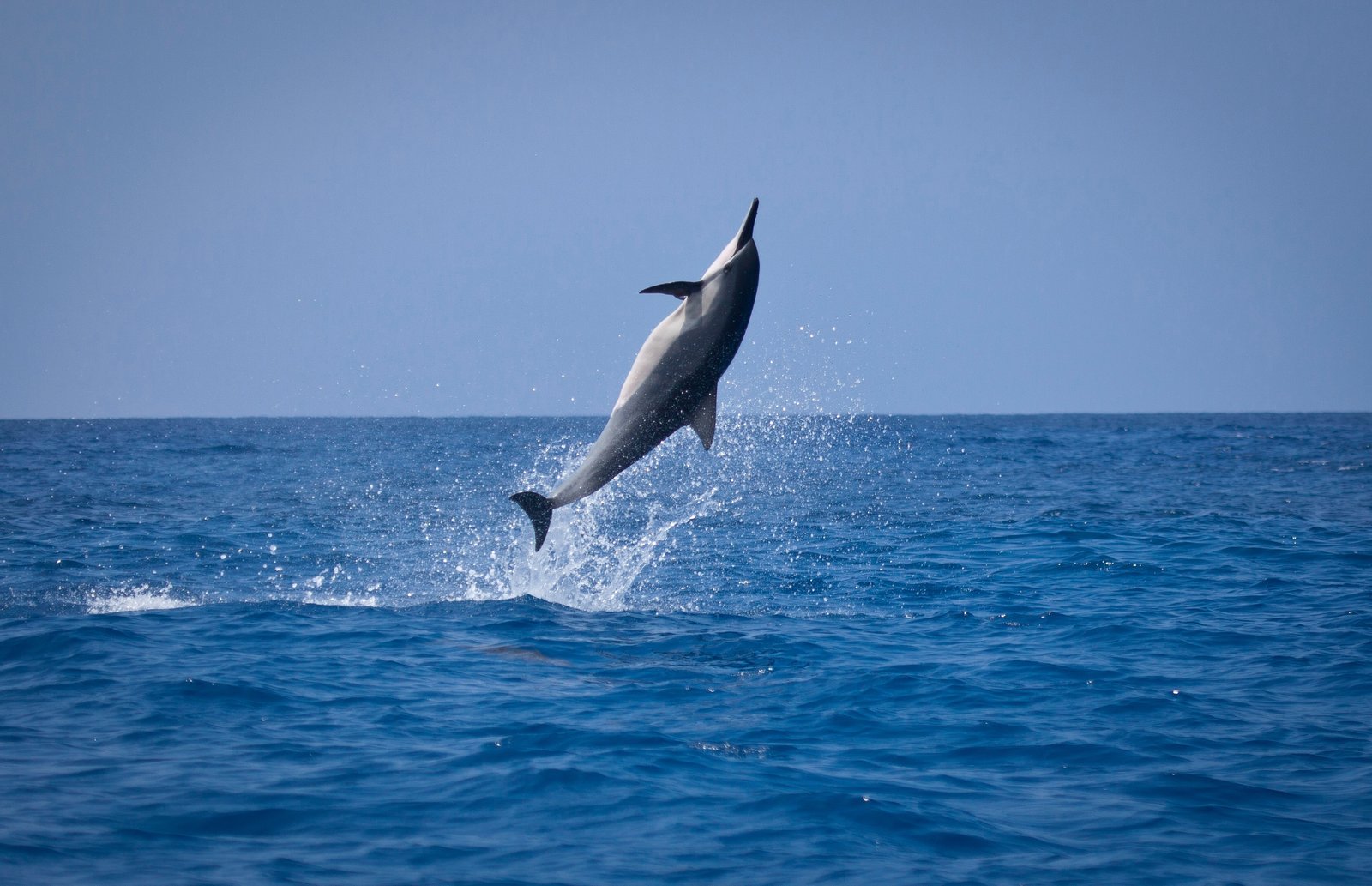

Most visitors arrive in Hawaiʻi picturing themselves swimming alongside wild dolphins. Here’s the part nobody puts in the hero copy: since October 2021, federal law has prohibited swimming with or approaching Hawaiian spinner dolphins within 50 yards. That covers swimmers, snorkelers, kayakers, paddleboarders, and any vessel. It applies around the main Hawaiian Islands, out to two nautical miles from shore. The rule has teeth. In 2023, NOAA issued federal penalties to three swimmers who chased a pod off Mākua Beach on Oʻahu. If a tour page still promises an in-water wild spinner dolphin encounter in main-island waters, walk away — that’s either a misrepresentation of what they can legally deliver or a violation in progress. The good news: spinner dolphins are easy to see legally. Resident pods come into the same shallow bays many mornings, and from-shore viewing at the right spot is one of the more magical things a Hawaiʻi trip offers. Below is the rule, the biology behind it, and where I’d actually go.
The 50-yard rule, in plain language
NOAA Fisheries published the final rule on September 28, 2021, and it took effect 30 days later on October 28, 2021. The prohibition is straightforward: no person, vessel, or object may swim with, approach, or remain within 50 yards (about 45.7 meters) of a Hawaiian spinner dolphin in waters around the main Hawaiian Islands, out to two nautical miles from shore. That distance covers everything you might be doing in the water. A kayak counts. A paddleboard counts. A drone over the pod counts. Even sitting still and letting them come to you can count as an “approach by interception” — placing yourself in their path so they swim to within 50 yards. What’s still allowed: watching from shore, watching from a vessel that maintains the 50-yard distance, and continuing normal navigation if a dolphin chooses to approach you. There is also an inadvertent-encounter exception. If a pod swims up to you while you are already in the water, you do not get fined for being there — but you must “make no effort to engage or pursue” and take immediate steps to move away. Stop swimming toward them. Don’t dive down. Get out of their path. The rule pays specific attention to the resident pods around the main Hawaiian Islands that come into shallow nearshore waters during the day to rest. Those are the dolphins visitors actually encounter.
Why the rule exists — they're sleeping
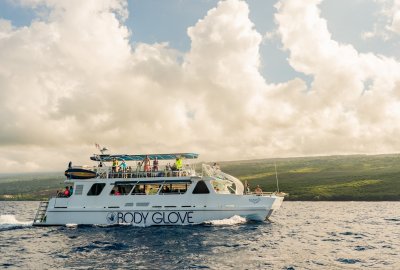
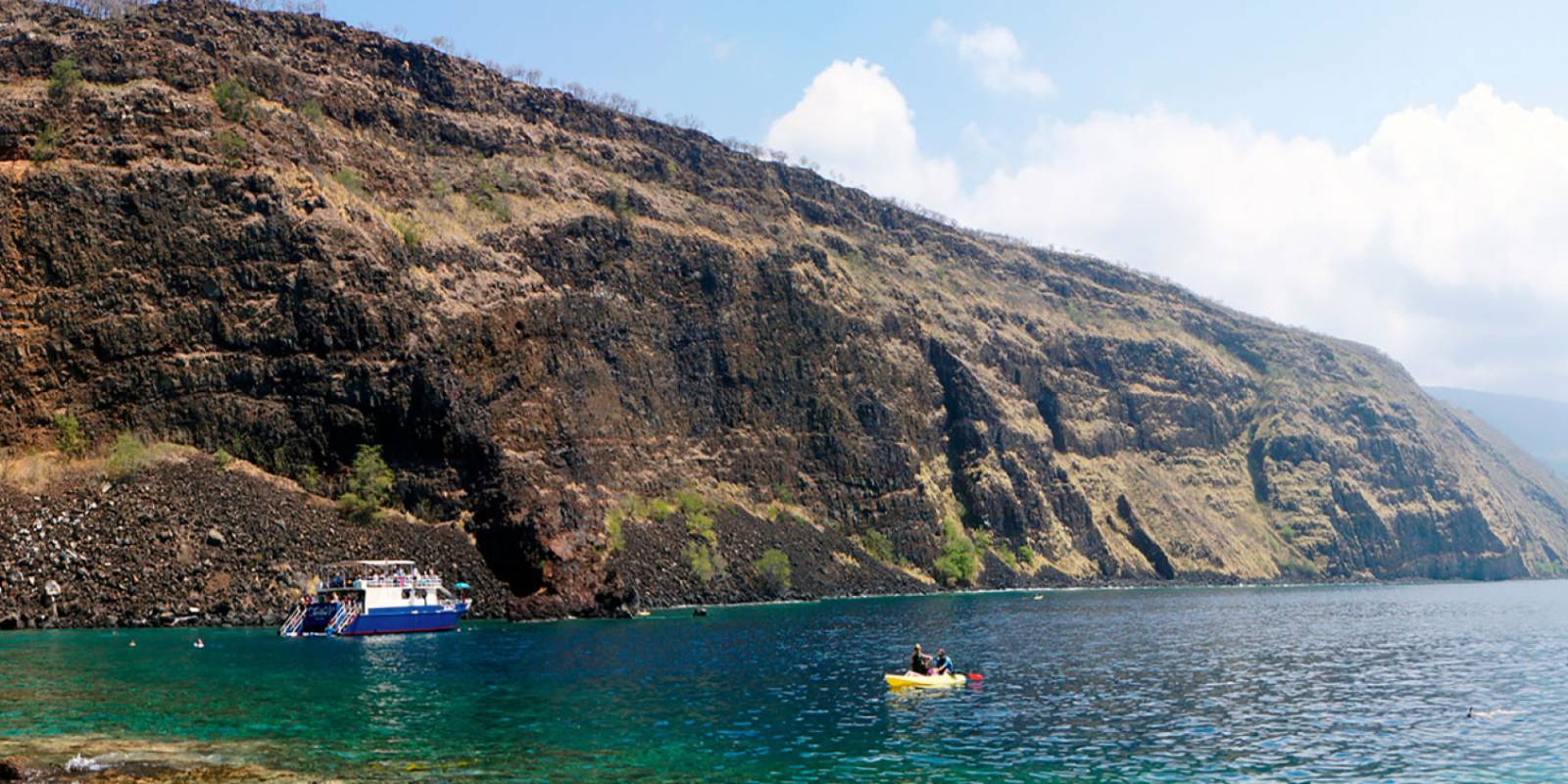
Boat-based viewing at the legal 50-yard distance is now the standard for spinner dolphin encounters in Hawaiʻi.
Hawaiian spinner dolphins are nocturnal hunters. They spend the night in deep offshore water, chasing squid and small fish. By dawn they come into sheltered, sandy-bottomed bays close to shore — water that’s calm, clear, and protected from predators. They spend the daylight hours resting in tight formation, moving in unison back and forth across the bay in a behavior researchers call “milling.” Cetaceans don’t sleep the way humans do. Half their brain rests at a time so they can keep surfacing to breathe. The pod stays close together for safety while half of its collective brain is offline. It works only if the bay stays calm and predictable. Every snorkeler, kayak, or boat that pushes into a resting pod can interrupt that rest cycle. Each disturbance burns calories the dolphins earned the hard way the night before. NOAA’s research showed that chronic exposure to human activity in their resting bays measurably degrades their fitness over time — they sleep less, hunt less efficiently, and raise fewer calves. The 50-yard rule isn’t about your day. It’s about whether the pod can finish a night’s hunt and keep making baby dolphins.
Where you'll actually see them — Big Island
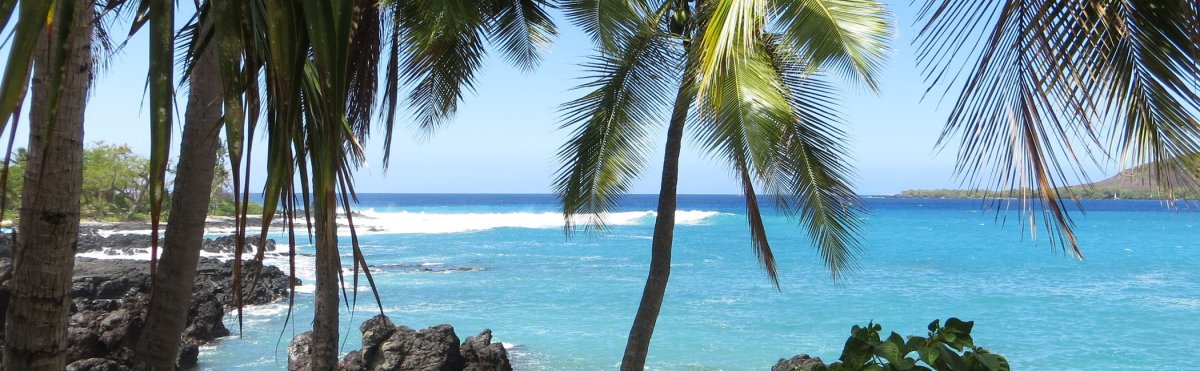
Kealakekua Bay on the Big Island's Kona Coast — one of the consistent morning resting bays for spinner dolphins.
The Big Island’s Kona Coast is usually my first recommendation for travelers serious about seeing resident spinner dolphins. NOAA identifies four bays as essential daytime habitat on the Big Island: Makako Bay just north of Kona, Kealakekua Bay south of town, Honaunau Bay just past that, and Kauhakō Bay further south. Of those, Kealakekua Bay and Honaunau Bay are the two most accessible to visitors. From shore. Drive to Two Step (the snorkel entry next to Pu’uhonua o Hōnaunau) early — sunrise to about 9 a.m. is the window. Stand on the lava-rock shoreline above the entry and scan the bay. If a pod is in, you’ll see the surfacing pattern in clusters: ten or twenty dorsal fins coming up together, pausing, going under, coming up again. The leaps and full body spins that give the species its name happen in bursts. Most of the resting period the pod is under water with only the breath cycle visible. Kealakekua Bay has shore access from the Manini Beach side and a hike-down option from the Captain Cook Monument trail, but the bay is a designated marine reserve with stricter rules — read the DLNR signs at the trailhead and stay off the water near any visible pod. The bay is also one of the priority resting habitats Hawaiʻi DLNR specifically calls out for spinner dolphin protection. From a boat. Kona snorkel charters out of Honokōhau Harbor and Keauhou Bay commonly include a “dolphin watch” leg as part of a half-day trip. They’re obligated to stay 50 yards off any pod. A reputable operator will tell you up front that no in-water interaction is part of the trip. If a tour page still markets a “swim with wild dolphins” component in main-island waters, that’s a flag — not a feature.
Spinner dolphins on the other islands
Oʻahu. The Waiʻanae Coast on the leeward (west) side has resident pods that come into the essential resting habitats NOAA identifies between Mākaha and Mākua. Catamaran day-trips out of Waiʻanae Boat Harbor run dolphin-watch sails, and the operators that previously sold in-water trips here have shifted to boat-only viewing under the rule. From shore, scan from the pull-offs along Farrington Highway between Pōkaʻī Bay and Mākua. The dolphins are usually visible inside the reef line if a pod is resting that morning. Maui and Lānaʻi. The ʻAuʻau Channel between Lānaʻi and Maui is recognized habitat, and snorkel catamarans heading to Lānaʻi’s south shore commonly cross paths with pods. Hulopoʻe Bay on Lānaʻi is itself a known resting bay. The Sweetheart Rock trail overlook gives dry-feet views straight into the bay. Kauaʻi. Less consistent than the other islands but still common along the Nā Pali Coast on summer mornings, and occasionally inside Hanalei Bay. Most viewing here is incidental from a Nā Pali boat tour rather than a dedicated dolphin trip.
What 'responsible viewing' looks like in practice
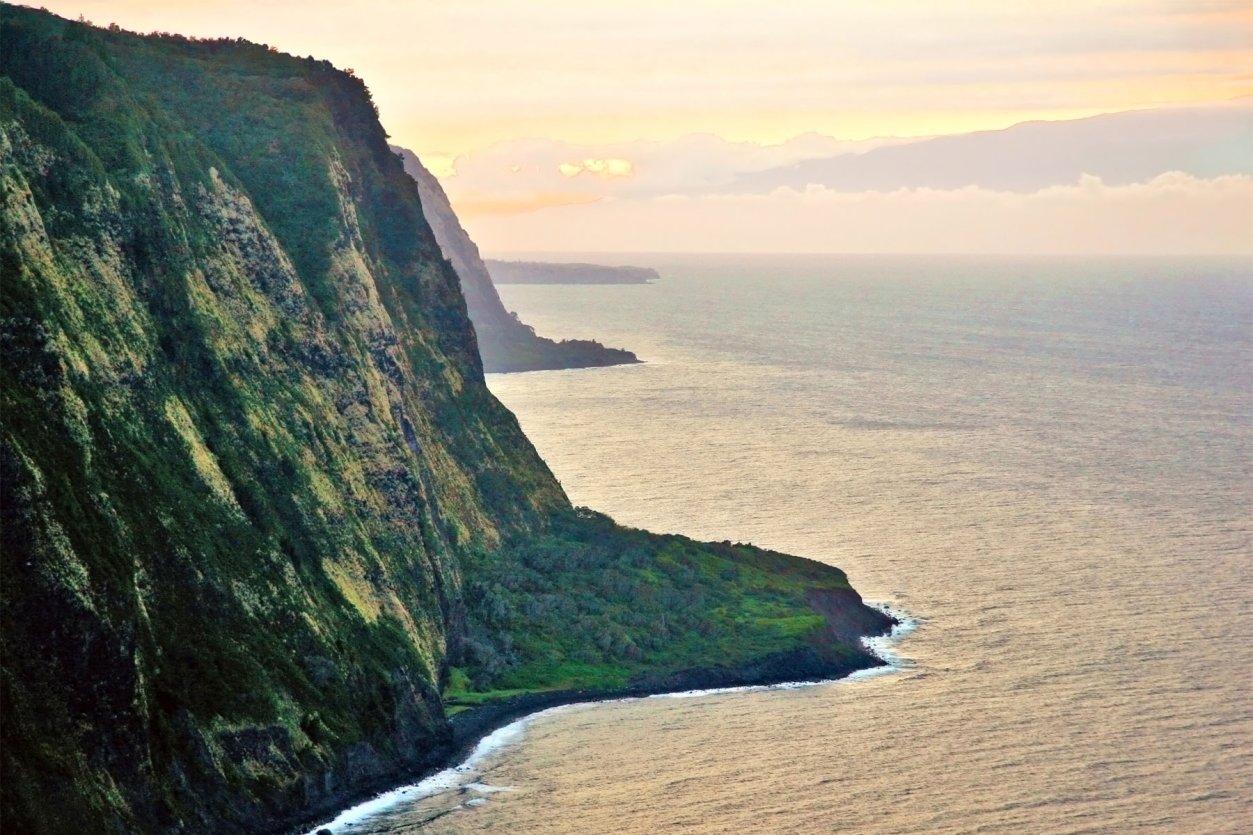
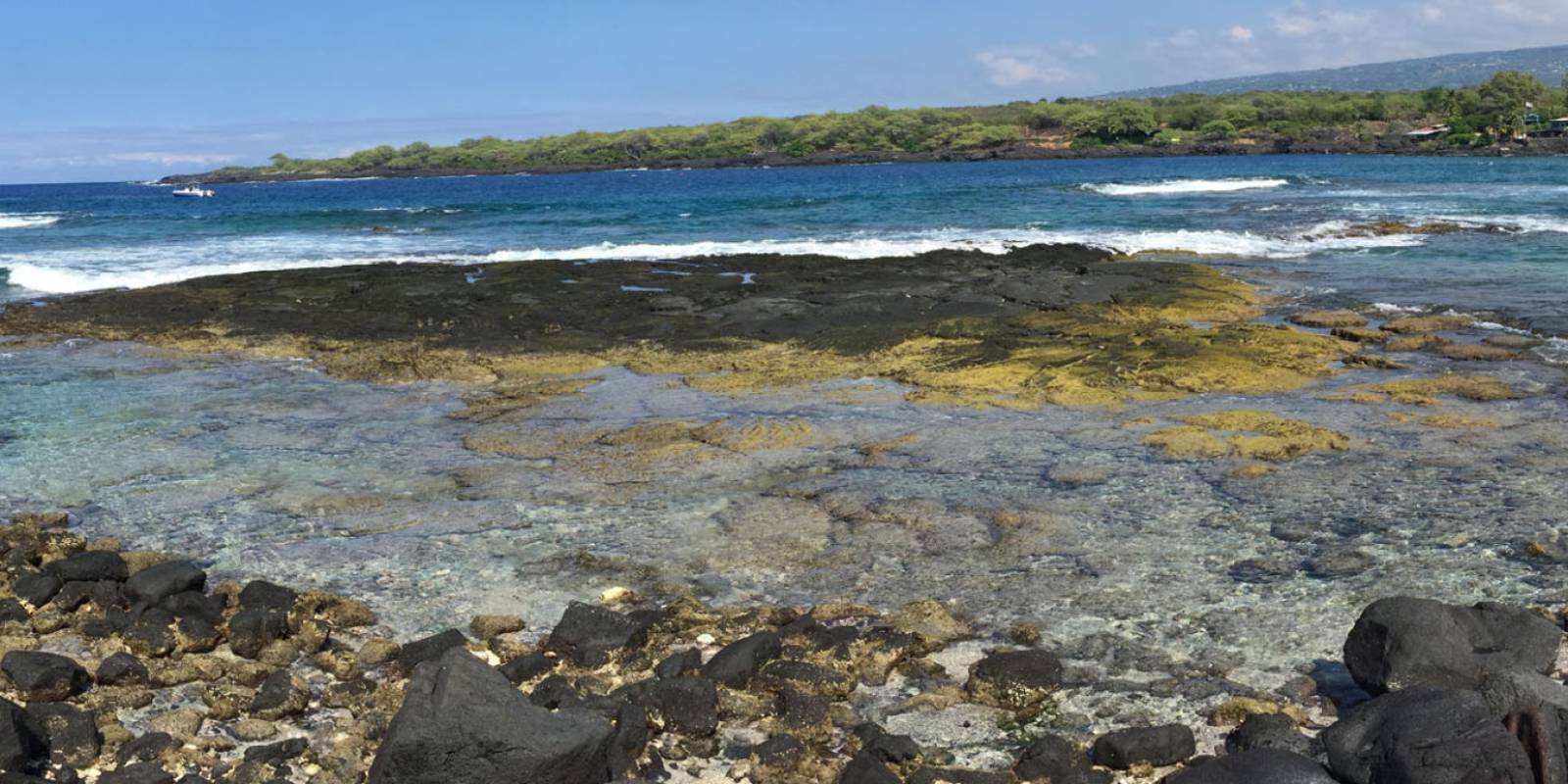
The quiet bays along the Kona Coast are the daytime resting habitat NOAA's rule was written to protect.
A few things turn a casual encounter into a respectful one: Watch from shore when you can. Distance does not hurt the experience. A pod surfacing together in glassy morning water is something you remember whether you’re 50 yards out or 500. Don’t post the location. Public geo-tagged “I saw spinners at X bay this morning” posts pull crowds to resting habitat the same week. If you watched a pod, share that it was Hawaiʻi and skip the specific bay. If a pod approaches your snorkel spot, freeze, then retreat. Swimming away calmly is the legal answer. Don’t try to look like a coral head and stay put — staying within 50 yards once you know they’re there can still be cited as “approach by interception.” Choose boat operators that say “watch,” not “swim.” The legitimate ones now use language like “dolphin watch sail” or “wildlife viewing cruise.” A page still selling “swim with wild dolphins” in main-island waters is the wrong page. Don’t try to “get closer for a photo.” A 200mm lens or even a phone zoom does the job from 50 yards. The video of a swimmer chasing a pod is what gets cited.
Penalties and how to report a violation
Spinner dolphins are protected under the Marine Mammal Protection Act. Civil penalties under the MMPA, adjusted for inflation, currently top out at $36,536 per violation, and knowing violations can carry criminal penalties up to $100,000 and a year in jail per offense. Those are the statutory ceilings, not the typical fine — most cases visitors might encounter are settled at much lower summary penalties scaled to the conduct. The visible enforcement push so far includes the three swimmers fined in 2023 for pursuing a pod off Mākua Beach on Oʻahu. NOAA officers patrol from boats and from shore, and drone footage from witnesses has been used to support cases. To report a violation in real time, call the NOAA Office of Law Enforcement hotline at 1-800-853-1964. If you can document the violation safely without yourself getting within 50 yards (photo, video, location and time), that helps the case. The NOAA online reporting form is the right path for after-the-fact reports.
If you really wanted to swim with dolphins
Swimming with wild Hawaiian spinner dolphins in covered main-island waters is not legal anymore, and that’s the point. The trade is a more rested wild population. The legal alternative most visitors don’t realize exists: Sea Life Park on Oʻahu’s east side runs in-water dolphin programs with captive bottlenose dolphins in a controlled lagoon, operated under federal animal-welfare regulation. That’s a different animal in a different setting, and it’s an honest choice for travelers who want a hands-on encounter without disturbing a wild pod. Whether captive cetacean experiences match your ethics is a separate decision — I’d just rather you make it knowingly than book the wrong “swim with dolphins” page. For the wild experience, the boat-based watch trips out of Kona and Waiʻanae are the right shape. You watch a pod from a deck, stay 50 yards off, and avoid interrupting their rest or travel. The 50-yard rule isn’t a tourism downgrade. It’s a reset of the contract between visitors and an ocean species that lets Hawaiʻi remain the kind of place where wild dolphins still come into the bay every morning.