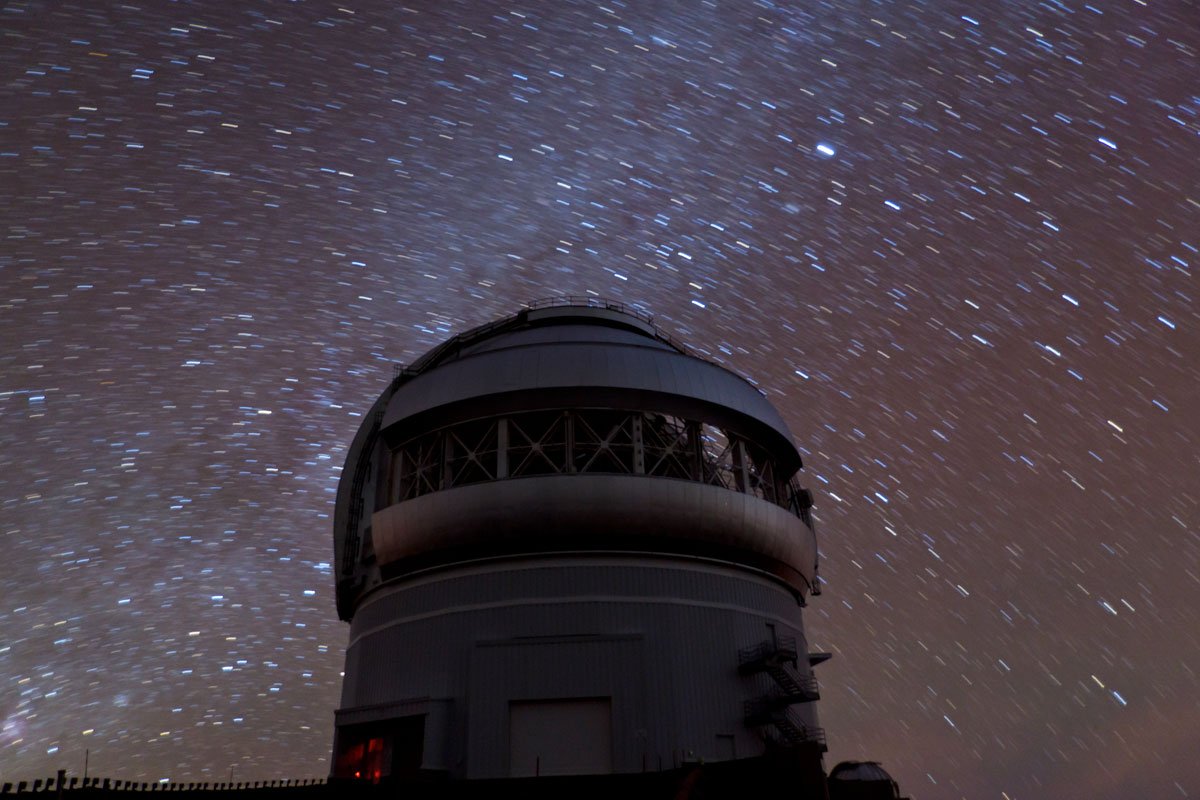


Hawaii can offer exceptional night skies, but elevation alone does not guarantee a good visitor experience. Clouds, moonlight, wind, road access, park hours, and the drive back to your lodging all matter. Choose the safest practical site, then check live conditions and official access notices on the day you go.
Hawaiʻi Island: Maunakea Visitor Information Station
The Maunakea Visitor Information Station is the correct public planning source for current hours, weather, road status, health guidance, and access above the station. Do not rely on an old claim that free public telescopes will be operating; check the official page and calendar.
The summit is a culturally significant, high-altitude working observatory area—not an unrestricted night viewpoint. Visitor vehicles must leave the summit area shortly after sunset under current rules, and travel above the station has vehicle and safety requirements. A guided tour can reduce driving burden, but verify its current itinerary and price directly.
Maui: Haleakalā With an Exit Plan
Haleakalā’s summit can provide a broad sky view, but cold, wind, cloud, altitude, and a long dark descent are meaningful constraints. Sunrise has a reservation system; check National Park Service alerts and operating information for all visits. Bring genuinely warm layers and skip the summit when anyone is unwell, overtired, or uncomfortable with mountain driving.
Kauaʻi: Prefer Accessible West- or South-Side Sites
A legal, open beach park near your lodging can outperform a remote destination when clouds or road conditions are uncertain. Polihale is isolated and its unpaved access can deteriorate; check official state-park conditions and do not treat it as a casual night drive. Keep away from the waterline in darkness and obey park closing rules.
Oʻahu: Work Around City Light
Oʻahu has more light pollution, but a clear moonless evening from a legal Windward or North Shore park can still reveal much more than Waikīkī. Choose a site with lawful nighttime access, safe parking, and no gate that may close behind you. Do not use remote trails, Kaʻena Point, or unlit rocky shorelines as improvised after-hours observatories.
Time the Moon, Not a Fixed Meteor Date
Check the moon phase and rise/set time for your exact dates. A bright moon can wash out faint stars, while a cloud forecast can defeat even the darkest site. Meteor-shower peaks shift by year and are affected by moonlight, so use a current astronomy calendar rather than an old date list.
Our Stargazing Checklist
Verify access and closing time, inspect the cloud and wind forecast, check the moon, save the return route, carry warm clothing, and use a dim red light once parked. Never stop on a highway shoulder or trespass for a darker view. Allow time for eyes to adjust and keep expectations flexible.