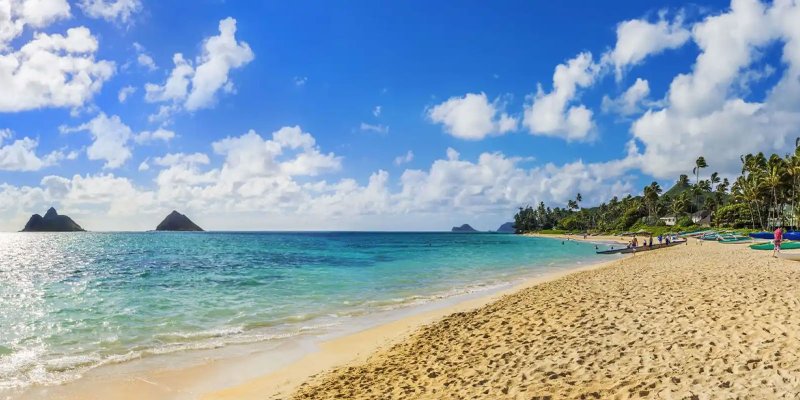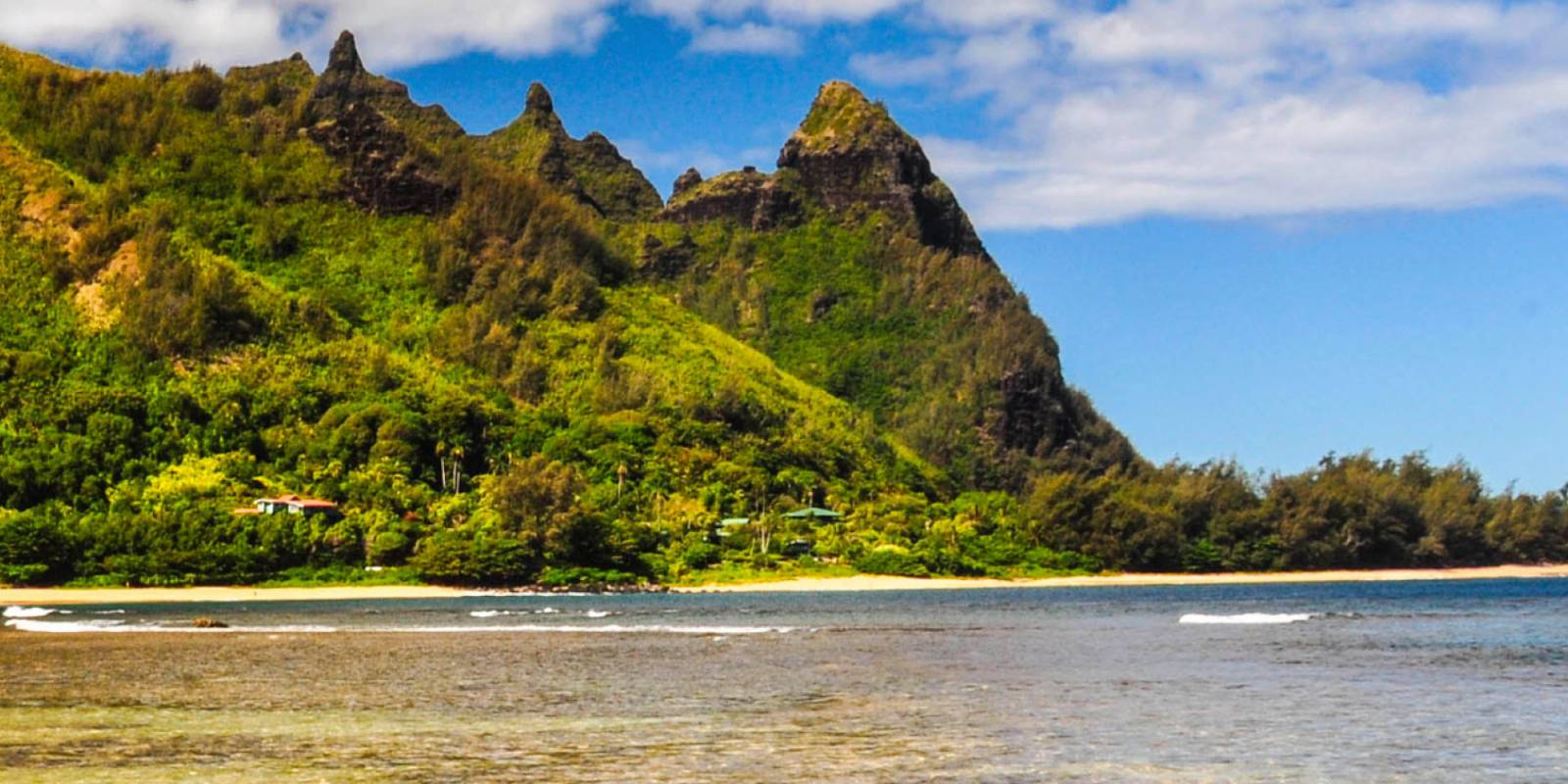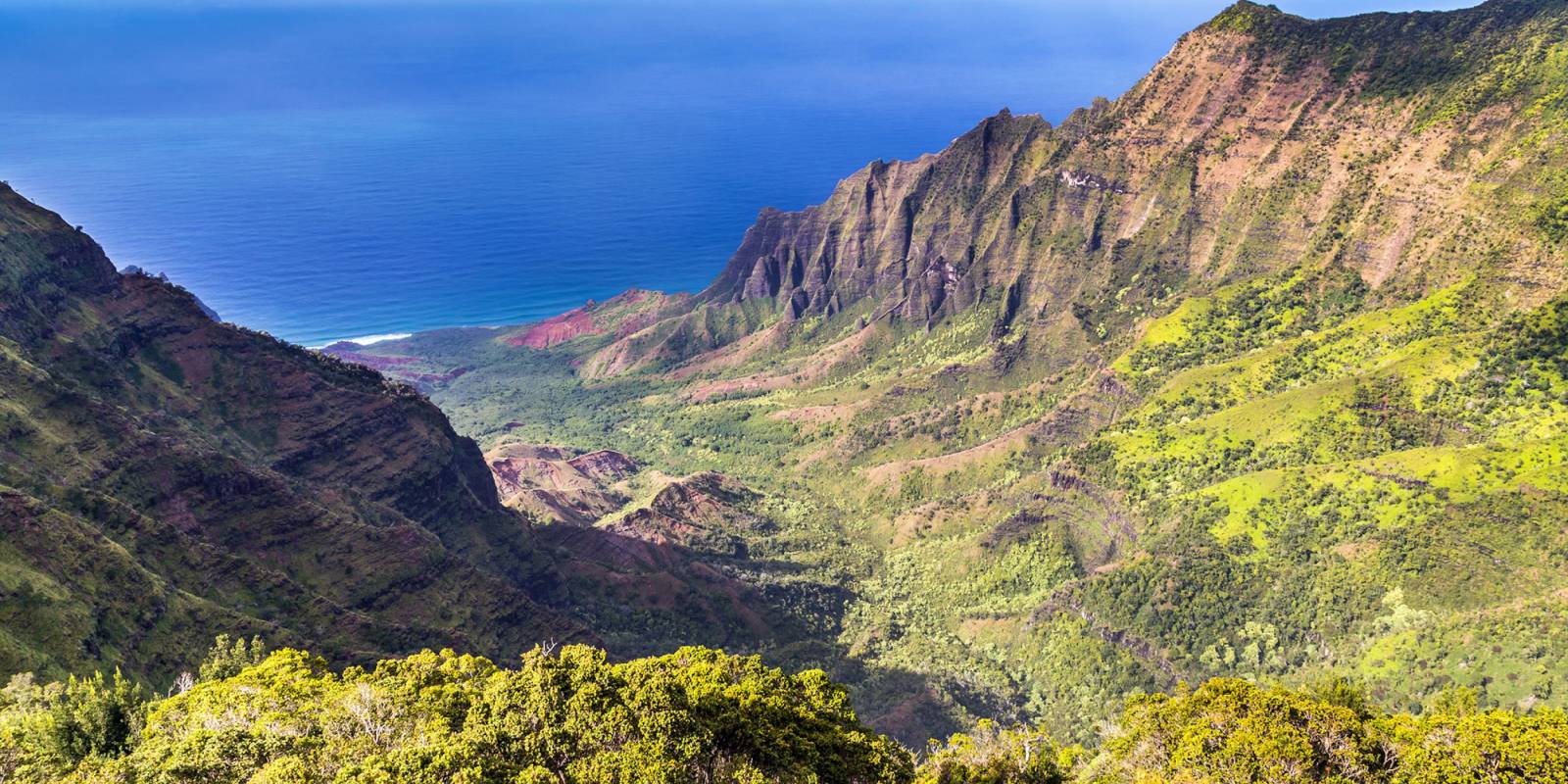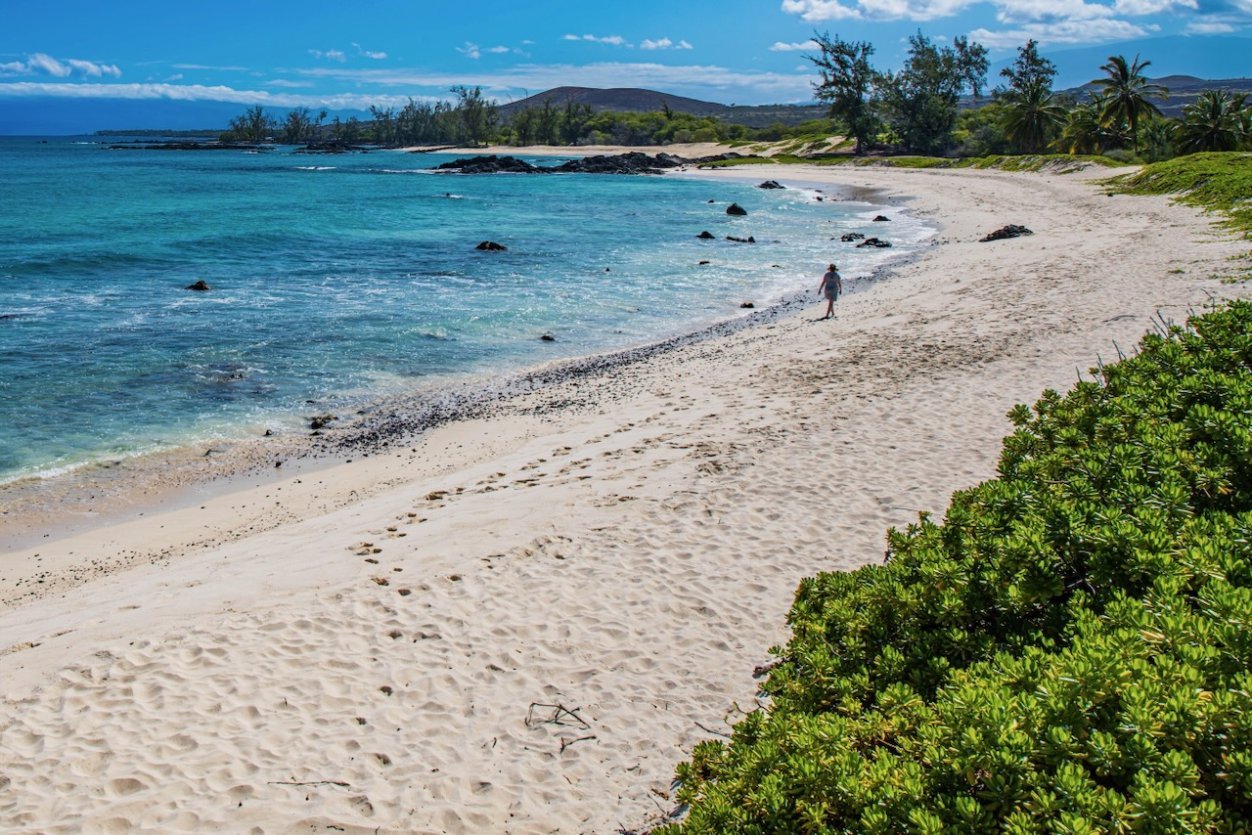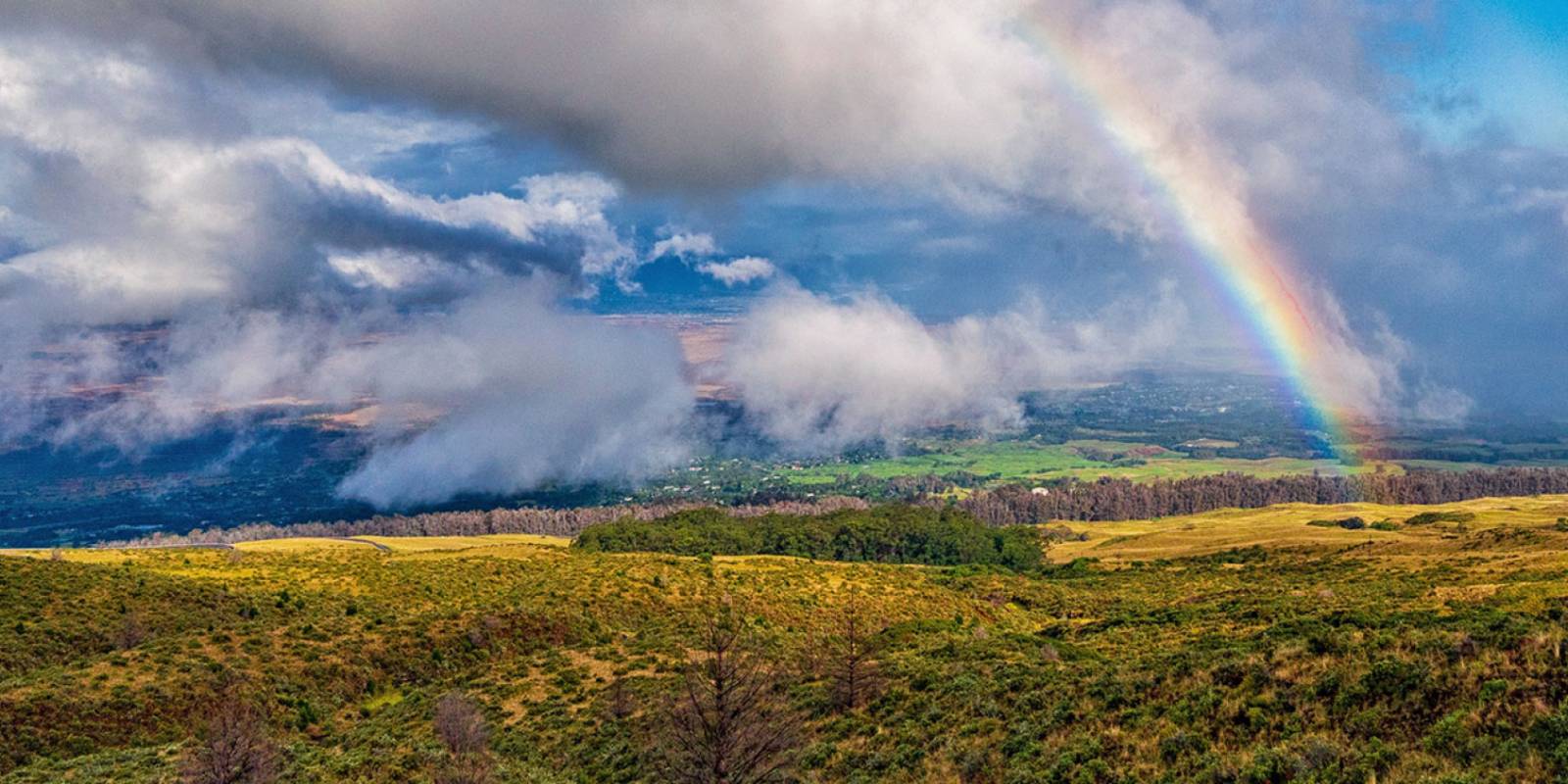

The single most useful piece of weather knowledge for a Hawaii trip is this: the wind blows from the same direction almost every day, and it lands on one side of every island before it touches the other. Hawaii trade winds decide where it rains, where it stays sunny, where the resorts cluster, and why the leeward coast you booked feels like a different country than the windward coast you drove across to reach it.
The northeast trades, a persistent ocean breeze tied to the high-pressure pattern north of Hawaii, show up on most summer days and many winter days, according to National Weather Service Honolulu. They run the show. In an El Niño winter, the trades can run weaker than normal — our El Niño winter guide covers how that reshapes the season.
You don't need to memorize meteorology to plan a Hawaii trip. You do need the basic geometry: the trades hit the northeast face of each island, ride up the mountains, drop their moisture as rain, and arrive on the other side dry. The mountains do the work. The visitor gets two completely different climates a short drive apart.