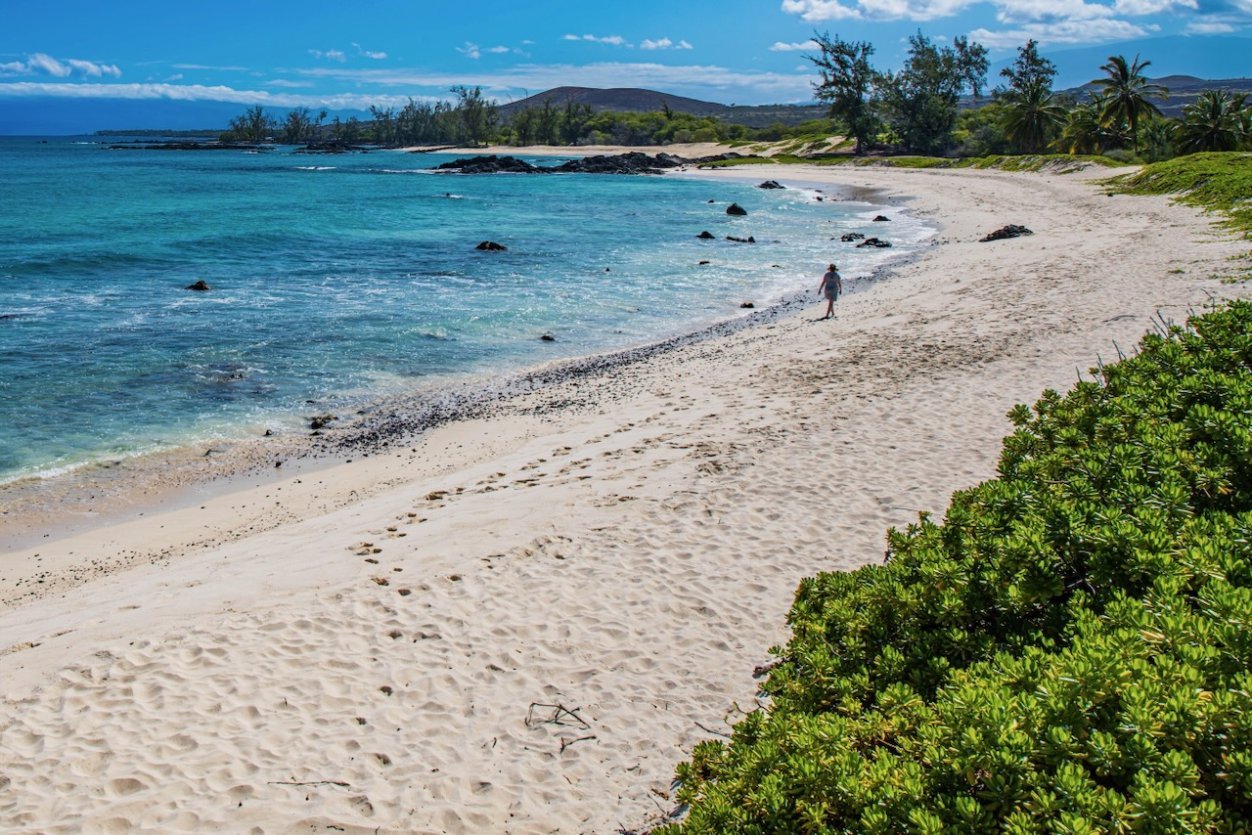

The most disorienting day a first-time Hawaii visitor can have isn't a rainy one. It's the morning you wake up on a leeward coast — the dry, sunny side you booked your trip to find — and the air sits heavy on your skin. The palms aren't moving. The ocean has lost its rhythm. The trade winds have stopped, and a Kona wind has taken over.
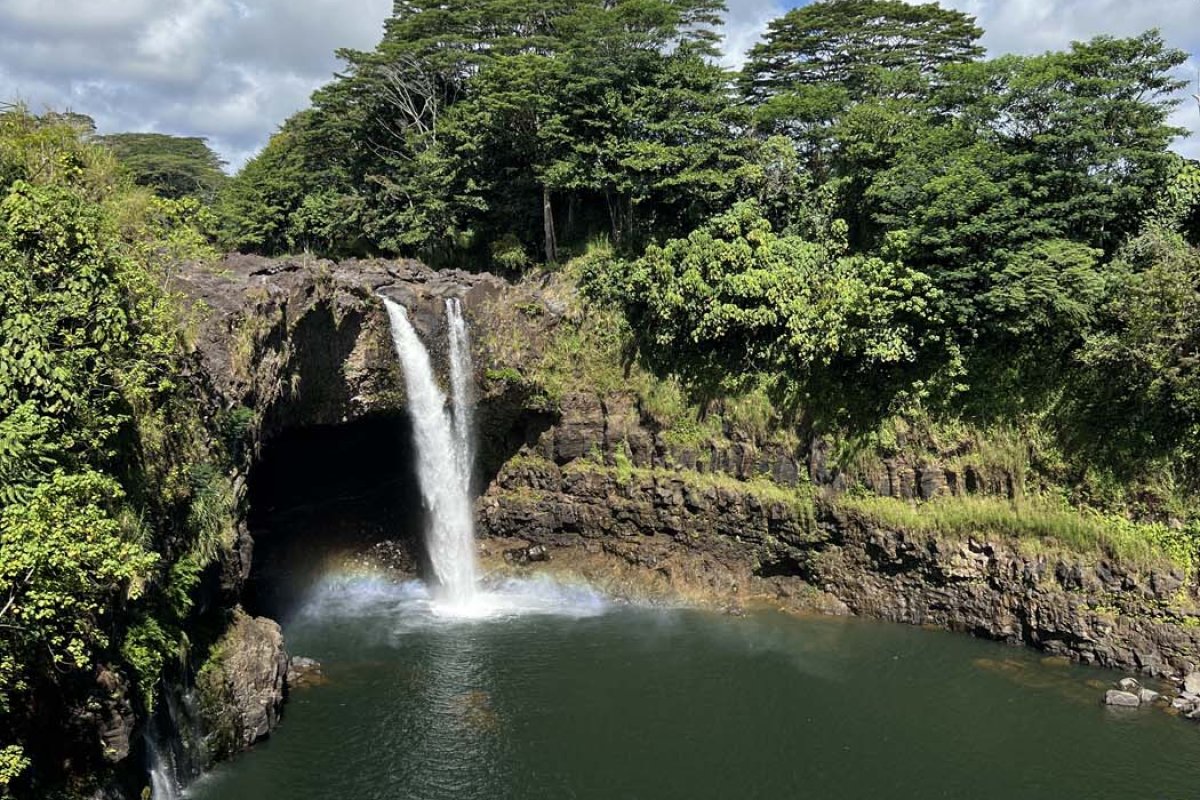
Most of the year, Hawaii's northeast trade winds blow on a metronome. They hit the windward face of every island, dump their moisture on the wet side, and arrive on the leeward side dry and breezy. That pattern decides where the resorts sit, where the rainbows show up, and why a 40-minute drive across one island can feel like crossing a border.
A Kona wind runs the metronome in reverse. The flow comes from the south or southwest instead of the northeast, and almost everything that's normal about a Hawaii day gets turned around. For trips planned in late summer and fall, when the trades are at their weakest of the year, knowing how to read this is the difference between losing a day and shifting your plans to match the weather.