

Hawaii with kids can be one of the best trips you take as a family. But the wrong island choice or an overloaded itinerary will turn paradise into a meltdown factory. I’ve watched that version play out too many times. The formula that works: one island, seven days, one big activity per day. Everything else is beach time, pool time, shave ice runs, and naps. Start there.
Best Island by Family Type
Every island has a different personality. Match it to your family instead of chasing a generic “best island for kids” answer.
Oahu is best for first-timers and families who want the most backup options. The activities, restaurants, short drives, medical care, and rainy-day alternatives are all easier here. Waikiki is stroller-friendly with flat sidewalks right along the beach, and Ko Olina is the calmer resort pocket for families that want a more contained stay. Disney’s Aulani resort is here if that matters to your crew.
Maui is the best all-rounder for families with kids age 6 and up. Whale watching is the seasonal standout in winter, while Kapalua Bay is one of the easier places to introduce first-time snorkelers when conditions are calm. The Road to Hana is spectacular, but it is a long, winding, full-day commitment; with younger kids, choose a shorter east Maui sampler instead of trying to collect every waterfall stop.
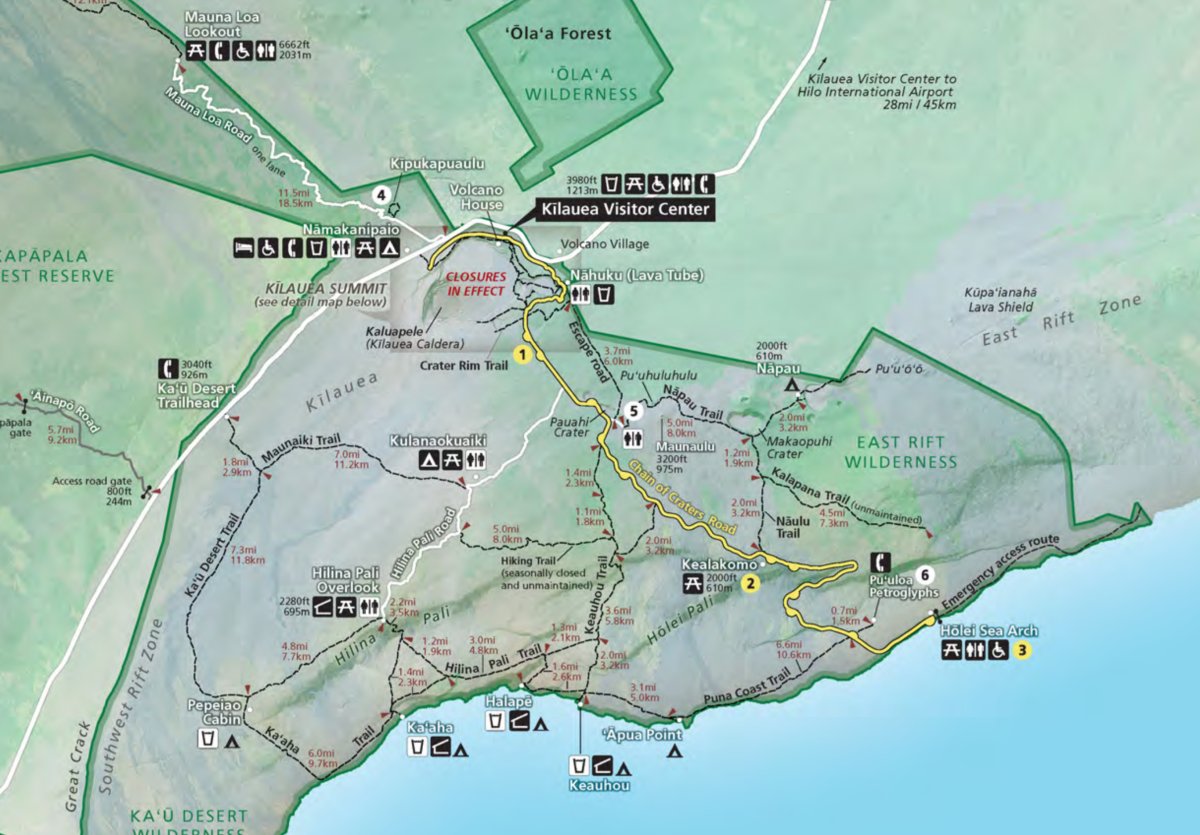
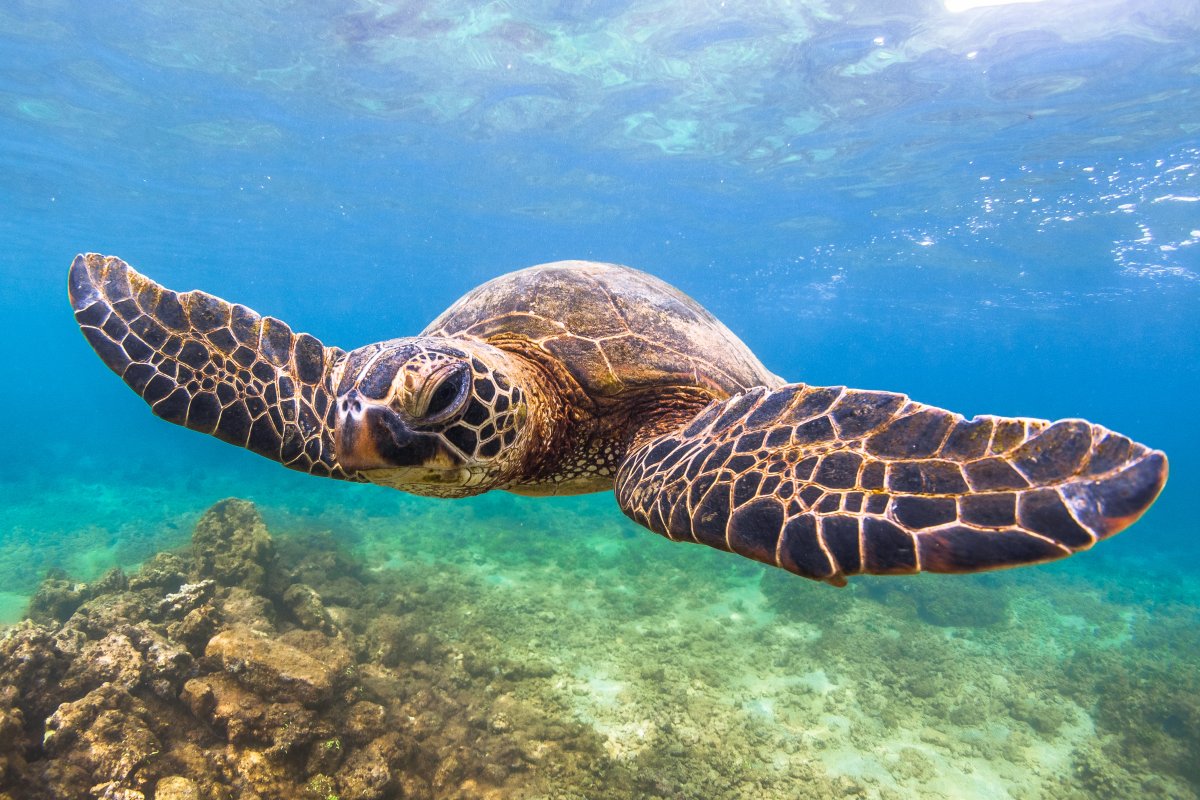
Big Island is built for adventurous families. Hawai’i Volcanoes National Park is unlike anything your kids have seen in a textbook. Punalu’u Black Sand Beach has sea turtles resting right on shore when conditions and wildlife protections allow. Mauna Kea stargazing is a strong fit for clear nights with older kids who can handle a late return. Crowds are thinner here than on Oahu or Maui.
Kauai is ideal for outdoorsy families with older kids and teens. Kayaking the Wailua River, walking the first legal day-hike section of the Kalalau Trail, and exploring Waimea Canyon can fill a full week. Fair warning: less infrastructure means more driving, fewer late-night restaurant options, and fewer true indoor backup plans. That’s a feature for some families and a dealbreaker for others.
Toddlers & Under 5
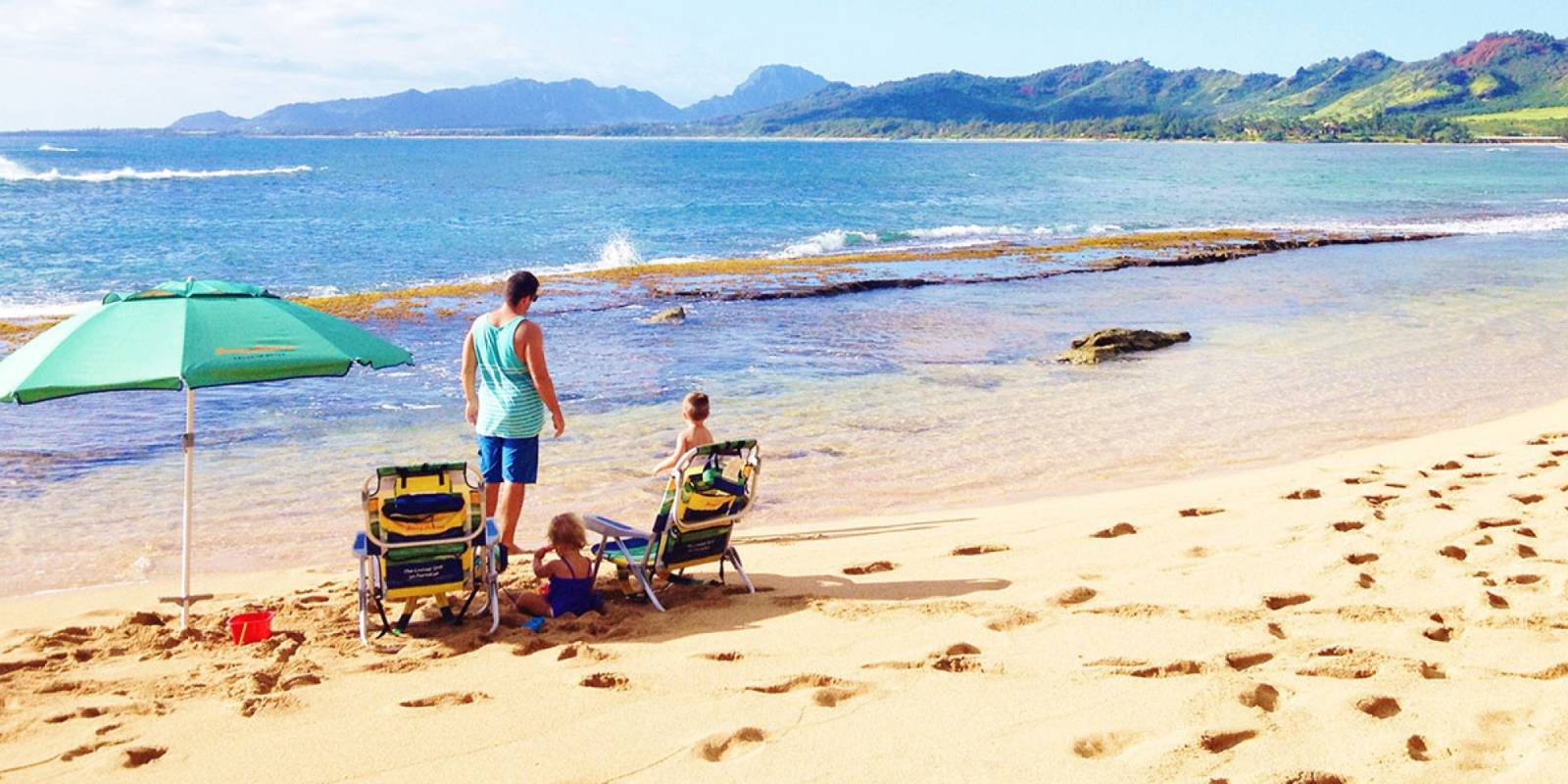
For toddlers, the beach setup matters more than the famous name: calm water, shade, bathrooms, and a short walk back to the car.
Little kids don’t need much. They need calm water, short drives, and a schedule that respects nap time. Build your trip around that.
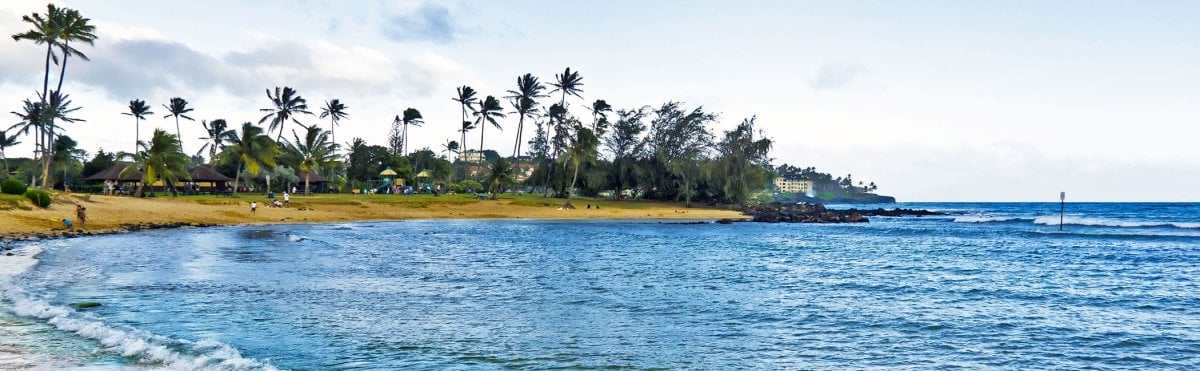
The best beaches for toddlers have protected coves with minimal waves. Poipu Beach on Kauai has a natural wading pool formed by a rock breakwater. Ala Moana Beach Park on Oahu has a reef-protected lagoon with water so still it looks like a swimming pool. Kapalua Bay on Maui is sheltered and shallow at the edges.
If you want one bookable activity in Waikiki, consider an outrigger canoe surfing session. The guides handle the paddling and wave timing, the ride is short, and younger kids get the thrill of catching a wave without needing to stand on a board.
The Honolulu Zoo and Waikiki Aquarium are small enough to see in an hour or two without exhausting anyone. Both are walking distance from most Waikiki hotels, which makes them useful when the beach is too windy, too hot, or too close to nap time.
Skip the long drives. Skip the 5 AM hikes. Skip anything that requires your toddler to sit still for more than 30 minutes. You know your kid. Plan accordingly.
Ages 6-12
Aquariums and museums are not filler days. They help kids understand the reef before they jump into it.
This is the sweet spot for Hawaii. Kids are old enough to snorkel, hike short trails, and actually remember the trip.
Snorkeling opens up a new world, but start in forgiving water. Hanauma Bay on Oahu requires advance reservations and a short educational video before entry, which actually helps kids understand what they’re seeing. On Maui, a Molokini or Turtle Town boat trip can work well for confident swimmers, but morning departures and calmer forecast days matter more than the brochure photo.
Junior Ranger programs at Hawai’i Volcanoes and Haleakala National Parks give kids an activity booklet tied to the landscape, and they can earn a badge once they complete it. Park entrance fees still apply. It keeps kids engaged during what might otherwise feel like “just another hike.”
Kualoa Ranch on Oahu runs ATV tours and the famous movie site tour through Jurassic Park filming locations. The Ka’a’awa Valley looks exactly like it does on screen. Kids lose their minds here; start with our Kualoa Ranch guide before you choose a tour tier.
Bishop Museum in Honolulu is the best rainy-day backup plan on Oahu. The Hawaiian Hall gives families cultural context before they visit heiau, valleys, and historic sites later in the trip, and the science exhibits break up the museum time for kids who need movement.
Atlantis Submarines off Waikiki takes you underwater in an actual submarine. It is touristy in the useful way: dry, contained, memorable, and easy to pair with a low-key Waikiki day.
Teens
Teens usually respond better to real movement than passive sightseeing: waves, hikes, ziplines, and night water experiences.
Teens need to feel like they’re doing something real, not following mom and dad around on a guided bus tour. Give them adrenaline and autonomy.
Surfing lessons on Waikiki work for absolute beginners because the waves at Canoes and Queens are usually forgiving by Hawaii standards. For teens who already surf or want bigger waves, be careful with the North Shore: it is a very different place in winter than summer, and lifeguarded beginner conditions are not the same thing as famous surf footage.
Ziplining at Kualoa Ranch or on Maui’s windward side is the kind of thing that ends up on their camera roll. Check each operator’s minimum age, weight rules, and closed-toe shoe requirements before promising it.
Haleakala sunrise requires advance reservations and a middle-of-the-night wake-up call, but watching the sun rise above the clouds at 10,023 feet can be worth the pain for teens who can handle the early start. Mauna Kea stargazing on the Big Island hits a similar note for science-minded teens, with the same warning: altitude and cold are real.
Diamond Head on Oahu and the Lanikai Pillbox Trail are short, steep hikes with views that justify the effort. The official Diamond Head State Monument page estimates 1.5 to 2 hours round trip, and Lanikai Pillbox is in the same ballpark for most families. Heat and parking can make them feel harder than the mileage suggests.
Then there’s night snorkeling with manta rays off the Kona coast on the Big Island. You float on the surface with a light board while manta rays feed below you. It is not right for every teen, but for confident swimmers it is one of the few activities that can quiet a skeptical 15-year-old.
Practical Tips for Families
Book your rental car early. Availability gets thin during school breaks and summer. Bring your own car seats or confirm in advance that the rental company provides them; do not assume the right size will be waiting. Use Discount Hawaii Car Rental to compare rates across companies.
Reef-safe sunscreen is the law in Hawaii. Hawaii law prohibits the sale of over-the-counter sunscreens containing oxybenzone or octinoxate statewide. Kids burn fast at Hawaiian latitudes, so use mineral sunscreen, rash guards, hats, and shade instead of relying on one hurried application before breakfast.
Take ocean safety seriously. Drowning is a leading cause of injury-related visitor deaths in Hawaii according to the Hawaii Department of Health. Never turn your back on the ocean. Shorebreak beaches that look fun are often the most dangerous for children. Check Hawaii Beach Safety for daily conditions before heading out.
Plan for jet lag. Hawaii does not observe daylight saving, so depending on where you’re flying from and the season, you’re looking at roughly 2 to 6 hours behind the mainland. Your kids may wake early for the first few days. Use it. Mornings are the best part of a Hawaii day: cooler, less crowded, and better light for photos. By day three or four, many families adjust.
Pack layers for altitude. If you’re visiting Haleakala or Mauna Kea, summit weather can feel like a different trip from the beach. Bring fleece or a light jacket for each kid. A good rash guard doubles as reef protection and sun coverage, but it will not help at 10,000 feet before sunrise.
Mistakes Parents Keep Making
Trying to see two or three islands in one trip. I get the impulse. You flew all this way. But interisland flights eat half a day when you factor in airport time, rental car pickup, and hotel check-in. One island is enough for a week. Two islands work in 10 or more days if you don’t mind the transition day.
Overplanning every single day. Your kids don’t need a packed itinerary. They need unstructured beach-and-pool days where nobody has to be anywhere at a specific time. Build in at least two or three of those per week.
Skipping reservations for the popular stuff. Haleakala sunrise permits, Pearl Harbor tickets, Hanauma Bay entry, Hāʻena State Park access, and top luaus can all sell out. If it is a must-do, reserve it as soon as your trip dates are firm.
Picking a hotel based on price alone. A cheap rate on the windward (east) side of an island often means rain, wind, and rougher seas. The leeward (west) side of each island is where you’ll find calmer water, more sunshine, and better swimming conditions. Location on the right side of the island matters more than the nightly rate.
If the main decision is where to swim, use our best Hawaii beaches for kids guide alongside Beach Finder and the Ocean Report. It sorts family beach picks by island, calm-water fit, lifeguards, facilities, and seasonal cautions.