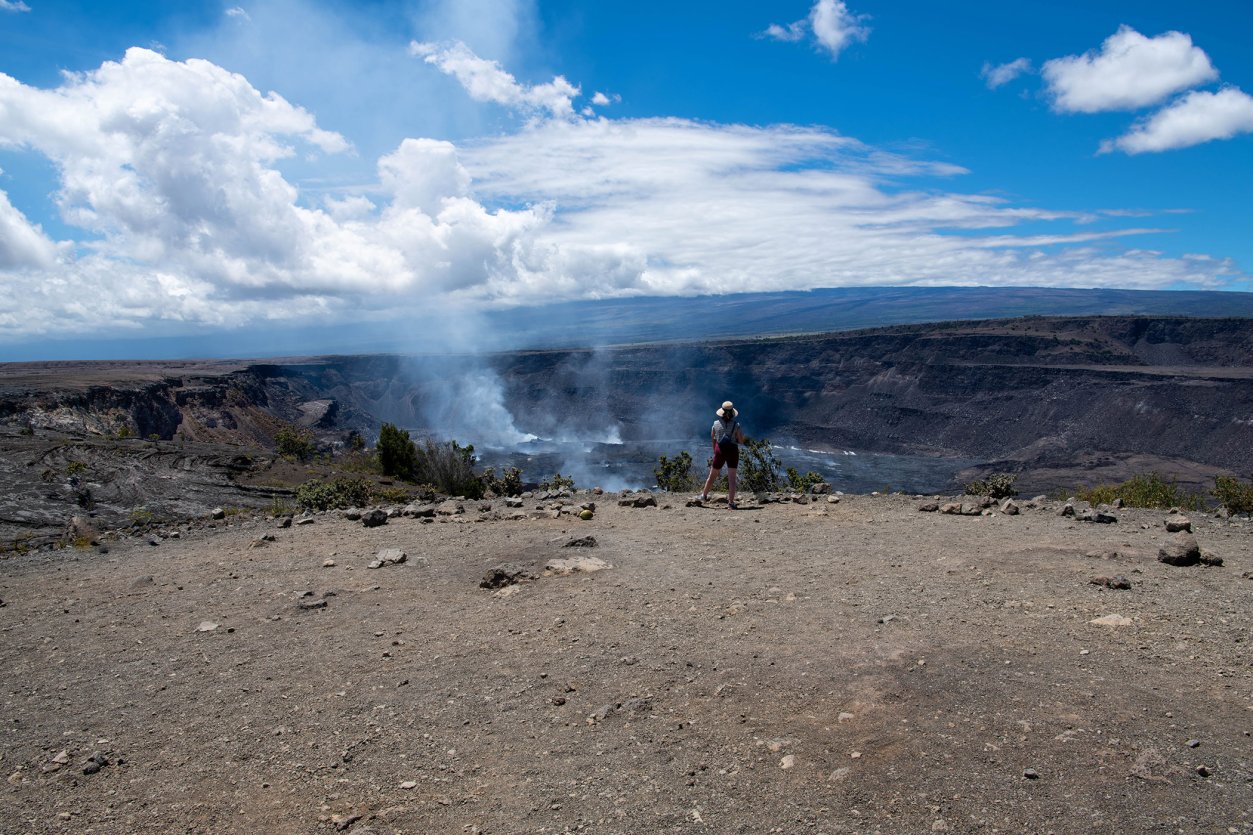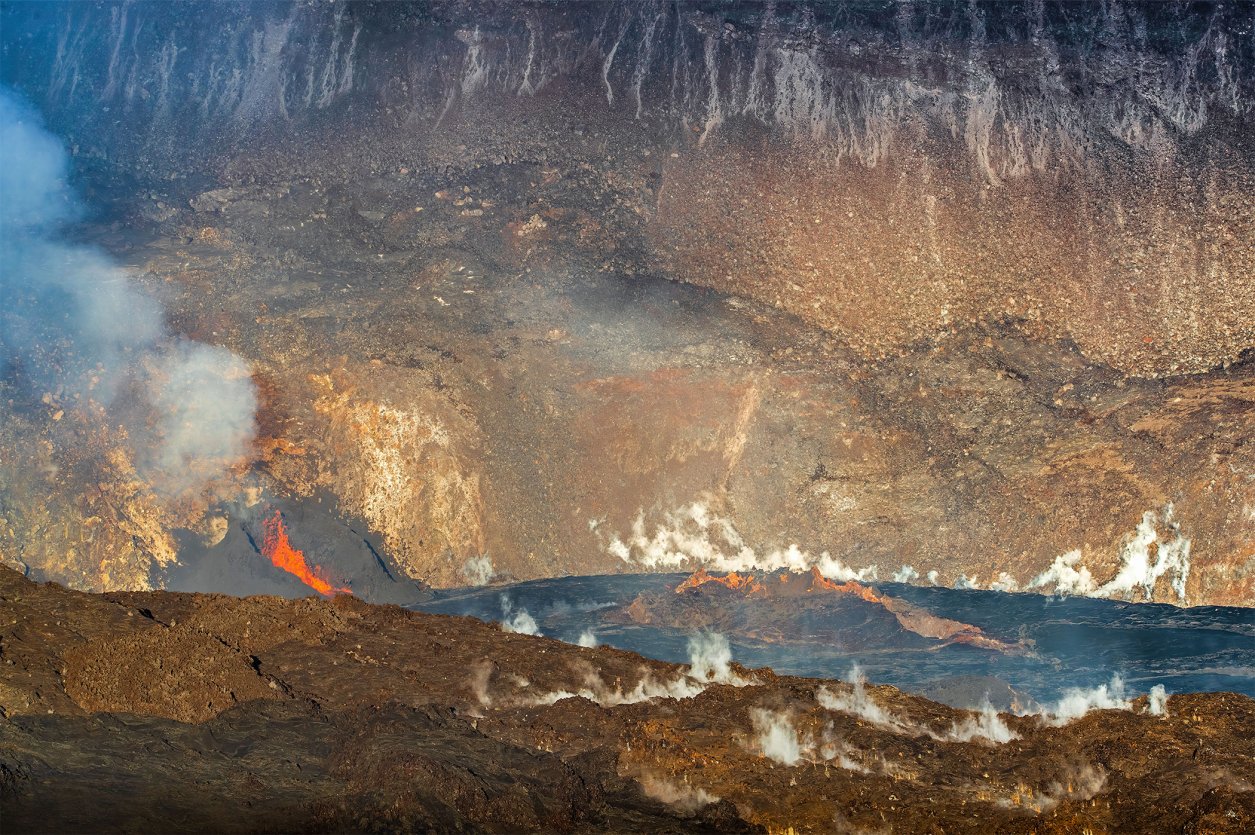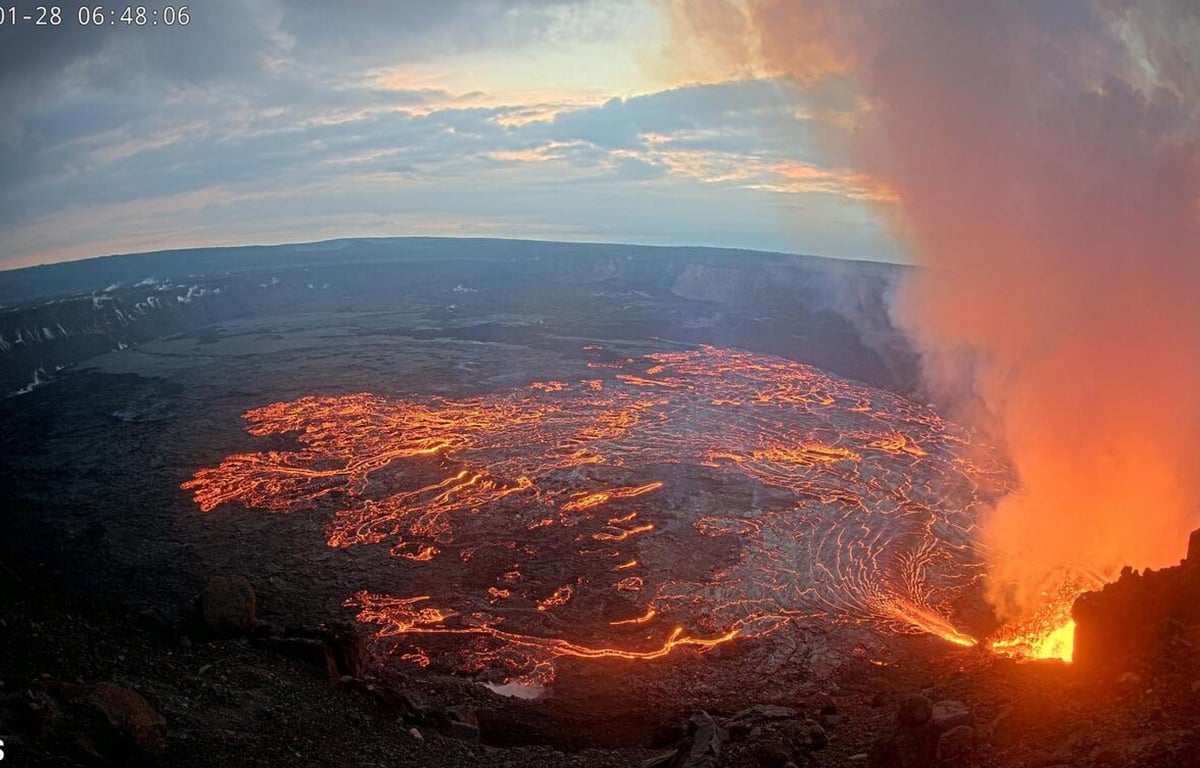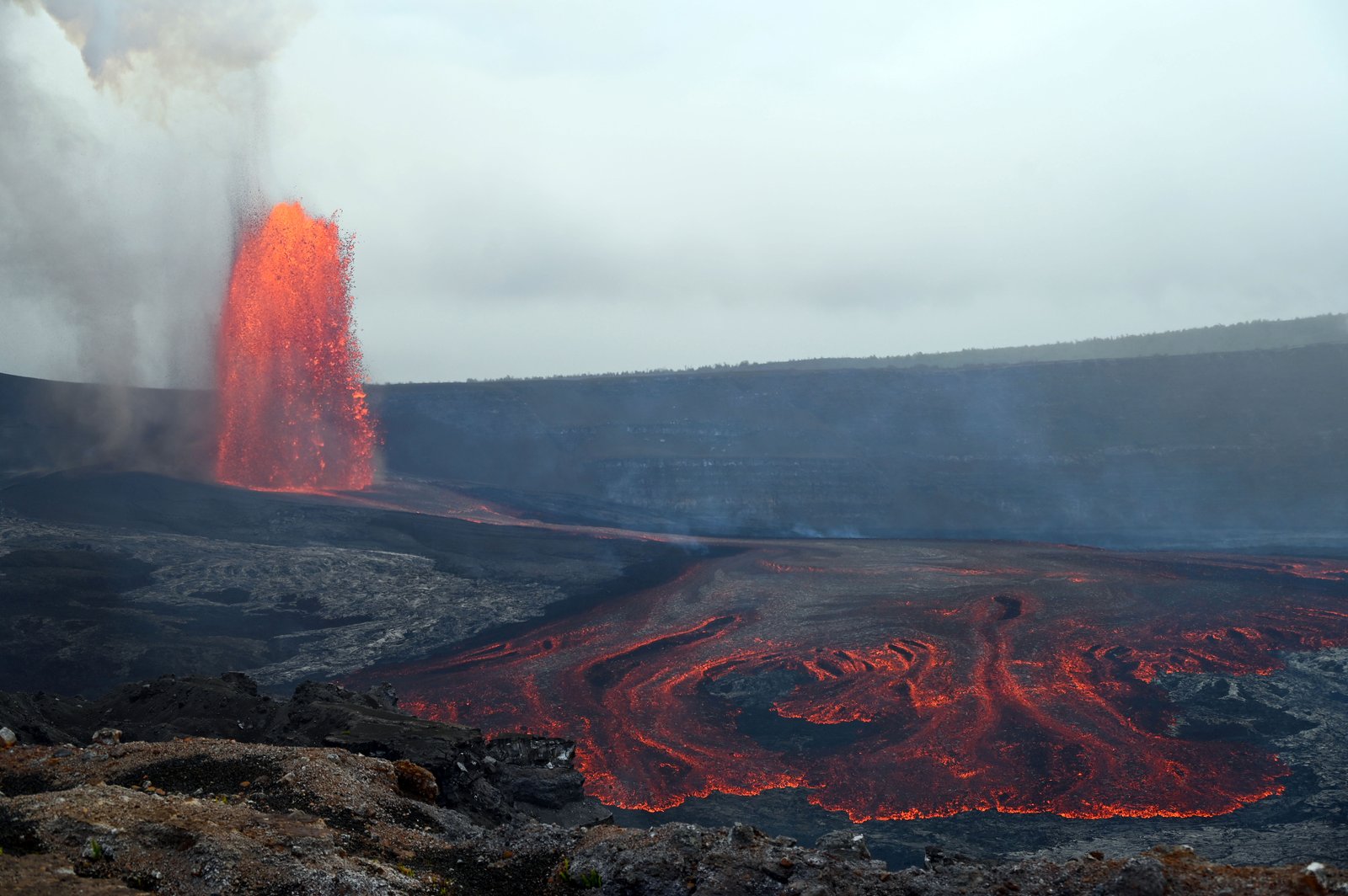
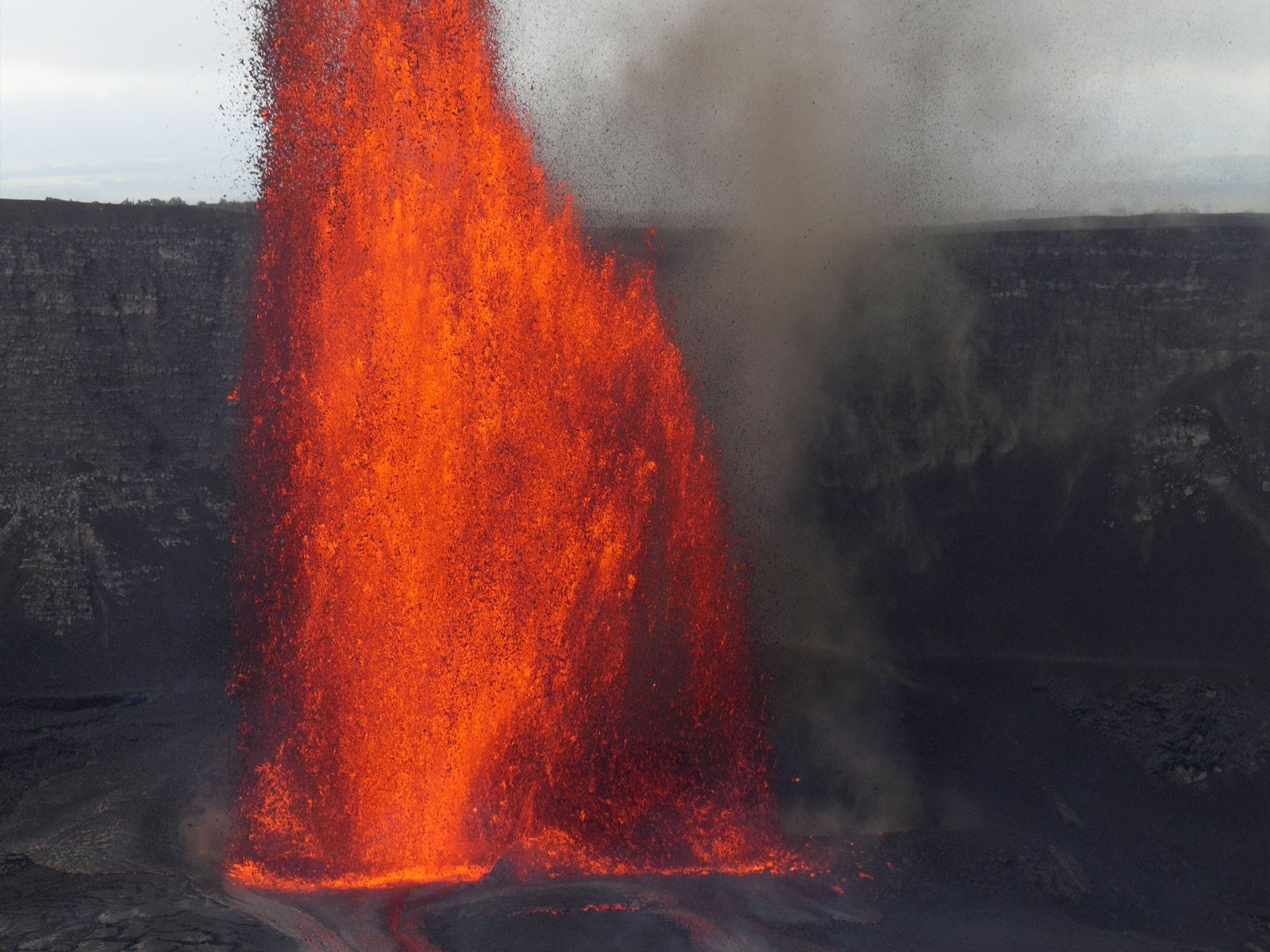

Update, July 15, 2026 (4:46 p.m. HST) — Episode 51 has ended. Episode 51 of the ongoing Halemaʻumaʻu eruption ended abruptly at 4:46 p.m. HST on Wednesday, July 15, after 8.3 hours of continuous lava fountaining, per the USGS Hawaiian Volcano Observatory. HVO’s final episode report puts the numbers in perspective: the north-vent fountain peaked near 950 feet (290 meters) around 10:30 a.m., the ash-bearing plume reached about 18,000 feet (5,500 meters) above sea level, and an estimated 6.6 million cubic yards (5.1 million cubic meters) of lava erupted — enough to cover roughly half the crater floor. The plume track stayed largely within Hawaiʻi Volcanoes National Park, most tephra fell in the closed area, and no tephra was reported from any populated areas. As after previous episodes, HVO is expected to return Kīlauea from WATCH to ADVISORY between episodes (the USGS alert-level system explains the tiers).
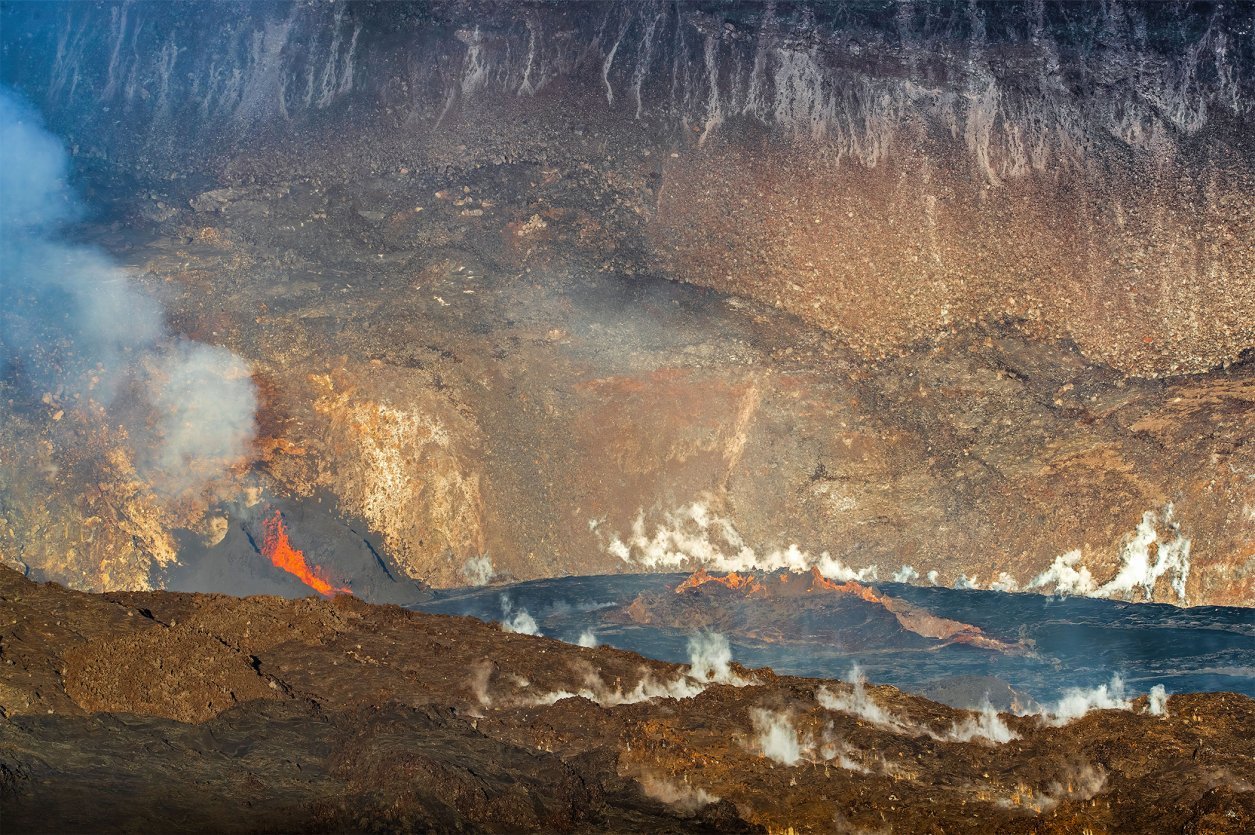
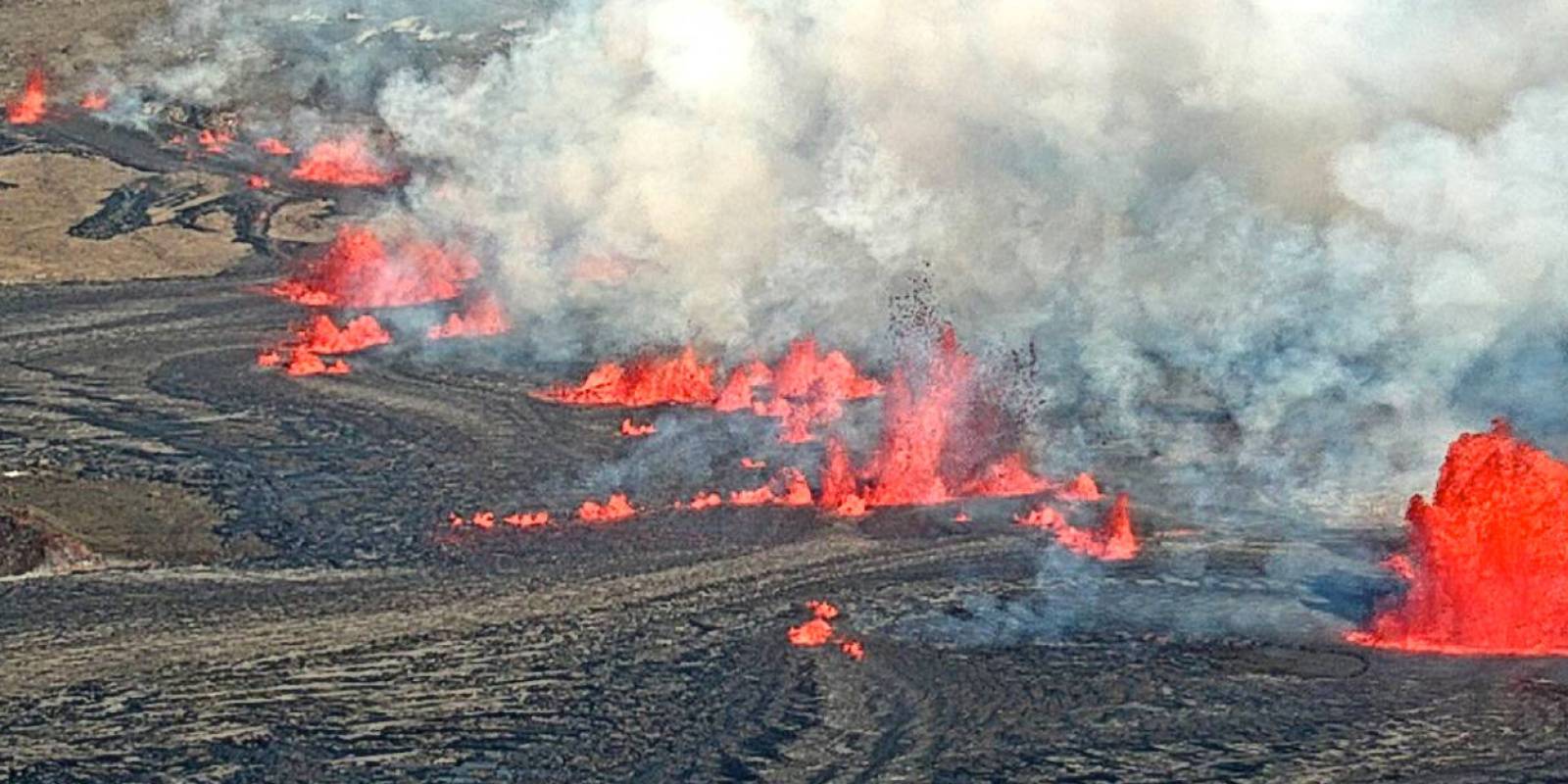
Earlier that day — fountaining begins: Episode 51 began around 8:30 a.m. HST on July 15, after dome fountains at the north vent fed a vigorous overflow from 4:47 a.m. onward. Initial fountains of about 160 feet (50 meters) built toward the ~950-foot peak two hours in, feeding large lava flows onto the floor of Halemaʻumaʻu crater. The south vent never fountained during the episode, though it emitted flames and gas jets. All eruptive activity stayed confined to Halemaʻumaʻu inside Hawaiʻi Volcanoes National Park.
Earlier — precursory phase, July 14: Low-level precursory activity for Episode 51 began around 2:51 p.m. HST on Tuesday, July 14, with a lava overflow from the north vent. HVO raised the Volcano Alert Level for Kīlauea from ADVISORY to WATCH and the Aviation Color Code from YELLOW to ORANGE the same afternoon, and its forecast put the start of fountaining between July 14 and July 16 — the main event arrived the next morning, well inside the window.