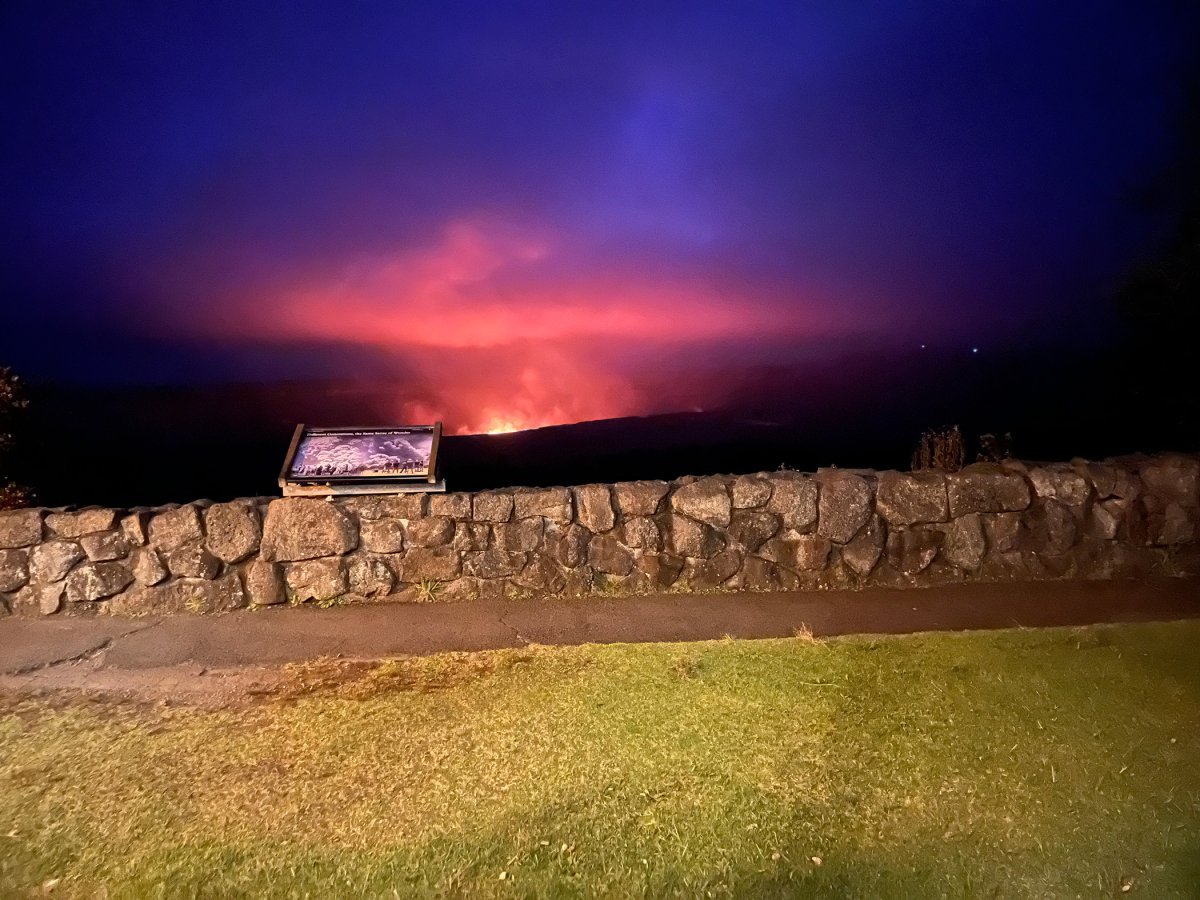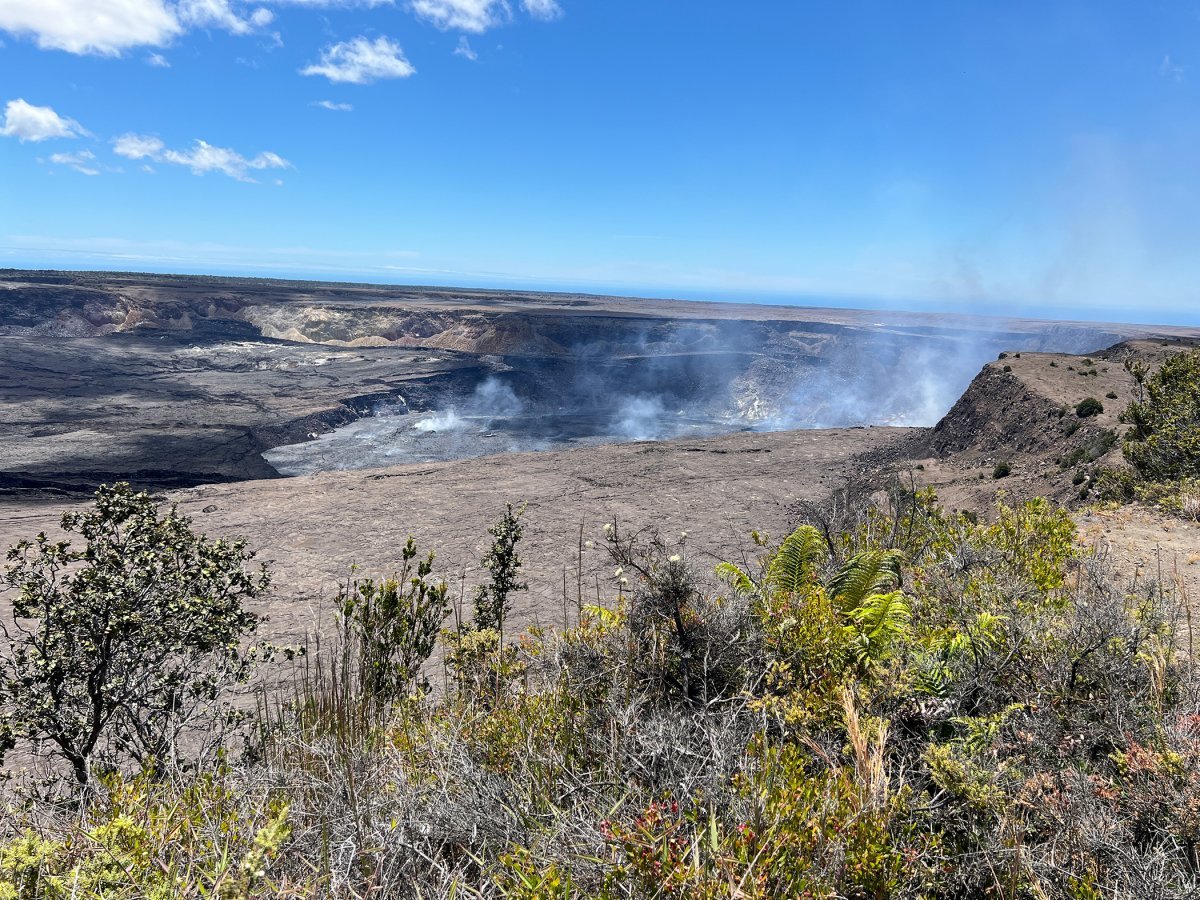
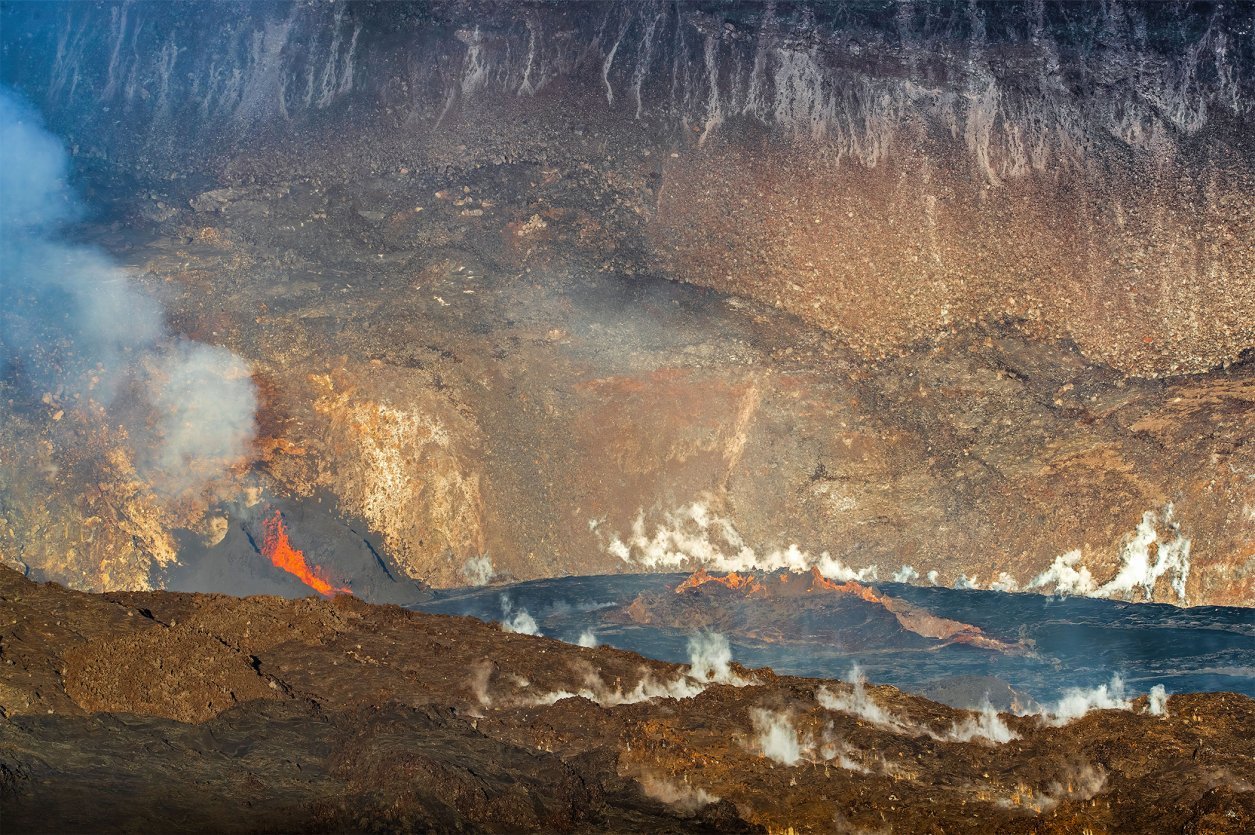

There are two ways people talk about “seeing lava” at Kīlauea. One is the picture in their head: orange fountains, thousand-foot arcs, the whole crater lit up like an open forge. The other is the quieter one: a warm glow reflecting off the low clouds above the summit, visible from a cold overlook at 4,000 feet on a clear night, with Halemaʻumaʻu crater breathing below you. Both are real. Which one you get depends mostly on timing, and fall is the best time of year to plan a trip around either.
Kīlauea has been in an on-and-off eruption at the summit crater since late 2024, with lava-fountaining “episodes” arriving on a rough one-to-three-week cadence and each episode lasting somewhere in the range of a few hours to about half a day. The most recent one wrapped in late June, per the USGS Kīlauea page. Between fountains, the summit is quiet in the daytime and gently glowing at night. Neither state is guaranteed on a specific evening, which is exactly why the traveler-friendly version of this trip is to build the visit so you win either way.
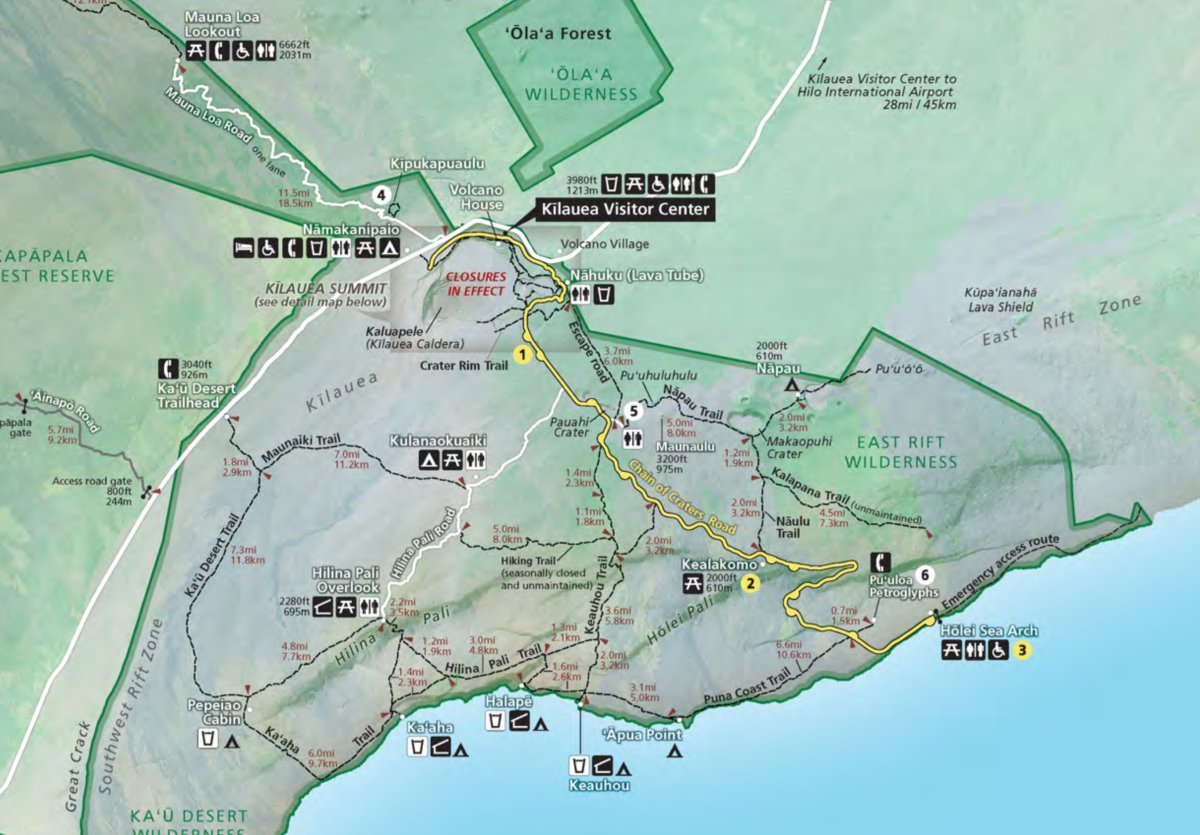
Here’s what a night at Hawaiʻi Volcanoes National Park actually looks like, why September–November is the sweet spot to try it, and how to plan the drive, the overlooks, and the layers so a possible thousand-foot fountain doesn’t get missed because someone was cold and tired at the wrong pull-off.