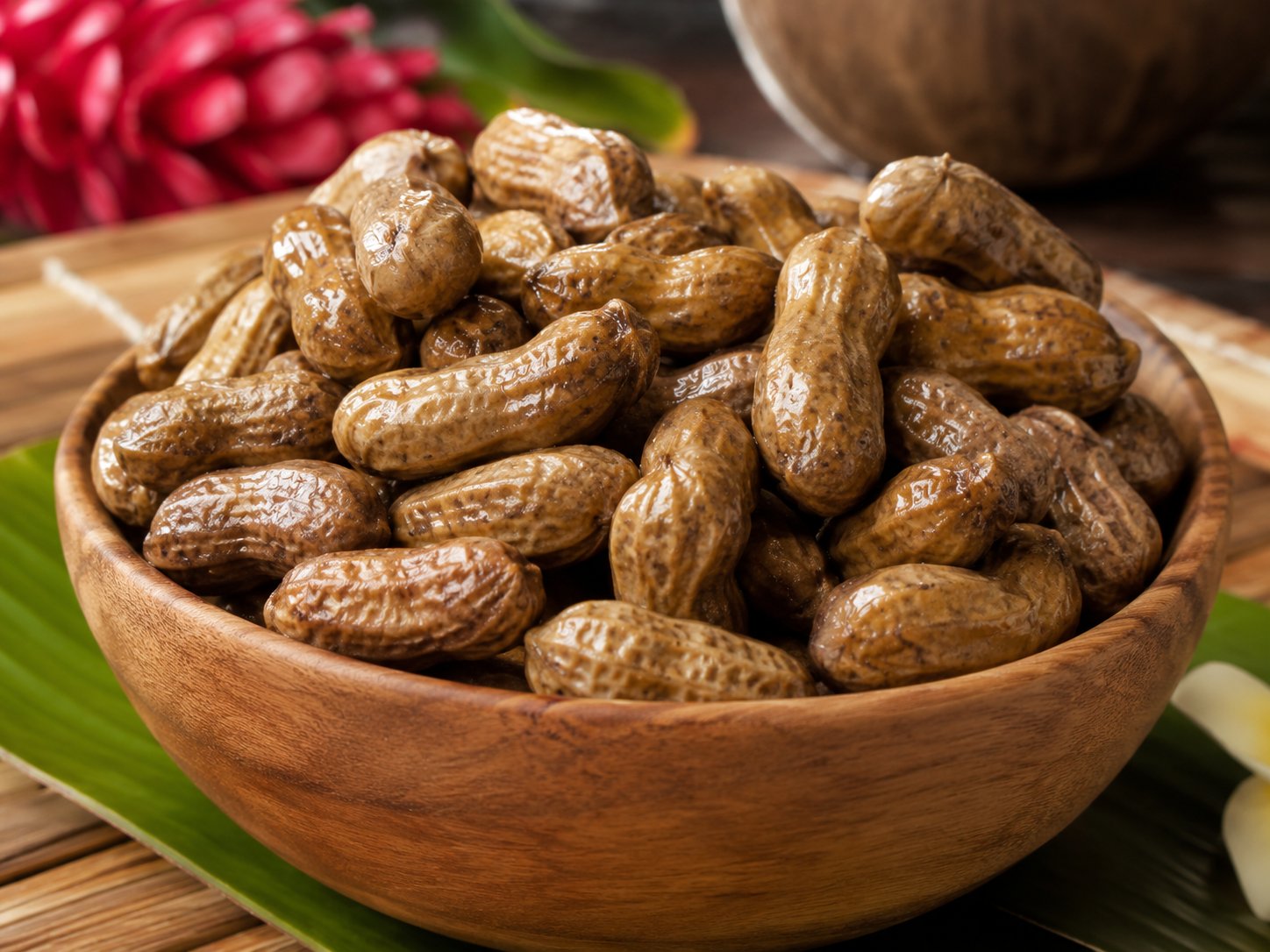
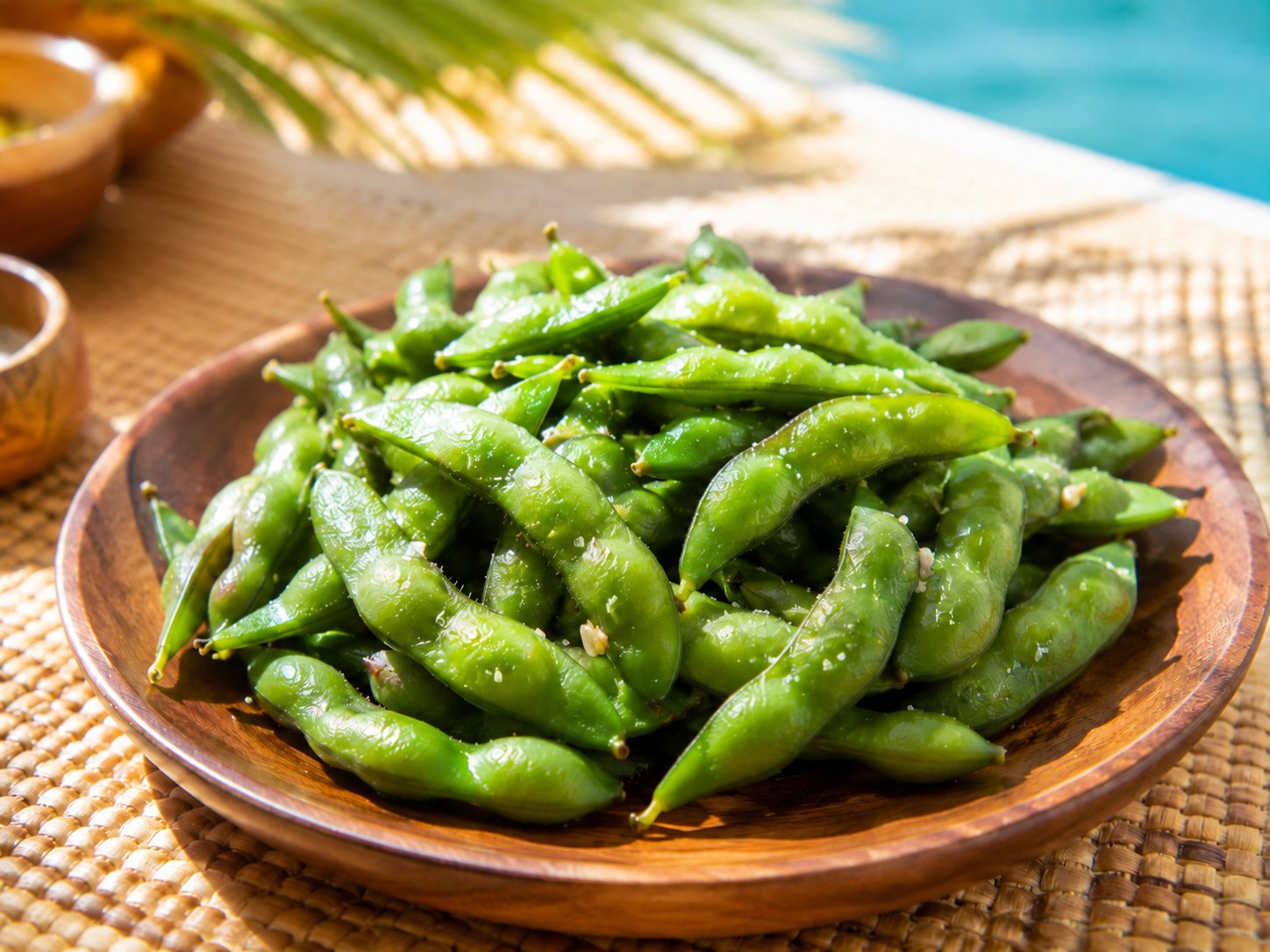

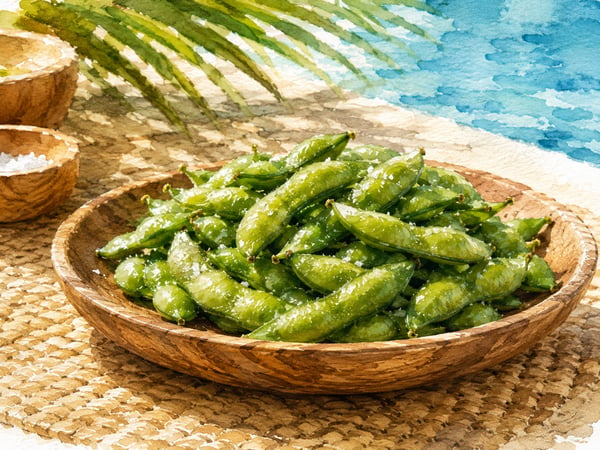
In Japan, edamame arrives at the table simply: boiled in salty water, drained, dumped in a bowl, served. In Hawaiʻi the dish picks up an accent. Local izakayas blister the pods in a hot pan with garlic and butter until the shells char in spots, then finish them with a fast shoyu glaze and a heavy snowstorm of nori komi furikake — the same dried-seaweed-and-sesame sprinkle that goes on rice. Each pod comes out lacquered, scorched along one edge, dusted in black-and-green flakes that stick to your fingers. You squeeze the pod between your teeth, slurp the seasoning off the shell, suck out the beans, and reach for another. The bowl empties in five minutes.
The dish reads as a plantation-era riff on a Japanese original. Japanese immigrants brought edamame and shoyu to Hawaiʻi; the butter, garlic, and furikake sprinkle came later, once furikake had already migrated onto popcorn, fries, and just about anything else. The version on most Honolulu izakaya menus today — at Imanas Tei in Mōʻiliʻili, at Izakaya Tenkichi on South King Street, and across the rest of the city — runs year-round.
At a glance
2 to 4 as a pupu
5 minutes
8 minutes
Easy
Ingredients
For the edamame
- 1 lb frozen edamame in the pod, thawed (about 4 cups in-pod, 16 oz bag)
- 2 tablespoons unsalted butter
- 4 cloves garlic, finely minced (or grated with a Microplane)
For the glaze
- 2 tablespoons shoyu (Aloha Shoyu, Kikkoman)
- 1 tablespoon mirin (or 1 teaspoon brown sugar + 1 tablespoon water)
- 1 teaspoon toasted sesame oil
- Pinch of red pepper flakes (optional)
For finishing
- 1 tablespoon nori komi furikake
- 1 teaspoon toasted sesame seeds
- Flaky sea salt to taste
Equipment
- Large nonstick or carbon steel skillet
- Tongs or wooden spoon
- Small bowl for the glaze
To serve
- A wide shallow bowl
- An empty bowl for the spent pods
- Cold beer (Kona Big Wave, Sapporo) or chilled sake
Method
- Thaw and dry the edamame. Pull the bag out of the freezer about 30 minutes before cooking and let it thaw on the counter, or run the pods under cold water for a minute and drain. Either way, the next step is the important one: dry the pods thoroughly with a clean kitchen towel. Wet pods steam in the pan instead of blistering, and you want blistering. Wipe each pod or roll them in the towel.
- Mix the glaze. In a small bowl, whisk together the shoyu, mirin, sesame oil, and red pepper flakes (if using). Set within arm's reach of the stove — once the cooking starts it moves fast.
- Heat the pan, then the butter. Set the skillet over medium-high heat until you can feel a strong updraft when you hold your hand 4 inches above it (about 2 minutes empty). Drop in the butter. It should melt and foam within 5 seconds. If it sits there, the pan isn't hot enough.
- Blister the edamame. Add the edamame in a single layer. Don't stir for 60 seconds — let the bottoms char against the pan. Then toss or stir, spread back out, and let sit another 60 seconds. Repeat once more. After 3 to 4 minutes the pods should have brown blistered patches across their shells. This char is half the dish.
- Add the garlic. Push the edamame to one side of the pan. Add the garlic to the empty side. Stir the garlic in the butter that pooled there for about 30 seconds, just until fragrant and starting to turn gold (not brown — burnt garlic ruins the dish). Then mix the garlic into the edamame.
- Add the glaze. Pour the shoyu mixture into the pan. It'll sizzle hard and the steam will smell incredible. Toss vigorously for 30 to 45 seconds, until the glaze reduces to a thick coating that clings to every pod. Pull off the heat the moment the pan is mostly dry.
- Finish and serve. Slide the edamame into a wide shallow bowl. Shower with nori komi furikake, sesame seeds, and a pinch of flaky salt while still hot — the residual heat helps the seasoning stick. Serve immediately with a second bowl for the empty pods.
Notes from a local cook
Dry the pods. The single most important step is the towel-dry before they hit the pan. Pods straight out of a microwave thaw or off a colander are wet enough that they'll steam, and steamed pods don't take the char that makes this dish what it is. Spend 90 extra seconds with the towel.
Eat the seasoning off the shell. The Hawaii-style version is built around the idea that the glaze and furikake cling to the outside of the pod, and the eater slurps that flavor off before popping the bean out. Use your teeth and your lips. Don't try to remove the pod with a fork — you'll lose the best part.
Garlic timing. Garlic goes from raw to gold to burnt in about 90 seconds at this heat. Wait until the edamame is most of the way blistered, push it aside, and give the garlic 20 to 30 seconds of solo time in the butter — no longer. If you toss the garlic in with the edamame at the start, by the time the pods blister the garlic is acrid.
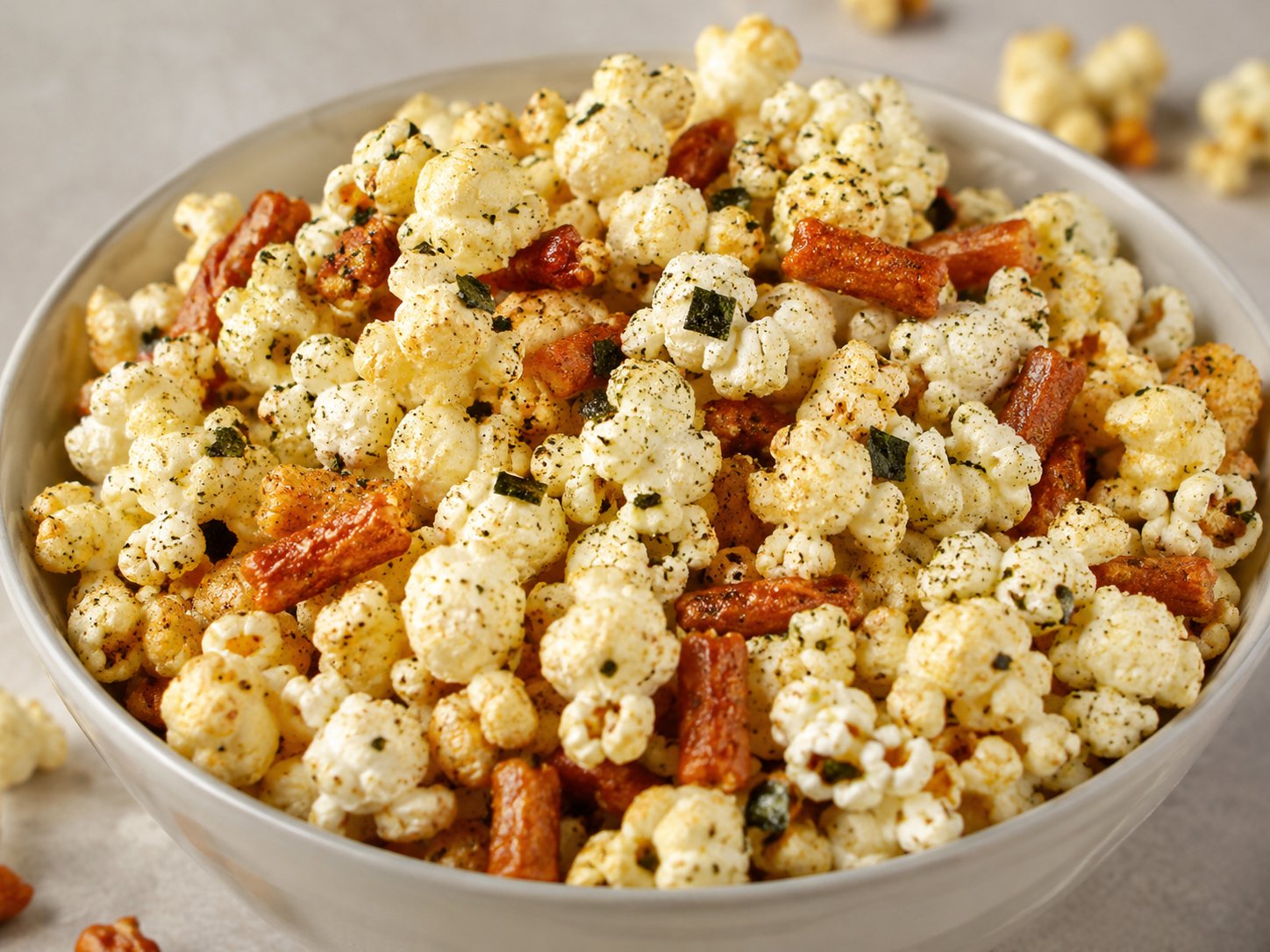
Variations. Skip the butter and use neutral oil for a leaner vegan version (still delicious). Add a teaspoon of grated ginger with the garlic for an aromatic lift. Swap the nori komi furikake for the hurricane-popcorn version with crushed arare crackers mixed in, and you get crunch in every bite.
While You're on the Islands
Eat it made by someone else. Garlic edamame turns up on almost every izakaya menu in Honolulu. On Oʻahu, Imanas Tei at 2626 South King Street in Mōʻiliʻili runs a fresh-fish izakaya with a tight menu, primarily dinner service with a separate weekend lunch — check current hours before a special-trip detour. Izakaya Tenkichi at 2334 South King Street, a few blocks away, runs a similar concept. For the broader Honolulu izakaya scene, see our Oahu dining guide.
Buy the ingredients fresh. Frozen edamame in the pod is stocked at any island grocery store's freezer aisle — no special sourcing trip needed if you want to make this in a vacation rental.
Bring It Home
What you can substitute, what you can't: frozen edamame in the pod is sold at most mainland grocery stores now, so nothing here needs special sourcing — just look in the freezer aisle next to other frozen vegetables.
Where to try this in Hawaii