
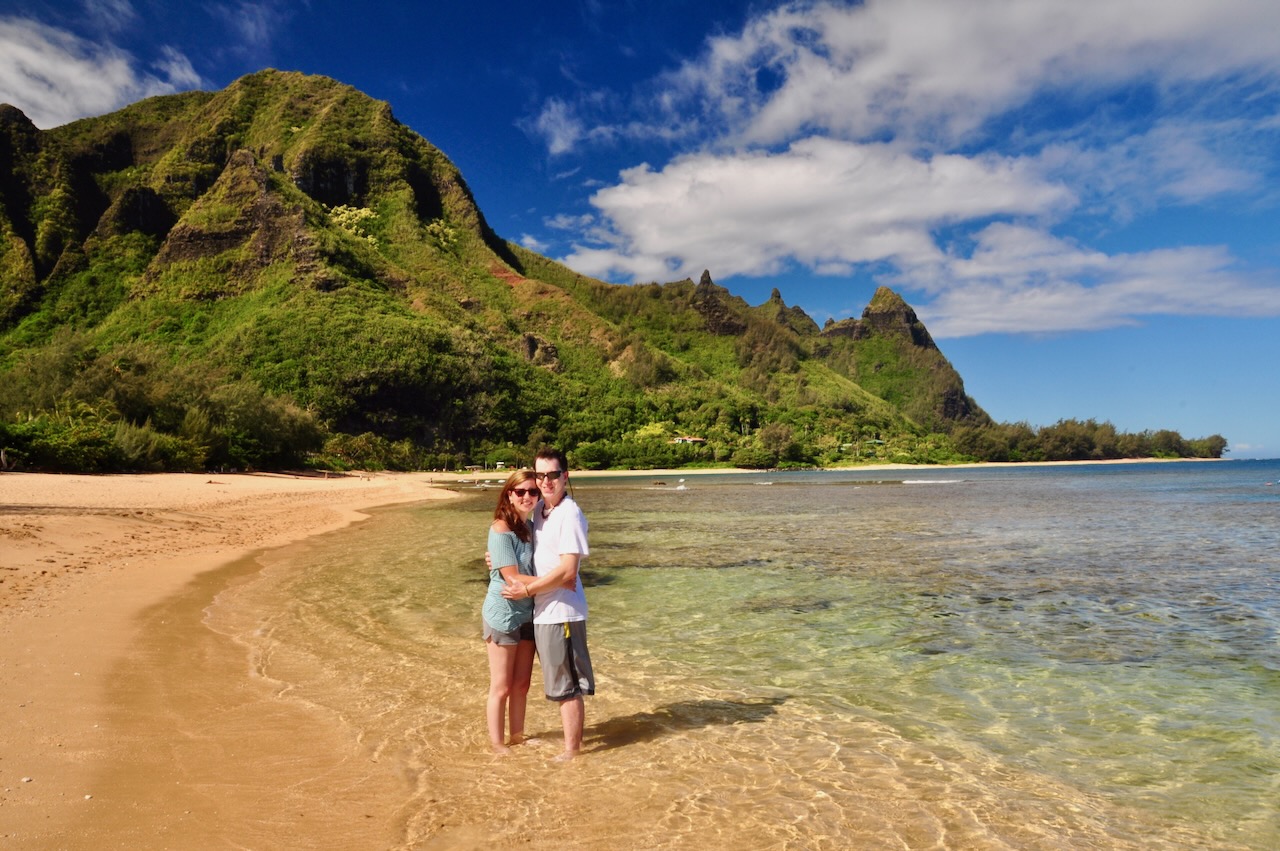
The word paradise shows up on every Hawaii brochure, every airline ad, every Mai Tai menu, and the back of roughly half the t-shirts in Waikiki. It's the default frame. It's also, after twenty-four years of going back, the laziest possible thing you can say about these islands.
I'm not against the word. The first time I stood in front of a Hawaiian sunset in 2002, "paradise" is exactly what came out of my mouth — what else does a 21-year-old from South Carolina who's never flown before say? But the word is a starting line, not a finish line. It's the cover of the book. If you only show up for the cover, you're going to miss the part that actually matters, which is everything inside.
This piece is the case for a better word. Or rather, for a better understanding of what Hawaii actually is — once you stop looking at it like a postcard and start looking at it like a place.
What "paradise" gets right
I'll grant the word its due. The visual case for paradise is real. The trade winds are real. The water at Hanauma Bay or Kāʻanapali at the right hour really is the color the brochures say it is. The smell of plumeria when you walk out of the Honolulu airport at night is one of the great sensory experiences of being alive. If "paradise" means a place that's beautiful enough to take your breath away — Hawaii cleanly clears that bar in about a hundred different places, on every island.
But "paradise" as a word is also doing some heavy lifting it shouldn't be doing. It implies that the place is here to serve you. That the only relevant axis is whether the experience is pleasant. That what makes Hawaii special is essentially aesthetic and recreational — beach, drink, sunset, repeat. And that's where the word starts hiding more than it reveals.
What "paradise" hides
Here's what the brochure word doesn't tell you, in no particular order.
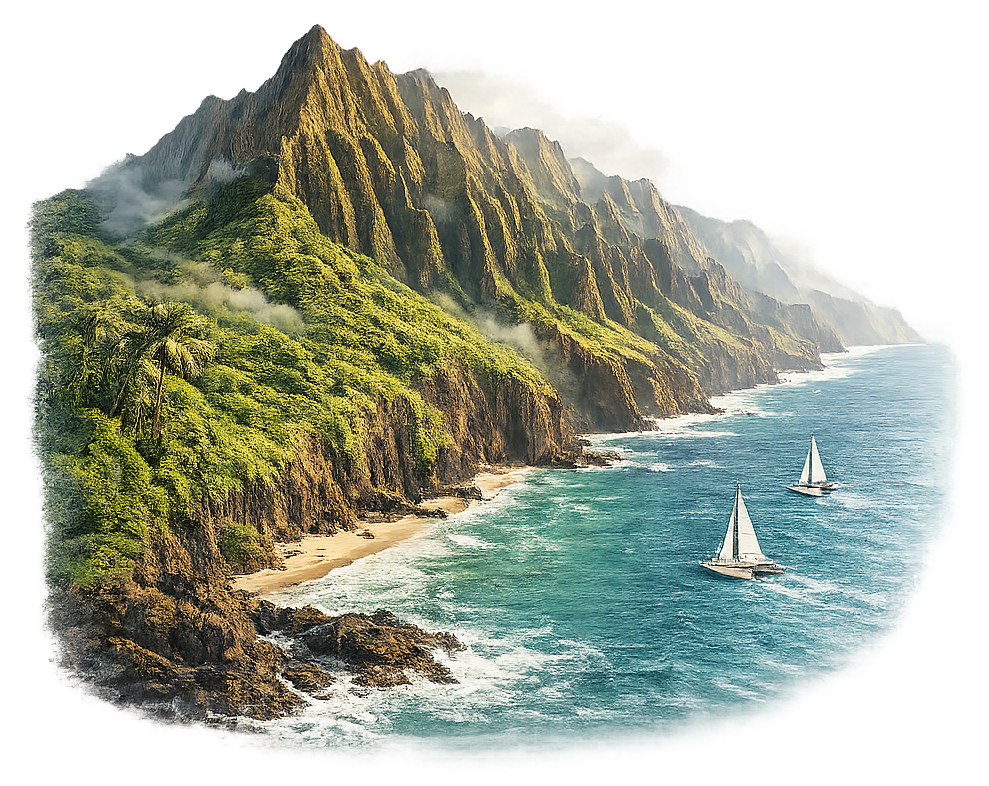
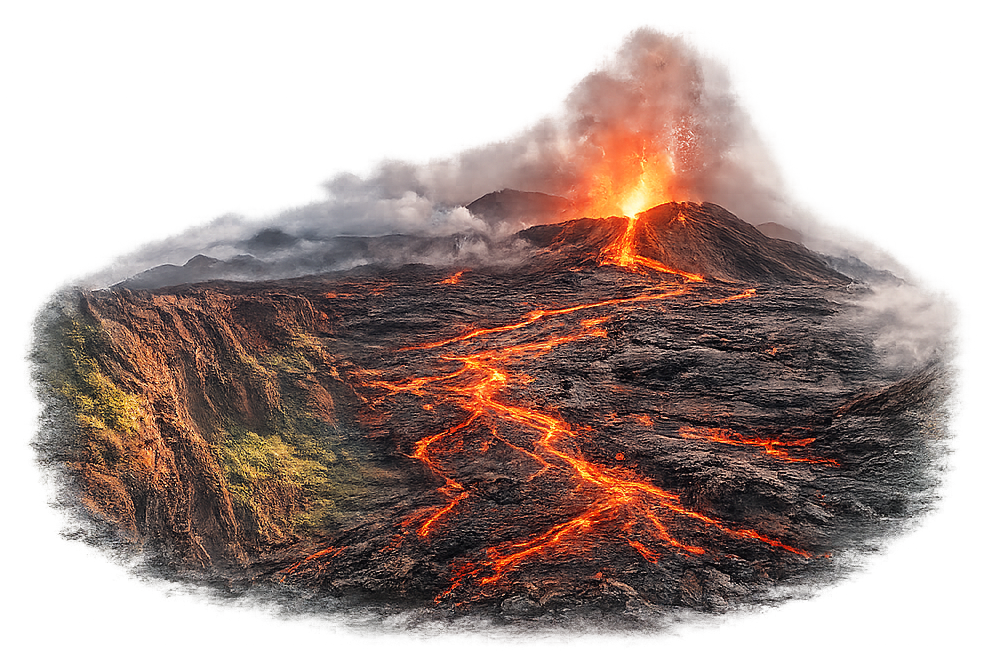
Hawaii is the most geographically isolated populated landmass on Earth. The biology and geology that produced it are weird in a way that makes most other tropical destinations look ordinary. Twenty-five percent of the fish you'll see snorkeling are endemic — they exist nowhere else. The Big Island is being built in real time by a volcano that's been erupting on and off for forty years straight. Kauai is wearing down at the other end of the same conveyor belt, with rock that's five million years old. The whole archipelago is a living demonstration of how the planet actually works, laid out across a hundred-mile drive.
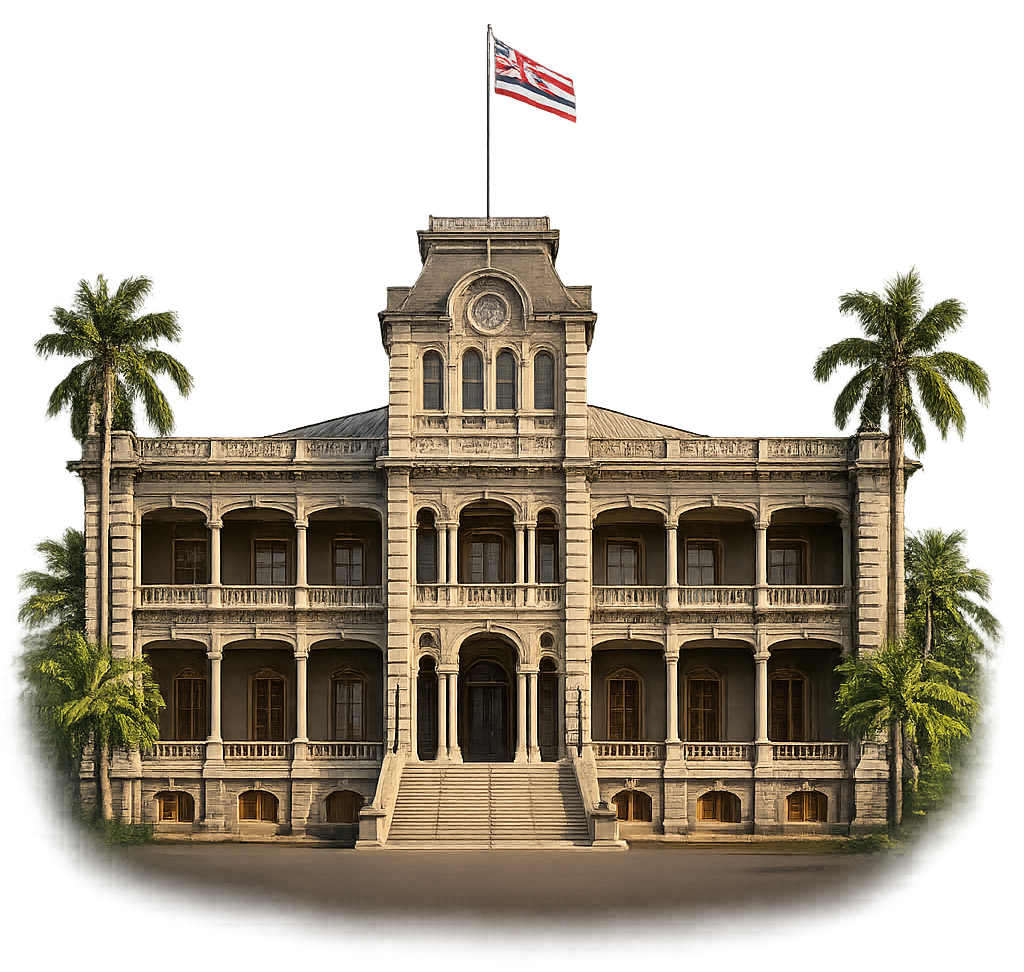
Hawaii is a culture, with an actual history. There was a Hawaiian kingdom. There was an overthrow. There was a long century of plantation labor, contract migration from Japan and the Philippines and Portugal and a dozen other places, military presence, statehood, tourism boom, and an ongoing native Hawaiian renaissance you can hear in the language reclaim and the hula festivals and the slow steady fight for stewardship of land and water. None of that is on the Mai Tai menu. All of it is what makes the Mai Tai menu possible.
Hawaii is an ecosystem under pressure. The ʻōhiʻa trees are being killed off by a fungus called Rapid ʻŌhiʻa Death. The coral reefs are bleaching from warmer water. Native bird species are vanishing. Invasive species — coqui frogs, mongooses, the wrong kind of grass on Maui that fueled the Lahaina fires — are reshaping what the islands are. None of this is on the brochure either, but it's what visiting Hawaii in 2026 is actually visiting.
And Hawaii is people, doing the regular work of life, far from any continent. The cost of milk. The cost of housing. The two-hour commute on the H-1. The fishing boat going out at dawn. The hula halau practicing on a Tuesday night. Visitors get a sliver of all of that and pay almost no attention to it. Most don't even know it's there.
A better word, if I had to pick one
If "paradise" is the cover, what's the actual book?
The closest single word I've found in twenty-four years is place. Not "destination," which implies you go and come back unchanged. Not "vacation," which implies a pause from your real life. Not "paradise," which flattens it into a backdrop.
Place. A specific, weird, alive, ancient, complicated, contradictory, gorgeous, fragile, demanding place — with a thousand named valleys and a hundred dialects of pidgin and an active volcano and a crashed monarchy and a coral reef built over fifty million years and a song about a single fishing boat. A place that has its own opinions about who it lets in and who it doesn't. A place you can be a guest at, and if you're paying attention, learn something from.
"Paradise" implies the place is here to serve you. "Place" implies you're here to learn from it. Those are different trips. You can take either one — Hawaii will sell you the first one all day long, and the second is harder to find without slowing down. But the second one is the trip that actually changes people.
What this means for how you visit
If you only have a week and you want to see the famous beaches and book a luau and post one good sunset photo — that's a fine trip. Hawaii will deliver. You don't owe me or anyone else a deeper engagement than that, and I'd rather you come and have a good shallow trip than not come at all.
But the trip that becomes the through-line of someone's life is almost always the one where they stopped treating Hawaii as a backdrop and started treating it as a place. A few small shifts get you most of the way there:
- Slow down. Hawaii doesn't reward optimization. The Road to Hana is the drive, not the waterfalls at the end. Waipiʻo Valley is the overlook, not just the lookout selfie. Build a trip with whitespace in it and you'll see things you would have missed at speed.
- Learn one thing about the place that isn't on the brochure. Read about the overthrow. Watch a single hula performance with the eyes of someone trying to read the story it's telling. Pick up a few words of Hawaiian — even just mahalo done correctly. Read the why behind the fees and reservation systems instead of complaining about them at the trailhead.
- Go to one place that isn't famous. Every island has the headline beaches and the famous overlooks. Every island also has the smaller, quieter, less-photographed places where you'll be one of three people instead of three hundred. Those places are usually where the trip turns.
- Sit somewhere for thirty minutes without your phone. Hawaii has a thing it does to people who give it actual silence. You can't access it through a screen. You can on a bench at Waikamoi, or at Puʻuhonua o Hōnaunau, or sitting on the sand at Kamaole III at sunset, or watching the surf at any rocky north shore in winter. Pick one. Stay there. The place will do its work.
The selfish reason this matters
Here's the part I rarely say out loud, but I'll say it here because this corner of the site is for the parts I rarely say out loud.
Hawaii is a place that does something to me. Twenty-four years, twenty-plus trips, and the place still gets a vote in my interior life. I've built a website around it, married someone who feels it the same way I do, planted a Hawaii garden seven thousand miles away in central South Carolina because the longing is real, and if I'm being honest, structured most of the major decisions of my adult life around getting back. None of that started with paradise. It started with a 21-year-old standing on a bench above a rainforest, getting hit by something that he'd never felt before and didn't have a word for.
The "paradise" frame, if I'd stuck to it, would have given me a nice trip and a few good pictures and a one-line answer to "how was Hawaii?" at parties. The frame I actually got — that the place is alive and has agency and chooses who it lets in — gave me everything else.
I don't expect every visitor to want what I got. I do think most people who come to Hawaii are quietly hoping for a little of it, even if they don't have language for it yet. The "paradise" word makes it easy to take a beautiful trip and miss it entirely. The better word — place, or whatever your version of that ends up being — at least leaves the door open.
If you're going
Read the four-part founder story if you want the version of this with my actual life in it. Read Why Hawaii? if you want the case for going at all. Then plan the trip — pick the right island, find the right tools with TripStart, and go. Show up curious. Slow down. Sit on a bench somewhere. See what happens.
Hawaii will do the rest, if you let it.
Aloha y'all,
John
Ready to go past the postcard?
If this piece nudged you toward a deeper trip, the rest of this site exists to make the planning part easy. Twenty-four years of returning, built into one set of free tools.