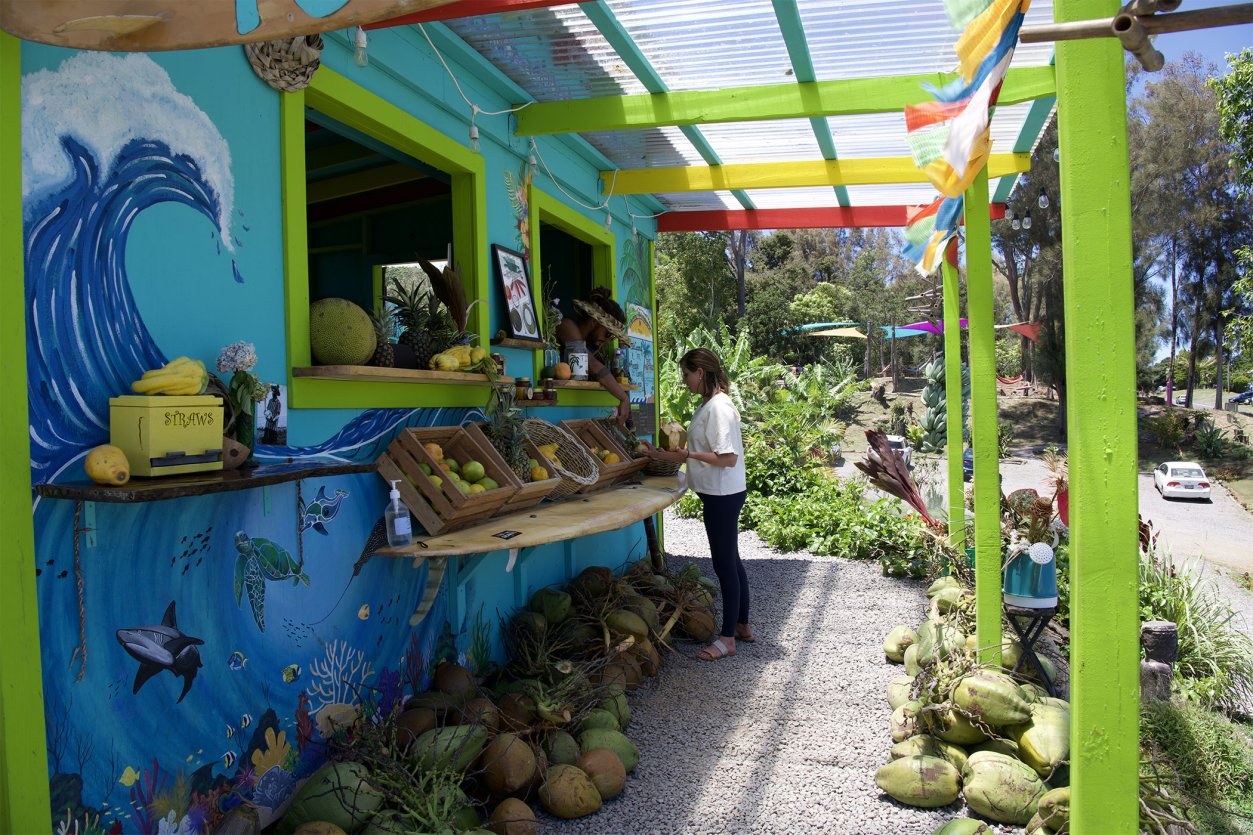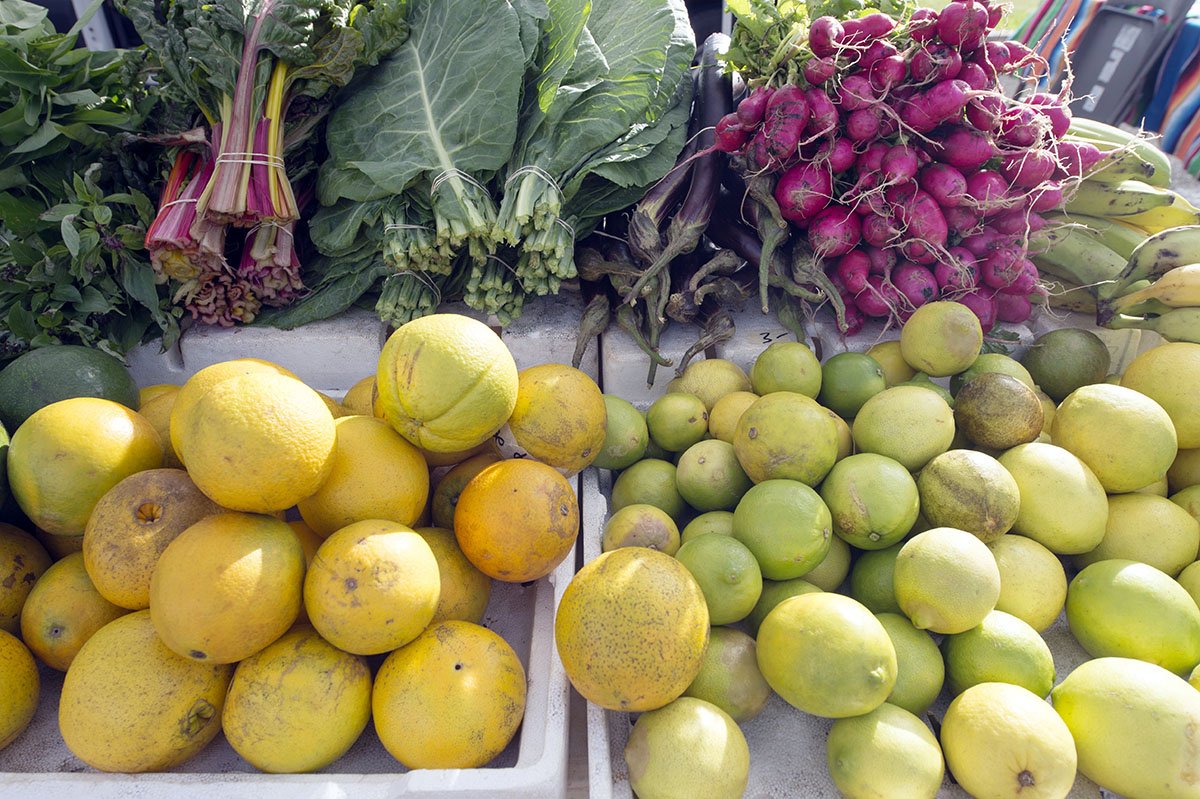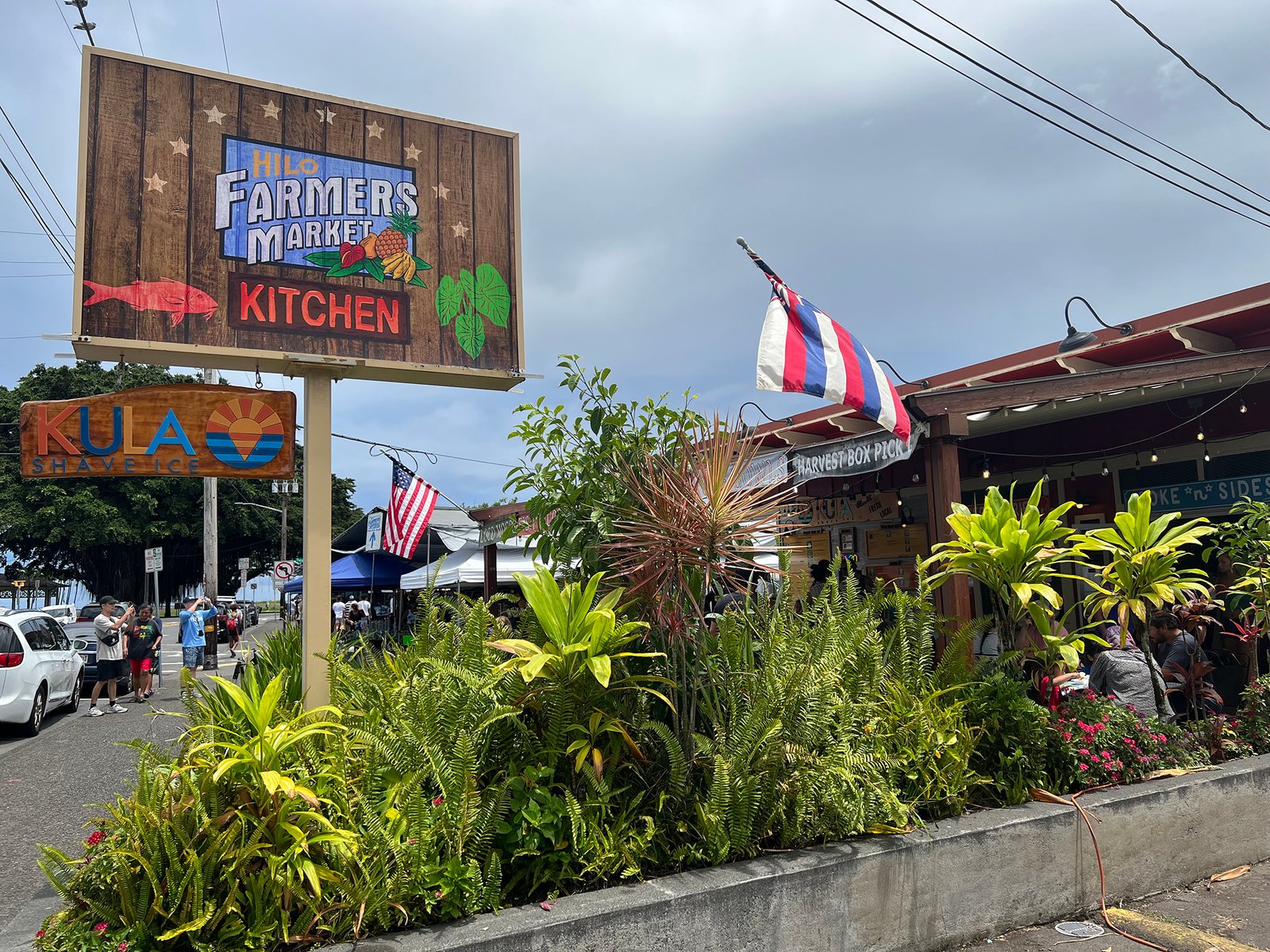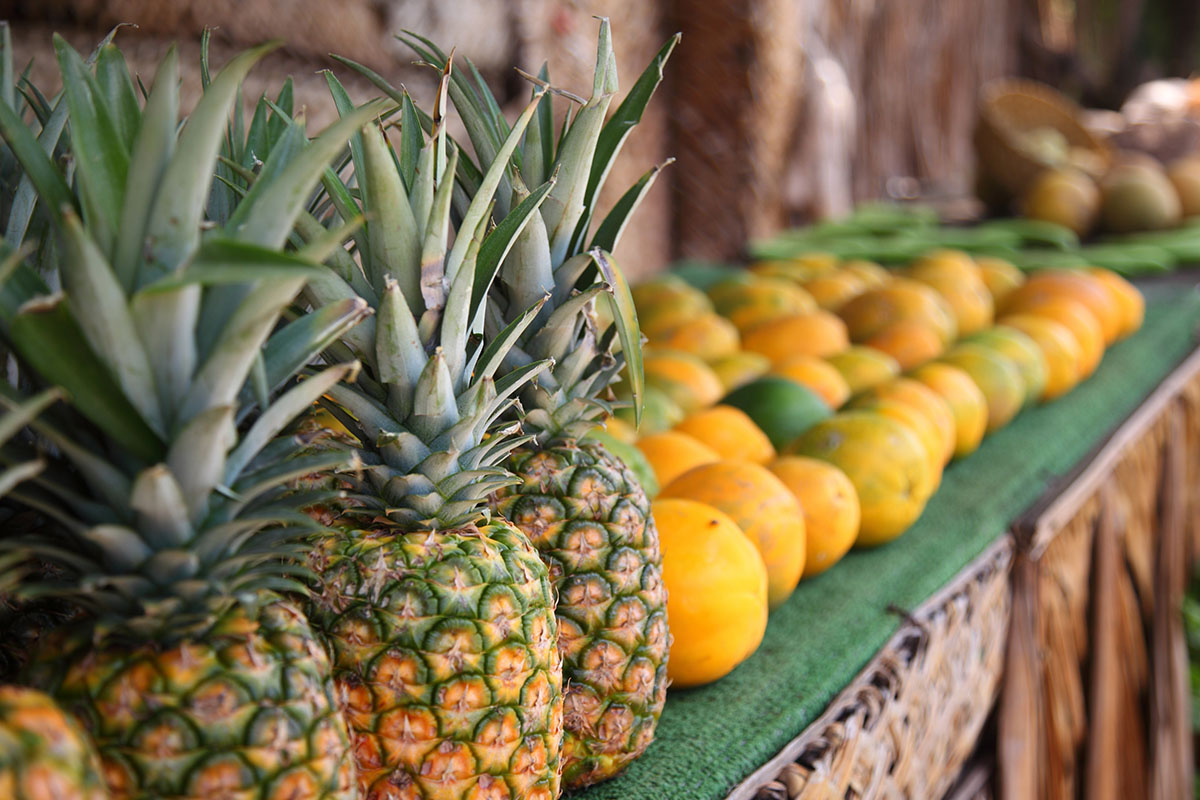
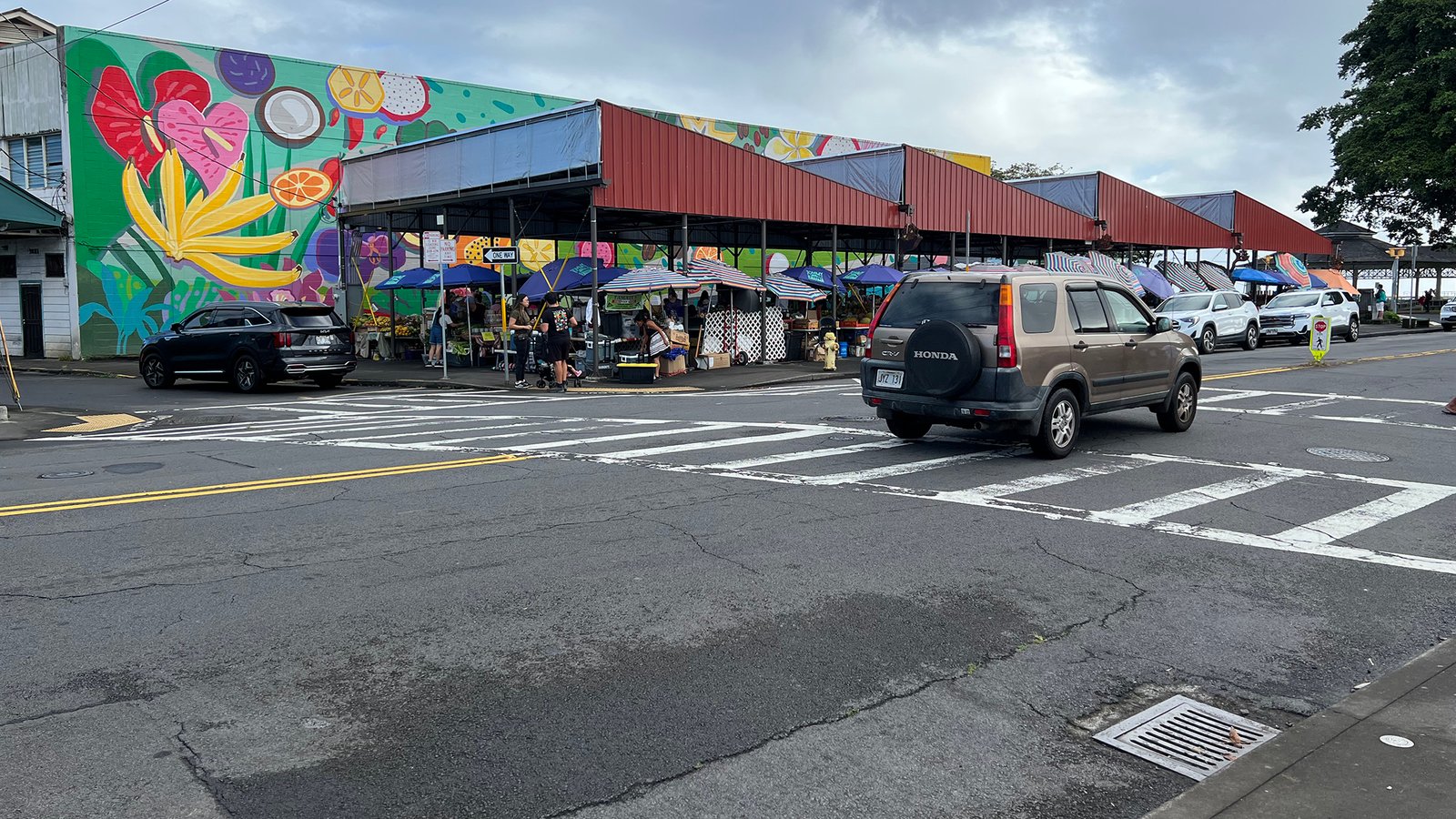


Cash vs. cards in Hawaii is not a choice between two payment systems. It is a redundancy problem. Cards handle the planned, expensive parts of a trip. A small stack of bills covers the human-scale moments where the signal, card reader, or seller’s preference does not match your plan.
Across more than 20 years of Hawaii travel, our most useful rule has been simple: carry one primary card, keep a backup card somewhere separate, and hold a modest cash buffer in small bills. The point is not to predict every cash-only counter. It is to keep one failed payment from becoming the event that rearranges your day.