
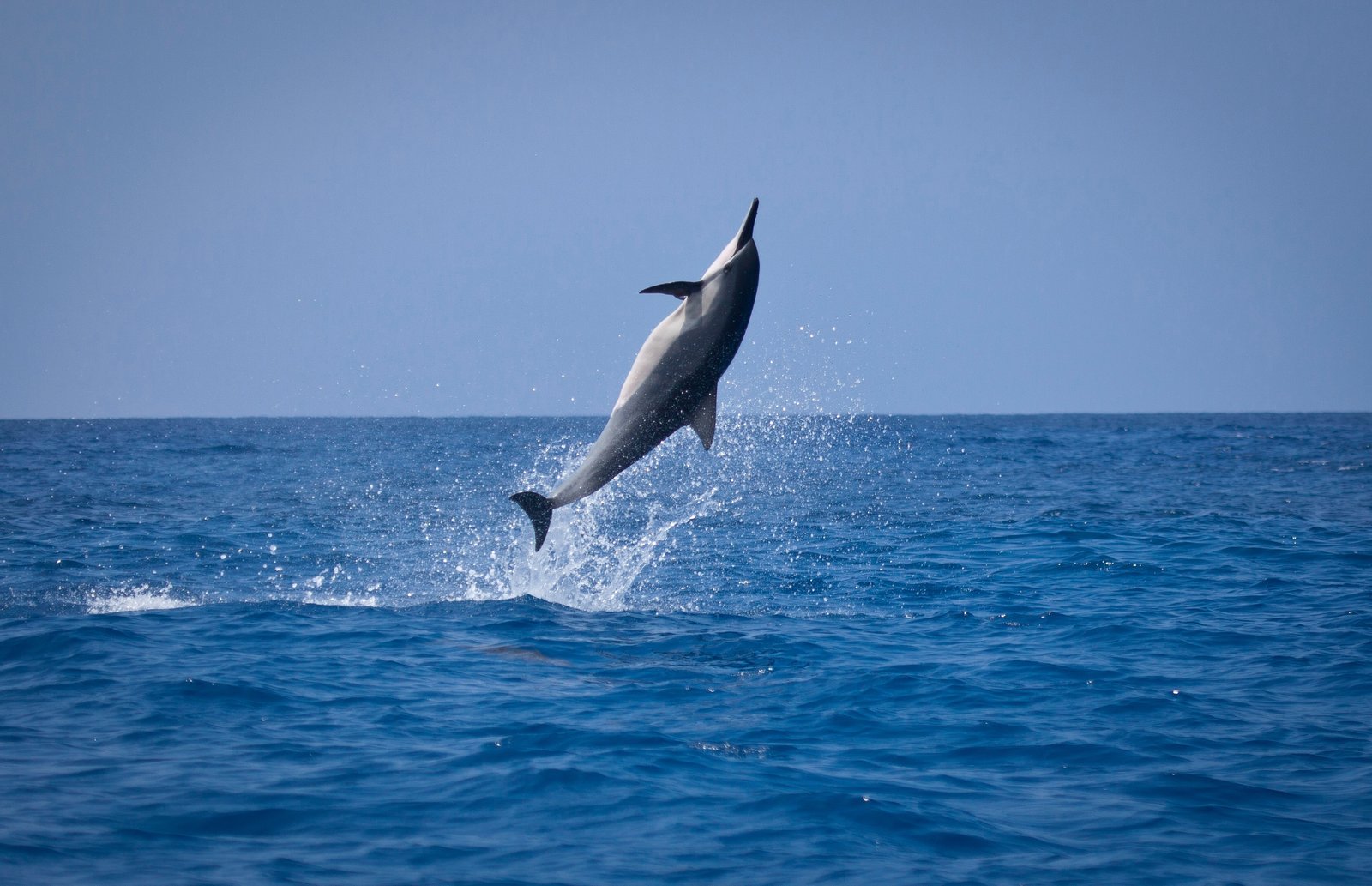

Hawaii dolphin watching tours have one big advantage over whale trips: the spinner dolphins live here year-round. They don’t migrate out for the summer the way the humpbacks do. Pods spend the night hunting in deep water offshore, then slide back into calm, sandy leeward bays at dawn to rest through the middle of the day. That daily rhythm is the whole reason a morning boat trip along the right coast puts you within sight of wild dolphins so reliably. Summer is the easy season to go see them. The leeward coasts where they rest sit in the lee of the trade winds, and from late spring through early fall those west-facing waters lie down flat. Calmer seas mean a smoother ride out, clearer water at the snorkel stops, and fewer weather cancellations. One thing changed the shape of these tours, and it matters before you book: it is now illegal to swim with wild spinner dolphins in most Hawaii nearshore waters. The good operators adapted years ago and run boat-based viewing plus reef snorkeling instead. This guide covers where to go island by island, how the rule works, and how to tell a responsible tour from one selling you something it can’t legally deliver.
The rule that reshaped dolphin tours
In September 2021, NOAA Fisheries finalized a rule that prohibits swimming with, approaching, or staying within 50 yards of a Hawaiian spinner dolphin. Per NOAA’s final rule, the 50-yard limit applies to people, boats, and objects within two nautical miles of the main Hawaiian Islands, plus the designated waters between Lānaʻi, Maui, and Kahoʻolawe. It also bans “leapfrogging,” which is dropping a boat or a swimmer in the dolphins’ path so the animals end up close to you. The reason is simple biology. Those leeward bays are bedrooms, not playgrounds. Spinner dolphins rest in the shallows by day to recover from a night of hunting, and a steady stream of swimmers pushing into the pod robs them of that rest. We wrote a full breakdown of the regulation and how to view from shore in our spinner dolphin 50-yard rule guide. What this means for your booking: a tour that promises you’ll “swim with wild dolphins” inside Hawaii’s nearshore waters is selling an experience the law no longer allows. Some listings still use that old language. Read it as a flag, not a feature. The experience worth paying for is a small boat with a captain who holds a respectful distance, lets the dolphins choose whether to ride your bow wave, and then anchors at a reef so you can snorkel with turtles and fish. You still see dolphins. You just see them on their terms, which is also the legal way.
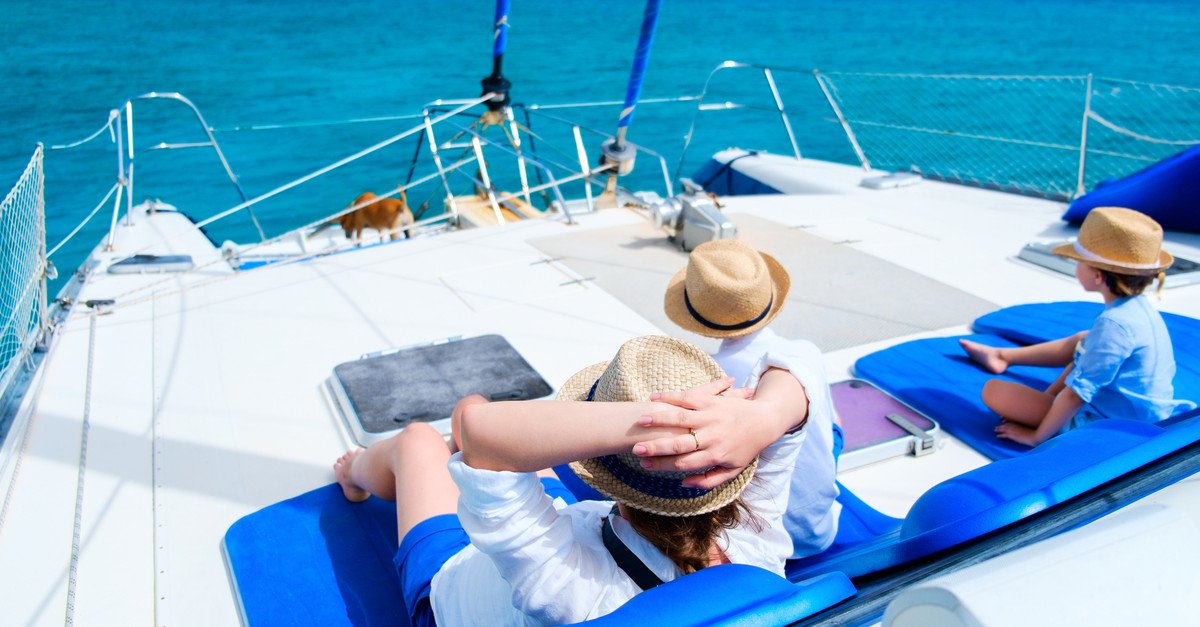
The modern dolphin tour is a boat-based wildlife trip: watch the pod from a legal distance, then anchor at a reef to snorkel. Smaller boats with a naturalist aboard read the dolphins' behavior instead of chasing it.
Why summer is the best window
Spinner dolphins are residents, so there’s no closed season for sightings. But the comfort and reliability of the trip swing hard with the wind, and summer is when the leeward coasts are at their best. Hawaii’s trade winds blow out of the northeast most of the year. The west and south shores of each island sit in the wind shadow, which is exactly where the dolphins rest and exactly where the tours run. From roughly May through September those waters are glassy in the early morning. You get a faster, drier ride out, you can actually see down into the water when a pod passes under the hull, and the snorkel stops have better visibility.
Go in the morning
Book the earliest departure offered. Dolphins move into the resting bays in the morning and the wind builds through the afternoon. A 7 or 8 a.m. trip catches both the highest odds of an encounter and the calmest water. By early afternoon the same coast can be choppy enough to turn the ride uncomfortable. Check the morning marine forecast on our Hawaii ocean report before you drive to the harbor.
Oahu's Waiʻanae Coast
Oahu’s leeward dolphin coast is the Waiʻanae (west) side, and it’s where the island’s dolphin-watching fleet is concentrated. Boats leave from Waiʻanae Boat Harbor at Pōkaʻī Bay and from Ko Olina Marina a little to the south. Resident pods of spinner dolphins rest along this shoreline most mornings, and the same trips often turn up green sea turtles and, in winter, humpback whales. The operators here split roughly into science-first eco tours and larger catamaran cruises. Wild Side Specialty Tours has run small-group trips out of the Waiʻanae coast since 1996 and built its reputation on marine-biologist narration and a strict, hands-off viewing ethic. Dolphin Excursions departs Waiʻanae Boat Harbor next to Spinner’s Café and runs a classic snorkel-and-dolphin-watch format. Ocean Joy Cruises runs a morning cruise up the Waiʻanae coast from Ko Olina with a reef snorkel built in. As of summer 2026, a half-day snorkel-and-dolphin trip on this coast generally runs about $170 to $215 per adult based on the current published rates from the three operators linked above. Confirm the exact rate when you book, because it shifts with season and what’s included.
How to book
Book direct on the operator sites above, or browse the field on Viator’s Oahu activity directory, which lists the Waiʻanae snorkel-and-dolphin trips alongside their cancellation terms. Either way, reserve before you fly in summer; the small-boat outfits sell out.
Best fit in an Oahu trip
The Waiʻanae harbors are a real drive from Waikiki, so this is a West Oahu morning, not a quick errand. Pair the boat with an afternoon at a leeward beach like Kō Olina’s lagoons or Mākaha, and you’ve built a full west-side day. For more on the area, see our Oahu marine life tours page.

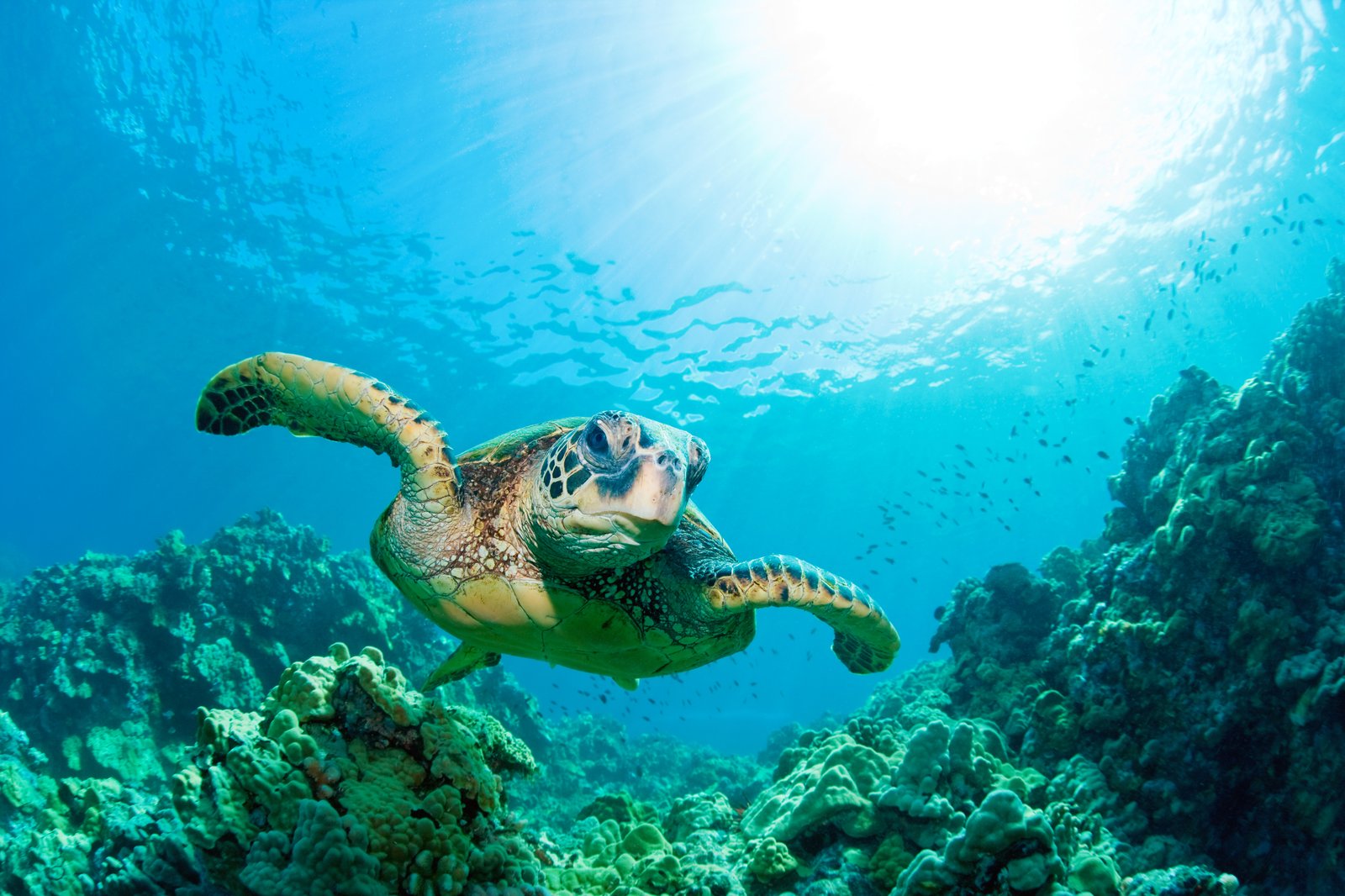
Oahu's Waiʻanae Coast sits in the lee of the trade winds. Its calm, sandy-bottomed bays are where resident spinner dolphins rest by day, which is why the west side is the island's dolphin-watching coast.
The Kona Coast on the Big Island
The Kona side of the Big Island is the other powerhouse for dolphin trips. The leeward coast south of Kailua-Kona is sheltered, clear, and lined with the resting bays spinner dolphins favor, including the waters off Honaunau (Two Step) and Kealakekua Bay. Most Kona dolphin tours are really snorkel cruises that watch for dolphins on the way to and from two of the best reef snorkel sites in Hawaii. Body Glove Hawaii runs a large, family-friendly catamaran with food and a waterslide. Aliʻi Ocean Tours caps its boat well below capacity for a smaller-group feel and snorkels Kealakekua Bay. Dolphin Discoveries focuses on small-boat ocean trips out of Honokōhau Harbor; we cover them in our Dolphin Discoveries review.
How to book
Book direct, or compare Kona’s snorkel-and-dolphin trips on Viator’s Big Island directory, which also surfaces the area’s manta ray night snorkels for combo planning. For the reef side of the trip, our beginner snorkeling guide walks through gear and technique.
Best fit in a Big Island trip
Stack a morning Kona dolphin-and-snorkel trip with a relaxed afternoon on Aliʻi Drive. Honokōhau and Keauhou harbors are short drives from Kailua-Kona, so this is one of the easier boat days to fit into a Big Island itinerary.

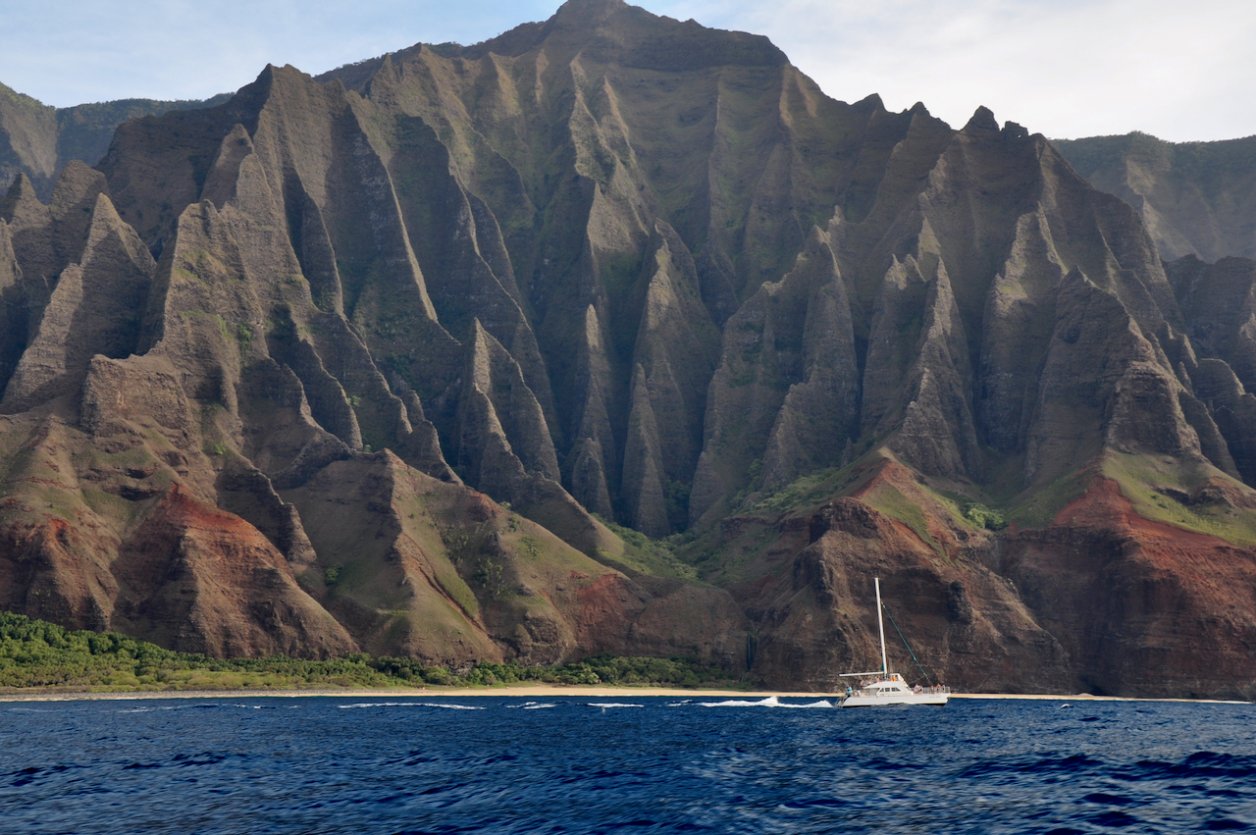
The Kona Coast south of Kailua-Kona shelters resting bays like Honaunau and Kealakekua. Most dolphin trips here double as snorkel cruises to two of Hawaii's best reefs.
Maui and Lānaʻi
Maui’s spinner dolphins concentrate around Lānaʻi, especially in Hulopoʻe Bay, the island’s marine sanctuary and a classic resting bay. Boat trips to Lānaʻi cross the ʻAuʻau Channel, the sheltered passage between the two islands, and pods routinely ride the bow on the way over. Most Maui-based crossings now leave from Māʻalaea Harbor on the south side. Lahaina Harbor on the west side took heavy damage in the August 2023 wildfire, and its tour operations remain limited; check our Lahaina summer 2026 update for the current status before assuming a west-side departure. When you book, confirm the harbor your trip actually leaves from.
How to book
Browse current Maui-to-Lānaʻi snorkel and wildlife sails on Viator’s Maui directory, and verify the departure harbor and what’s included before you pay. Many of these are full-day trips with two snorkel stops, so plan the rest of the day around an early start and a mid-afternoon return.
Dolphins on Kauai's Nāpali run
Kauai doesn’t market dedicated dolphin tours the way Oahu and Kona do, but spinner dolphins are a near-constant on the island’s flagship boat trip: the Nāpali Coast cruise. Pods regularly meet the catamarans and rafts running the coast and surf the bow for long stretches. In summer the south-facing departure points and the coast itself are at their calmest, which is the same window that makes Nāpali boat tours run at full tilt. Most Nāpali trips leave from Port Allen on the west side, with some raft tours out of Hanalei in summer. Dolphins are a bonus on top of sea caves, waterfalls, and a reef snorkel stop, not the headline. We cover the whole category in our Nāpali Coast boat tours guide, and you can compare operators on Viator’s Kauai directory. For the mellower river-and-reef side of Kauai, see the island’s snorkeling tours.
How to pick a responsible operator
The booking decision that matters most isn’t price. It’s whether the operator runs the trip the legal, low-impact way. A few signals sort the good ones from the rest.
The marketing language
Skip anything still promising you’ll get in the water and swim with wild spinner dolphins inside Hawaii’s nearshore waters. That’s the behavior NOAA restricted. Look instead for language about viewing, observing, and respecting distance, with snorkeling described at a reef or with turtles rather than in the middle of a pod.
Boat size and a naturalist aboard
Smaller boats with a guide who narrates dolphin behavior tend to read the animals and back off when a pod is resting. Big cattle-boat operations can be fine too, but the experience is better, and usually more careful, on a boat that isn’t trying to cycle a hundred people through the water.
Honest odds
Reputable operators quote a high sighting rate and still tell you encounters are never guaranteed. Some offer a return-trip voucher if no dolphins show. A guarantee that you’ll be swimming with a pod is a promise no honest Hawaii operator can make anymore. Review NOAA’s marine life viewing distances so you know what right looks like from the rail.
What you'll actually see
The star is the Hawaiian spinner dolphin, named for the corkscrew leaps it throws clear of the water, sometimes several rotations in one jump. Resting pods are quieter and travel in tight formation just under the surface, while active pods bow-ride and breach. A good morning on a leeward coast can put dozens of them around the boat. They’re not the only marine life on these trips. Spotted and bottlenose dolphins turn up, green sea turtles are common at the reef snorkel stops, and from roughly December through April the same boats double as humpback whale tours. For the full summer picture of what’s swimming off Hawaii once the humpbacks leave, see our marine life after whale season guide. Spinner dolphins stay all year, which makes them a dependable wildlife encounter on a Hawaii boat trip in any month.
What to bring
Reef-safe sunscreen
Hawaii’s Act 104 prohibits the sale of sunscreens containing oxybenzone and octinoxate statewide, and Maui County’s Ordinance 5306 goes further by banning the sale, use, or distribution of non-mineral sunscreens without a prescription. Pack a mineral (zinc oxide or titanium dioxide) product before you fly. A reef-safe sunscreen with zinc oxide is the right call for a half-day on an open boat.
A waterproof phone case
You’re getting on and off a boat and into the water. Salt spray and a dropped phone are both real risks. A universal waterproof case with a lanyard keeps the camera alive and around your neck.
Motion-sickness plan
Summer leeward water is usually mellow, but the open ocean still moves. If you’re prone to seasickness, take your remedy before you board, not after the queasiness starts. Eat something light and stay on deck where you can watch the horizon.
The rest
A rashguard for sun cover in the water, a hat and polarized sunglasses with a strap, a towel, and a water bottle. Most snorkel-and-dolphin boats provide gear, but bring your own mask if you have a fit you trust.
Renting a car for the harbor run
Every leeward dolphin harbor sits well outside the main resort zones. Waiʻanae and Ko Olina are a real drive from Waikiki. Kona’s harbors are an easy hop from Kailua-Kona but not from a Kohala Coast resort. Māʻalaea and Port Allen both assume you’re driving. An early-morning departure plus harbor parking effectively requires your own wheels. If you don’t have a rental lined up, Discount Hawaii Car Rental runs honest rate comparisons across the major brands at all four airports. It’s the booking tool I use; check the cancellation terms on whatever listing you pick before paying. Whales are gone for the summer, but the dolphins never left, so the only thing standing between you and a morning pod is a calm forecast and a way to get to the harbor. See our whale season tracker for where the big animals are in the off months.
Related Hawaii Wildlife & Activity Guides
This article includes affiliate links. We earn a small commission if you book through these links, at no additional cost to you. We only link to operators we’d send a friend to.