

The best Hawaii rainy day activities almost always start with a question most visitors don’t think to ask: is it actually raining on the other side of the island? Almost every Hawaiian island has a wet (windward) side and a dry (leeward) side separated by a spine of ridgeline, and rain on one side rarely means rain on the other. A rainy morning on the lānai usually looks worse than the day actually is. The National Weather Service Honolulu publishes the gap plainly: Hilo averages about 126 inches of rain a year while Kona, an hour and a half across the same island, averages closer to 18. That same wet/dry split exists at smaller scale on all four major islands. So the first move on a rainy morning isn’t to write the day off. It’s to look at radar, drive to the dry side if you can, and have one or two indoor anchors in your back pocket if you can’t. Below: how the microclimate move actually works, how to tell when a storm is too widespread for that move, and the indoor lineup I lean on per island when the rain follows me across the spine and parks itself for the day.
The 30-minute rule that saves most rain days
Pull up the NWS Hawaiʻi radar on your phone before you commit to writing the day off. If the rain looks band-shaped and steady on the windward side but the leeward side is clear, you may have a 30- to 90-minute drive between you and a sunny beach. That drive is often the day’s best move.
- Oʻahu: Wet Kāneʻohe or Kailua mornings often pair with dry Kapolei, Koʻolina, or Waikīkī afternoons. H-3 or the Pali Highway puts you through the Koʻolau in roughly 25 to 30 minutes without traffic.
- Maui: Rain in upcountry Kula or windward Hāna often pairs with dry Wailea, Mākena, or Kāʻanapali. Kula down to Wailea runs about 35 to 40 minutes.
- Big Island: The biggest spread in the state. Hilo and the Volcanoes side can be socked in while Kona stays in full sun. Saddle Road from Hilo to Kona is roughly an hour and a half — comfortably inside two hours under normal conditions.
- Kauaʻi: Rain on the north shore (Hanalei, Princeville) often pairs with dry Poʻipū or Waimea Canyon on the south and west. Hanalei to Poʻipū runs about 90 minutes end to end without stops.
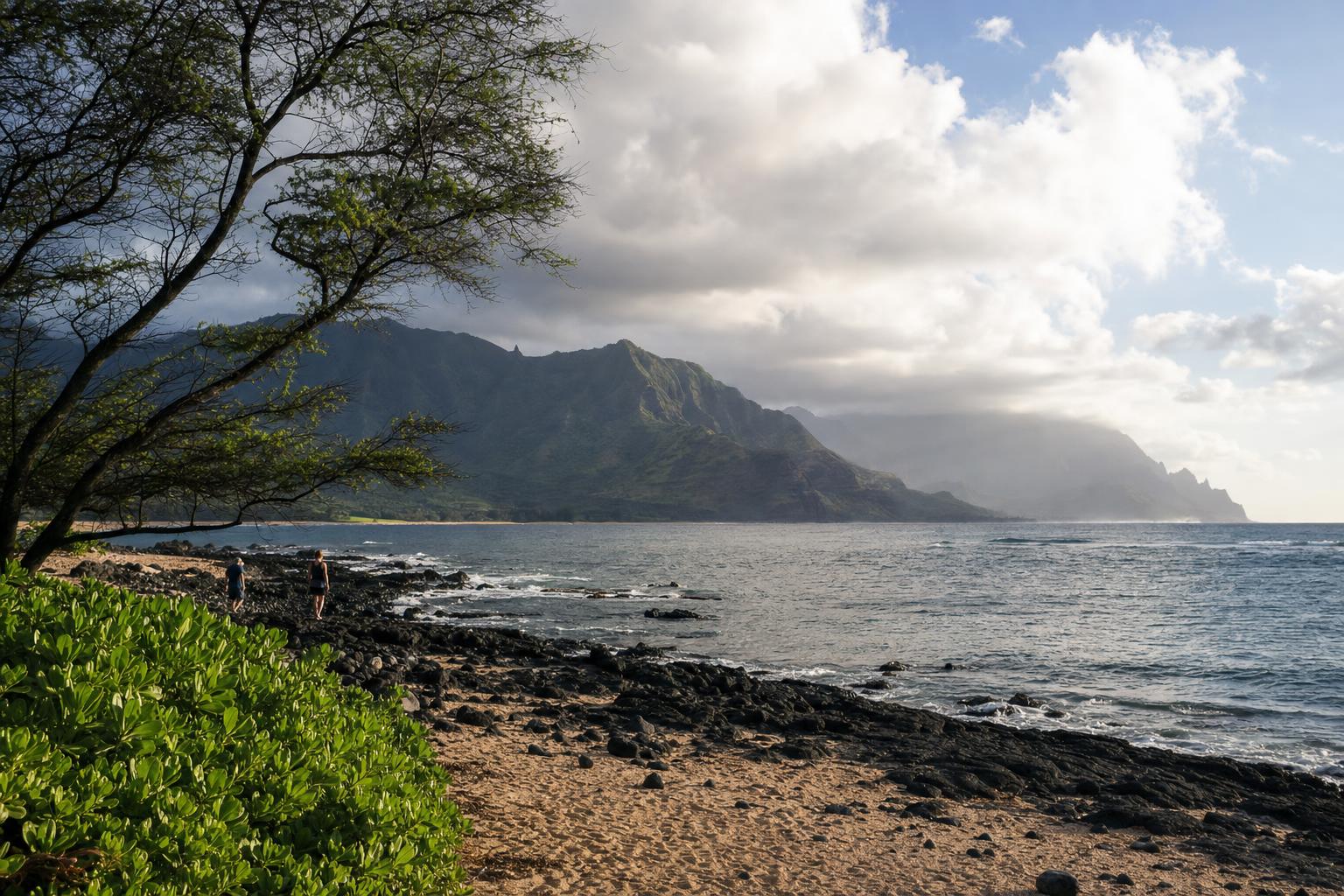
The piece I missed on my early trips is that a rainy morning on the windward side is often the prettiest version of that side — waterfalls run, the green is electric, and the crowds thin out. If the rain is light and the radar shows it lifting by midday, sometimes the best move is to stay put and do a sheltered drive (the back of Hāna, the Hāmākua coffee road, the Wailua river loop) and let the leeward run wait until after lunch. If the radar shows widespread rain across the whole island — which does happen, especially during a winter kona storm or another organized low-pressure system — switch to the indoor plan. That’s everything that follows.
Oʻahu rain-day anchors
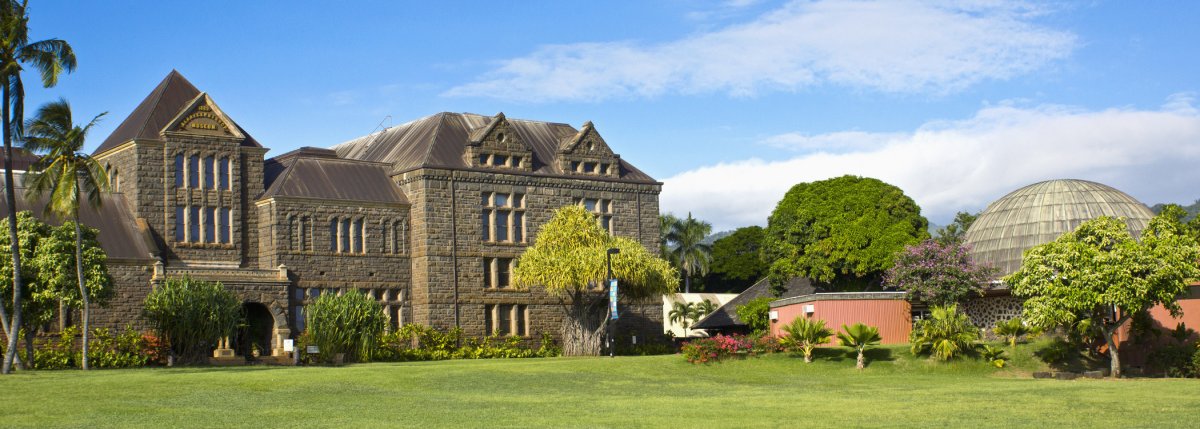
Oʻahu has more indoor options than the other islands, which is convenient because a Waikīkī-based trip can pivot indoors without spending the whole day in the car. Start with the Bishop Museum in Kalihi — the official state museum of natural and cultural history, with the Hawaiian Hall, science exhibits, and a planetarium program that gives the rest of the trip better context. Plan three hours if you care about Hawaiian history at all. The official site has current hours, admission, and exhibit details. Second tier, all in or near downtown Honolulu so you can string two together on a long rain day: ʻIolani Palace is the only official royal residence in the United States and the guided tour is excellent. The Honolulu Museum of Art gives you a quieter art-and-lunch pivot near downtown. The Waikīkī Aquarium is small but useful with kids — reef fish, Hawaiian marine-life interpretation, and a manageable visit length when everyone is already wet and tired. If the rain hits on a day you’d planned around Pearl Harbor, that’s actually a good swap — the USS Bowfin submarine and Pearl Harbor visitor center work fine in rain. The Arizona Memorial boat ride sometimes runs through light rain and sometimes doesn’t, depending on harbor conditions, so check the National Park Service Pearl Harbor page the morning of for current status. The full Pearl Harbor complex has enough indoor museum space to fill a half-day. For the day you just want to be dry and warm and not think too hard, Ala Moana Center and the open-air-but-mostly-covered International Market Place in Waikīkī are perfectly fine rain-day moves. Ala Moana’s food court and noodle shops are easy with kids, and the center gives everyone room to reset without making the day feel like a hotel-room sentence. Pair it with a couple of hours at the local bakeries we love if you’re driving back through Kapahulu.
Bishop Museum, Kalihi. The deepest rainy-day anchor on Oʻahu — plan three hours minimum.
Maui rain-day anchors
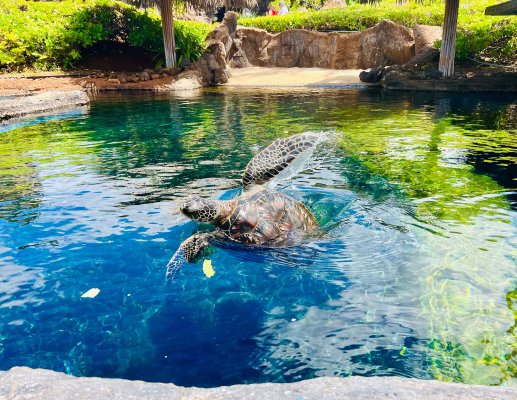
Maui’s indoor lineup is shorter than Oʻahu’s, but the leeward-side switch is almost always available because the dry side of Maui — Wailea, Mākena, Kīhei, Kāʻanapali — covers most of where visitors stay. A rain day on Maui usually means rain in Hāna, in upcountry Kula, or along the windward stretch from Pāʻia to Twin Falls. The leeward resort coast is rarely socked in. The first indoor stop on Maui is the Maui Ocean Center in Māʻalaea — a Hawaiian-focused aquarium with a large open-ocean exhibit, reef displays, and a humpback-whale experience that works well even outside peak whale season. Confirm current hours, tickets, and add-on experiences at the official site. The Bailey House Museum in Wailuku is a small but well-curated 19th-century missionary home with a strong collection of Hawaiian artifacts and Maui-specific history. Plan an hour. It pairs well with lunch on Market Street in Wailuku town. The neighboring Alexander & Baldwin Sugar Museum in Puʻunēnē tells the plantation-era story in a compact format; hours can be limited, so check the museum’s visit page before making it the anchor of the day. For a wet upcountry morning, the Kupaʻa Farms coffee tour in Kula is the kind of stop that still makes sense in light rain — confirm the exact tour format and meeting point before driving out. Note that MauiGrown Coffee’s Lahaina storefront was lost in the 2023 fires and is not currently operating as a visitor stop, though the company still sells coffee online. Our island-by-island coffee farm tour guide lines up the current bookable options. If the rain is light and you’d planned the Road to Hāna anyway, don’t cancel — Hāna’s waterfalls run hard during and just after rain, which is a big part of the point. Drive conservatively, watch for rockfall and standing water on the curves, and turn around if a stream crossing looks moving. The one thing that does change in heavier rain is the ʻĪao Valley trail, which can close after heavy rain because of flash-flood risk. Check DLNR before driving up. Our summer weather guide walks through which Maui forecasts are actually useful.
Whalers Village, Kāʻanapali. Open-air mall with covered walkways and a free whale museum — a soft landing for a leeward-side rainy afternoon.
Big Island rain-day anchors
The Big Island has the biggest dry-side switch in the state because the island is so large and the climate gap between Hilo and Kona is so wide. If your base is in Kona or along the Kohala Coast, you’ll need an indoor anchor less often — the leeward resort strip averages only about 18 inches of rain a year. If your base is in Hilo or Volcano, plan on an indoor lineup more often. The best rain-day anchor on the wet side is the ʻImiloa Astronomy Center in Hilo. The exhibit halls connect Polynesian voyaging traditions with modern Mauna Kea astronomy, and the planetarium is the part that usually wins over visitors who came in only because the beach plan collapsed. Verify current shows and admission at the official site. Plan two to three hours. The Pacific Tsunami Museum in downtown Hilo tells the story of the 1946 and 1960 Hilo tsunamis and how the city was rebuilt. It’s small but sobering — about an hour, and a useful frame for understanding why Hilo’s downtown is laid out the way it is. The Lyman Museum & Mission House a few blocks away covers the island’s human history, geology, and ecosystems in detail. Add Mokupāpapa Discovery Center if you want a free, low-key marine-conservation stop in downtown Hilo. It focuses on Papahānaumokuākea Marine National Monument, so it pairs naturally with ʻImiloa: one stop explains the sky-navigation and astronomy side of Hawaiʻi, the other explains the remote Northwestern Hawaiian Islands and the ocean world most visitors never see. The Hawaiʻi Tropical Botanical Garden on the Hāmākua Coast is technically outdoors, but the canopy is so dense you can walk the whole loop in light rain without getting too wet. Wear shoes you don’t mind getting muddy. The garden is at its best after rain — the ginger and heliconia bloom heavier. For a long rainy day, pair ʻImiloa with the Tsunami Museum, drive over to a Kona coffee farm tour in the afternoon (the drive across the saddle is roughly an hour and a half and frequently changes the weather), and finish with dinner in Kona. That’s a full day that turned a rainy Hilo morning into the best version of a Big Island sampler.
Kauaʻi rain-day anchors
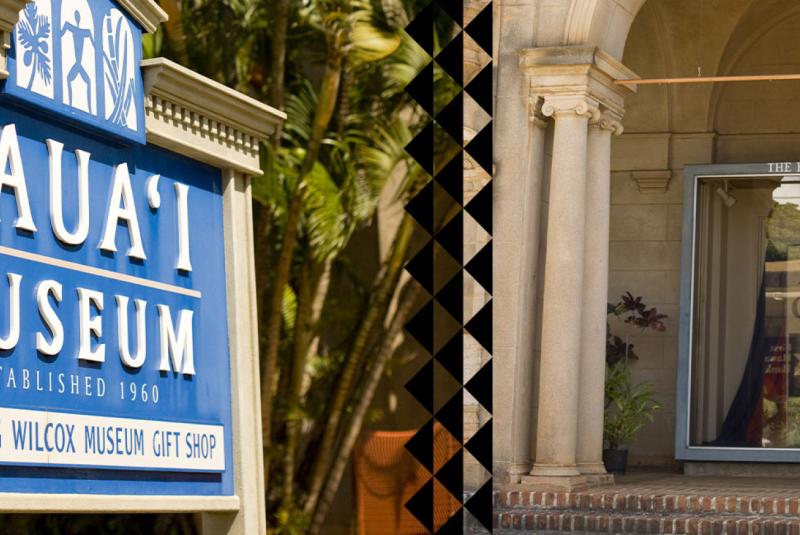
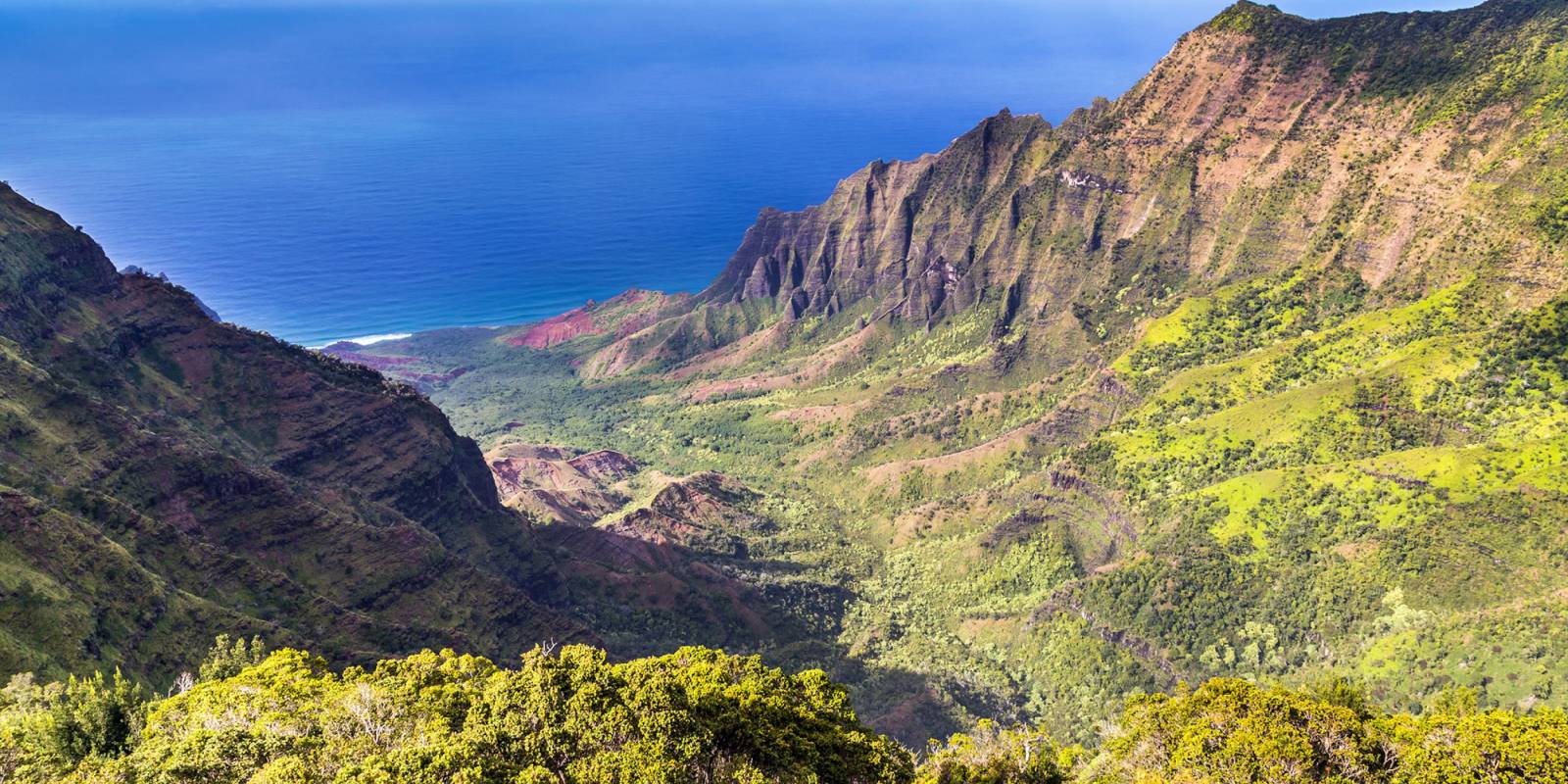
Kauaʻi gets more rain than the other major islands on average, partly because Mount Waiʻaleʻale at the island’s center is one of the wettest spots on Earth, with annual rainfall recorded by USGS often exceeding 400 inches. The trade-off is that the rain almost always stops at the mountains. The south shore (Poʻipū, Kōloa) and the west side (Waimea, Kekaha) are reliably dry even when the north shore is socked in. The drive from Hanalei to Poʻipū — roughly 90 minutes end to end — is the most useful single drive on the island for visitors who hit a wet Hanalei morning. The indoor lineup is smaller than Oʻahu’s but well-curated. The Kauaʻi Museum in Līhuʻe is the official island museum — a strong Native Hawaiian collection plus plantation-era history, in a historic building that makes sense as the first rainy-day stop. Plan 90 minutes. Verify current hours at the official site. The Grove Farm Homestead Museum less than a mile away is a guided-tour-only plantation-era house and grounds — book ahead through the official site. Kilohana Plantation on the road between Līhuʻe and Poʻipū has a covered shopping arcade in the old plantation house, a restaurant, the Kauaʻi Plantation Railway, and the Kōloa Rum Company tasting room — all under cover in a single complex. The rum-distillery tour is short and the tasting at the end is honest about which expressions are good. The Kauaʻi Coffee Company visitor center in Kalāheo is, per the company’s own count, the largest coffee grower in the U.S. — 3,100 acres and roughly 4 million trees. The self-guided tour is fully outdoors but mostly under coffee canopy. Pair it with a wet-day drive through Old Kōloa Town and the south shore — Kōloa rain almost always lifts by midday. For an evening, Hanapēpē Friday Art Night turns a damp evening into something worth driving for. Galleries open late, food vendors set up, and the main street gives you enough covered doorways and small shops to keep moving between dry stretches. Verify the current Friday schedule at the official Hanapēpē site before building your whole night around it.
Kauaʻi Museum, Līhuʻe. The 1924 building survived Hurricane Iniki and now anchors the island's rainy-day indoor lineup.
When rain is actually a feature
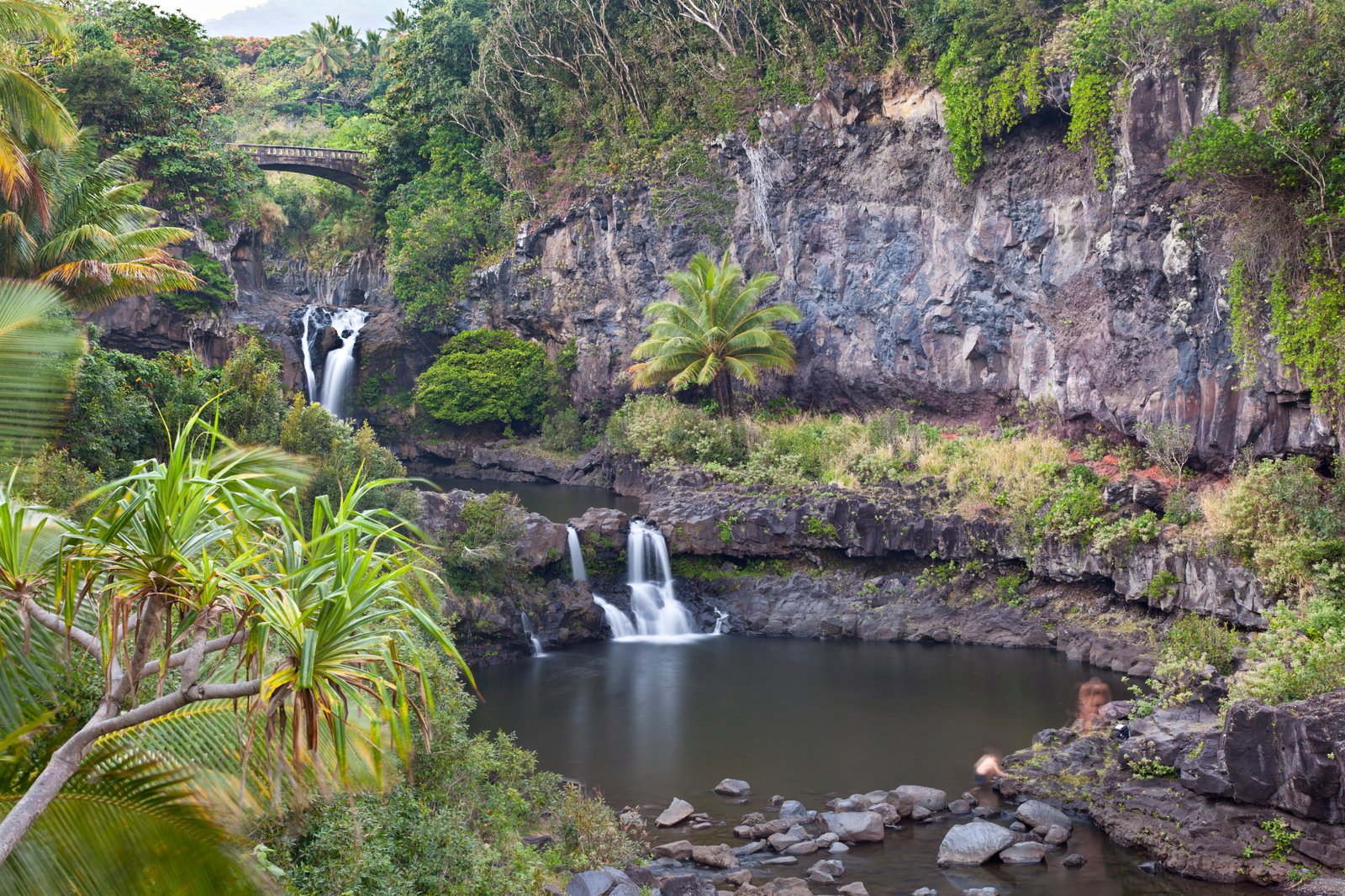
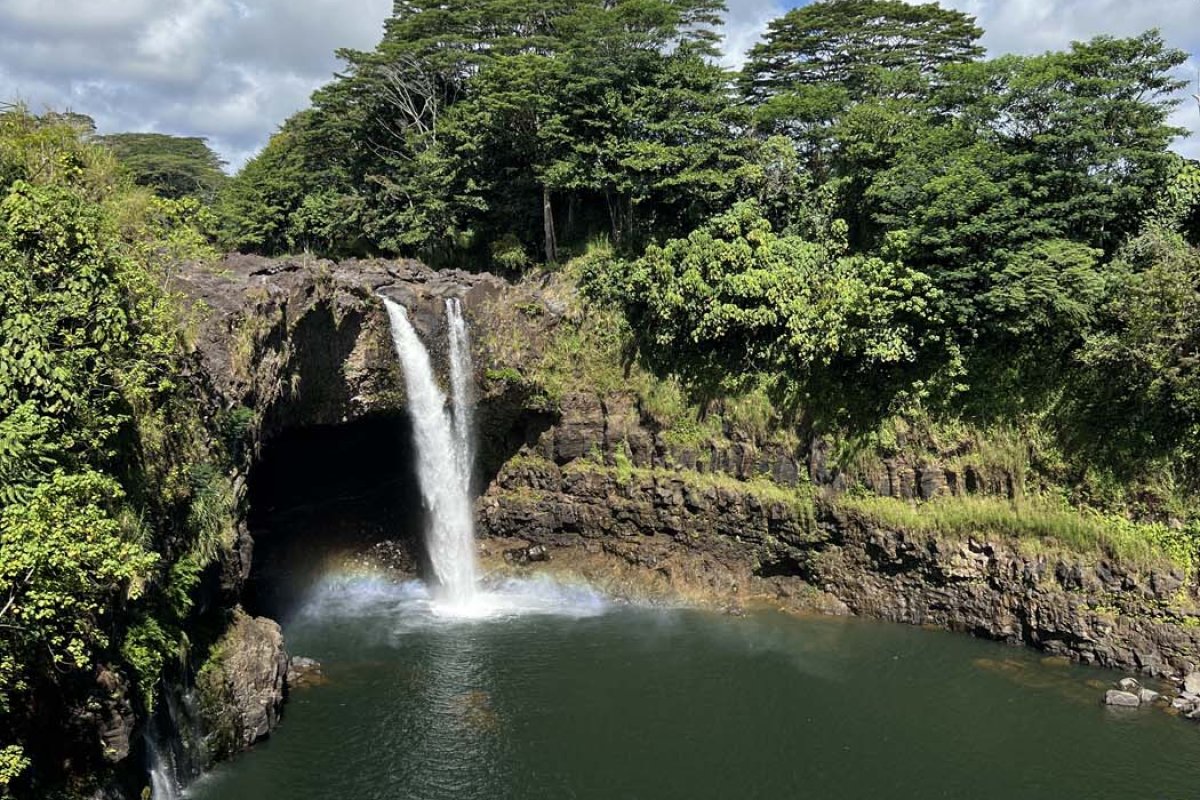
Not every rainy plan is a Plan B. Three things in Hawaiʻi are genuinely better in or just after rain. Waterfalls. The famous ones — ʻAkaka Falls, Rainbow Falls, Waipoʻo on Kauaʻi, the cascades along the Road to Hāna — are at their best 12 to 36 hours after meaningful rain. A dry-summer waterfall is often just a green-stained cliff. A post-rain waterfall is the photograph in the brochure. What you don’t do is hike into a remote falls during a flash flood — the NWS flash flood guidance and our freshwater swimming safety guide spell out the rules. Wait until the rain has stopped and the river has dropped before the deeper falls are safe. Rainbows. The combination of trade-wind moisture, low-angle morning and afternoon sun, and mountain backdrops produces the kind of rainbows that make people pull off the road. A rain shower with sun behind it is the recipe. The best rainbow windows tend to come shortly after a passing shower in late afternoon — keep a camera handy. Hiking. A light Hawaiian rain on a forested trail (Mānoa, Maunawili, Pīpīwai, the Hāmākua coastal trails) is one of the nicest hikes you can do anywhere. The temperature drops noticeably, the crowds disappear, the birds get louder, and the smell of wet ʻōhiʻa lehua and hau forest is the smell most visitors remember years later. The trade-off is mud — wear shoes you don’t care about and bring a microfiber towel for the car.
What to pack for a rainy week
You don’t need a real rain jacket in Hawaiʻi the way you’d need one in Seattle. The temperature is warm enough that getting a little wet is rarely a problem; the issue is the wind that comes with bigger storm systems and the humidity that follows. A few things make the difference between a rainy week that ruins the trip and a rainy week that just looks rainy in the photos.
- A light packable rain shell. A 6- to 8-ounce nylon shell that crushes into a pocket. Not a heavy waterproof — just enough to break the wind and shed a passing shower. A poncho works too and weighs even less.
- A microfiber camp towel. Lives in the rental car. Dries you off after a rainy hike or wet beach in 30 seconds. The single most-used item on long trips.
- One pair of shoes you don't mind ruining. Old running shoes or trail shoes are fine. Save the white sneakers for dry days.
- A dry bag or zip-top bag for phone and wallet. Hawaiian rain often arrives in 60 seconds and your phone shouldn't be in your pocket when it does.
- A reef-safe sunscreen you can apply through humidity. Sunshine after a rain hits harder than it looks because the clouds break and the angle is low. Hawaiʻi's reef-safe sunscreen law is enforced statewide, so check the bottle.
One thing you can usually leave at home: a bulky umbrella. Trade-wind showers often arrive sideways, and a light shell plus a brimmed hat usually works better in the rental car and on trails. If your trip plan involves a rental car (and on every island except Oʻahu it should), Discount Hawaii Car Rental books without a credit card deposit, so locking the car early is low-risk if the forecast shifts. The driving piece matters more on rainy days than dry ones — a wet day with no car traps you at the hotel; a wet day with a car turns into a museum lineup and a coffee farm and a meal in a town you would have skipped on a sunny day. Rain in Hawaiʻi is part of why the islands look the way they look. The green isn’t an accident, and neither are the waterfalls or the rainbows. A rainy morning isn’t a vacation that didn’t work — it’s the version of Hawaiʻi most visitors don’t see, and the one a lot of locals quietly prefer.