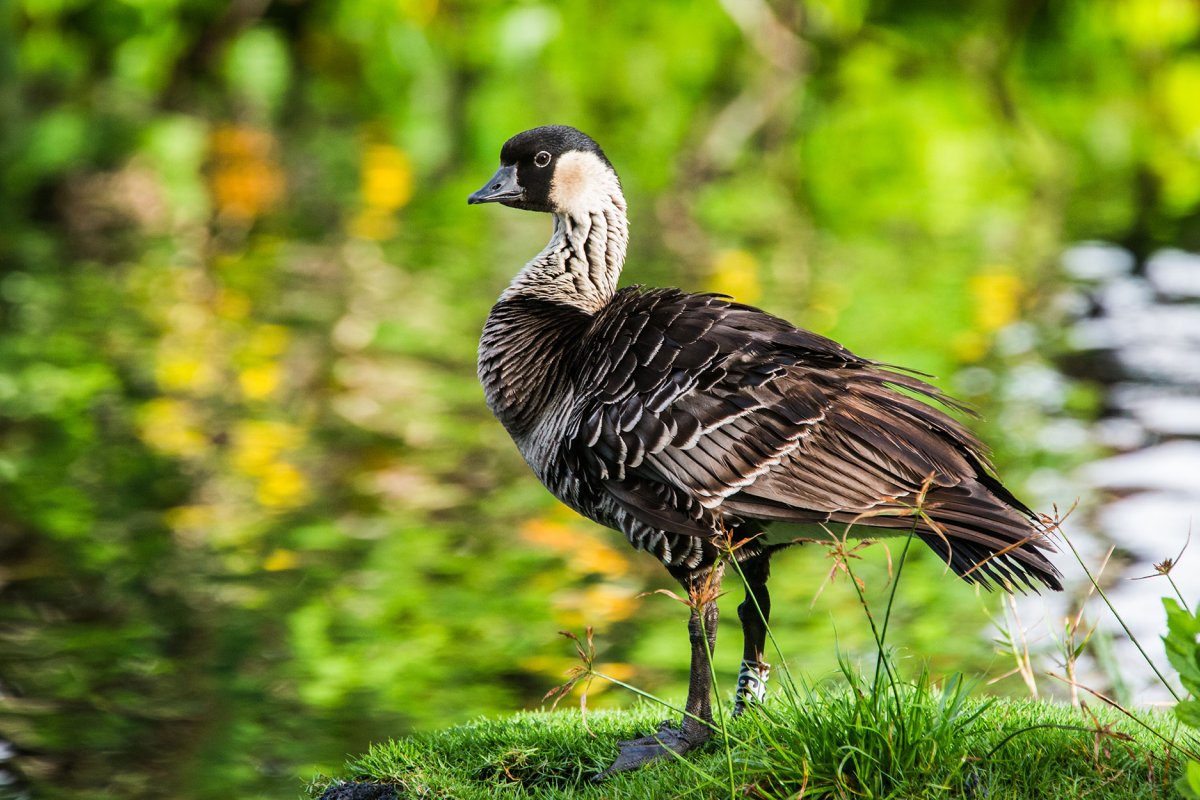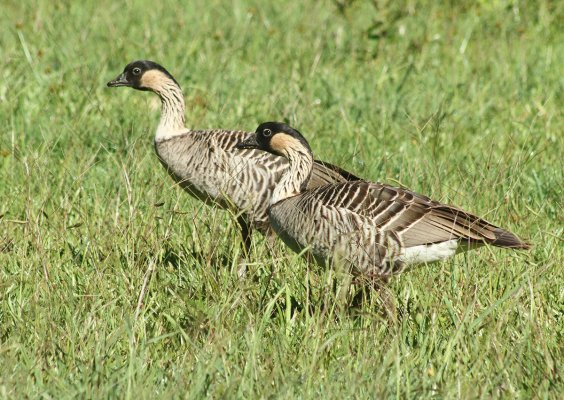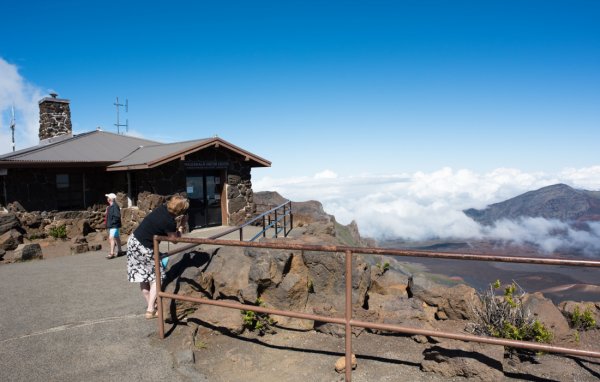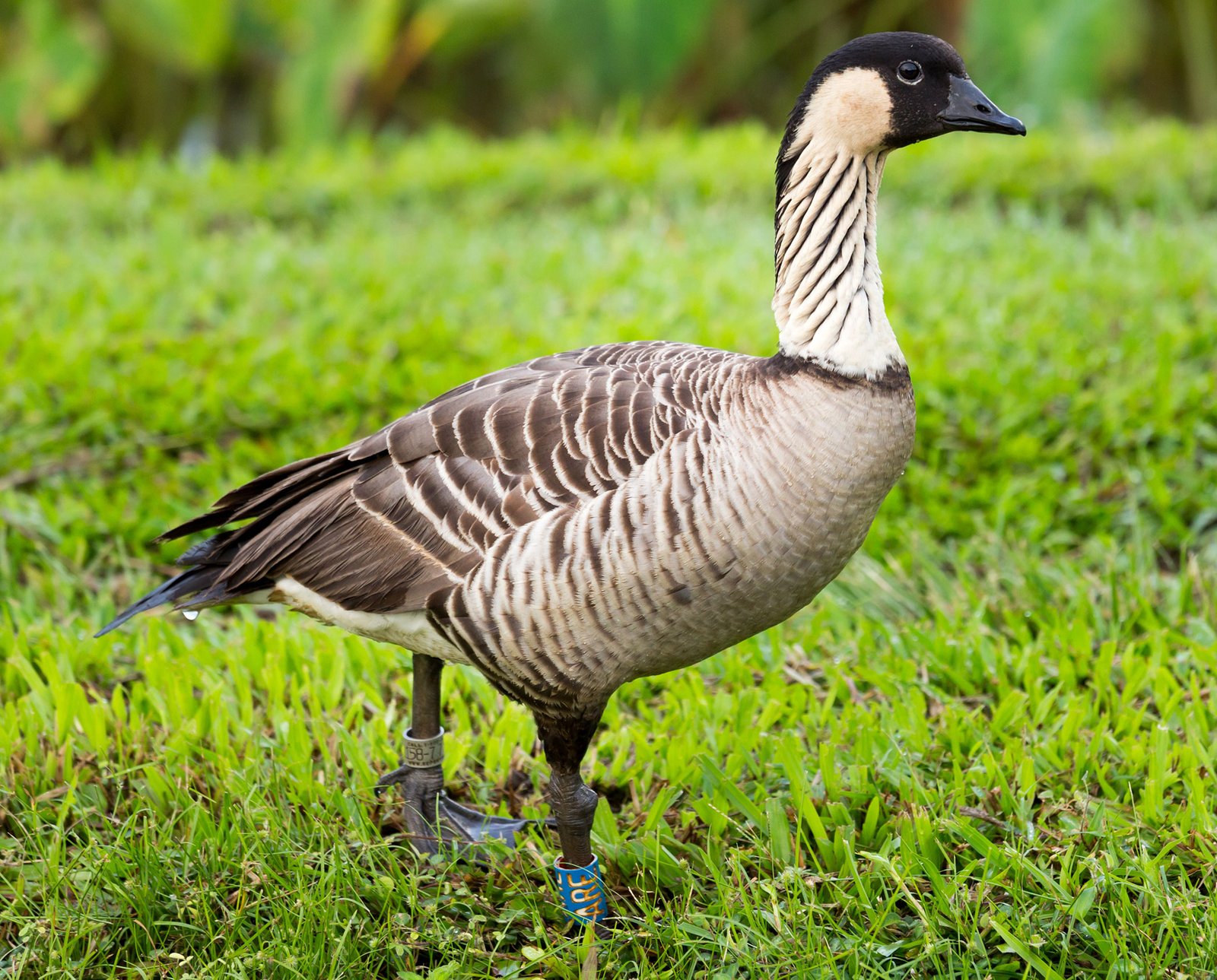
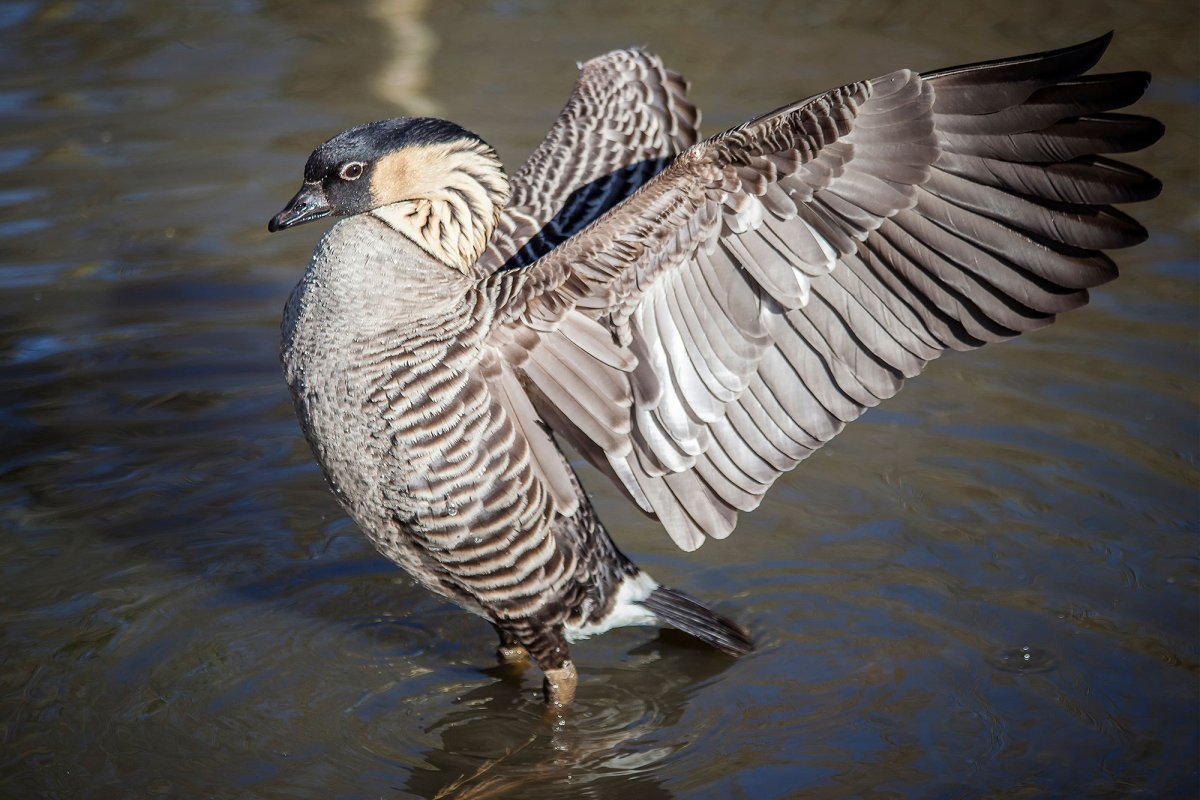


Nēnē nesting season is an October-through-March travel issue before it is a wildlife-photo opportunity. The birds nest on the ground, walk along park roads, and may appear beside your rental car with little warning. That makes a slower drive through Haleakalā or Hawaiʻi Volcanoes National Park part of responsible trip planning.
A real park warning puts the risk in numbers. On July 12, 2026, a nēnē and an ʻuaʻu (Hawaiian petrel) were struck and killed by vehicles inside Haleakalā National Park. The park's July 16, 2026 safety release says motorists had killed 11 nēnē and 13 ʻuaʻu there in the previous four years.
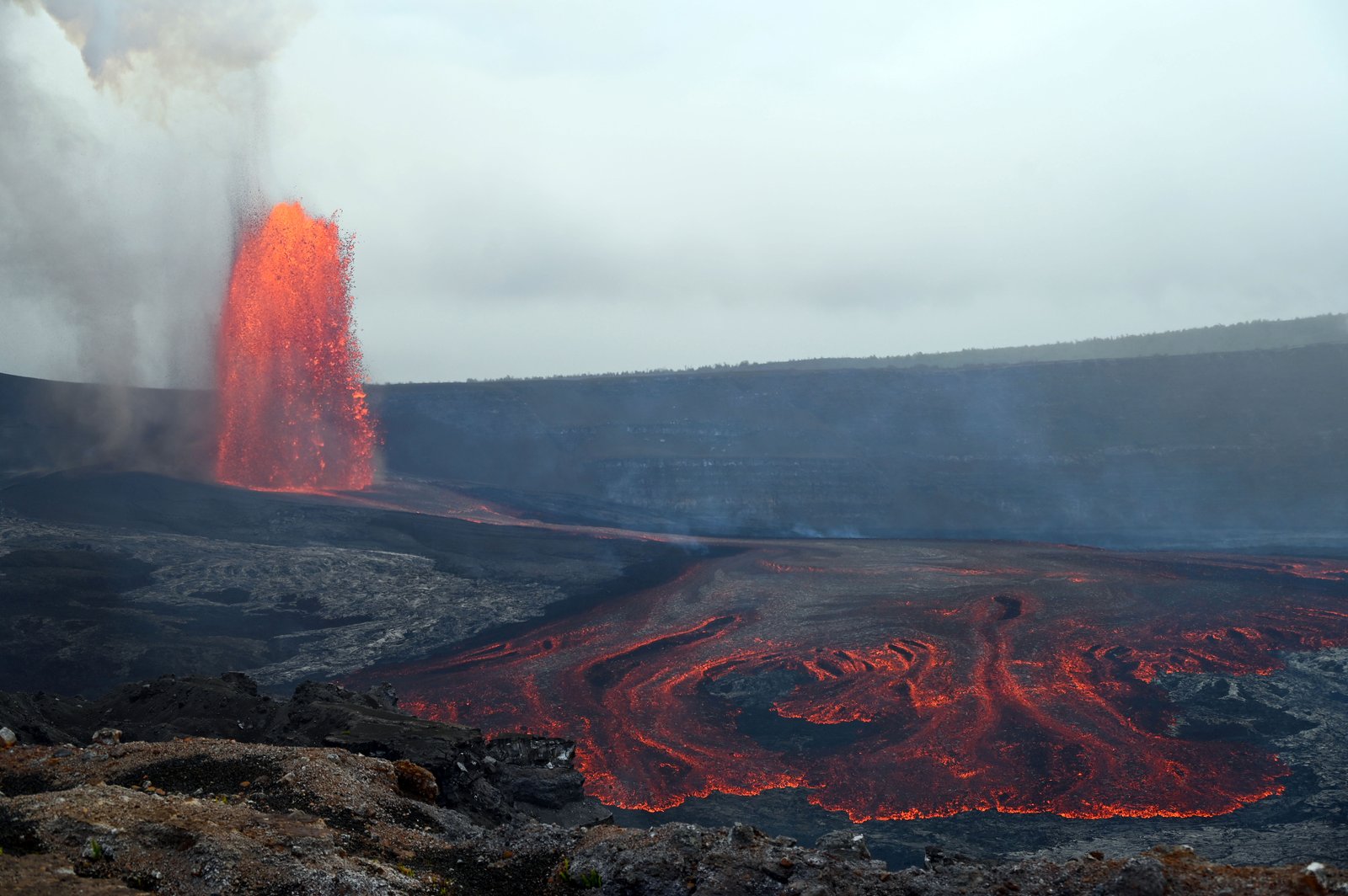
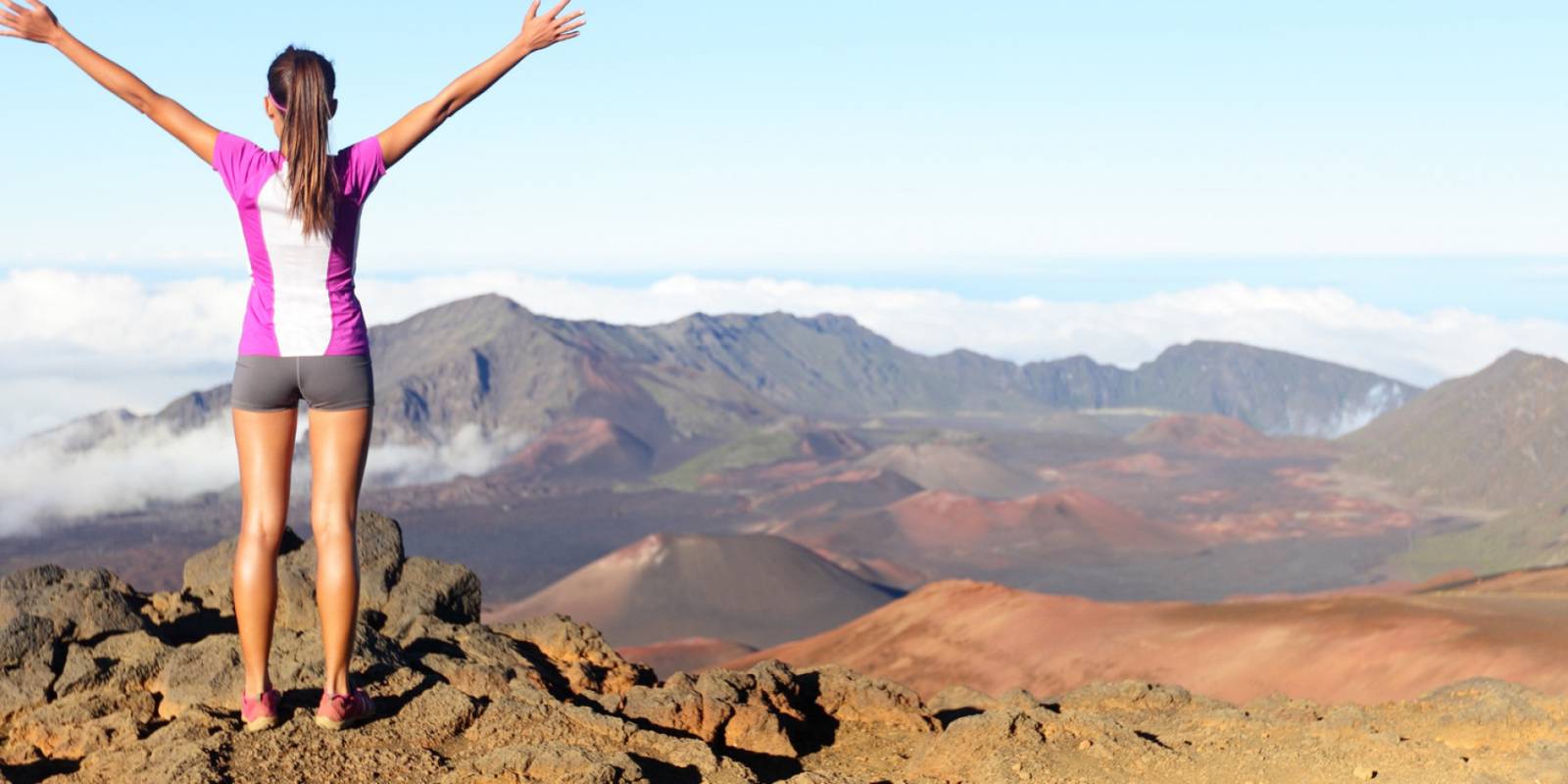
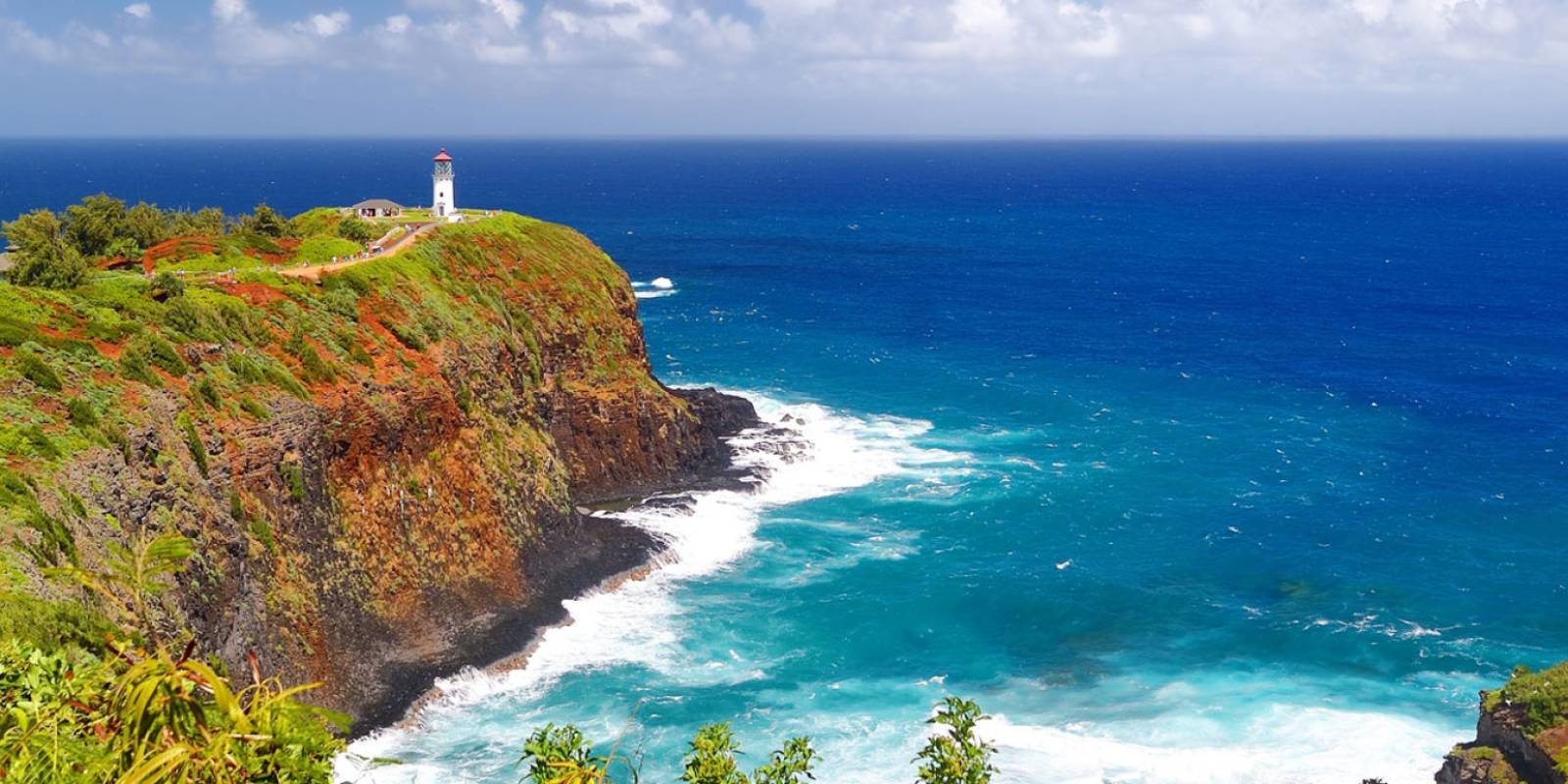
If a fall trip includes Haleakalā, Kīlauea, or Kīlauea Point on Kauaʻi, use this guide to decide where a nēnē stop fits. Then follow the rules on the ground that day. Wildlife can change parking, trail access, and the safe place to stand.