

Important update for 2026: National Public Lands Day falls on Saturday, September 26, 2026 — the date shown on the National Environmental Education Foundation page for the event. NEEF says 2026 event registration is open, and its page points volunteers toward local event searches. But as of our July 16 check, the current National Park Service 2026 fee-free days page does not list September 26 as a free-entry day. The NPS list currently shows February 16 (Presidents Day), May 25 (Memorial Day), June 14 (Flag Day / President Trump’s birthday), July 3-5 (Independence Day weekend), August 25 (110th birthday of the National Park Service), September 17 (Constitution Day), October 27 (Theodore Roosevelt’s birthday), and November 11 (Veterans Day). NPS also states that 2026 free entrance on these days is for U.S. citizens and residents only. If a free gate at Haleakalā, Hawaiʻi Volcanoes, or Puʻuhonua o Hōnaunau is the hook, pick one of those listed dates — not September 26. Then confirm close to your travel date, because fee-free calendars can shift year to year.
Which Hawaii parks this affects
Hawaii has eight NPS-listed parks plus the Ala Kahakai National Historic Trail on the National Park Service Hawaii page. Only three of those visitor-facing park sites charge entrance fees in normal operation. Pearl Harbor National Memorial and Kaloko-Honokōhau National Historical Park are free to enter, as are the remaining Hawaiʻi NPS sites. The three fee-charging parks are where a fee-free day actually changes trip costs. Hawaiʻi Volcanoes National Park (Big Island) charges $30 per private vehicle, $25 per motorcycle, or $15 per person entering on foot or bicycle, per the park’s fee page. Haleakalā National Park (Maui) charges $30 per private vehicle for a 3-day pass, $25 per motorcycle, or $15 per person entering without a vehicle, per the park’s fee page. Haleakalā is a cashless park — credit cards only at the gate, again per that fee page — and the sunrise reservation is separate from the entrance fee. Puʻuhonua o Hōnaunau National Historical Park (Big Island) charges $20 per private vehicle for a 7-day pass, $15 per motorcycle, or $10 per person entering on foot or bicycle, per the park’s fee page. Hit all three on one Hawaiʻi trip and the normal gate total is $80 by private vehicle. Useful to know, but not enough on its own to rearrange flights around a fee-free hook.
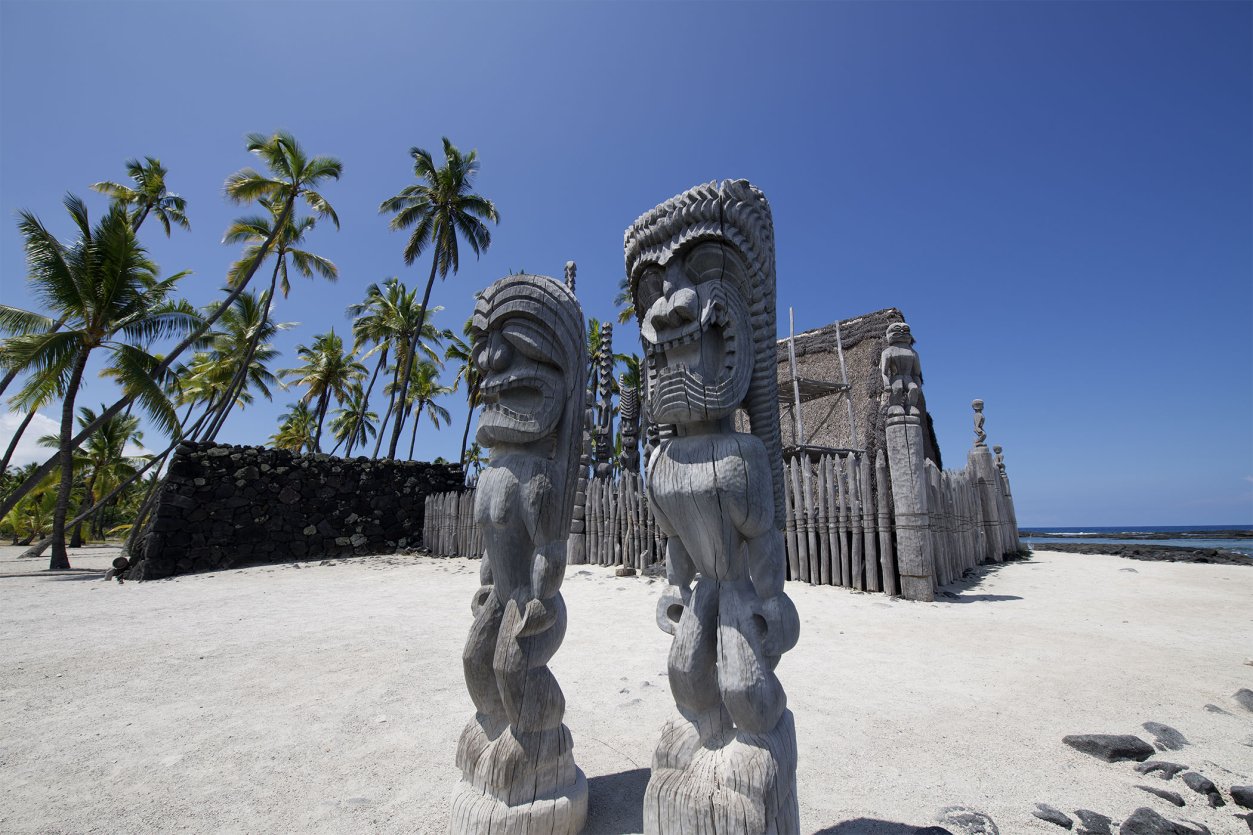
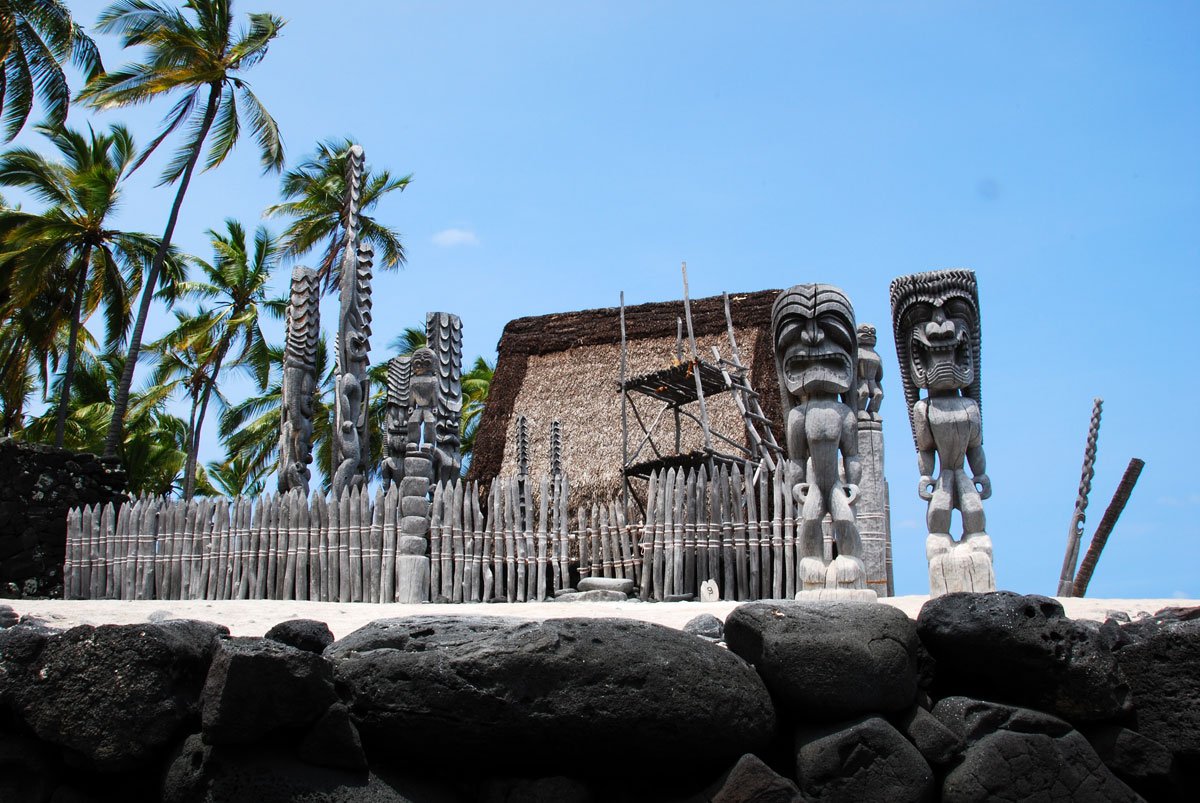
Puʻuhonua o Hōnaunau is one of the three Hawaiʻi NPS sites where the fee-free calendar changes the price at the gate.
What is still not free
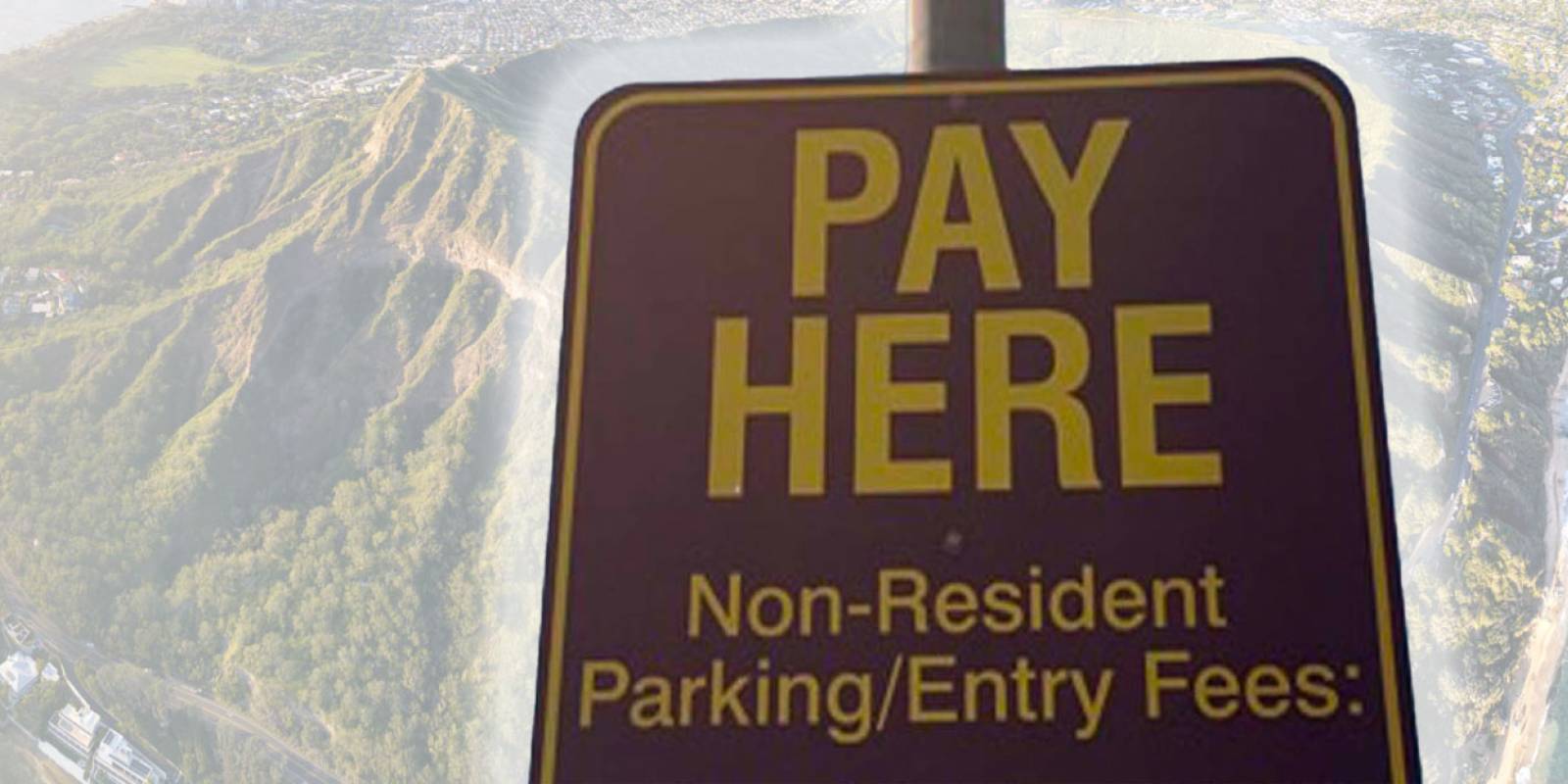
NPS free-entrance days waive entrance fees only. They do not erase every reservation, activity, parking, camping, or third-party cost around a park visit. Haleakalā sunrise reservations still apply. The park requires a separate sunrise reservation for vehicles entering the Summit District from 3 AM to 7 AM, and the park’s sunrise page makes clear that fee-free entrance days do not cover sunrise reservations or admittance during that pre-dawn window. The reservation costs $1 and is booked through Recreation.gov. A portion of tickets release 60 days in advance, with a second batch released 2 days before the entry date. Pearl Harbor’s USS Arizona Memorial reservation is separate. The Pearl Harbor Visitor Center has no entrance fee year-round, per the NPS Pearl Harbor fee page, but the USS Arizona Memorial boat program uses timed tickets through Recreation.gov. That reservation system is not an entrance fee waiver. Hawaiʻi state parks are not NPS sites. Diamond Head, Waiʻānapanapa, ʻIao Valley, Hāʻena, Akaka Falls, and similar state-run sites are controlled by Hawaiʻi DLNR or county systems, not the National Park Service. NPS free-entry days do not change state-park nonresident fees or reservation rules. Use our Hawaiʻi fees and reservations guide to sort out which agency runs each system. Camping and permits can still cost money. Campgrounds, backcountry permits, concessionaire services, commercial tours, and special-use permits follow their own fee rules. Check the specific park page before you commit the day.
How to plan around it
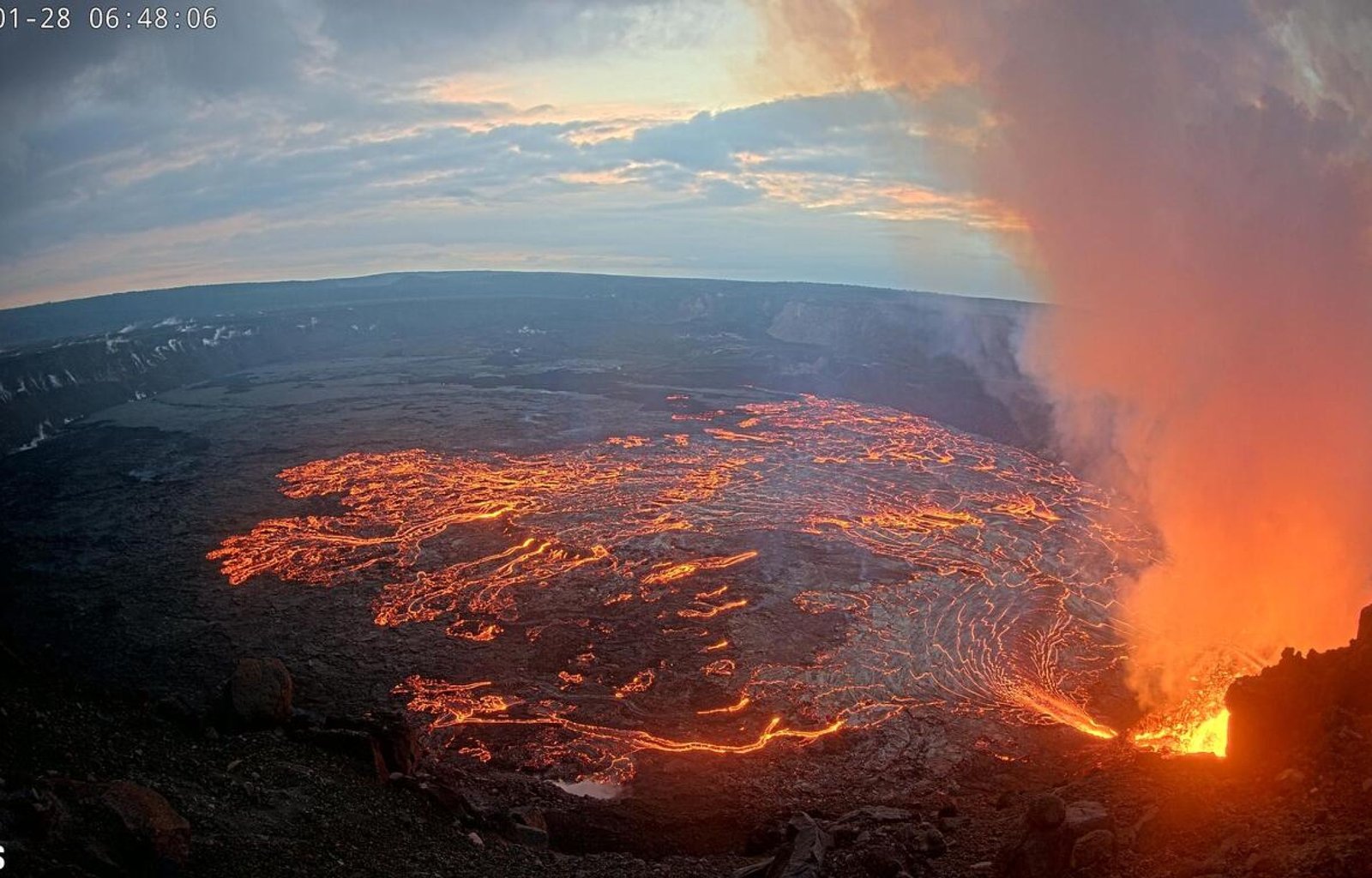
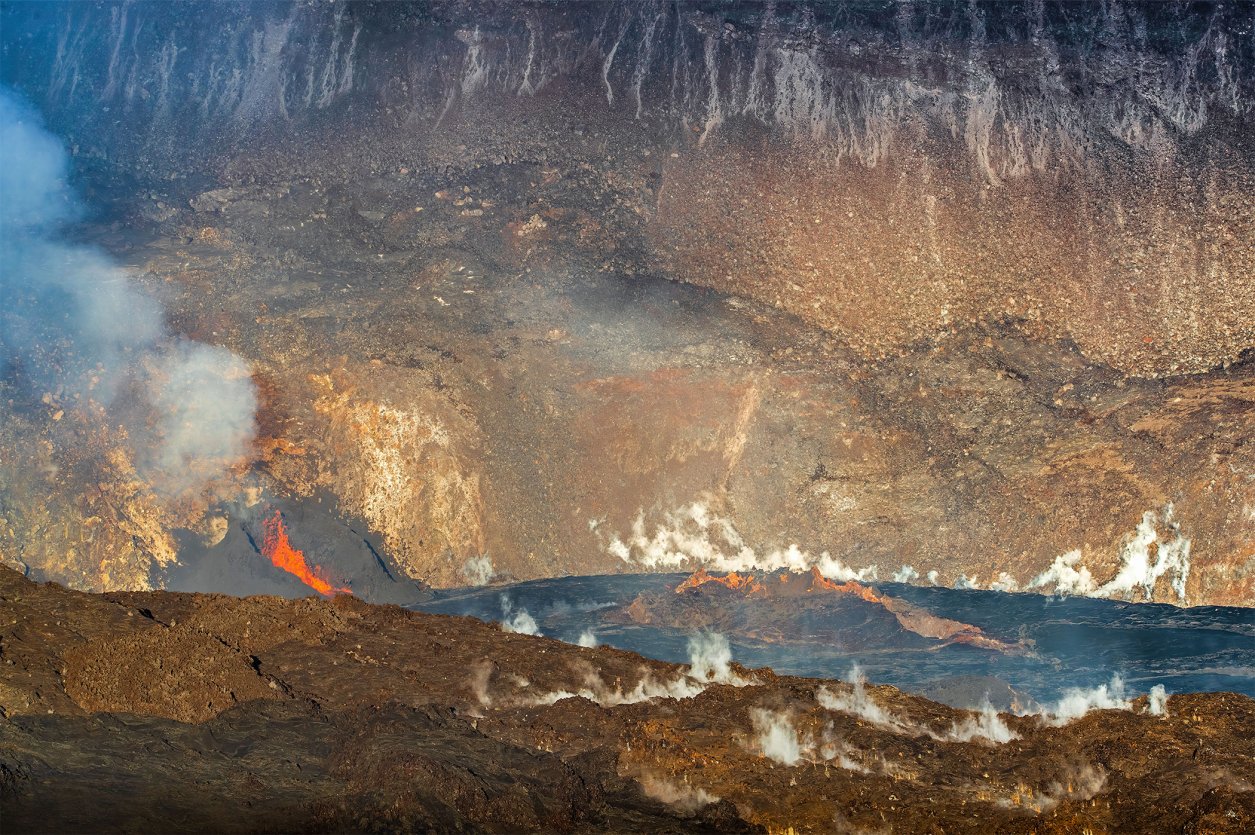
Build the itinerary around the parks you actually want to visit, then use a fee-free date only if it already fits the trip. Big Island: If you are staying in Hilo, Volcano, Puna, or Kona and want a Hawaiʻi Volcanoes day, plan it when conditions fit. If Kīlauea is active, check the USGS Kīlauea updates page and the park alerts before you drive. Eruption activity shifts parking and viewing conditions faster than any fee calendar does. Maui: For Haleakalā, a late-morning or afternoon summit visit is simpler than sunrise. Sunrise needs the separate reservation, the pre-dawn drive is long, and the $1 reservation is not waived even on a fee-free day. Kona side of the Big Island: Puʻuhonua o Hōnaunau folds neatly into a South Kona day. Pair it with coffee country, Two Step, or Kealakekua Bay rather than treating the fee waiver as a standalone reason to drive down. Getting around: Most visitors need a rental car to make any of these parks practical. Discount Hawaii Car Rental is one option for on-island transportation (affiliate). Closer to travel, re-check the NPS fee-free days page and the specific park fee page. If your dates overlap one of the published 2026 fee-free days, eligible visitors can skip the gate fee at the three fee-charging Hawaiʻi NPS sites.
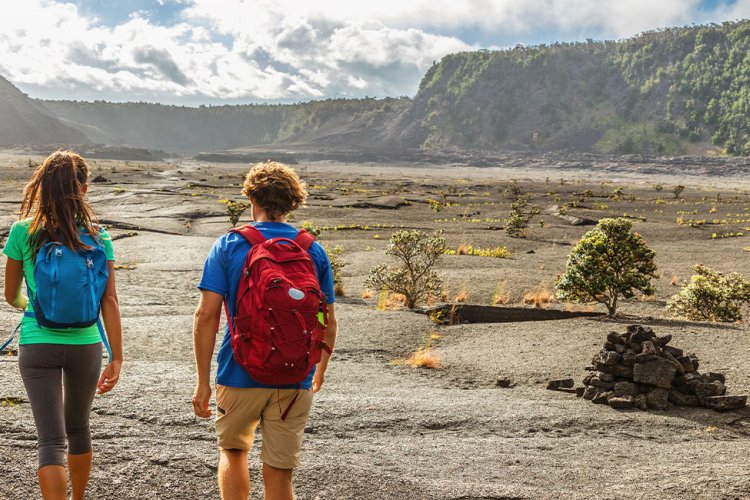
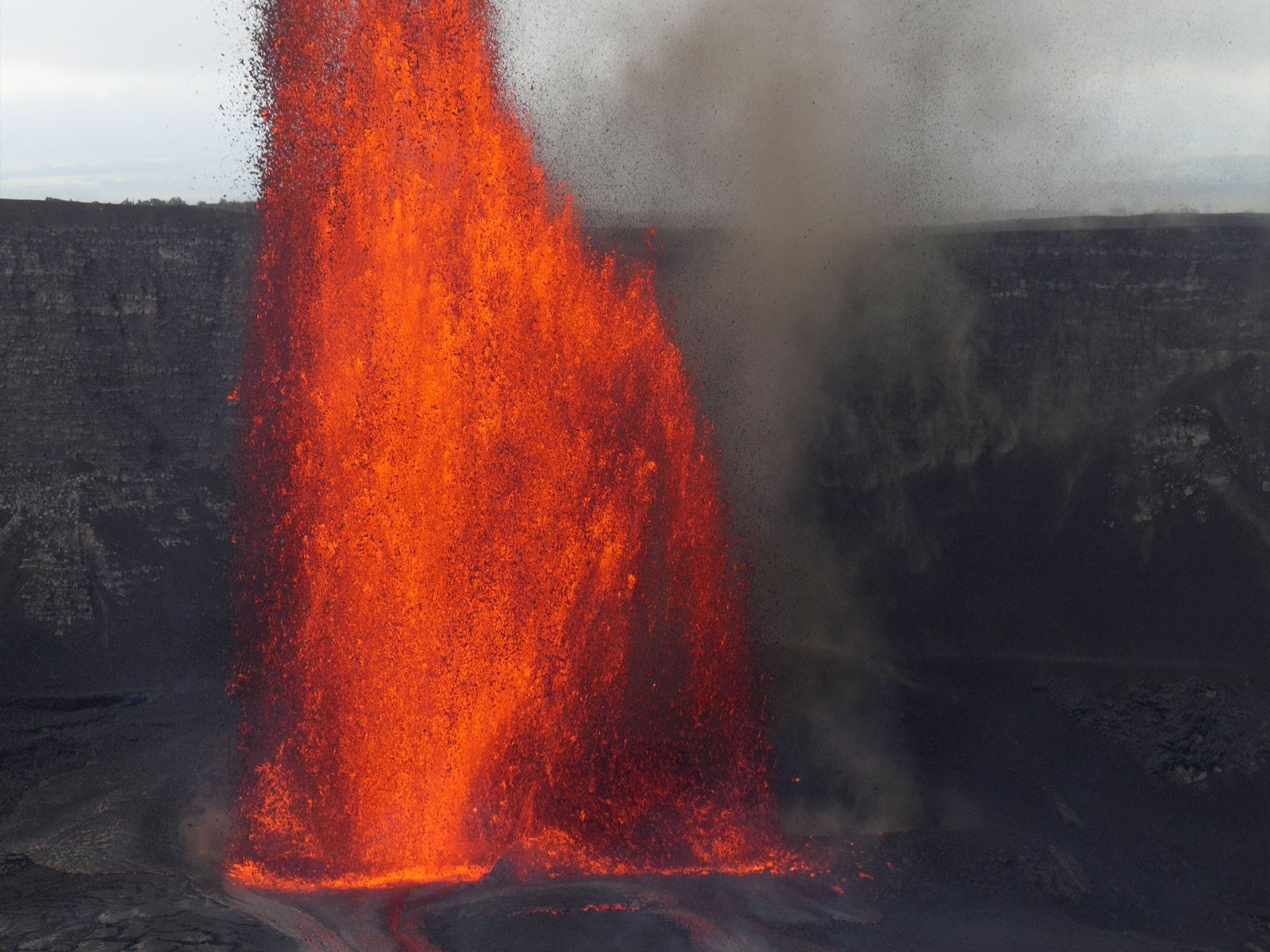
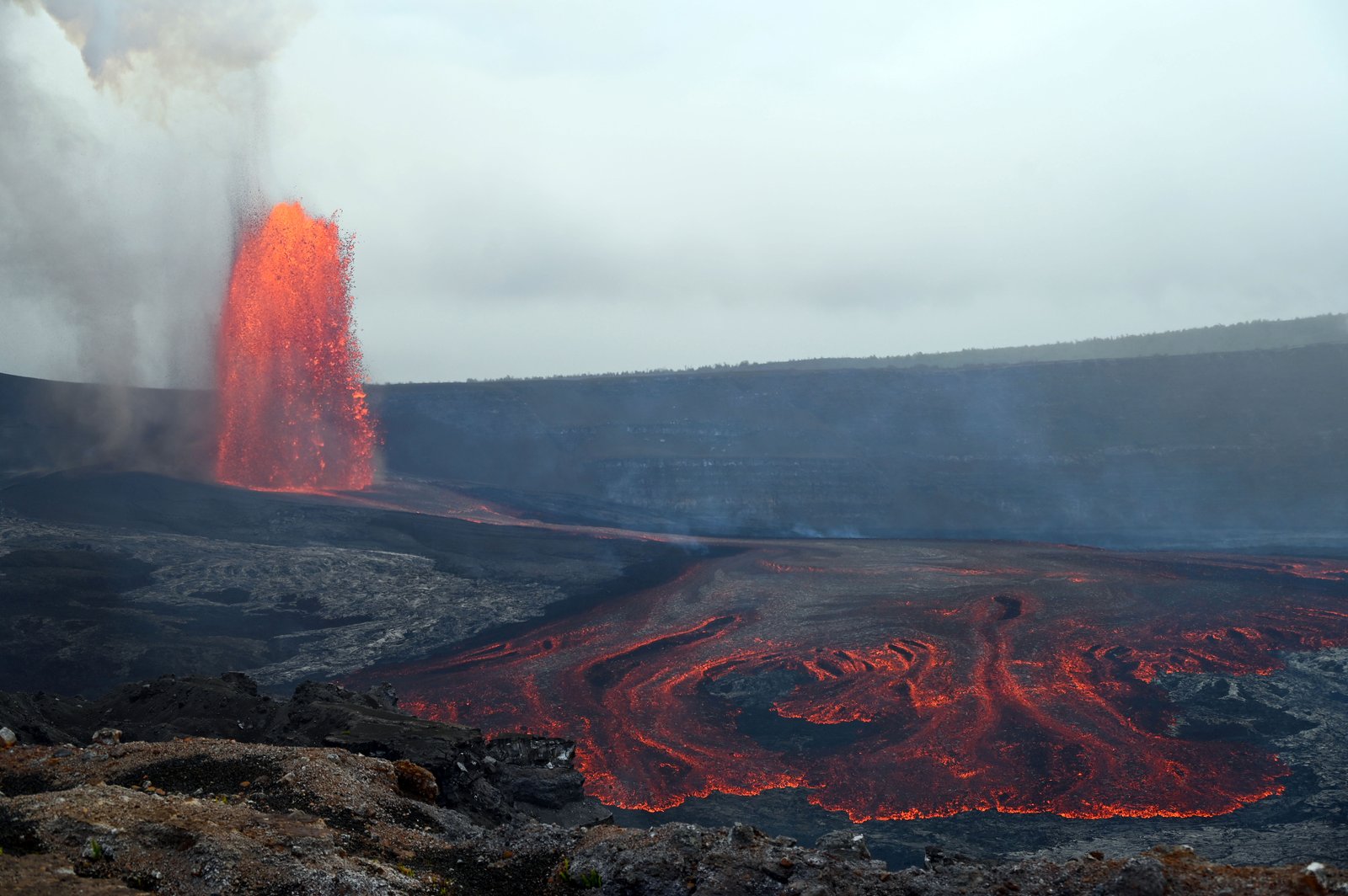
Hawaiʻi Volcanoes National Park is one of the three fee-charging NPS sites in the islands. Plan around eruption and air-quality conditions first, fee-free dates second.
When a pass beats chasing dates
If your dates do not align with a fee-free day, compare the pass math against the gate. The Hawaiʻi Tri-Park Annual Pass is $55 and admits the pass holder and passengers in a non-commercial vehicle to Haleakalā, Hawaiʻi Volcanoes, and Puʻuhonua o Hōnaunau for 12 months, per the Hawaiʻi Volcanoes fee page. The break-even is straightforward: Haleakalā + Hawaiʻi Volcanoes alone is $60 at the gate, so the pass already wins. All three is $80, so the pass wins by $25. If you are only doing Volcanoes + Puʻuhonua ($50) or Haleakalā + Puʻuhonua ($50), the gate beats the pass — pay per visit. The America the Beautiful Pass covers entrance fees and standard amenity fees at participating federal recreation sites, including national parks. The standard annual pass is $80, per the NPS passes page. It starts making sense when a Hawaiʻi trip includes multiple national parks or when the same household will use it again on the mainland within the year.
Bottom line for September 26
National Public Lands Day is the volunteer day on Saturday, September 26, 2026. It is useful for service and conservation events, but it is not on the current NPS fee-free calendar. If you only want the gate waiver, use one of the published 2026 NPS fee-free dates instead. Track the NPS fee-free days page and the specific park fee page close to your travel date. For service or community events on the 26th, start with the NEEF National Public Lands Day page.