

The first 2026 Thanksgiving Hawaii booking window opens September 23. That is when Haleakalā sunrise inventory begins releasing for a typical November 22-29 trip. Thanksgiving Day is Thursday, November 26, but the useful work starts two months earlier. September is the setup month. Use this page as the alarm calendar for reservation systems with published release rules. Our separate Thanksgiving in Hawaii guide covers the holiday plan; the Hawaii tour booking lead-times guide covers the rest of the year.
What to do before September 23
Pick an island and lock the lodging. Then compare flights and a rental car if your dates are fixed. These are live markets without one honest statewide deadline. Favor changeable terms when the price makes sense, and stop waiting for a mythical universal sale. If you need a car outside Waikīkī, compare current inventory through Discount Hawaii Car Rental. Before September 23, sign in to Recreation.gov and put each intended visit date on your calendar. The National Park Service recommends making the Haleakalā reservation online in advance; the named reservation holder must arrive with matching identification. Convert 7 a.m. HST to your home time zone before the release morning. Dinner runs on a separate clock. Choose the lodging area first, then book a meal near the room when a restaurant or resort publishes its holiday menu. Do not build an interisland flight plan around an unconfirmed buffet. My planning rule is one island for a short holiday trip. A four- or five-night stay cannot absorb an interisland flight and another reservation clock without losing too much of the vacation.
The Thanksgiving week reservation calendar
The dates below assume a Sunday, November 22 through Sunday, November 29 trip. Shift each alarm by the same number of days if your visit starts earlier or ends later.
| Plan | Visit dates | 2026 release dates | HST release time |
|---|---|---|---|
| Haleakalā sunrise | Nov. 22-29 | Sept. 23-30 | 7 a.m. |
| USS Arizona Memorial | Nov. 22-25 and 27-29 | Sept. 27-30; Oct. 2-4 | 3 p.m. |
| Diamond Head | Nov. 22-29 | Oct. 23-30 | No fixed daily release time stated |
| Hāʻena State Park | Nov. 22-29 | Oct. 23-30 | 12 a.m. |
| Hanauma Bay admission only | Open Wed.-Sun. | Two days before each visit | 7 a.m. |
All times above are Hawaii Standard Time. Hawaii does not change clocks in November. Convert the alarm from HST before the release morning rather than trying to do the math while inventory is opening.

Haleakalā is the first Thanksgiving-week alarm: the 60-day releases begin September 23.
Haleakalā opens first: September 23-30
The National Park Service releases Haleakalā sunrise reservations up to 60 days ahead at 7 a.m. HST. A second portion opens two days before the visit at the same time. The reservation applies to one vehicle entering the Summit District between 3 and 7 a.m.; the reservation holder needs matching identification. For November 22, set the first alarm for September 23. Move it forward one day for each later sunrise: Thanksgiving Day opens September 27, and November 29 opens September 30. The two-day batch is a fallback, not the main plan. Sunrise weather is never guaranteed, and the park does not refund or exchange reservations because clouds moved in. The summit can be cold, so keep the rest of that Maui day light. A packed afternoon schedule turns a beautiful morning into a sleep-deprivation contest. Our Haleakalā National Park guide covers the drive and the sunset alternative.
Pearl Harbor: book around Thanksgiving Day
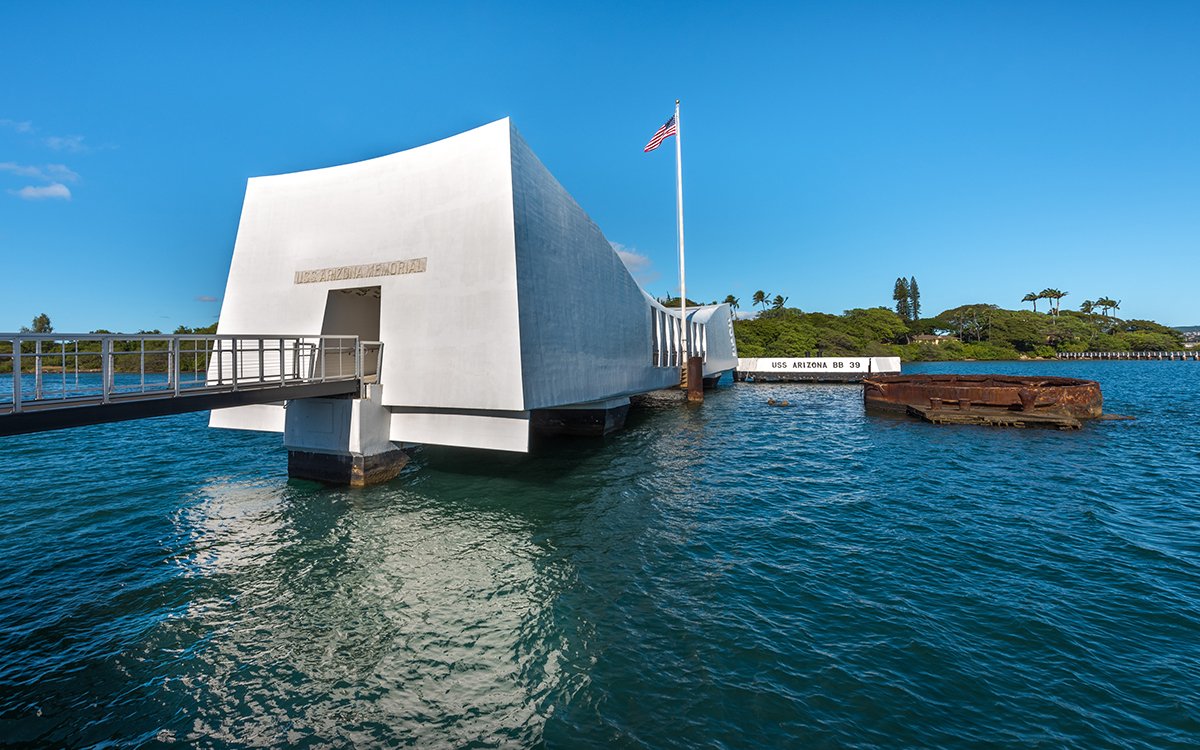
The National Park Service releases USS Arizona Memorial Program reservations daily at 3 p.m. HST in two batches: eight weeks ahead and 24 hours ahead. For November 22-25, the eight-week alarms run September 27-30. For November 27-29, they run October 2-4. There is no October 1 advance-release alarm because the Visitor Center is closed November 26. Do not set an alarm for Thursday, November 26. The Pearl Harbor Visitor Center is closed on Thanksgiving Day. Place Pearl Harbor on Wednesday or Friday, then protect that half-day from dinner errands and an interisland flight. If the advance batch is gone, the 24-hour release is the clean second chance. Check the current NPS page for standby instructions, but do not count on holiday availability. Start with our Pearl Harbor first-visit guide before choosing the program time.

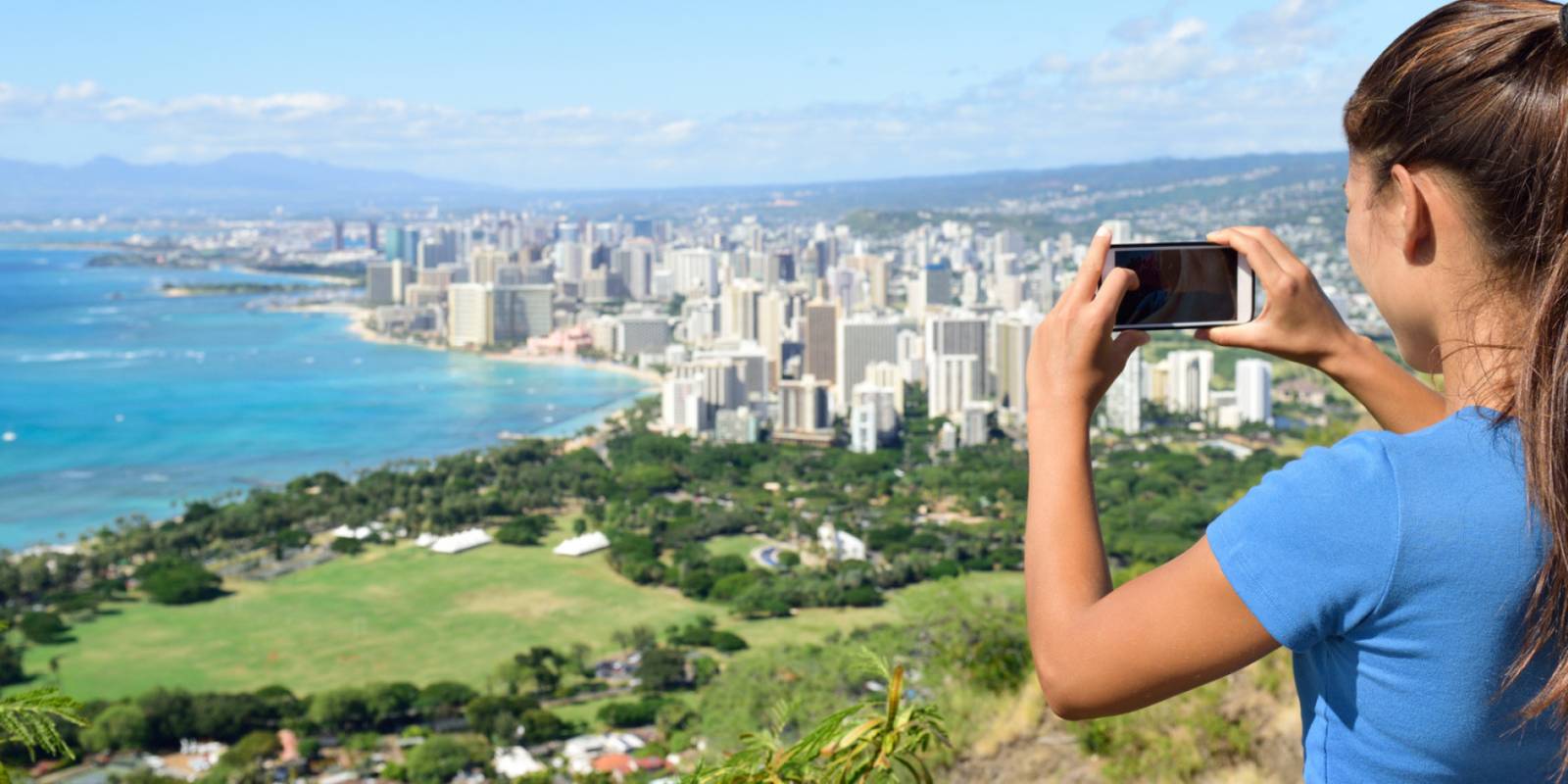
Diamond Head's 30-day window reaches Thanksgiving week in late October.
The 30-day decisions: Diamond Head and Hāʻena
Oʻahu’s official Diamond Head reservation system allows nonresident entry and parking reservations up to 30 days ahead. For a November 22-29 trip, that window rolls open October 23-30. The state does not publish a fixed daily opening time on the current page, so check when your date enters the 30-day calendar instead of repeating an old time from a saved travel post. Kauaʻi runs a stricter clock. Go Hāʻena says reservations open 30 days before the visit at 12 a.m. HST. Parking and entry reservations can sell out immediately. The same October 23-30 date range applies to November 22-29 visits. These reservations should follow the island decision, not drive it. Diamond Head belongs inside an Oʻahu trip. Hāʻena belongs inside a Kauaʻi trip with enough schedule flexibility for North Shore weather and ocean conditions. Do not add an island flight merely because one reservation appeared.
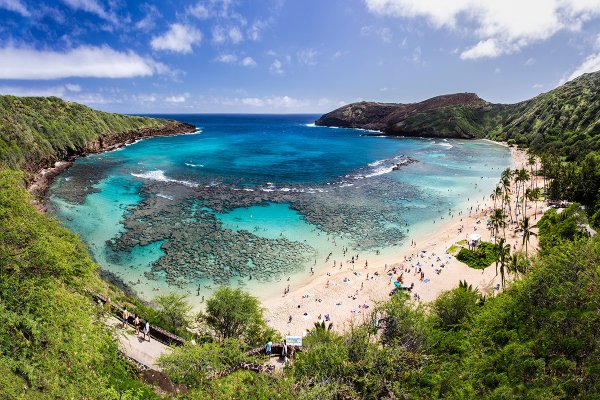
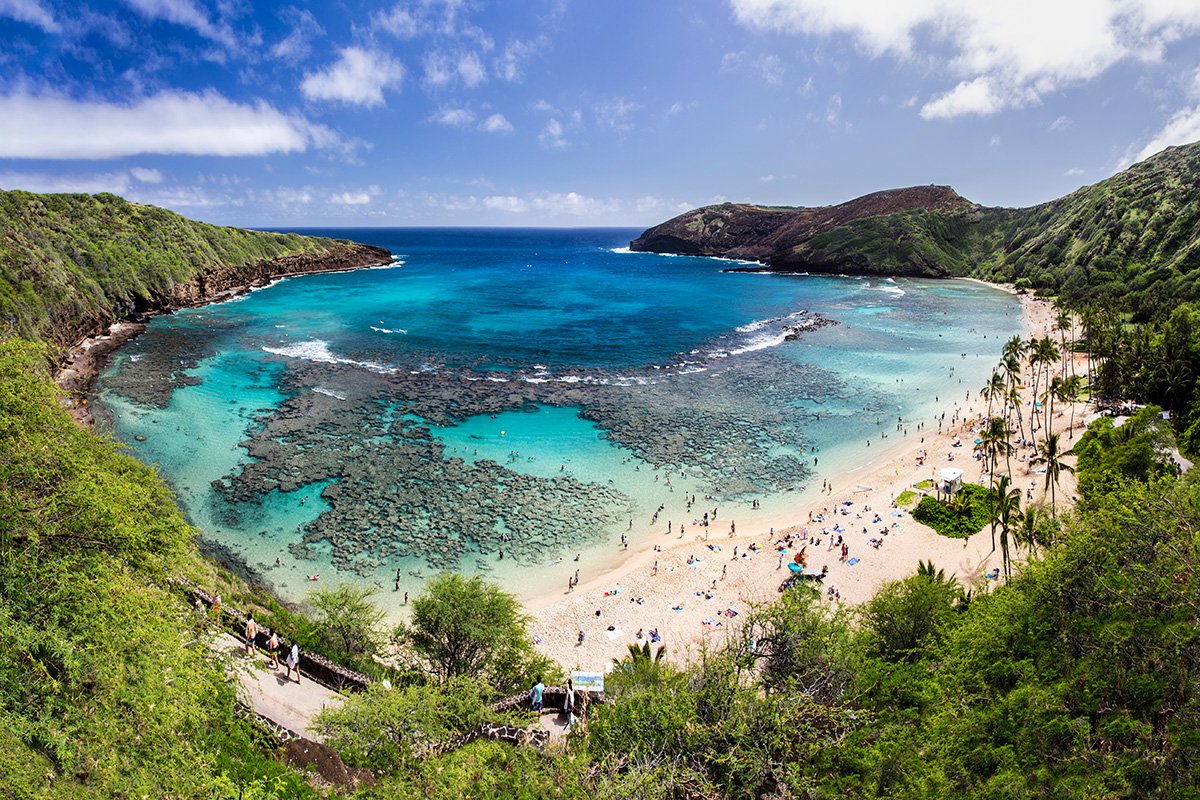
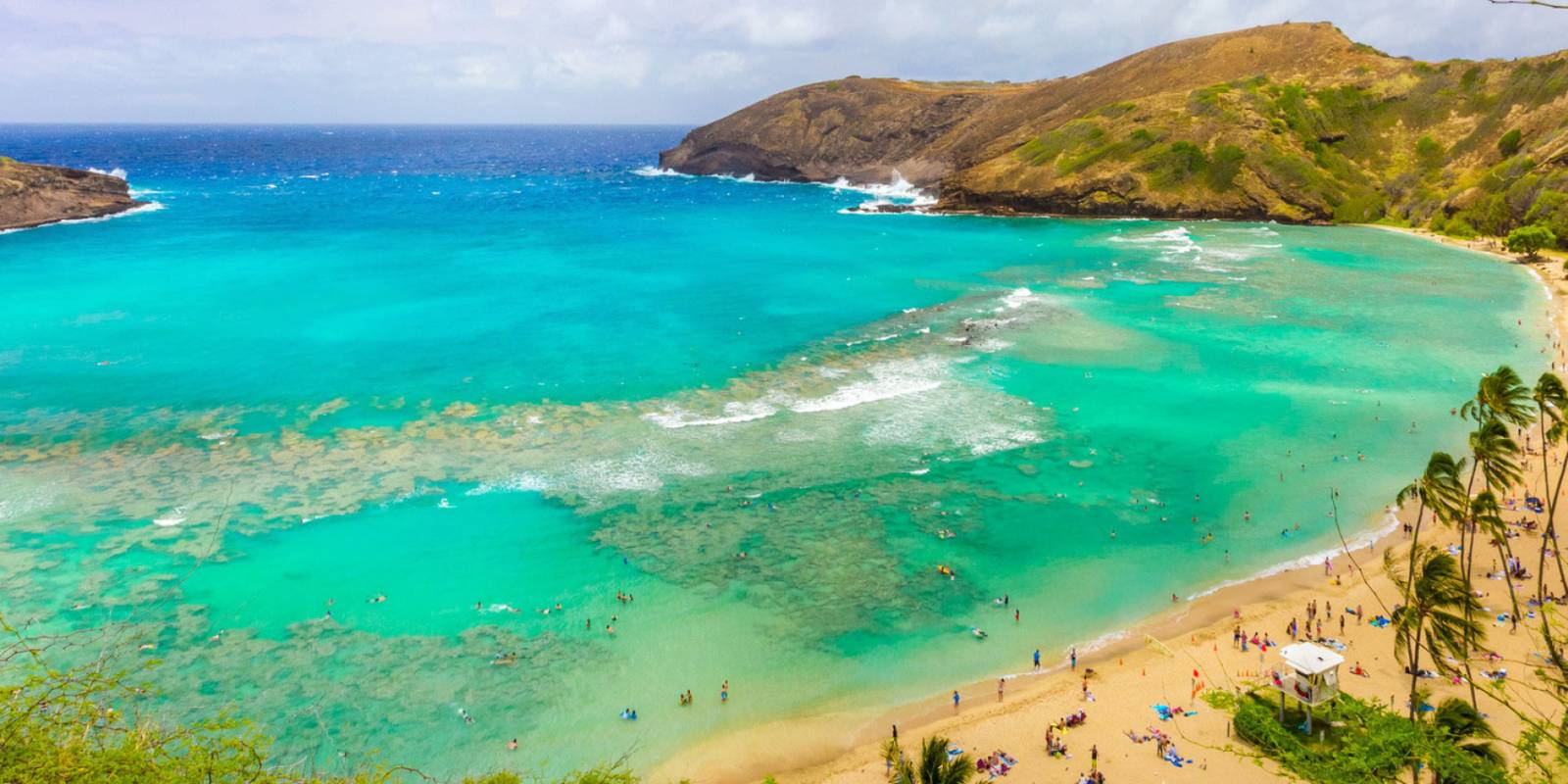
Hanauma Bay keeps the shortest clock: admission-only reservations open two days ahead at 7 a.m. HST.
Hanauma Bay waits until the final week
The City and County of Honolulu says Hanauma Bay admission-only reservations open two days before the visit at 7 a.m. HST. Under the current schedule, the preserve is open Wednesday through Sunday and closed Monday and Tuesday. For Thanksgiving Day, the routine two-day release would be Tuesday, November 24. Schedules can change before a holiday week. Recheck the official page before the November release date rather than treating the recurring schedule as a promise. A transportation-and-admission option may be booked up to a month ahead through the provider linked by the city. Compare the total cost and pickup location before using it. If Hanauma Bay is only one possible beach morning, keep it in the two-day bucket and preserve a weather-safe backup.
If you miss one of the windows
Missed inventory should change one day, not wreck the trip.
- Try Haleakalā's two-day release, then switch to sunset or a later summit visit.
- Try the USS Arizona Memorial's 24-hour release and review current standby instructions. Keep the museums and visitor center in the plan if the boat program is full.
- Move Diamond Head to another day or choose a different Oʻahu walk. Do not buy a reservation from a reseller.
- Check legitimate cancellation inventory for Hāʻena. If it stays full, use a different Kauaʻi beach or trail day.
- Keep a second snorkeling or beach choice for Hanauma Bay whose access and ocean conditions fit that morning.
The useful booking order is simple: trip first, fixed-release attractions second, Thanksgiving dinner third, flexible beach and weather plans last. Put the September and October alarms on the calendar now, then stop refreshing booking pages that are not open yet.
Finish the Thanksgiving week plan
Use the holiday guide for the day itself, then open the island pages for each reservation choice.