
Summer is lei season in Honolulu. June graduations roll into July anniversaries roll into August weddings, and on top of all that you have the steady hum of visitor arrivals at Daniel K. Inouye International Airport (HNL) asking the same question I asked on my first trip in 2002: where do you actually buy a real flower lei? Not a plastic one. Not a kukui nut version pre-strung in a gift shop. A fresh-strung Hawaiian lei (plumeria, orchid, tuberose, pikake, maile) made that morning and meant to be worn the same day. The kind that smells like a garden when you slip it over someone’s head. On Oahu the answer comes down to two clusters of shops plus a few neighborhood florists, several of which have been at it for two and three generations. This guide walks through each, what to ask for, what to expect to pay, and how to get a lei home through USDA inspection in one piece.
Why a fresh lei matters
A lei is a gift of welcome, congratulations, love, mourning, or simple aloha. The Hawaii Tourism Authority’s lei explainer makes the same point I make to first-timers: a fresh lei carries meaning that a plastic Hawaii-themed garland from the souvenir aisle does not. It is hand-strung from real flowers by a person who knows the work, and the cultural protocol around how to receive it, wear it, and return it to the earth is treated with genuine care by the people giving and getting one. If you’re planning to gift a lei at the airport for a friend’s arrival, drape one across a chair at a wedding or anniversary dinner, or hand one over at a sunset proposal, the fresh version is the one. I cover what to do with it once you have it in our lei etiquette guide. This post is about where to get a good one in the first place.
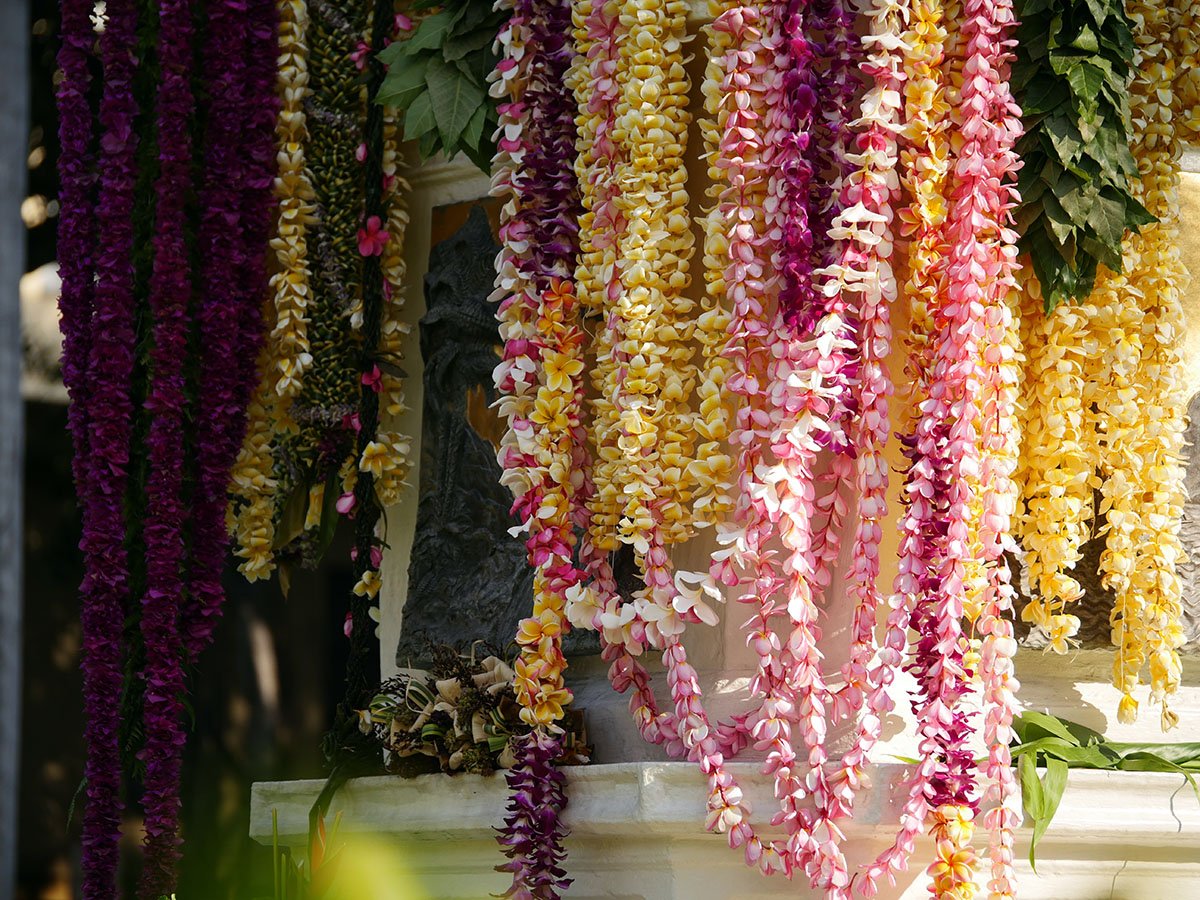
The annual Lei Draping Ceremony at the King Kamehameha statue in downtown Honolulu is the city's largest visible reminder that lei-making is a living craft, not a souvenir genre.
The HNL Airport lei stands
The most convenient option for most visitors is the row of lei stands just outside baggage claim at Daniel K. Inouye International Airport. The state airports authority’s HNL terminal map labels them as the Lei Stand area, sitting on the ground-level roadway median. Most keep long hours to catch the late-night and early-morning arrival rushes, but individual vendor hours vary, so call ahead if you’re flying in at an odd time. The trade-off is convenience for selection. Airport vendors keep a steady inventory of the basics (plumeria, dendrobium orchid, ti leaf, tuberose, kukui), but if you want something specific like an island maile or a haku head lei, you generally want to order from a dedicated lei shop the day before and pick it up off-airport. For a standard arrivals greeting where you need a fresh flower lei in your hand right now, the Lei Stand row does the job, no advance call required. One practical note: even if you’re driving past HNL on the H-1 to get to Waikiki, the Lei Stand area is on the curb at baggage claim, not in the terminal proper. Park in the hourly parking garage or have your driver loop curbside while you grab one.
Chinatown — the lei district
For real selection, Chinatown is the answer. The few blocks around the historic Chinatown historic district and Maunakea Marketplace hold the heaviest concentration of working lei shops on Oahu, a fact the Hawaii Tourism Authority’s Chinatown page flags directly. Prices in Chinatown generally come in a touch under the airport for an equivalent lei, though the gap depends on the day and the flower. A short, non-exhaustive list of Chinatown lei shops:
- Cindy's Lei Shop at 1034 Maunakea Street. The shop's own About page says it was established in 1955 and is family owned and operated. Known for taking custom orders.
- Lin's Lei Shop at 1017-A Maunakea Street. Long-running Chinatown shop with a deep flower selection.
- Sweetheart's Lei Shop at 69 N. Beretania Street. One of the older lei stands in the district. Cash is often easiest. Walk in during the day for same-day stringing, but call to confirm hours before a special-trip detour, since the shop doesn't keep a public website.
- Sun Lei Shop at 1035 Maunakea Street. Tends to stock orchid and ti varieties at the lower end of the price range.
Hours, prices, and stock all shift seasonally and especially around major lei occasions (Mother’s Day, graduation, Lei Day, Aloha Festivals), which Hawaii News Now has documented as the heaviest demand windows of the year. If you’re buying for a specific event, call or message the shop a day or two ahead. Walk-up service is the norm for a basic plumeria or orchid lei the same day, but anything fancy (maile, haku, woven double or triple strands) benefits from advance notice.
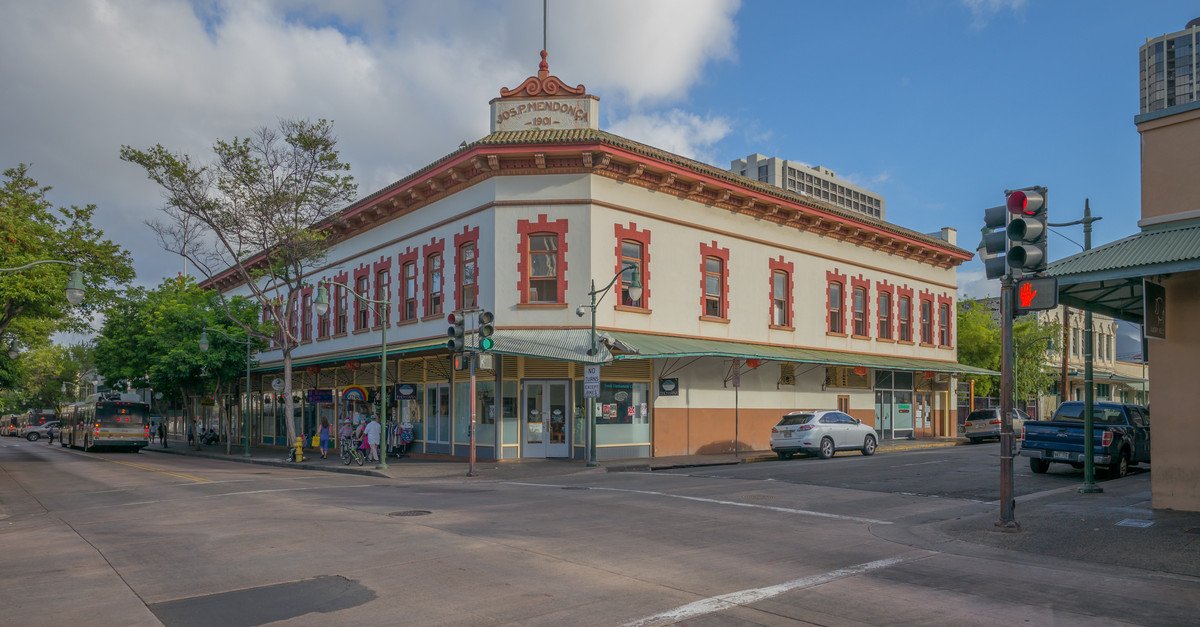
The Chinatown blocks around Maunakea Street and Beretania hold most of the working lei shops on Oahu. Easiest from Waikiki by car or via TheBus.
Beyond Chinatown — neighborhood florists
If you need a lei delivered, or you want a fuller florist experience (bouquets, centerpieces, lei for a wedding party), the neighborhood florists are the move. Two long-running Honolulu names to know:
- Watanabe Floral at 1618 N. Nimitz Highway. Full-service florist with a dedicated lei department, delivery across Oahu, and an online ordering system that works well for planning ahead. Use them if you want to time a lei to arrive at a hotel or restaurant on a specific evening.
- Lita's Leis & Hawaiian Flowers at 59 N. Beretania Street. Another Chinatown-adjacent stalwart with a strong reputation for graduation and wedding lei work, with enough lead time.
Outside Honolulu, big grocery chains (Times, Foodland) carry basic same-day flower leis in their floral departments during peak occasion windows. Useful in a pinch on the windward or North Shore sides, though the selection won’t match Chinatown.
Common lei types
Fresh flower leis you’ll see most often on Oahu, summer or otherwise:
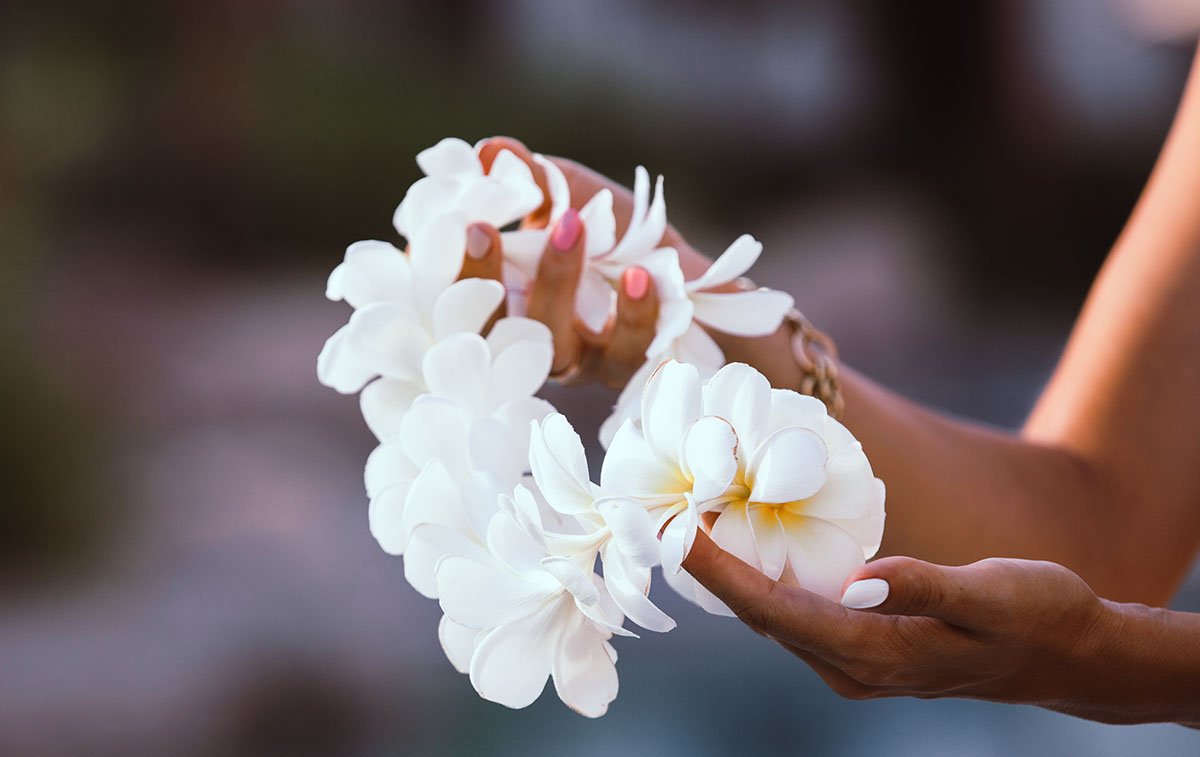
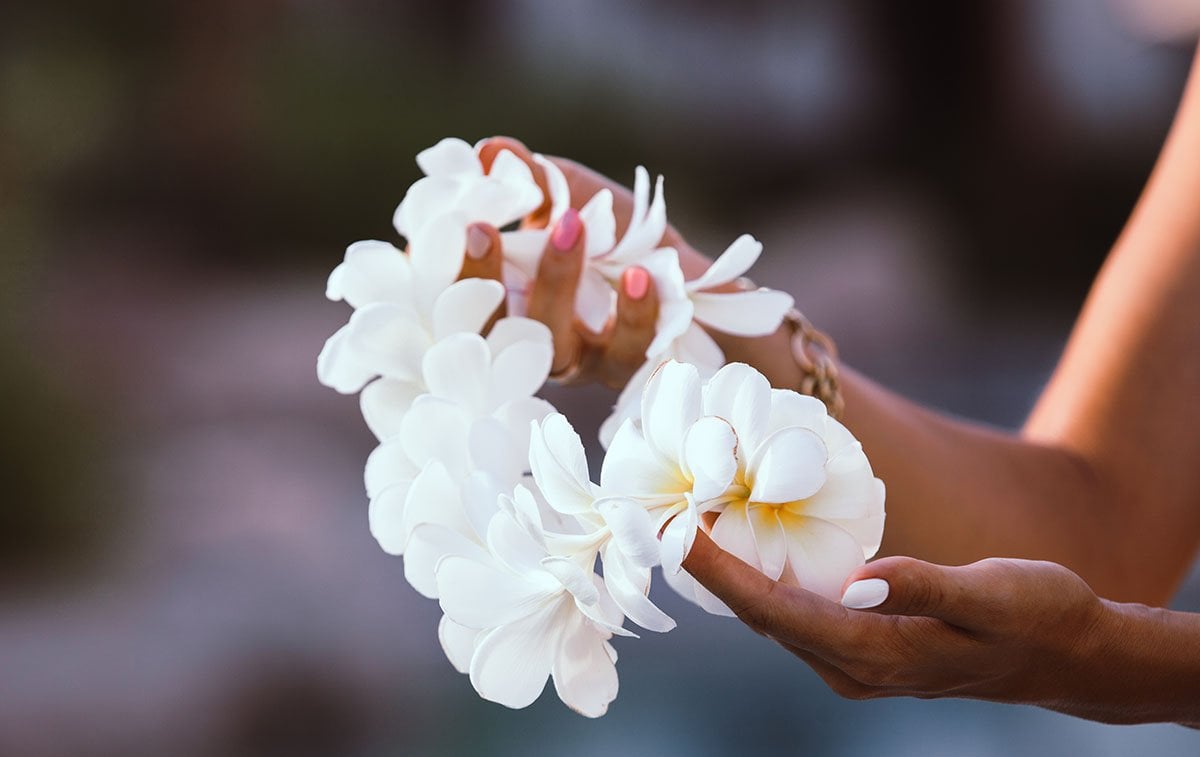
- Plumeria. The iconic Hawaii flower. Light, fragrant, almost always strung as a single or double strand. Trees bloom through the warm months on Oahu, and summer is when you'll see them at their fullest (more on the season in our plumeria season guide).
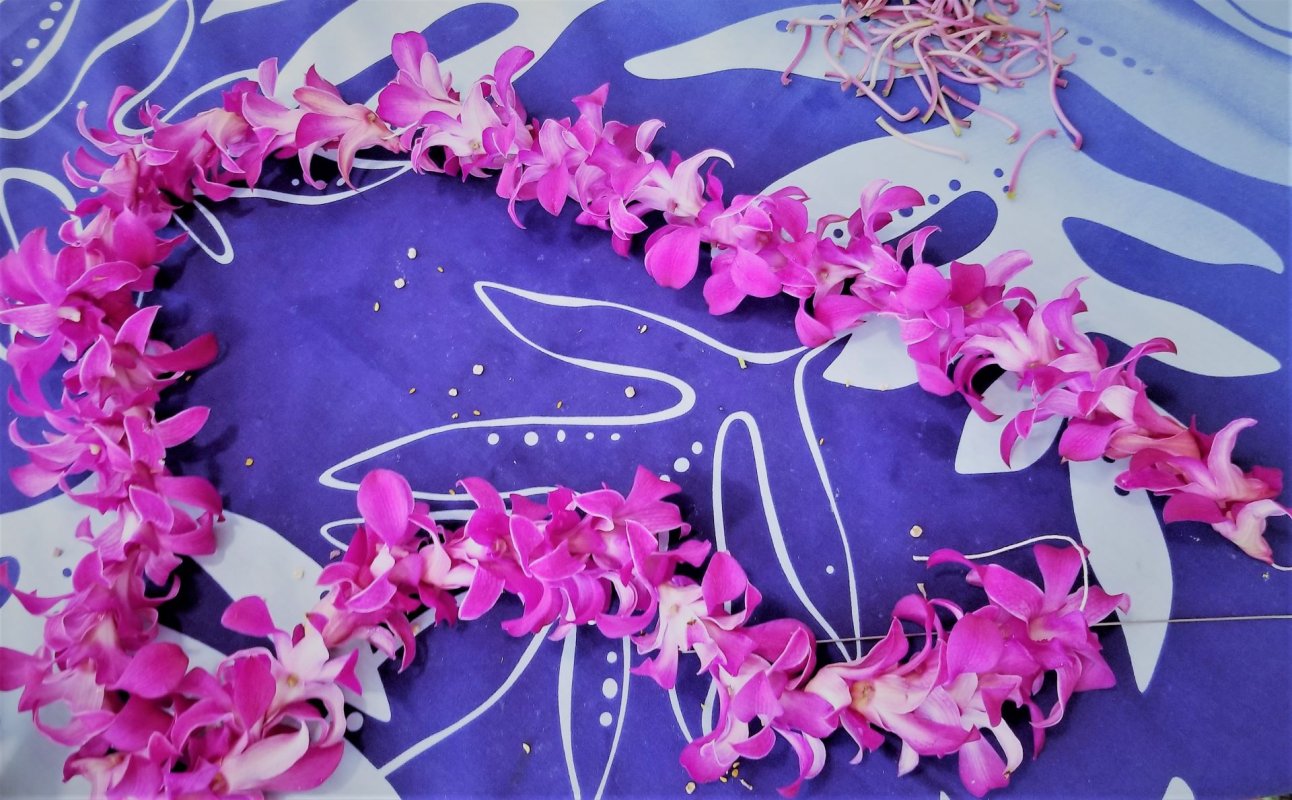
- Dendrobium orchid. The most common airport and welcome lei. Inexpensive, durable, holds up in heat and humidity better than most fresh flowers.
- Tuberose. Strongly fragrant, often a formal-occasion lei. White tuberose is popular for weddings and graduations.
- Pikake. Small white jasmine, prized for its scent and long associated with Princess Kaʻiulani's favorite garden flower. A premium lei because of the labor involved in stringing the tiny buds.
- Maile. Open-ended (not closed), draped rather than slipped over the head. The most ceremonial of the common leis. Frequently used at graduations and weddings, and especially for men. Maile is harvested rather than strung from cut flowers, so supply is the most variable and price climbs accordingly.
Two other common leis worth knowing about even though they aren’t fresh flowers:
- Kukui (candlenut). Black or brown polished nut lei, often given as a "lei of light." Doesn't wilt and can be kept as a keepsake.
- Ti leaf. Sturdy green leaf lei, often paired with a flower lei. Long associated with protection and blessing in Hawaiian tradition.
What it costs
Prices vary by shop, season, and what’s in supply. A rough baseline based on current published prices at Chinatown shops and full-service florists:
- Simple single-strand plumeria, orchid, or ti leaf lei: roughly $15 to $25. (See sample single-lei pricing at Cindy's and Lin's.)
- Double-strand or premium flower lei (tuberose, pikake): roughly $25 to $50.
- Maile, custom haku head lei, and special-order woven lei: typically $50 and up, sometimes well into the three figures for ceremonial work. Watanabe Floral lists maile starting around $70.
Mother’s Day, graduation week, Lei Day (May 1), and Valentine’s Day are the windows when prices climb the most and the pickier flowers (pikake, maile) sell out earliest. Summer weddings drive a smaller but real bump in June and July. If you need a specific lei for a specific event, call the shop a few days out. Most will hold an order if you give them lead time.
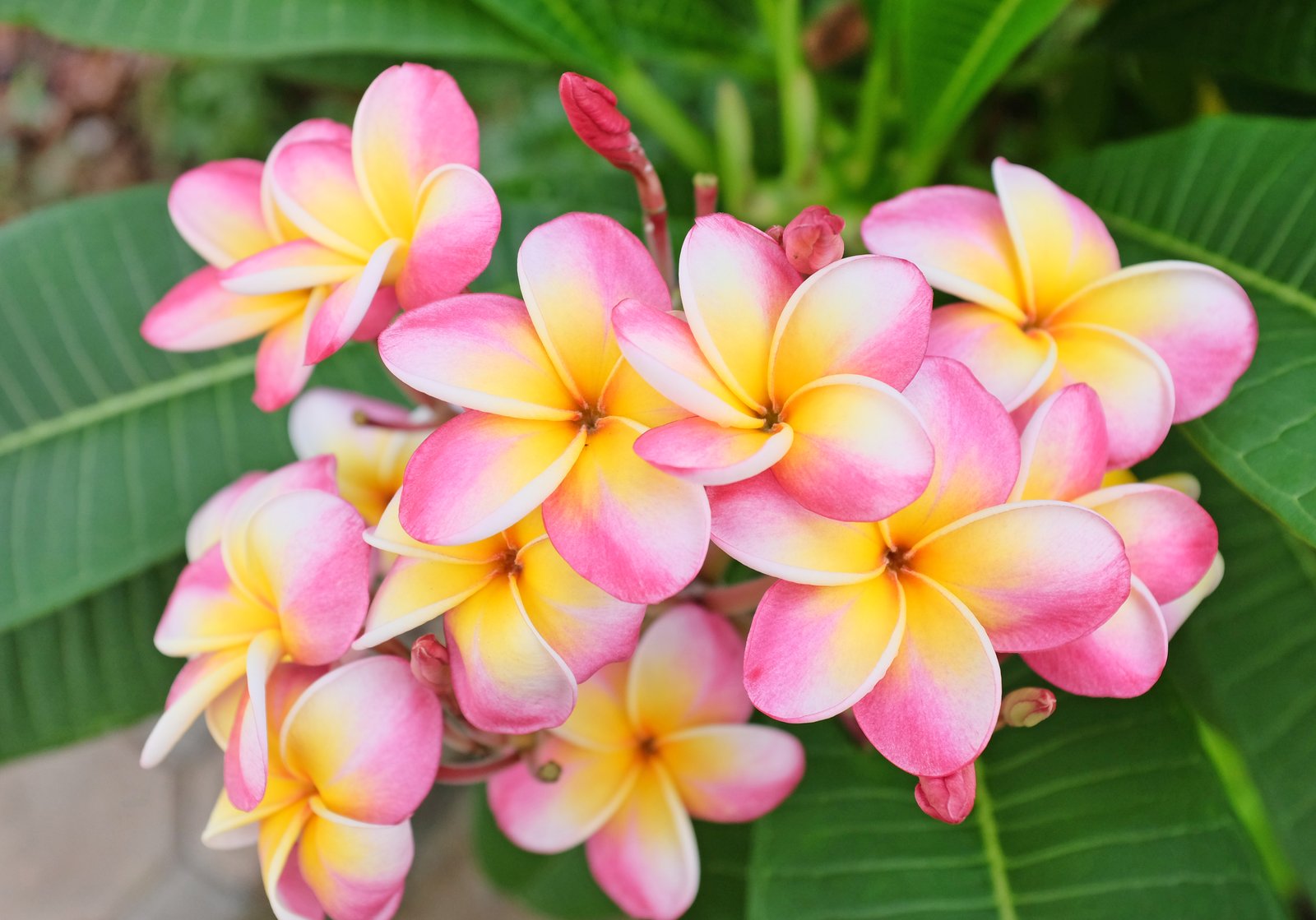
Plumeria blooms through the warm months on Oahu, and the trees are at their fullest in summer. Part of why summer lei smell as good as they do.
Bringing a lei home through USDA inspection
Most fresh flower leis travel home to the U.S. mainland just fine. The USDA APHIS traveler guidance for Hawaii treats fresh flowers, leis, and foliage as allowed for travel to the mainland, with exceptions for any lei with fruit or berries attached, and for certain protected species. The Hawaii Department of Agriculture’s traveler brochure calls out specific restricted items like rose apple, jaboticaba, miconia, and anything with soil attached. Plumeria, orchid, tuberose, pikake, and ti leaf leis are routinely cleared at pre-departure inspection. Carry the lei on, don’t check it. Pack it loosely in tissue or a flat box. If anything else in your luggage is questionable, declare it. Our broader USDA inspection guide for souvenirs walks through what’s allowed and what isn’t in more detail.
How to give and receive one
Two short rules to know before you give a lei:
- Drape it over both shoulders, don't loop it around the neck like a necklace. The intention is that the flowers fall front and back across the chest.
- It is not a gift to be returned to the giver. When you're done wearing it, return the lei to the earth (under a tree, on the beach, into the ocean, into a garden) rather than throwing it in a hotel trash bin. This is taken seriously by people who grew up with the tradition.
Full protocol (what to do at the airport greeting, how to handle a lei at a wedding or funeral, when and how to remove one) is in the lei etiquette guide.
Getting to Chinatown from Waikiki
Chinatown sits roughly four miles west of Waikiki, a 15 to 25-minute drive depending on traffic. On-street parking around Maunakea Street is tight, and the Chinatown Gateway Plaza and Marin Tower municipal parking facilities are usually the easiest paid options. If you’re already renting a car for the trip, this is the kind of errand to knock out on a day you’re heading downtown or to Iolani Palace. Without a car, TheBus runs frequent service from Waikiki to Chinatown. Route 2 and Route 13 both run through the Hotel Street corridor, a block or so from the main lei shops on Maunakea and Beretania. We cover the broader transit picture in our guide to getting around Hawaii without a car.
Picking your spot
If you’re stopping at the airport to greet an arrival, the HNL Lei Stand row outside baggage claim is the right call. If you want selection (pikake, maile, a haku for a wedding, a special double-strand for an anniversary), give yourself an afternoon in Chinatown or call a Honolulu florist a day or two ahead. Either way, the lei you end up with is a real flower lei, made by a real lei maker, on the day you’re going to wear it. That’s the difference, and it’s worth the small detour.