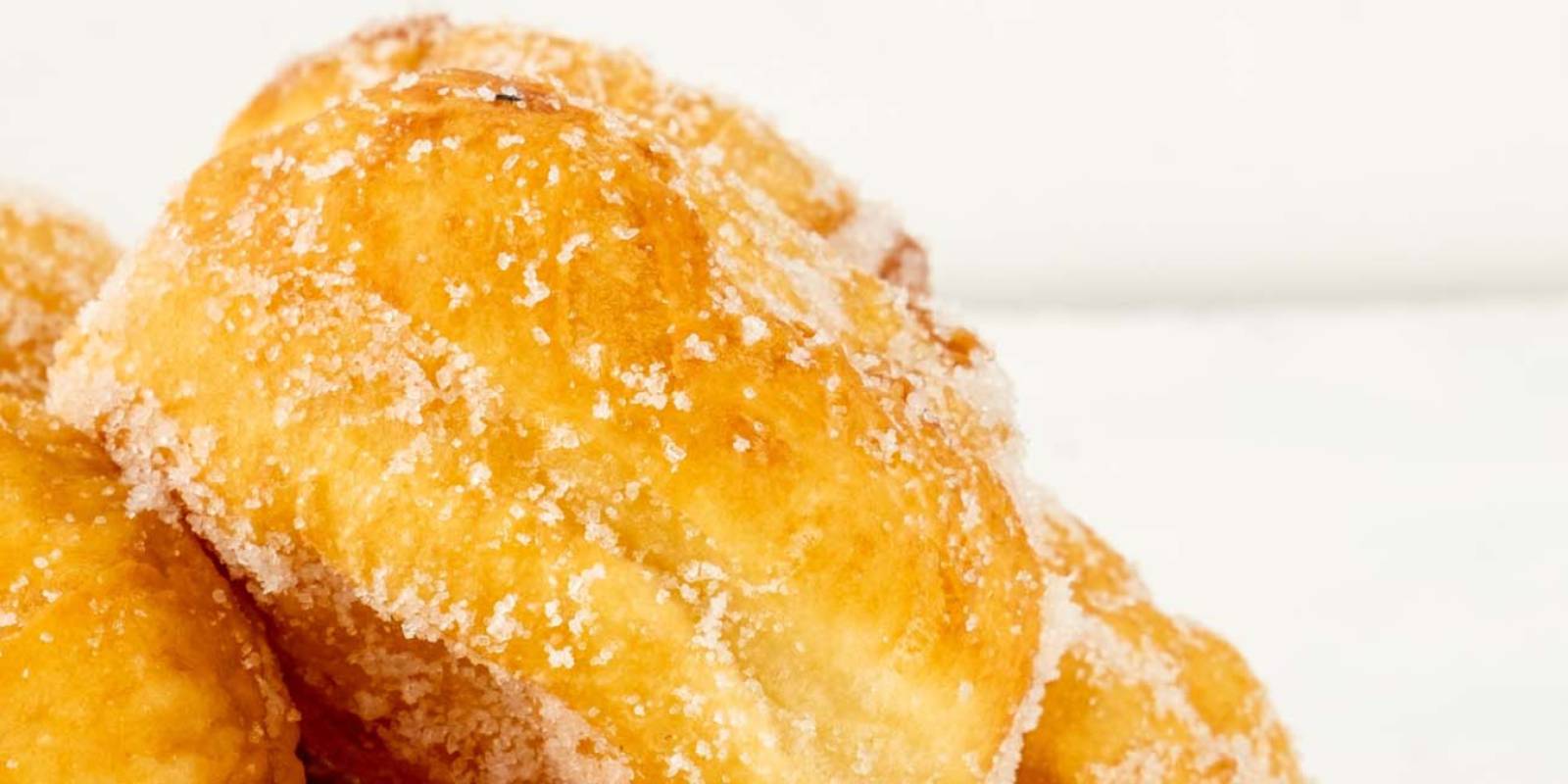
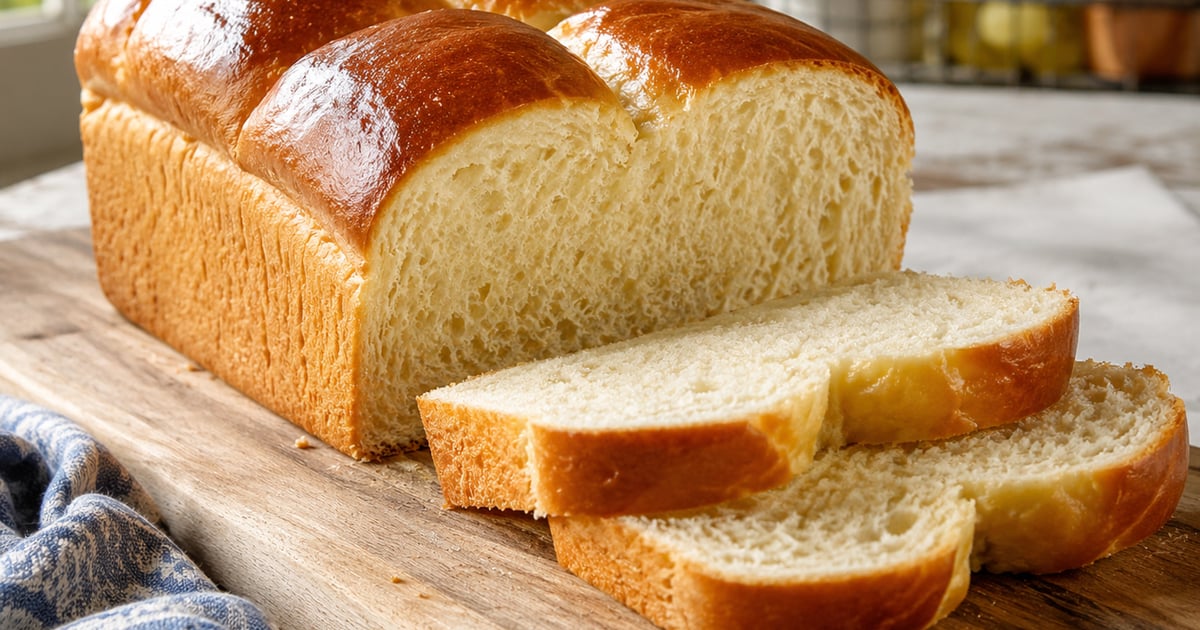

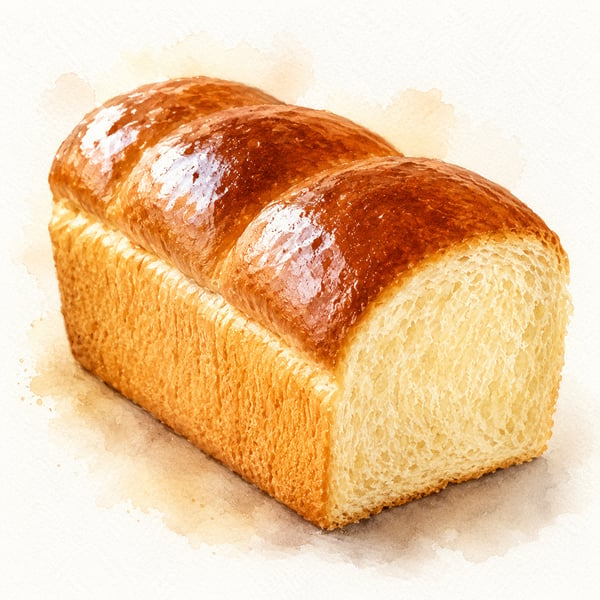
Hawaiian sweet bread is a soft, pillowy, faintly sweet enriched dough. Baked traditionally, it comes out as a round white domed loaf. Baked in a pan, it pulls apart into knobby little rolls. It tastes like a cross between brioche and a sweeter dinner roll. There is butter, eggs, sugar, and yeast in the dough, but it never crosses into pastry territory. You can split it in half and grill it on a sandwich press, slice it for French toast, tear it apart at a luau, or stuff it with kalua pork and call it lunch.
It is not actually a Native Hawaiian recipe. It is the descendant of pão doce, the sweet bread that Portuguese laborers brought to Hawaii from Madeira and the Azores when they were recruited to work the sugar plantations starting in 1878. It became a Portuguese-Hawaiian plantation specialty for the next several decades, until Robert Taira opened his bakery in Hilo in 1950. He sold it as "Hawaiian Sweet Bread," moved his operation to King Street in Honolulu in 1963 and then expanded to Torrance, California in 1977, and turned the recipe into the King's Hawaiian brand sold in most American supermarkets today.
At a glance
1 large round loaf or 12 dinner rolls
25 minutes active
2.5 to 3 hours total
25 to 35 minutes
Ingredients
For the dough
- 4 cups bread flour, plus more for dusting
- 1/2 cup granulated sugar
- 1 packet (2 1/4 tsp) instant yeast
- 1 tsp fine sea salt
- 3/4 cup whole milk, warmed to about 110°F
- 1/4 cup unsalted butter, softened
- 3 large eggs, at room temperature
- 1/4 cup pineapple juice (the Hawaii touch, for a faint tropical note)
- 1 tsp vanilla extract
For the egg wash
- 1 large egg yolk
- 1 Tbsp whole milk
Equipment
- Stand mixer with dough hook (or strong arms for hand-kneading)
- Large bowl, lightly oiled, for the first rise
- 9-inch round cake pan (for a domed loaf) or 9 x 13 inch baking pan (for pull-apart rolls)
- Plastic wrap or a clean kitchen towel
- Sharp paring knife or lame (for scoring the round loaf)
- Instant-read thermometer (optional but useful)
To serve
- Salted butter and guava jam
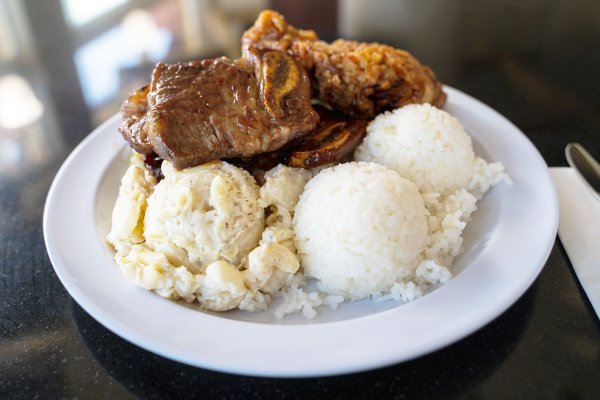
- Slabs of kalua pig for an instant sandwich
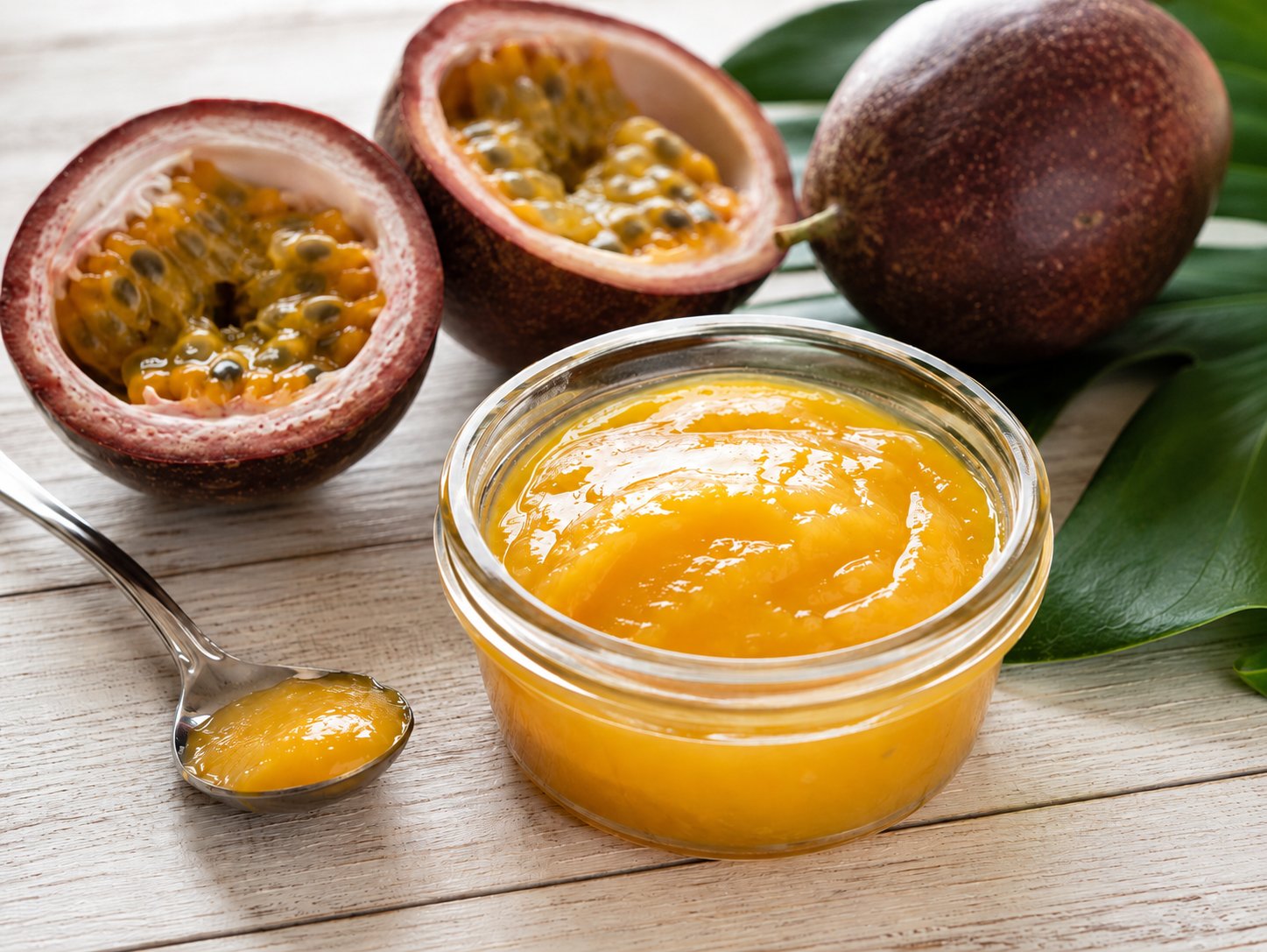
- Lilikoi butter or homemade lilikoi curd
Method
- Combine the dry. In the bowl of a stand mixer fitted with the dough hook, whisk together the flour, sugar, instant yeast, and salt. The instant yeast can go directly into the dry mix without proofing first.
- Add the wet. Pour in the warm milk, softened butter, eggs, pineapple juice, and vanilla. Mix on low for 2 minutes until a shaggy dough forms, then increase to medium-low and knead for 8 to 10 minutes. The dough will be soft and slightly tacky but should pull away from the bowl sides. If it is still sticking everywhere after 6 minutes, add flour 1 tablespoon at a time. It should pass the windowpane test: stretch a small piece thin and you should see light through it without it tearing.
- First rise. Transfer the dough to a large oiled bowl, turn to coat, cover with plastic wrap, and let rise at warm room temperature (around 75°F) for 90 minutes, or until doubled in size.
- Shape. Punch the dough down gently and turn it out onto a lightly floured surface. For a single domed loaf, shape into a tight ball by pulling the surface down and pinching the seam underneath, then place seam-side down in a greased 9-inch round cake pan. For 12 pull-apart rolls, divide into 12 equal pieces (a kitchen scale helps), roll each into a tight ball, and arrange in a greased 9 x 13 pan in a 3 x 4 grid.
- Second rise. Cover loosely and let rise another 60 to 90 minutes until puffy and nearly doubled. While it rises, preheat your oven to 350°F.
- Score and egg wash. Whisk the egg yolk and milk together and brush the tops gently. For the traditional round loaf, use a sharp paring knife or lame to score a shallow cross (about 1/4 inch deep) across the top right before baking. Rolls do not need scoring.
- Bake. Bake the round loaf 30 to 35 minutes, or the rolls 22 to 28 minutes, until the tops are deep golden brown and the internal temperature registers 195 to 200°F on an instant-read thermometer. If the tops are browning too fast, tent with foil for the last 10 minutes.
- Cool. Remove from the pan after 10 minutes and let cool on a rack for at least 30 minutes before slicing. The interior crumb is still setting when it comes out of the oven, and tearing into it too soon makes it gummy.
Notes from a local cook
Pineapple juice is the cheat that makes it taste like Hawaii. Many home recipes for "Hawaiian sweet bread" skip it, and the bread comes out tasting like a slightly sweet brioche. A splash of real pineapple juice adds a faint tropical fragrance and a hint of acidity in the background. Use real juice, not from-concentrate, and not pineapple soda.
The dough wants to be cold-rested. If you have time, do the first rise in the refrigerator overnight instead of on the counter. The slow cold ferment deepens the flavor noticeably, and the dough is far easier to shape when cold. Pull it out 30 minutes before shaping to take the chill off.
Round loaf vs. pan of rolls. Traditional Portuguese pão doce is a single round loaf, baked free-form or in a round pan, often scored with a cross on top before baking (see step 6). The pull-apart rolls are the King's Hawaiian commercial format that came later. Pick whichever you want. The dough is identical. Rolls reheat better and pack into a cooler for the beach more easily. The loaf looks more impressive at a luau.
Day-old bread becomes great French toast. Once it is a day or two old and starting to firm up, sweet bread soaks up custard like a sponge and makes the platonic ideal of French toast: slightly crisp outside, custardy in the middle. Slice thick, soak in beaten eggs with milk and a little vanilla, and griddle in butter.
While You're on the Islands
Eat it made by someone else. The most-loved version still on the islands is from Punaluʻu Bake Shop in Naʻalehu on the south end of the Big Island. The shop bills itself as the southernmost bakery in the United States, and it is a worthy detour if you are driving the Volcano-to-Kona route. They sell loaves and individually wrapped rolls, and you can peek into the kitchen through the viewing window while the bread comes out of the oven. On Oahu, Leonard's Bakery on Kapahulu Avenue, founded in 1952 by a Portuguese-Hawaiian family, is best known for malasadas but also sells pão doce and other Portuguese bakery staples. See our Hawaii Eats hub for more local-bakery picks.
Buy the ingredients fresh. Nothing here needs an on-island sourcing trip — flour, yeast, eggs, and evaporated milk are the same everywhere. This is a bake-it-yourself dough that doesn't depend on a rare ingredient.
Bring It Home
Worth knowing: the King's Hawaiian brand sold at mainland supermarkets is still owned by the Taira family and baked in Torrance, California — an honest descendant of the Hilo original, and a fine shortcut on a week you don't want to bake from scratch.
Where to try this in Hawaii