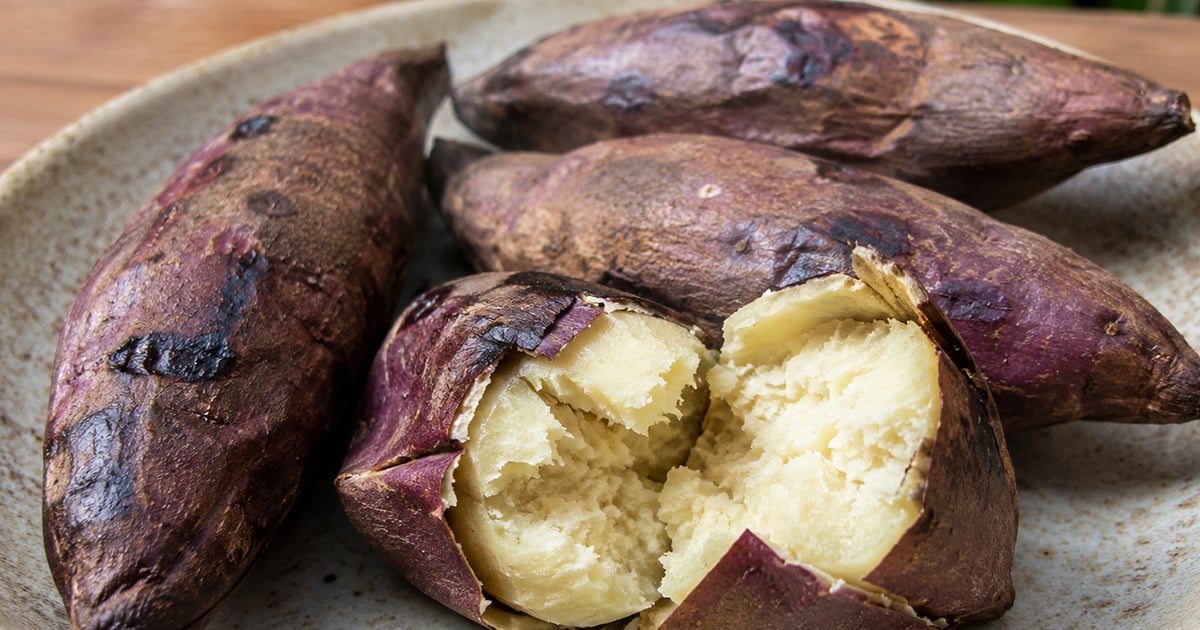

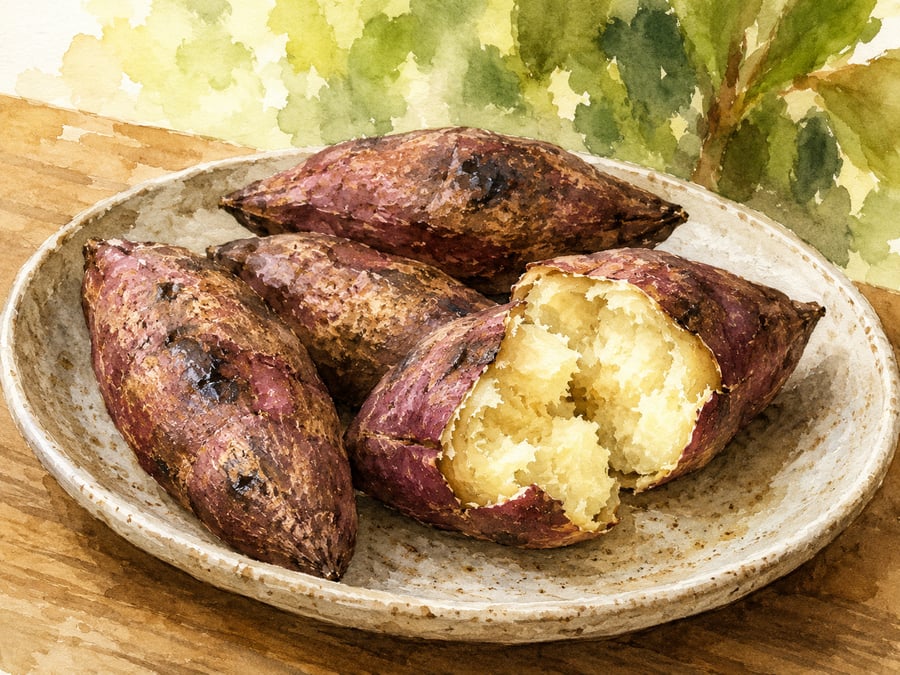
Whole sweet potatoes, scrubbed, rubbed with oil and Hawaiian sea salt, roasted slow until the skin wrinkles and the flesh inside goes soft enough to scoop with a spoon. Split open, hit with butter and cracked pepper, served alongside kalua pig. That is the recipe. The rest is what makes the potato worth roasting.
ʻUala is the Hawaiian sweet potato — one of the canoe plants the first Polynesian voyagers carried with them when they settled the islands. It is starchier than the orange American sweet potato, less sweet, and the flesh ranges from creamy yellow to deep purple depending on the variety. Along with kalo (taro), it was one of the two carbohydrate staples of the traditional Hawaiian diet. This recipe treats them simply — slow heat, sea salt, butter — because the potato has been doing the work for centuries and does not need much help.
At a glance
4 as a side
5 minutes
1 hour 15 minutes
Easy
Ingredients
For roasting
- 4 medium Hawaiian sweet potatoes (about 2 lb total) — Okinawan purple, Molokai red, or white-fleshed Lehua if you can find them
- 2 teaspoons neutral oil (for rubbing the skins)
- 1 teaspoon Hawaiian alaea sea salt (or flaky sea salt)
To finish
- 3 tablespoons unsalted butter, at room temperature
- A few twists of freshly cracked black pepper
- Optional: a small drizzle of honey or a pinch of cracked Hawaiian chili pepper
Equipment
- Sheet pan or oven-safe rack
- Fork (for testing doneness)
- Sharp knife
To serve
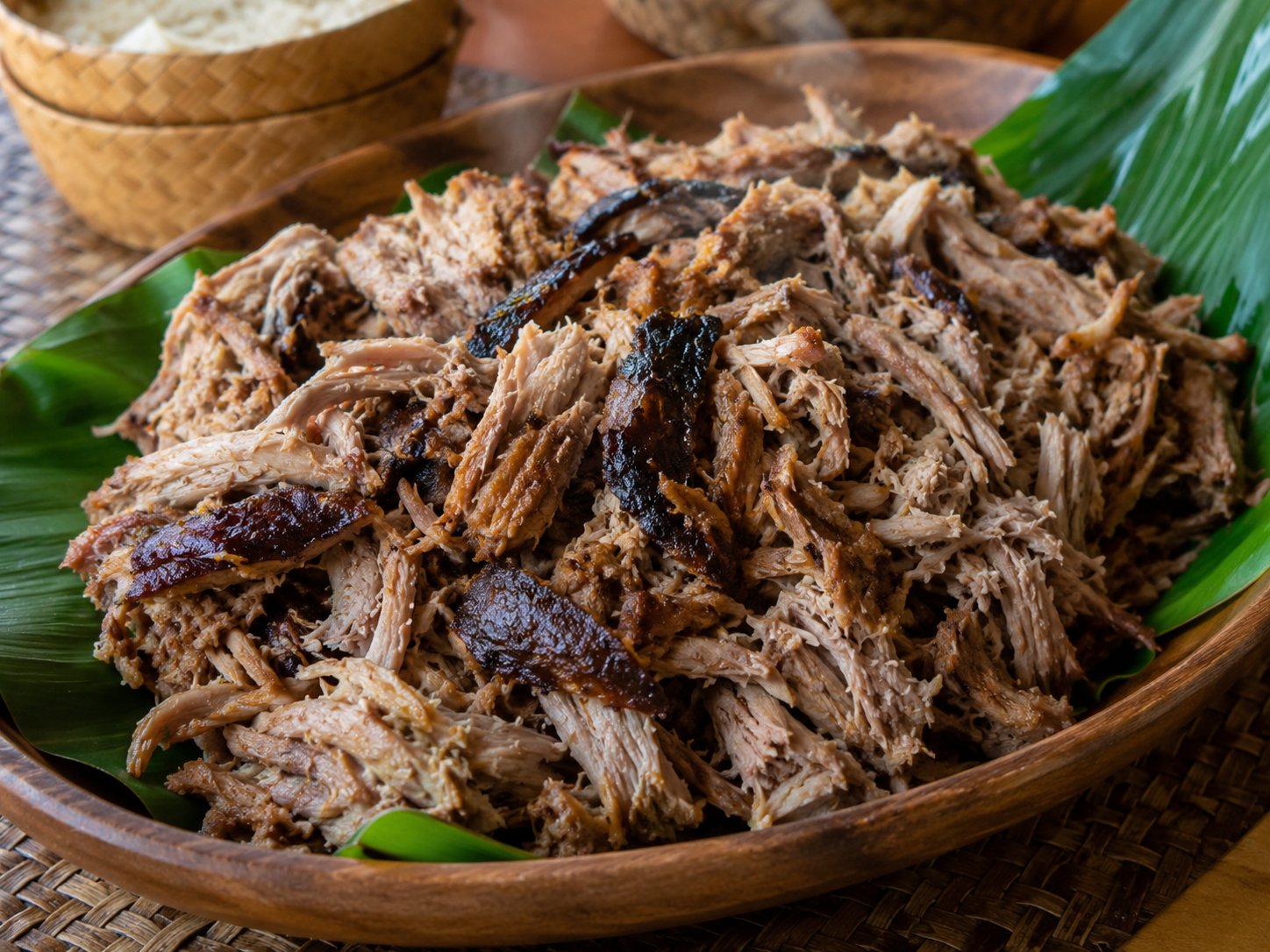
- Kalua pig (the classic Native Hawaiian pairing)
- Lomi lomi salmon on the side
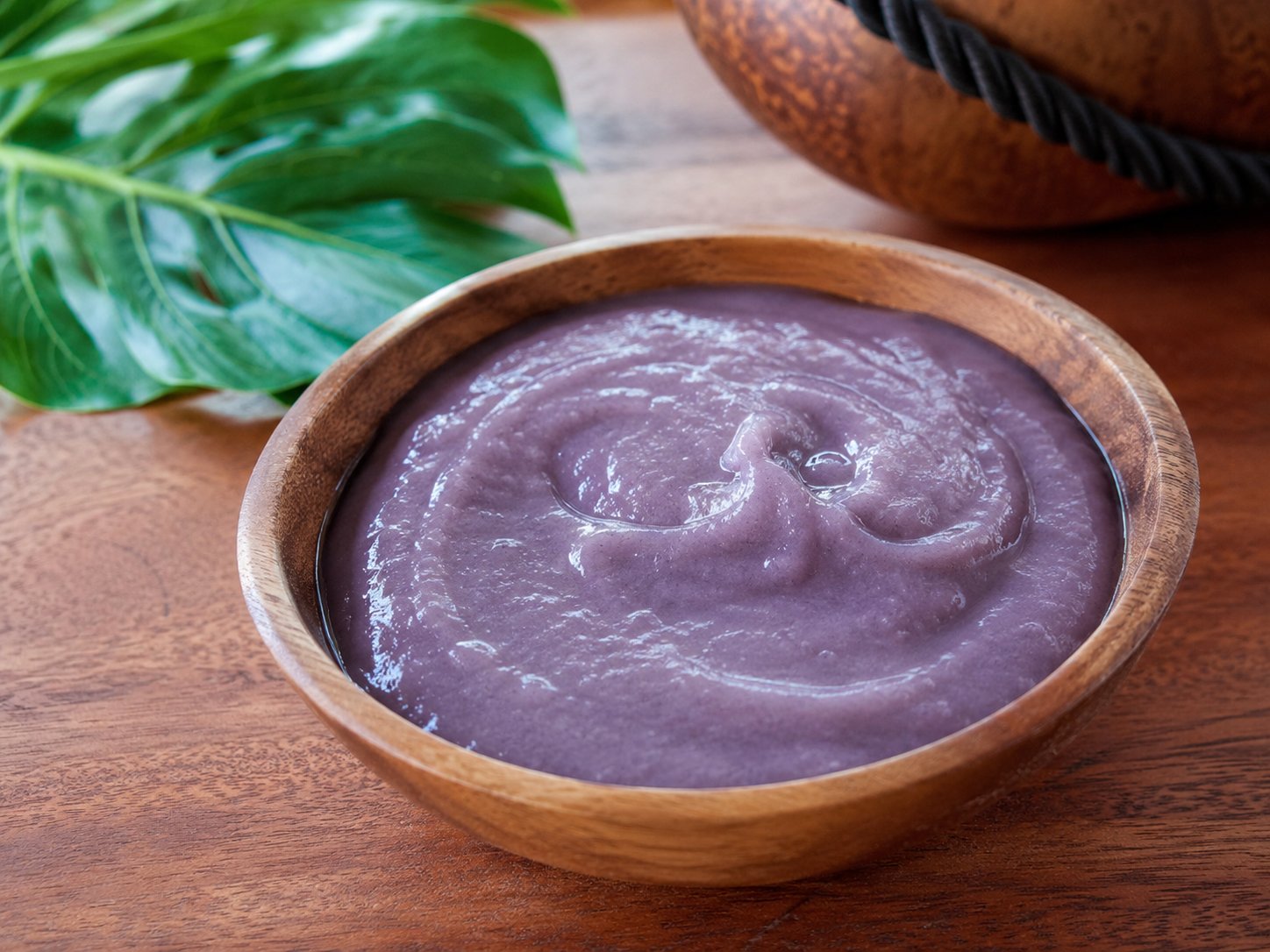
- A small bowl of poi if you're going full luau-plate
Method
- Heat the oven and prep the potatoes. Heat your oven to 400°F. Scrub the sweet potatoes well under cold water — the skin is part of the dish, so it has to be clean. Pat them dry. Pierce each one in three or four spots with the tines of a fork (steam vents — skip this and the potatoes burst in the oven, which I have done).
- Oil and salt. Rub each potato all over with a thin coat of neutral oil. Sprinkle the alaea salt across the skins, turning so it sticks. The oil is what gets the skin to crisp and lets the salt cling; the salt also seasons the flesh as the steam carries it through.
- Roast slow and long. Set the potatoes directly on a sheet pan or on a rack set over a sheet pan. Roast for 60 to 75 minutes, turning once at the halfway mark, until a fork slides in to the center with no resistance and the skin is wrinkled and slightly blistered. Smaller potatoes finish in 55 minutes; bigger ones can take 90. There is no shortcut to slow heat here — boiling or microwaving makes the flesh waterlogged.
- Rest, then split. Let the potatoes rest on the pan for 5 minutes — they keep cooking inside, and resting helps the steam settle. Cut a slit lengthwise down each one and pinch the ends together to push the flesh up and open.
- Butter and serve. Drop a generous knob of soft butter into the open slit and let it melt into the flesh. A few cracks of black pepper. Honey or a pinch of chili pepper goes on top if you want it. Serve while the steam still rises off the cut.
A little background on the potato
The Hawaii heirloom varieties — Okinawan purple, the light-fleshed Lehua, and the deep red Molokai among them — trace back to plants Hawaiians have been growing for generations. The Okinawan (sold as "Hawaiian sweet potato" in most mainland grocery stores) is the easiest to find off-island; the beige skin gives way to a striking violet flesh.
Early Hawaiians cultivated dozens — by some accounts more than a hundred — named varieties of sweet potato; only a handful remain in active cultivation today. What is still here is precious.
Notes from a local cook
Variety matters, but get what you can. True Hawaiian heirloom varieties — Lehua, Molokai red, Mahiki — are hard to find outside Hawaii farmers markets. The Okinawan purple is the closest mainland substitute and shows up at most natural-foods stores. Avoid the bright-orange American garnet or jewel yams — they are sweeter, wetter, and the flavor profile is wrong for this preparation. If you must swap, look for Japanese sweet potatoes (satsumaimo) instead — drier and starchier, closer to the ʻuala texture.
Roast, do not boil. The dry oven heat concentrates the sugars and lets the starches caramelize. Boiling pulls flavor out into the water and turns the flesh into mash. The traditional preparation was wrapped in ti leaves and baked in the imu — the underground oven — alongside kalua pig and other root vegetables, essentially a 12-hour version of slow roasting. A 400°F home oven for an hour gets you most of the way there.
The skin is edible and good. Old advice in Hawaiian households was to eat the skin — the nutrients sit just under it and the texture is part of the experience. Roasted ʻuala skin tastes like a wood-fired pizza crust crossed with a baked potato. Do not peel before serving.
Day-after ʻuala. Leftovers keep three days in the fridge and reheat well in a 350°F oven for 15 minutes. Cold slices are also good fried in butter in the morning with an egg on top — a standard move in my kitchen whenever there is leftover sweet potato sitting on the shelf.
While You're on the Islands
Eat it made by someone else. If you want to taste Hawaiian sweet potato as it was meant to be served — wrapped in ti leaves and steamed in an imu alongside kalua pig — a traditional commercial luau is the easiest path in. The Polynesian Cultural Center's Aliʻi Luau in Lāʻie on Oahu's north shore runs an imu ceremony at the start of the evening. Old Lahaina Luau on Maui is one of the longest-running Native Hawaiian buffets in the islands — roasted sweet potatoes included. For everyday eating, Helena's Hawaiian Food on Oahu is the James Beard-honored traditional spot where sweet potato regularly shows up on the plate, and Highway Inn in Kakaʻako and Waipahu lists sweet potato as a combo-plate side option. See our full guides to Hawaiian luaus and Hawaii Eats.
Buy the ingredients fresh. True Hawaiian heirloom varieties (Lehua, Molokai red, Mahiki) show up at island farmers markets, not regular grocery stores — the Hilo Farmers Market and the KCC Farmers Market on Oʻahu are both good bets for finding ʻuala by name rather than generic "sweet potato."
Bring It Home
What you can substitute, what you can't: the Okinawan purple sweet potato is the closest mainland-available substitute and shows up at most natural-foods stores and Asian markets — that's your best bet once you're home. Avoid the bright-orange American garnet or jewel yam; it's sweeter and wetter, and the flavor profile is wrong for this preparation. No special Amazon-sourced ingredient needed here — this is a produce dish, and fresh-bought beats anything shipped.
Where to try this in Hawaii