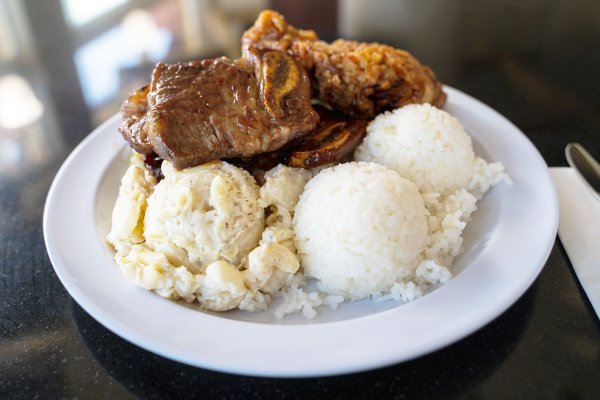
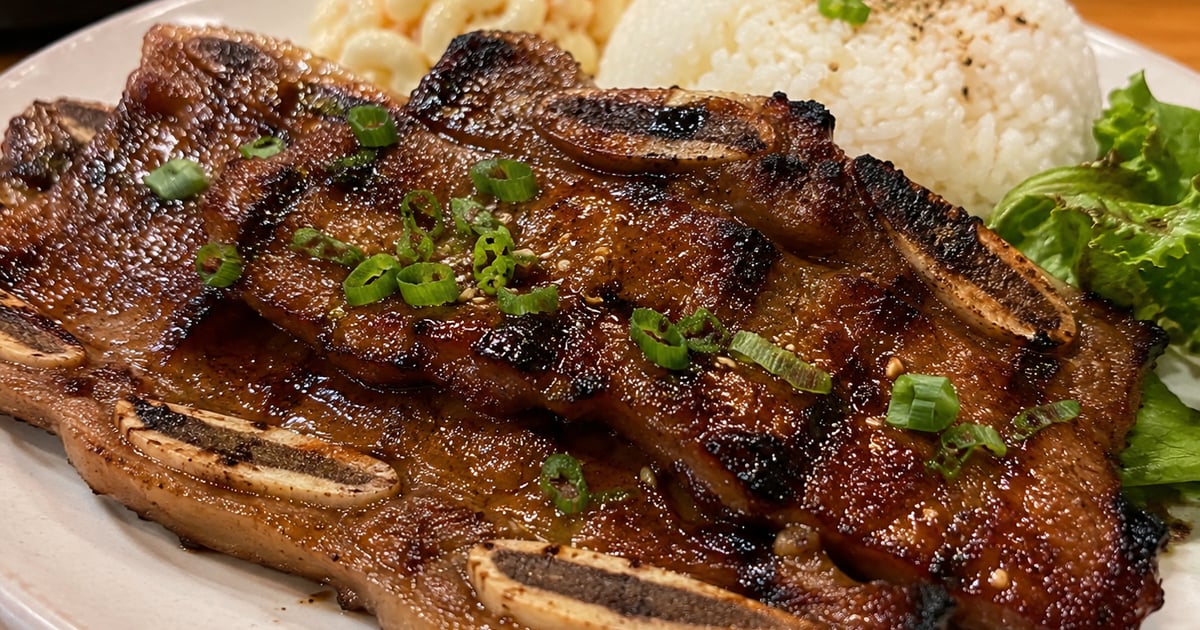

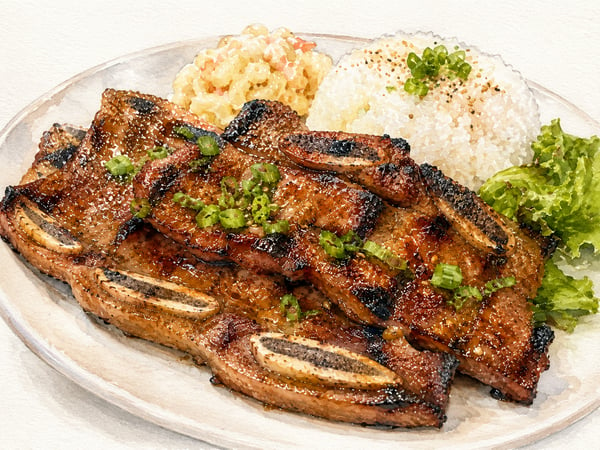
Kalbi (also spelled galbi) is the Korean grilled short rib that became a fixture at Hawaii cookouts. It travels on the local plate as easily as it does on a backyard hibachi. The cut is thin flanken-style beef ribs, sliced across the bones so each strip carries a row of three little bone discs. The marinade is a sweet-savory bath of soy sauce, brown sugar, sesame oil, garlic, ginger, and grated Asian pear. Grill it hot and fast until the edges caramelize and the meat barely needs chewing.
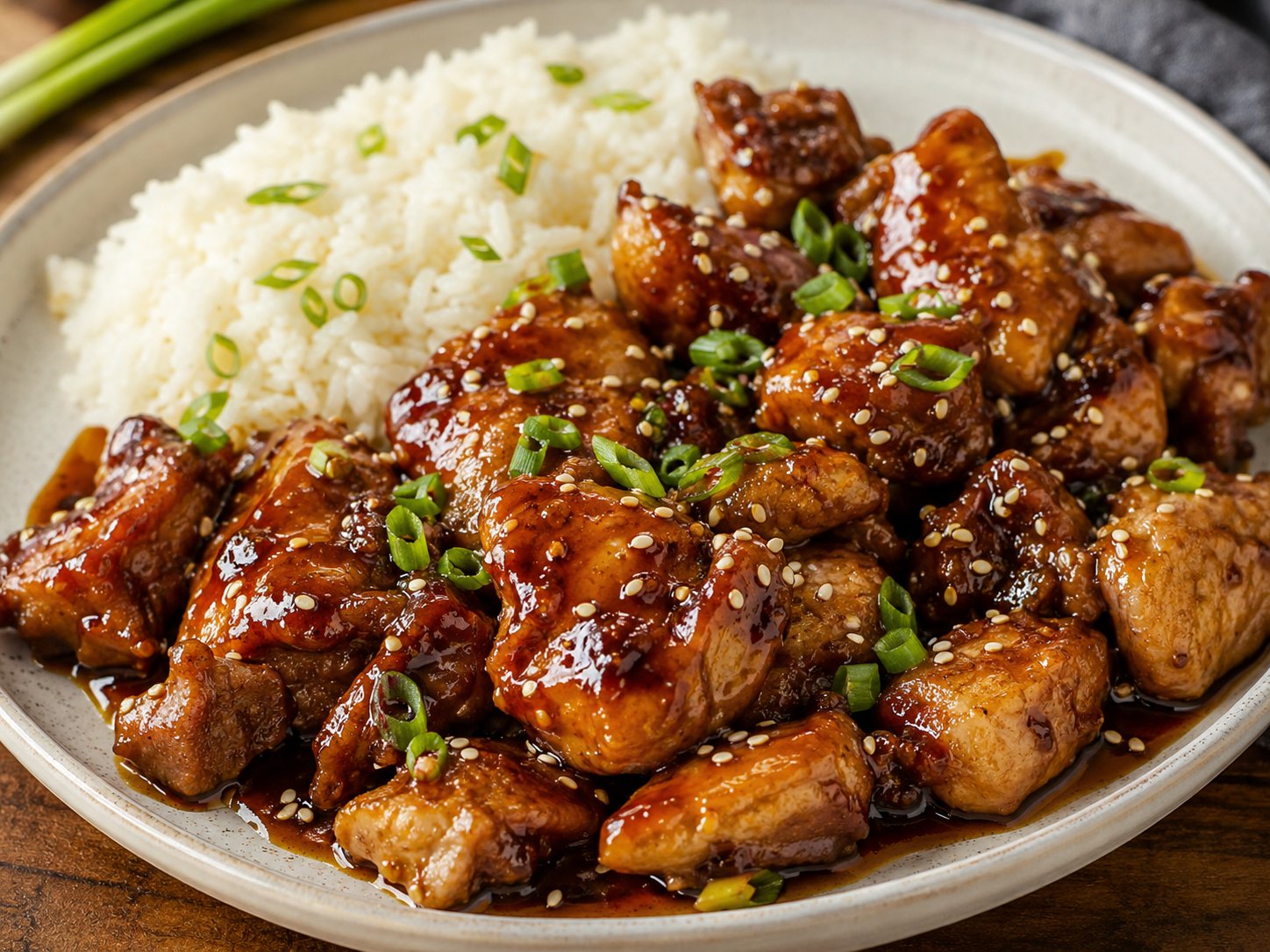
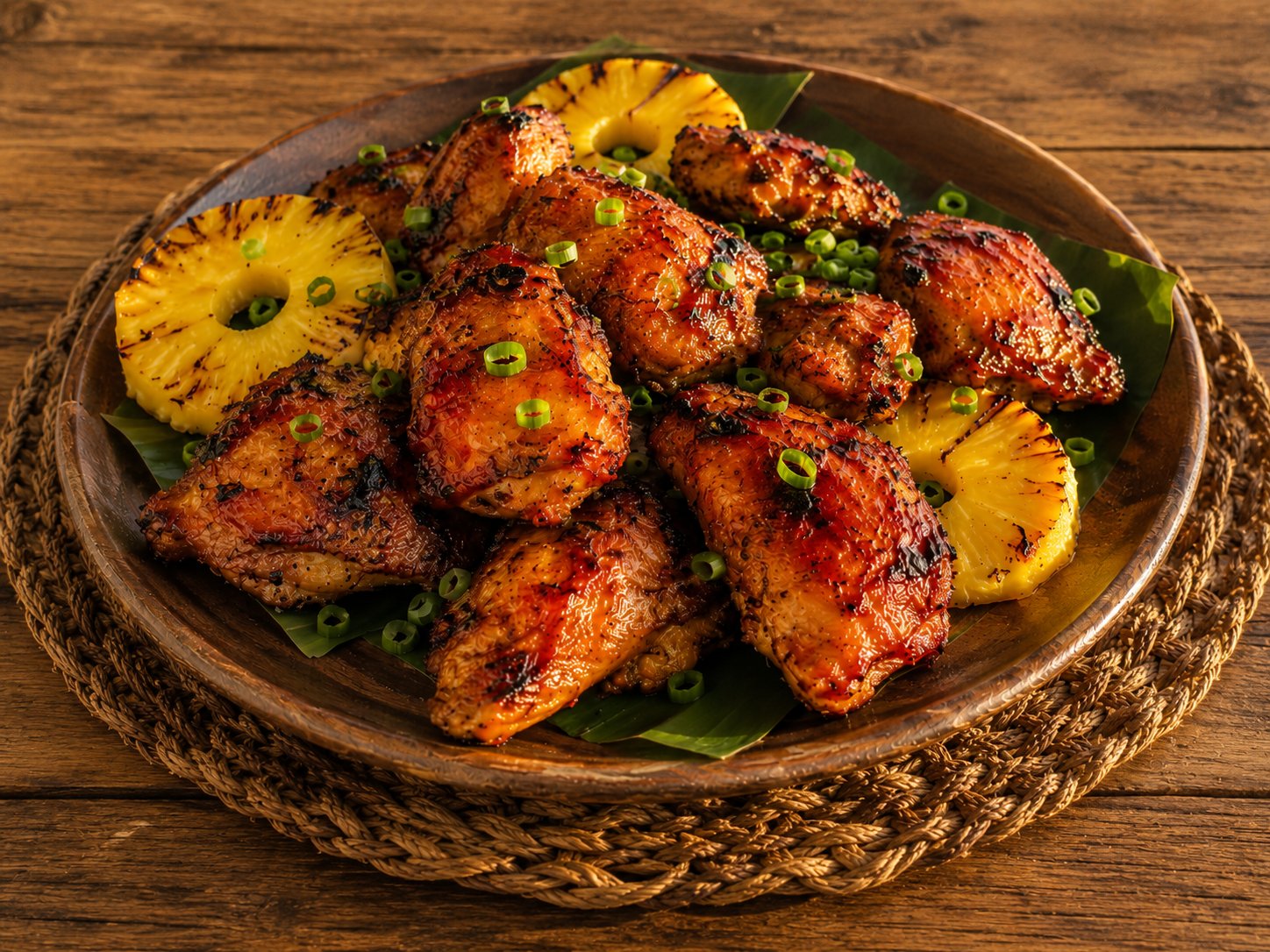
The dish arrived in the islands with the first wave of Korean plantation laborers in the early 1900s, and it spread the way plantation-era foods tended to spread — out of the camps and onto the lunch counters that fed everyone working nearby. Today kalbi shares plate-lunch real estate with shoyu chicken and teriyaki beef on many local menus, and it anchors the "Korean BBQ plate" at chains like L&L Hawaiian Barbecue and specialty spots like Yummy Korean Bar-B-Q.
At a glance
4 to 6
15 minutes
4 to 24 hours
5 to 7 minutes on the grill
Ingredients
For the ribs
- 3 lb flanken-cut beef short ribs, about 1/4-inch thick (look for "Korean cut" at a Korean or Asian grocer)
For the marinade
- 3/4 cup soy sauce
- 1/2 cup brown sugar, packed
- 1/4 cup mirin or dry sake (substitute: 2 Tbsp rice vinegar plus 2 Tbsp water)
- 3 Tbsp toasted sesame oil
- 1 ripe Asian pear, peeled and grated (substitute: 1/2 ripe Bosc pear or 1/4 cup unsweetened applesauce)
- 1/2 medium yellow onion, grated
- 8 cloves garlic, finely minced
- 1 Tbsp fresh ginger, grated
- 1 tsp freshly ground black pepper
- 2 Tbsp toasted sesame seeds, plus more for garnish
Equipment
- Large mixing bowl or gallon zip-top bag
- Microplane or box grater (for the pear, onion, and ginger)
- Charcoal or gas grill. Kalbi wants high heat and an open flame.
- Long tongs
To serve
- Steamed white rice
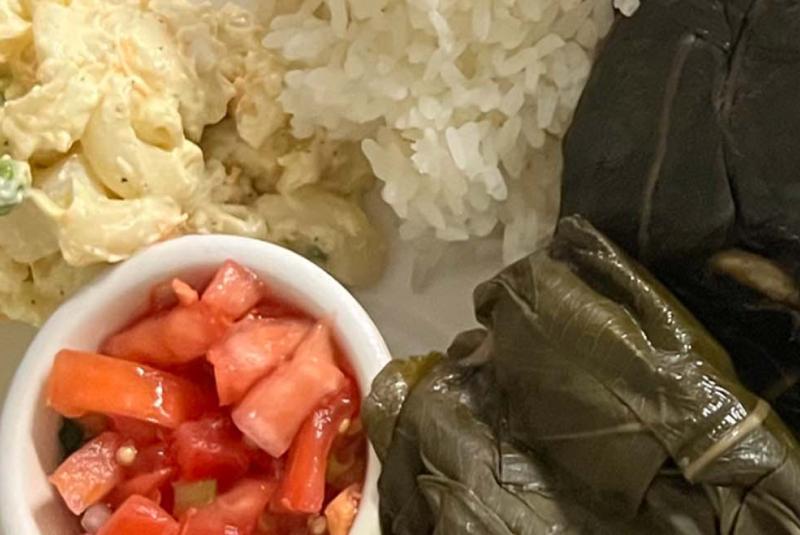
- A scoop of local-style macaroni salad
- Kimchi, banchan, or fresh lettuce leaves for wrapping
- Sliced green onion and extra sesame seeds for finishing
Method
- Rinse and trim. Rinse the short ribs under cold water and pat dry. The cut typically has a thin membrane and some loose connective tissue along the bone. Leave those alone. They crisp up beautifully on the grill.
- Build the marinade. Whisk the soy sauce and brown sugar together until the sugar dissolves. Add the mirin, sesame oil, grated pear, grated onion, garlic, ginger, black pepper, and sesame seeds. The grated pear is the trick that separates restaurant-grade kalbi from the home version. Its enzymes tenderize the beef while it marinates, and its natural sugars help the caramelization on the grill.
- Marinate. Place the ribs in a large bowl or zip-top bag and pour the marinade over them. Massage gently so every strip is coated. Refrigerate for at least 4 hours, and preferably overnight. 12 to 24 hours is the sweet spot. Do not go past 36 hours or the pear breaks the meat down into something mushy.
- Fire up the grill. Get your grill ripping hot. Direct high heat, lid open. Kalbi cooks in minutes, so you want maximum surface char before the inside dries out. Lightly oil the grates so the marinade does not stick.
- Grill fast. Lay the ribs on the grates in a single layer. Cook 2 to 3 minutes per side, just until the edges are dark and caramelized and the meat has a few black spots. Total time is 5 to 7 minutes per piece. If you are getting flare-ups from the sugar, slide the ribs to a cooler spot rather than trying to put the flames out. A little flame-kiss is part of the flavor.
- Rest briefly. Stack the cooked ribs on a serving platter and let them rest 3 to 5 minutes. They are thin enough that they do not need long.
- Serve. Pile on a platter, scatter with green onion and sesame seeds. Eat with hands or chopsticks straight off the bone. The cut leaves three little bone discs in each strip. That is normal. Chew around them.
Notes from a local cook
The cut matters more than the marinade. "Flanken-cut" means the butcher has sliced the short rib across the bones into thin 1/4-inch strips, so each piece carries a row of three small bone discs. Some grocery stores call it "Korean BBQ cut" or "LA-style short rib." If your butcher only has English-cut short ribs (the chunky 2-inch pieces with the bone running underneath), this recipe will not work. Those need braising, not grilling. Ask a Korean or Asian grocer first.
Cook over real fire if you can. Charcoal beats gas for kalbi, and a portable hibachi beats a full grill. The high heat and the smoke from drippings hitting coals is what gives kalbi its signature edge-char flavor. A grill pan on a screaming-hot stove will work indoors, but you will smoke out your kitchen.
The lettuce-wrap detour. Hawaii-style kalbi usually arrives on a plate with rice and mac salad, but the Korean way to eat it is in a lettuce wrap. Tear off a piece of red leaf or butter lettuce, lay a strip of rib inside, add a smear of ssamjang (a fermented bean and chili paste sold at any Korean market), a few rice grains, a sliver of garlic, and fold it into a bite-size package. It is messy and worth it.
Leftover kalbi makes great fried rice. Pull the meat off the bones, chop it into small pieces, and stir it into fried rice with eggs and scallions. The marinade carries through and seasons the rice without needing additional soy.
While You're on the Islands
Eat it made by someone else. For a takeout plate, Yummy Korean Bar-B-Q is a long-running local chain with multiple locations across Oahu including the Ala Moana Center food court. Their kalbi is the version I send first-time visitors to when they want to know what the local benchmark tastes like. L&L Hawaiian Barbecue does a reliable BBQ Mix Plate that pairs kalbi with BBQ chicken and BBQ beef. For a sit-down Korean experience, Sorabol Korean Restaurant — now on Rycroft Street in Honolulu — has tabletop grilling and has been a Honolulu staple for decades. See our best mixed plate guide for spots where kalbi anchors the box across all four islands.
Buy the ingredients fresh. Korean-cut (flanken-style) short ribs are sold at Korean and most Asian grocery stores on the islands — ask the butcher counter specifically for "kalbi cut" if you don't see it pre-packaged.
Bring It Home
What you can substitute, what you can't: ask a mainland butcher or Korean grocery store for "flanken-cut" or "kalbi-cut" short ribs (cut across the bone, not between them) — it's the same cut available almost anywhere with a Korean grocery nearby, just a different name to ask for.
Where to try this in Hawaii