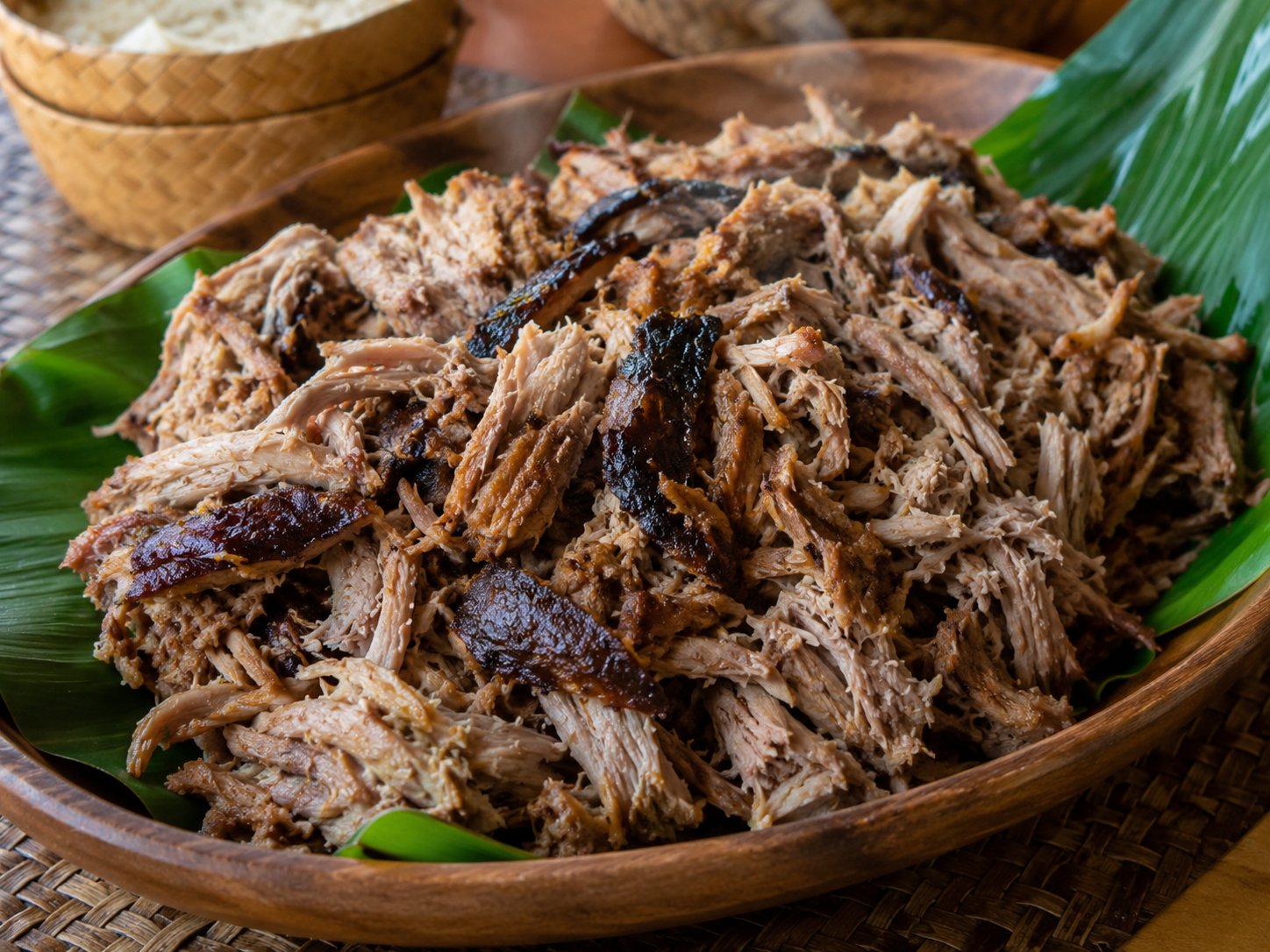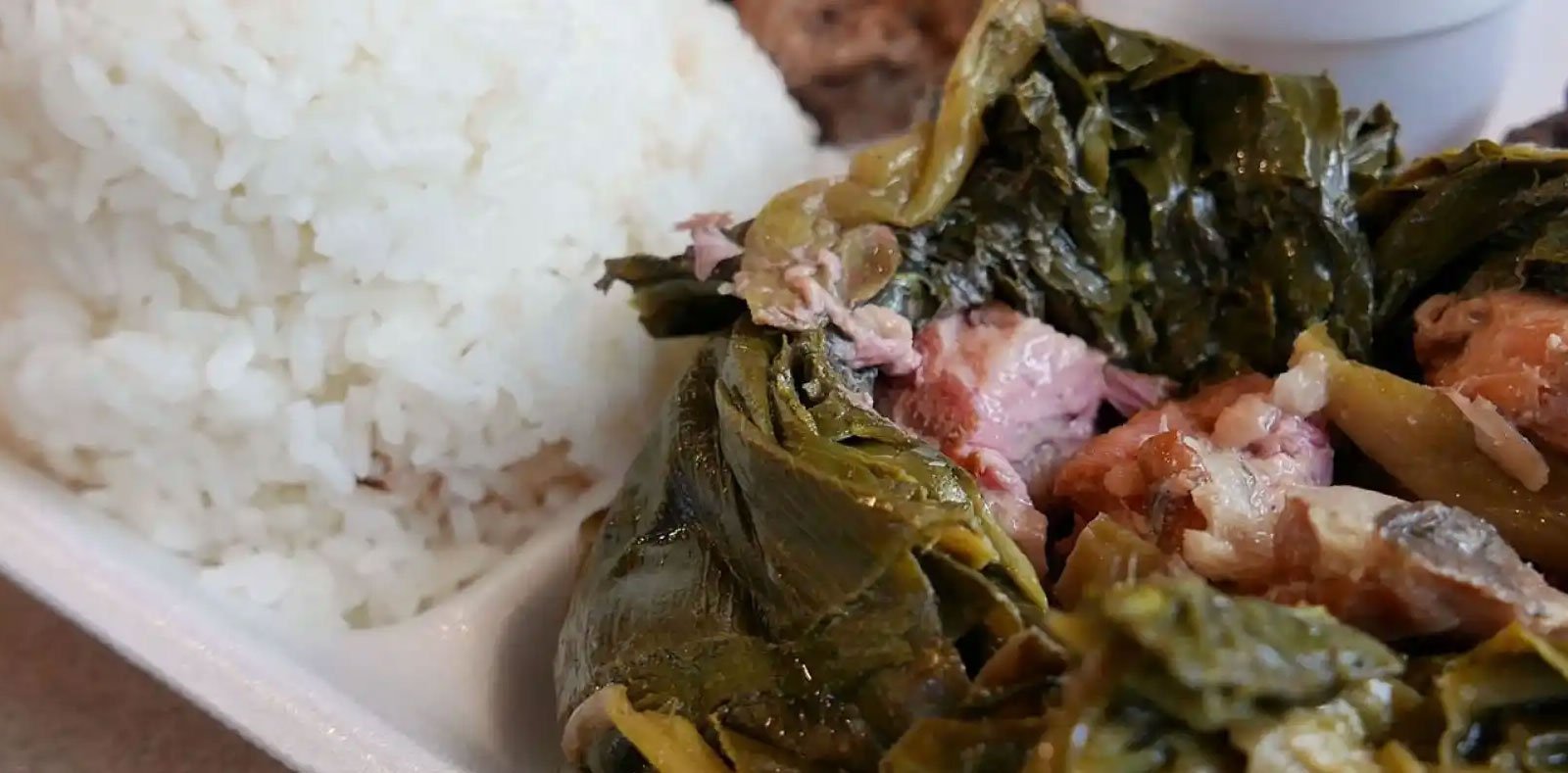
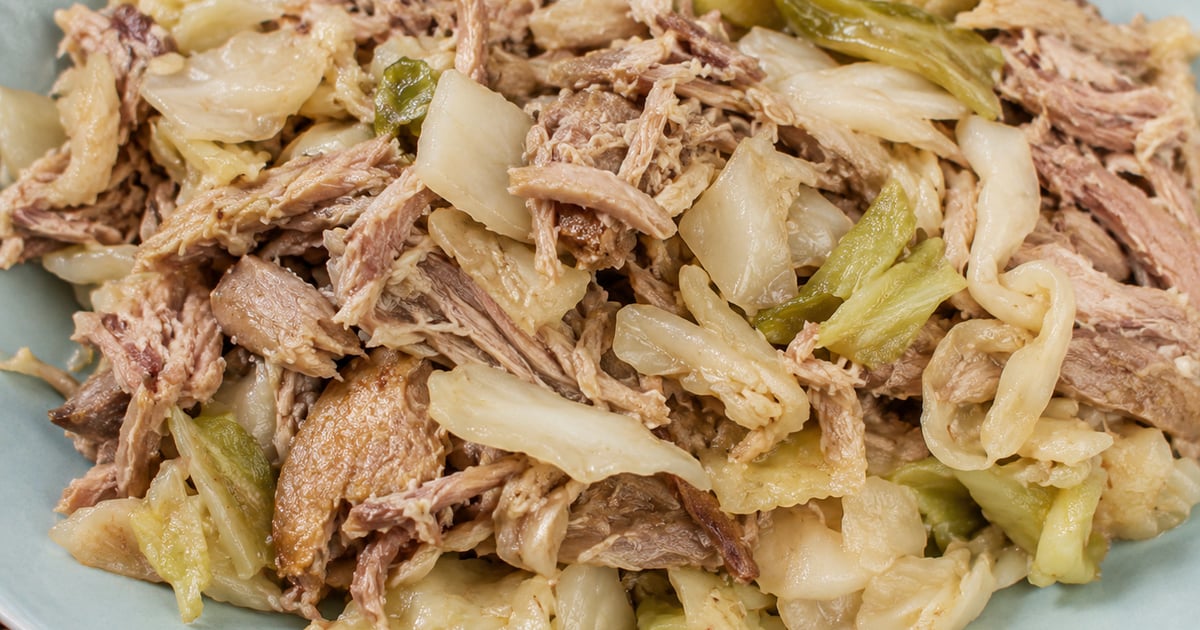

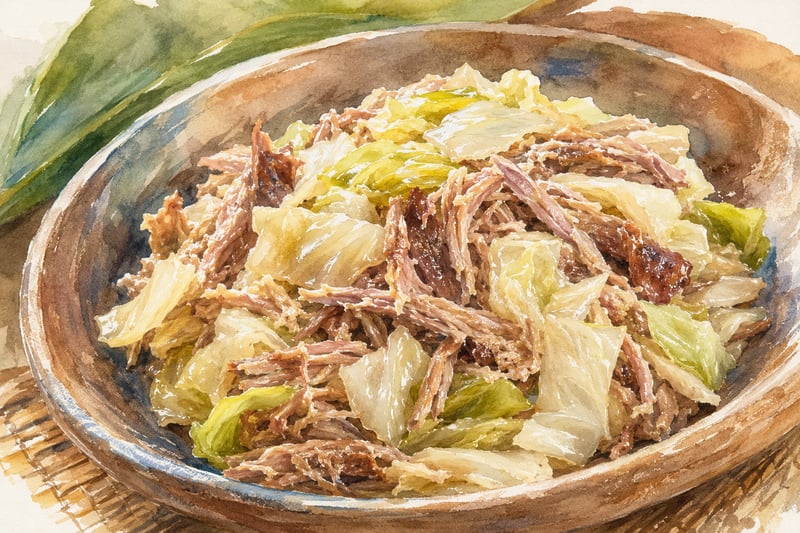
Kalua pig and cabbage is what kalua pig becomes on a Tuesday night. The full Native Hawaiian original — a whole pig cooked underground in an imu for the better part of a day — is luau-scale cooking. The everyday version is a fast one-pot stir-fry that uses pre-cooked kalua pork (sold at most Hawaii grocery store delis, or made at home with the oven-roast shortcut below), tosses it with a head of cabbage and a splash of liquid, and lets the cabbage wilt down into the smoke and salt of the pork. Twenty minutes. One pan. Done.
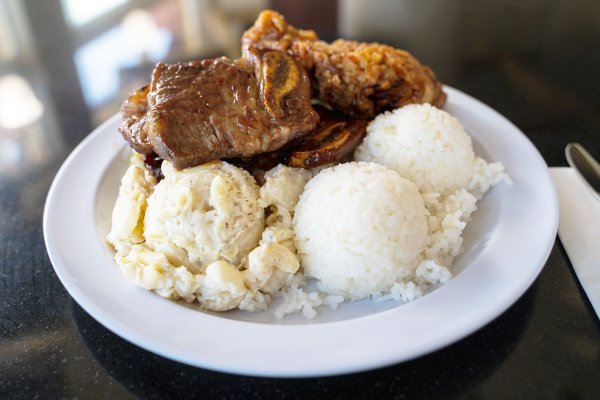
You will find this dish on the plate-lunch menu at familiar local counters across Oʻahu. Rainbow Drive-In on Kapahulu plates a generous scoop next to two scoops of rice and mac salad, and L&L Hawaiian Barbecue (now a nationwide chain) keeps it as a standard option. Helenaʻs Hawaiian Food in Kalihi serves a more traditional version on the combination plate. Itʻs the kind of dish you eat without thinking and somehow remember years later.
At a glance
4 to 6
10 minutes
20 minutes (or 4 hours if roasting the pork from scratch)
Easy
Ingredients
For the dish
- 2 lb pre-cooked kalua pork, hand-shredded (or roast your own — see the shortcut below)
- 1 large head green cabbage (about 2 1/2 lb), cored and cut into 1-inch ribbons
- 1/2 yellow onion, sliced thin
- 1 tablespoon neutral oil or bacon fat
- 1/2 cup chicken stock or water
- 1 tablespoon shoyu (optional — kalua pig is already salty, taste first)
- 1 teaspoon Hawaiian alaea sea salt to finish, if needed
- Black pepper to taste
Oven shortcut for kalua pork (if not buying pre-cooked)
- 4 lb pork shoulder (Boston butt), boneless or bone-in
- 2 tablespoons Hawaiian alaea sea salt
- 1 tablespoon liquid smoke (mesquite or hickory)
- 2 banana leaves (optional, for wrapping — available frozen at Asian markets) or heavy-duty foil
Equipment
- Large deep skillet, Dutch oven, or wok with a lid
- Two forks for shredding
- Cutting board and sharp knife
- (For oven shortcut: roasting pan with rack, foil)
To serve
- Two scoops of hot white rice (Calrose)
- A scoop of macaroni salad on the side
- Lomi lomi salmon if going full Hawaiian plate
- Chili pepper water on the side
Method
- (Optional shortcut) Make the kalua pork. Heat the oven to 325F. Rub the pork shoulder all over with the alaea salt, then drizzle with the liquid smoke and work it into the meat. Wrap the pork tightly in banana leaves (if using) and then in two layers of heavy-duty foil — or just the foil. Place on a rack in a roasting pan with 1/2 cup of water in the bottom. Roast for 4 to 5 hours, until the meat shreds easily with a fork. Unwrap, drain off most of the fat, and shred with two forks. (Skip this step entirely if you bought pre-cooked kalua pork — jump to step 2.)
- Warm the pork. If the kalua pork is cold, warm it in a skillet over medium heat with a splash of water until heated through, then transfer to a bowl. The pan does not need to be wiped — that pork fat is flavor.
- Saute the aromatics. Add the oil to the same skillet over medium-high heat. Add the sliced onion and cook 2 to 3 minutes until softening and edges starting to brown.
- Add the cabbage. Add the cabbage ribbons to the pan in batches if needed — it will look like too much, then collapse. Stir to coat in the oil and onion. Pour in the stock or water, cover the pan, and steam for 4 to 5 minutes until the cabbage has wilted by half but still has crunch.
- Combine. Uncover and return the shredded kalua pork to the pan. Toss everything together and cook uncovered for another 2 to 3 minutes, letting most of the liquid evaporate so the dish is moist but not soupy.
- Taste and season. Taste the cabbage. Kalua pork is heavily salted, so the dish may already be balanced. If it needs salt, add the shoyu or a finishing pinch of alaea salt. Add black pepper. Stir.
- Serve hot. Spoon over rice in a shallow bowl, or plate alongside two scoops rice and a scoop of macaroni salad for the full plate-lunch presentation.
Notes from a local cook
Buy the pork pre-made. Many Foodland and Times Supermarket locations sell hot kalua pork at the deli case — ready to scoop into a container. Thatʻs my weeknight move when I donʻt feel like running the oven for four hours. Save the from-scratch roast for a Sunday afternoon when you want the smell of pork drifting through the house.
The liquid smoke is non-negotiable for an oven version. The whole point of kalua — defined in the Hawaiian dictionary as “to bake in the ground oven, imu” — is the smoke. Without an actual imu pit dug in your backyard, liquid smoke is the closest youʻll get. A tablespoon is enough — more turns the dish acrid. Mesquite or hickory both work; mesquite is the closer match, since kiawe (the wood traditionally used in imu cooking) is in the mesquite family.
Do not over-salt. Kalua pork is salt-cured by design. Taste the dish AFTER you combine the pork and cabbage before adding any extra salt or shoyu. The cabbage cuts the saltiness, but most cooks who reach for the shoyu jar end up regretting it. Better to under-season and let people add shoyu at the table.
Watercress instead of cabbage. Some local cooks make a kalua pig and watercress version with the same logic — the watercress wilts quickly and adds a peppery counter to the smoky pork. Substitute 2 bunches of watercress, cut into 2-inch lengths, for the cabbage. Cook time drops to under a minute once it hits the pan.
While You're on the Islands
Eat it made by someone else. For the everyday plate-lunch version, Rainbow Drive-In on Kapahulu Avenue is a Honolulu institution thatʻs been serving the local plate-lunch lineup for decades — itʻs where I send first-time visitors who want the unvarnished plate-lunch experience. For the more traditional Native Hawaiian preparation, Helenaʻs Hawaiian Food in Kalihi (a James Beard Americaʻs Classic honoree in 2000) plates the kalua pig alongside laulau and pipikaula on their combination plate. Highway Inn — founded in Waipahu in 1947 and now also running locations in Kakaʻako and at Bishop Museum, all on Oʻahu — serves a solid version of the cabbage plate too. See our full guides to Oʻahu dining and Hawaiian luaus.
Buy the pork pre-made. Many Foodland and Times Supermarket locations sell hot kalua pork at the deli case — ready to scoop into a container if you're cooking from a vacation rental and don't want to run an oven for four hours.
Bring It Home
What to stock up on before you fly home: a small bottle of mesquite liquid smoke is the one ingredient that makes the oven version taste right without an imu pit — it travels fine and most mainland grocery stores don't stock the mesquite variety specifically.
What you can substitute, what you can't: hickory liquid smoke works if mesquite isn't available, since mesquite is just the closer match to kiawe, the wood traditionally used in imu cooking. Cabbage and pork are both available everywhere — no special sourcing needed for the rest of the dish.
Plan more eating around the islands