
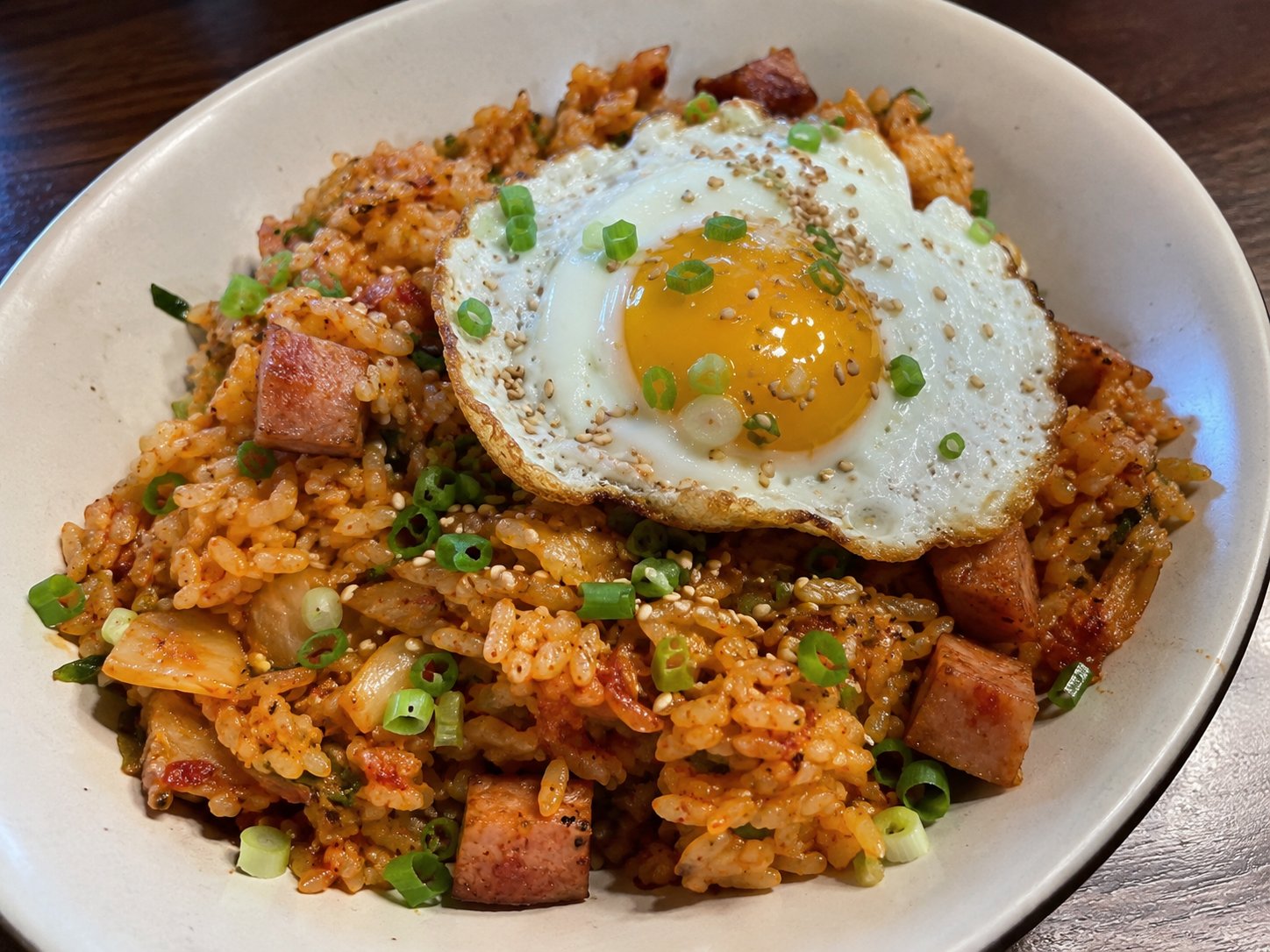

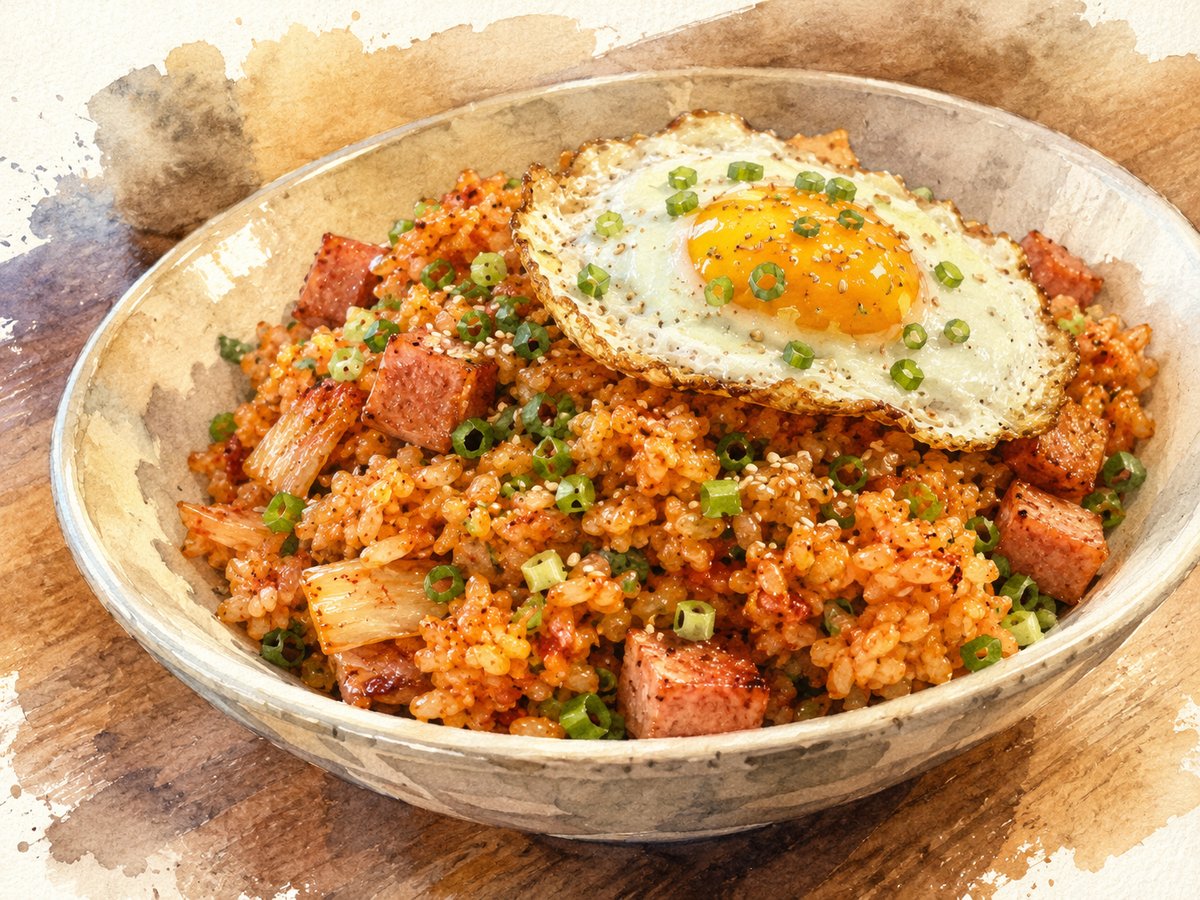
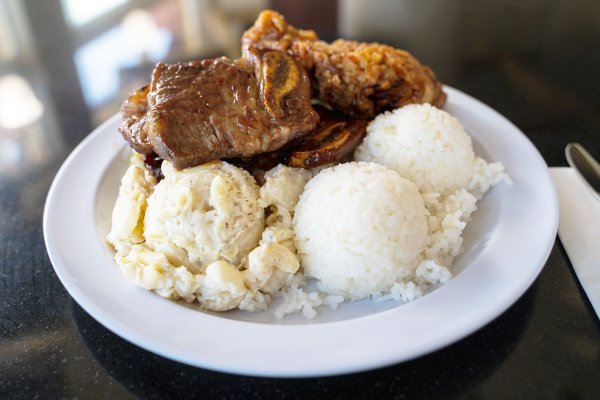
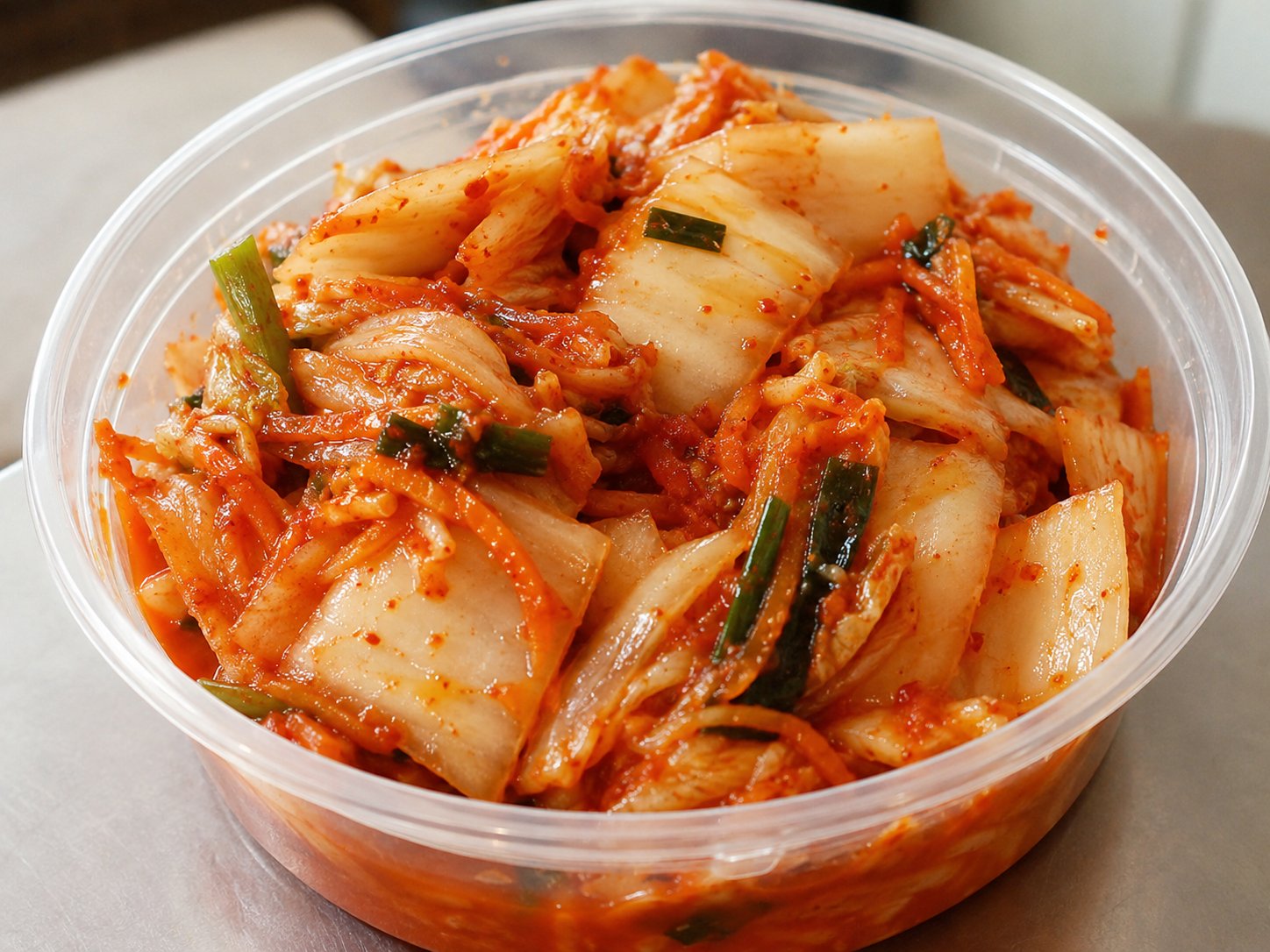
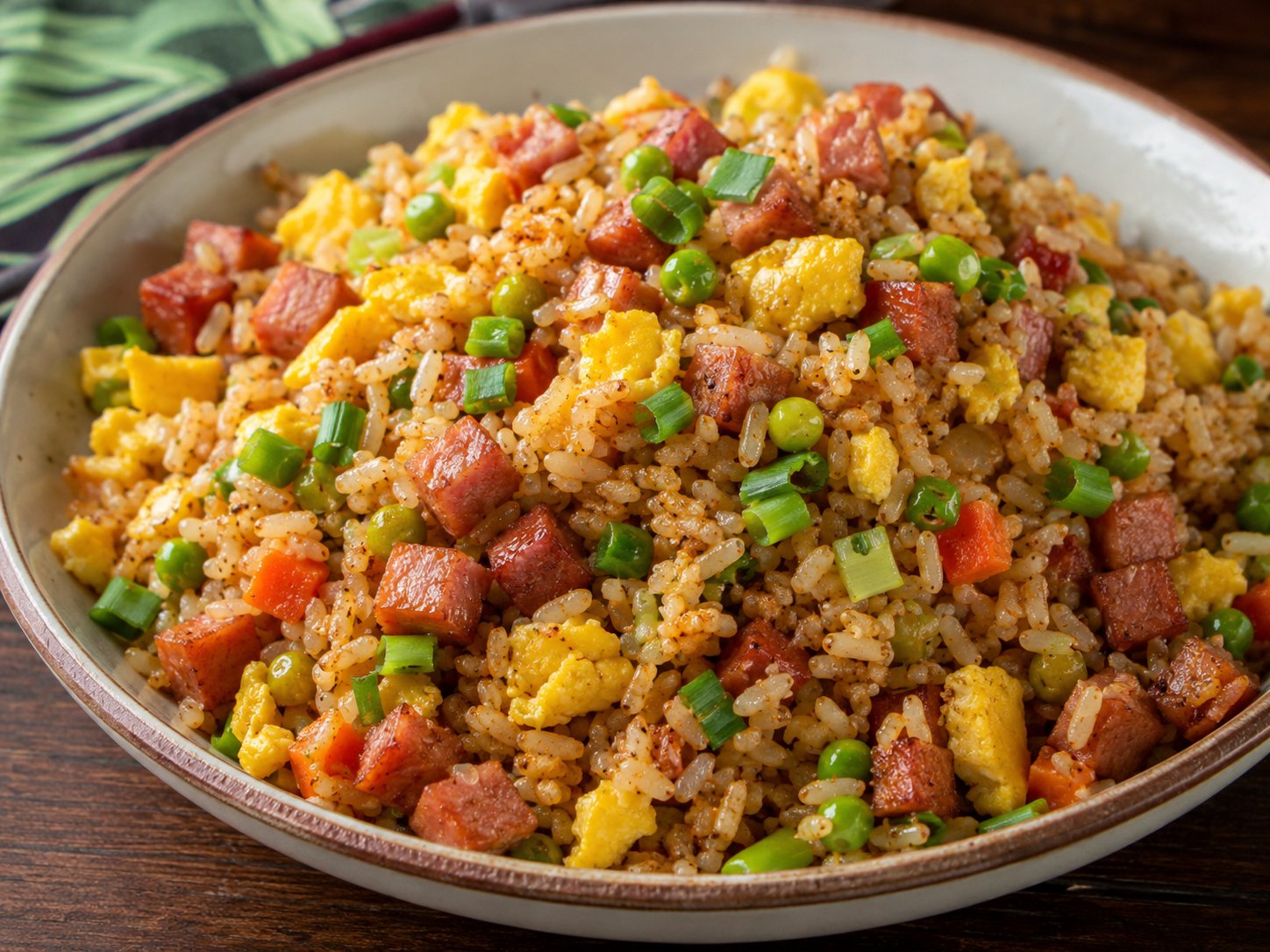
Kim chee fried rice is a Korean dish that has fully naturalized in Hawaii. The first group of Korean immigrants arrived in Honolulu in January 1903, recruited to work the sugar plantations on Oahu and the neighbor islands, and they brought a kim chee tradition with them. First cabbage, then a long list of other vegetables and seafoods, all fermented with red pepper, garlic, ginger, and salt. A few generations later, kim chee became one of the small-side staples on the local-style plate lunch alongside rice, mac salad, and meat. Kim chee fried rice is the breakfast adaptation: yesterday's rice fried hard in a hot pan with sour kim chee, a chunk of Spam or Portuguese sausage, sesame oil, and a runny fried egg landed on top.
You'll find it on the menu at a lot of Korean barbecue plate-lunch counters in Hawaii and at plenty of local diners that do breakfast. The home cook's version is faster and arguably better. What matters is the rice (day-old, fully cooled, broken into individual grains before it hits the pan), the kim chee (very sour, the kind that smells aggressive when you open the jar), and the heat (high enough that the pan stays dry and the rice browns instead of steaming).
At a glance
2 generously, or 3 as a side
10 minutes
10 minutes
Easy
Ingredients
For the fried rice
- 3 cups cooked short- or medium-grain white rice, at least 1 day old (cold from the fridge)
- 1 cup well-fermented (sour) napa cabbage kim chee, drained and roughly chopped
- 3 tablespoons kim chee juice from the jar
- 4 oz Spam or Portuguese sausage, diced small (or substitute diced bacon, char siu, or leave the meat out)
- 3 cloves garlic, finely minced
- 1 small yellow onion, diced
- 2 tablespoons neutral oil (canola, grapeseed, or vegetable)
- 2 teaspoons toasted sesame oil
- 1 to 2 teaspoons shoyu, to taste
To finish & serve
- 2 to 3 large eggs (one per serving)
- 2 tablespoons sliced green onion (green parts only)
- 1 tablespoon toasted sesame seeds
- Toasted nori sheets, cut into strips (optional)
- Extra kim chee on the side
Equipment
- 12-inch nonstick skillet or carbon-steel wok
- Small skillet for the fried eggs
- Wooden spatula or wok shovel
Method
- Break up the rice. Tip the cold cooked rice into a wide bowl. Use damp hands to crumble it into individual grains. Lumps in the pan steam instead of frying and will give you a wet, sticky result.
- Render the meat. Heat 1 tablespoon of neutral oil in the wok or skillet over medium-high heat. Add the diced Spam (or sausage, bacon, char siu) and cook until the edges are crisp and brown, about 3 minutes. Push to one side.
- Soften the aromatics. Add the remaining tablespoon of oil to the cleared side of the pan along with the onion. Cook, stirring, until the onion is translucent and starting to color, about 2 minutes. Add the garlic and stir for 30 seconds, just until fragrant.
- Cook the kim chee. Add the chopped kim chee and its juice. Stir constantly for 2 minutes. You want the raw fermented-cabbage smell to mellow and the kim chee to take on a slight char. The pan will go briefly wet, then dry out again. Wait for the dry.
- Add the rice. Crank the heat to high. Add the broken-up rice and toss everything together. Spread the rice across the surface of the pan in a thin layer and let it sit untouched for 1 minute to develop a crisp bottom. Toss, spread, sit again. Repeat once more. Three rounds of sit-and-toss is what gives you the toasty-edged grains.
- Season and taste. Drizzle in the sesame oil and shoyu. Toss to coat. Taste a spoonful and adjust. If it tastes flat, add a pinch more salt or another teaspoon of shoyu. If it tastes too salty, fold in another tablespoon of plain rice. Off the heat.
- Fry the eggs. In a small nonstick skillet over medium heat, fry the eggs sunny-side up. Whites set, yolks still runny, about 3 minutes. Salt and pepper.
- Plate. Mound the kim chee fried rice in shallow bowls. Slide a fried egg on top of each. Scatter with green onion, sesame seeds, and nori strips. Serve with extra kim chee on the side. Break the yolk over the top with the side of your spoon at the table.
Notes from a local cook
Day-old rice is non-negotiable. Fresh rice is too wet and clumps in the pan. If you have to use same-day rice, spread it on a sheet pan and chill uncovered in the fridge for an hour to dry it out. Even better: cook it the night before, refrigerate overnight, and pull it out 20 minutes before you start cooking so it loosens up.
The kim chee has to be sour. Fresh, sweet, barely-fermented kim chee will make a flat fried rice. You want a jar that has been open in the fridge for at least a week, smells aggressively funky, and tastes more sour than spicy. The juice from the jar is liquid gold. Do not pour it down the sink.
Choose your protein, or skip it. Spam is my default and the one I see most often around Honolulu. Portuguese sausage adds smoke and a touch of vinegar. Char siu pork brings sweetness. Bacon and diced ham work fine. Tofu, tempeh, or no protein at all also works. The kim chee carries enough flavor on its own to be a meal.
Variations worth knowing. Some local versions add a tablespoon of gochujang with the kim chee for more heat. Some scatter shredded cheddar over the hot rice off-heat (a Hawaii-Korean drive-in habit). Some build it into a kim chee fried rice omelet by wrapping it in a thin egg crepe instead of topping with a fried egg. All legitimate.
While You're on the Islands
Eat it made by someone else. If you want to taste a counter version before you cook your own, almost every Korean barbecue plate-lunch counter on Oahu has kim chee fried rice on the breakfast or all-day board — Yummy Korean B-B-Q is a multi-location chain that's a reliable bet. Most local Korean diners run a version on the daily menu even when it's not printed on the wall menu, so it's worth asking. For a broader guide, see our Oahu dining guide.
Buy the ingredients fresh. Day-old rice and a jar of kim chee are both easy finds at any island grocery — if you want to make your own kim chee first, work from our Hawaii-style kim chee recipe.
Bring It Home
What you can substitute, what you can't: jarred kim chee from any Korean or Asian grocery store works fine — homemade isn't required. Day-old, cold rice is the one thing that actually matters here; fresh-cooked rice turns mushy in the pan instead of frying up with separate grains.
Where to try this in Hawaii