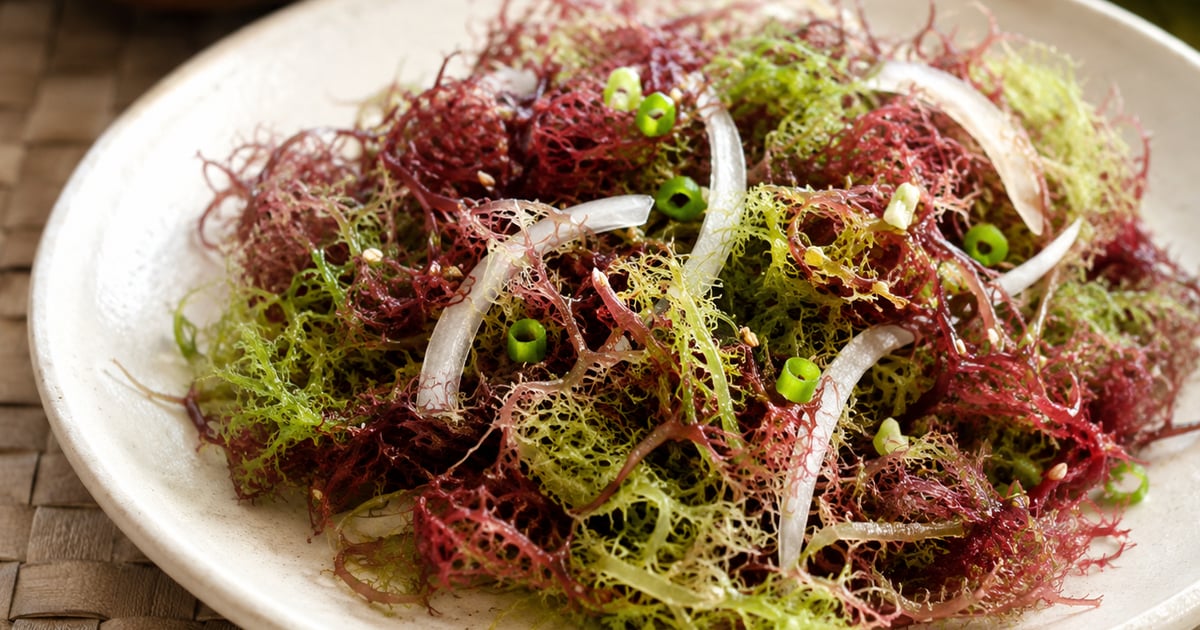

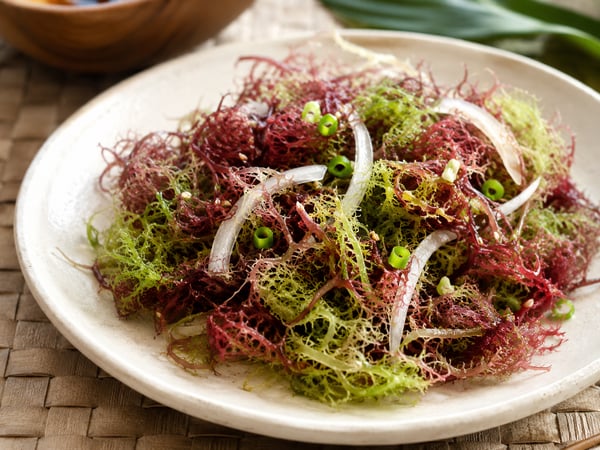
Ogo is the Japanese word for Gracilaria, a branching red seaweed that grows wild along Hawaii's reefs and is also farmed in shallow ponds across the islands (Wikipedia: Ogonori). In Hawaiian it falls under the broader term limu, the collective word for the dozens of edible seaweeds gathered along the shoreline as part of the traditional Native Hawaiian food system (Wikipedia: Limu). Ogo eats like a fresh sea vegetable, not a soft seaweed. It has a snap-crunch texture closer to a wakame salad than a nori sheet, and it's used either raw or with a quick blanch depending on the cook.
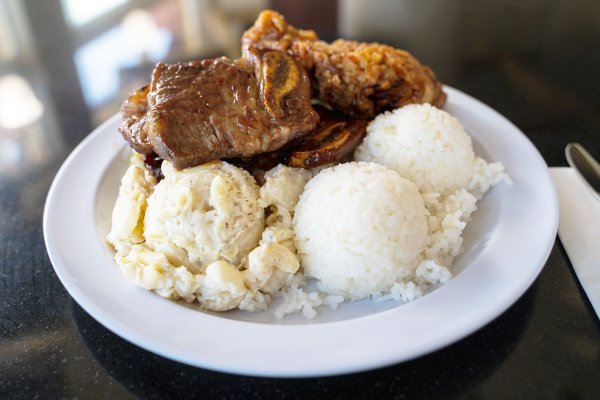
The salad version most often served on a Hawaiian plate is simple in the best way: fresh ogo briefly blanched, tossed with shoyu, sesame oil, grated ginger, and a small dice of sweet Maui onion and tomato. That is it. The dressing exists to support the seaweed, not the other way around. I blanch rather than serve fully raw because a 10-second dip brightens the color and softens the bite without sacrificing crunch, and because home-bought ogo isn't always reef-fresh. On a luau plate this sits next to the poke, kalua pig, and rice as the briny counterpoint to the rich proteins around it.
At a glance
4 to 6 as a side
15 minutes
30 minutes
Easy
Ingredients
For the salad
- 8 oz fresh ogo (about 4 packed cups), rinsed well and picked over for shell bits
- 1 medium ripe tomato, cored and diced small (about 1 cup)
- 1/2 medium sweet Maui or Vidalia onion, diced fine (about 1/2 cup)
- 1 stalk green onion, thinly sliced (whites and greens)
For the dressing
- 2 tablespoons soy sauce (Aloha Shoyu if you have it)
- 1 tablespoon toasted sesame oil
- 1 tablespoon rice vinegar
- 1 teaspoon grated fresh ginger
- 1/2 teaspoon sugar
- 1/2 teaspoon Hawaiian sea salt, plus more to taste
- 1 teaspoon toasted sesame seeds, for garnish
- 1/4 teaspoon Korean chili flakes or shichimi, optional
Equipment
- Large bowl of ice water
- Colander or large sieve
- Mixing bowl
- Whisk or small jar with lid (for the dressing)
To serve
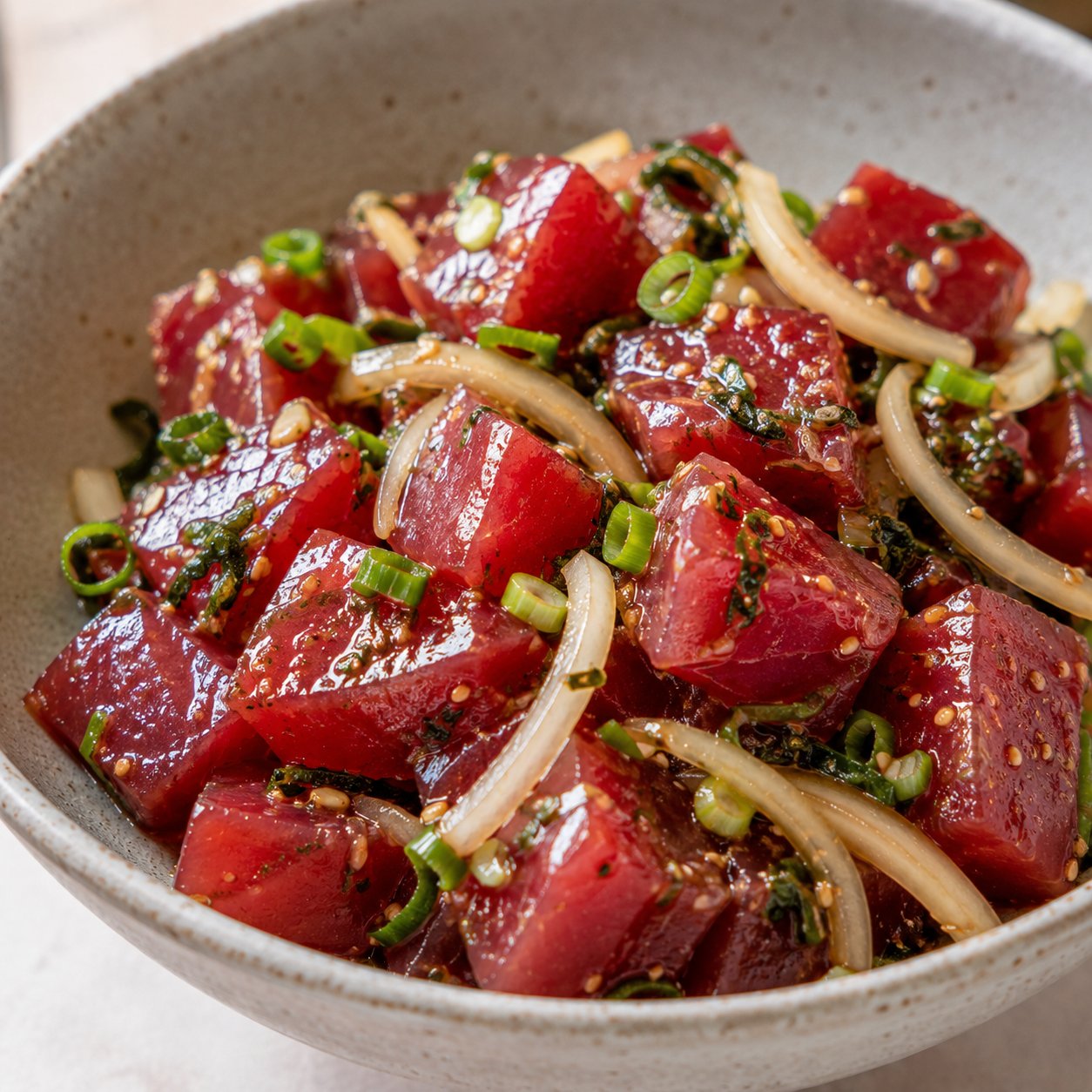
- Alongside ahi poke and steamed white rice
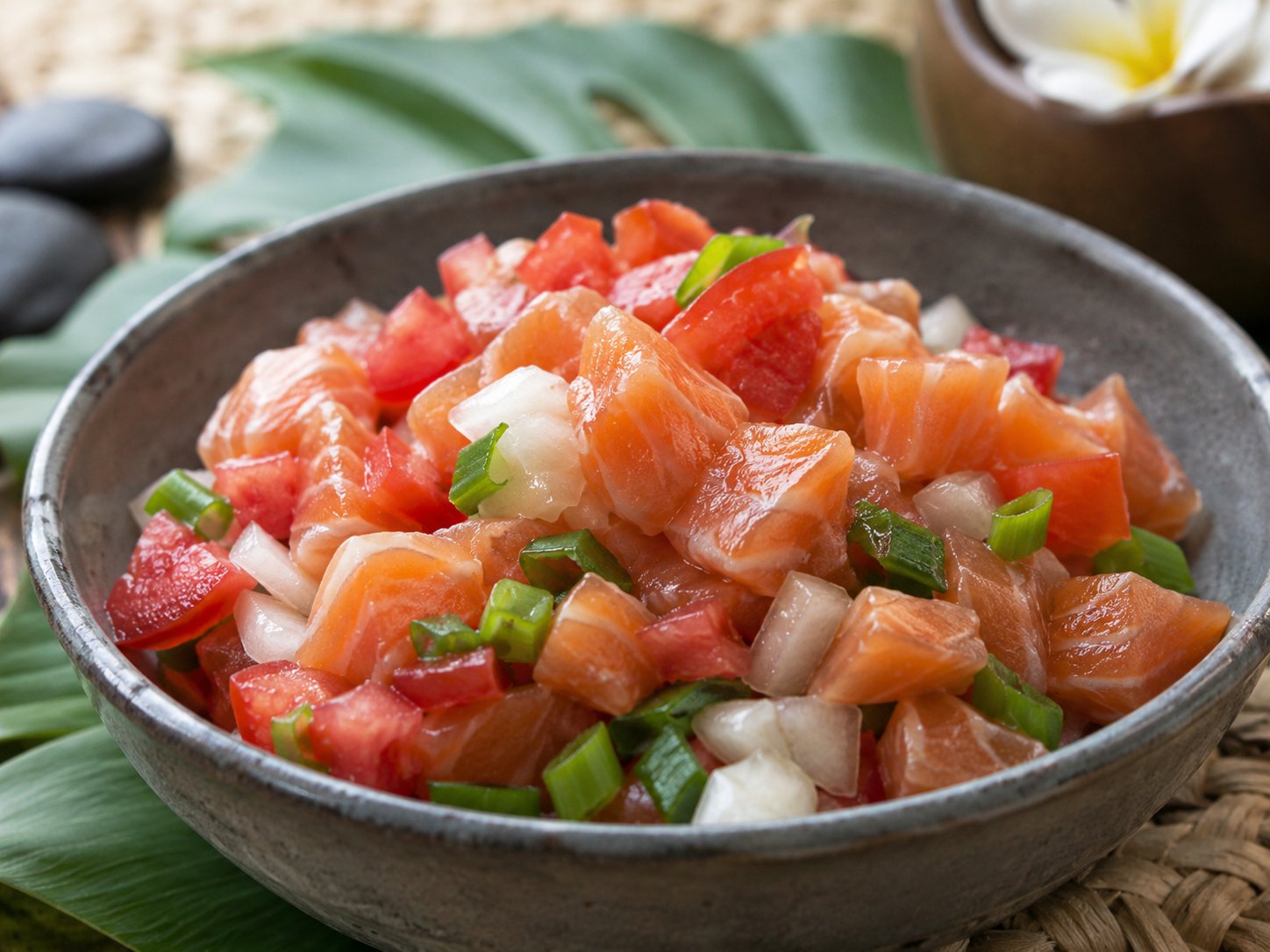
- As one component of a luau plate with kalua pig and lomi salmon
- On top of a sushi bowl or grain bowl as a fresh, briny topping
Method
- Clean the ogo. Spread the seaweed on a tray or in a colander and pick through it carefully. Fresh ogo often comes with small shells, sand grains, or bits of other seaweed mixed in. Rinse under cold running water 3 or 4 times, swishing vigorously, until the water runs clear and you can taste a clean leaf without grit.
- Blanch briefly. Bring a small pot of water to a boil. Dunk the ogo in for 8 to 10 seconds — long enough to brighten the color from deep red-brown to vivid green, but no longer. The texture should still snap when you bite a strand. Immediately transfer to the ice bath.
- Drain and chop. Drain the ogo thoroughly in a colander, pressing gently to release excess water. Pat dry with a clean towel. Rough-chop into 1-inch lengths so it eats easily with chopsticks or a fork.
- Make the dressing. Whisk the soy sauce, sesame oil, rice vinegar, grated ginger, sugar, and salt in a small bowl until the sugar dissolves. Or shake everything together in a small jar.
- Combine. In a mixing bowl, toss the ogo with the diced tomato, sweet onion, and green onion. Pour the dressing over and toss to coat. Taste and adjust salt. The salt level depends a lot on how rinsed the seaweed was.
- Chill before serving. Cover and refrigerate at least 30 minutes. The flavors marry and the seaweed picks up the dressing. Just before serving, sprinkle with sesame seeds and the optional chili flakes.
Notes from a local cook
Fresh ogo, not dried. The salad depends on the snap of fresh seaweed. Dried ogo (sometimes labeled "ogo-nori" or "long-form Gracilaria") works in soups and stir-fries but goes leathery in a cold salad. If fresh is genuinely unavailable, dried wakame (rehydrated according to the package) is a closer substitute than dried ogo. Same family of textures, more available on the mainland.
Rinse, rinse, rinse. Even ogo sold "cleaned" at the fish counter often has microscopic grit between the branches. The number-one quality fix between a great ogo salad and a mediocre one is rinsing thoroughly. Three full water changes is the floor. Anything that crunches between your teeth and is not seaweed is sand. Keep rinsing.
Blanch only briefly. The 8-to-10-second blanch is the difference between fresh-tasting ogo and slimy ogo. Over-blanched seaweed loses its crunch and turns gummy. If you are nervous, blanch a single test strand first. It should still feel firm when you bite into it after the ice bath.
Sweet Maui onion makes a real difference. The mild, almost-fruity sweetness of a true Maui onion balances the briny seaweed and the salty shoyu in a way that yellow or red onion does not. Vidalia or Walla Walla are honest substitutes. Regular yellow onion is too sharp. Soak diced yellow onion in cold water for 10 minutes if it is all you have, to mellow the bite.
While You're on the Islands
Eat it made by someone else. If you're on Oahu, the deli case at most neighborhood Foodland stores stocks a fresh ogo limu salad alongside the poke counter. The Foodland version is a reliable baseline and a good way to taste the dish if you're buying ingredients for the first time. Helena's Hawaiian Food in Kalihi serves a more traditional limu side as part of the Hawaiian plate; the specific limu can vary by what's coming in fresh, sometimes ogo and sometimes other native varieties. Highway Inn also keeps a seaweed salad on the side menu, which runs as an ogo-style preparation.
Buy the ingredients fresh. The same Foodland fish counters that sell finished ogo salad also sell fresh raw ogo by the pound if you want to make it yourself in a vacation rental — ask at the seafood counter. Maui sweet onions are easiest to find by name at a farmers market or any Foodland on Maui.
Bring It Home
What you can substitute, what you can't: fresh ogo genuinely doesn't travel well, so don't try to pack it home — this is a make-it-while-you're-there dish, not a bring-it-home one. Once you're back on the mainland, dried wakame (rehydrated per the package) is a closer substitute than dried ogo, which goes leathery in a cold salad. A Vidalia or Walla Walla onion stands in fine for Maui sweet onion.
For sourcing fresh ogo for home cooking on the mainland, Asian grocery chains are the most reliable bet. Mitsuwa, H Mart, and 99 Ranch all carry fresh seaweed at locations with strong demand. Stock varies by store and day, so call ahead. Whole Foods seafood departments occasionally carry it in West Coast cities with large Asian-American populations, but it isn't something to count on. See our full guides to Oahu dining and Hawaiian luaus.
Where to try this in Hawaii