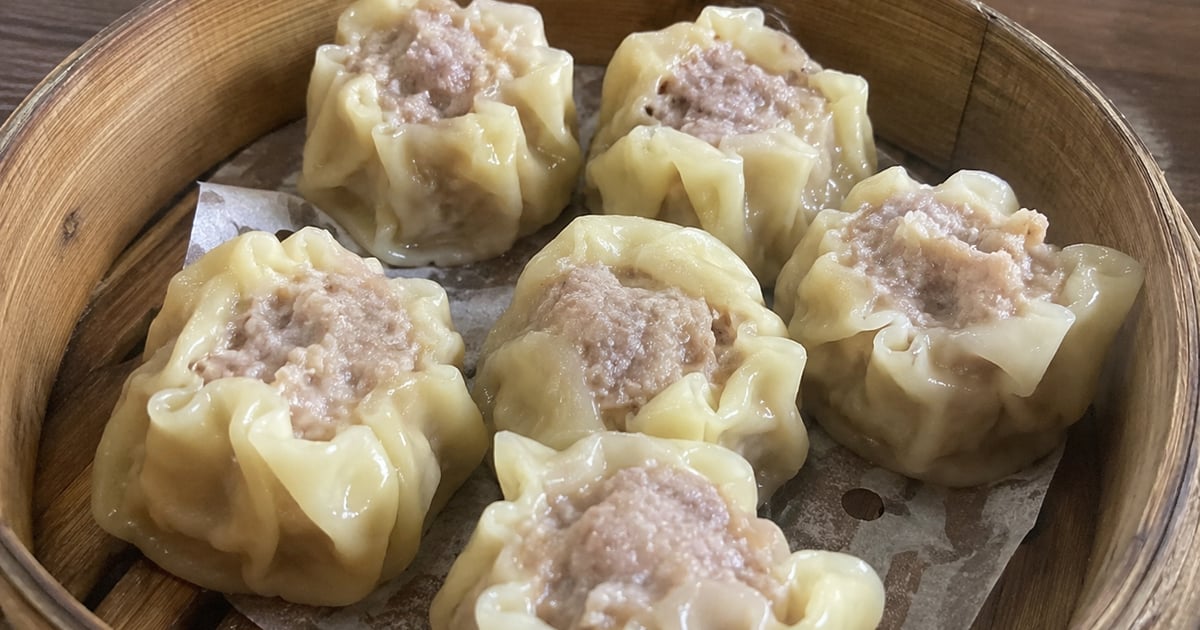

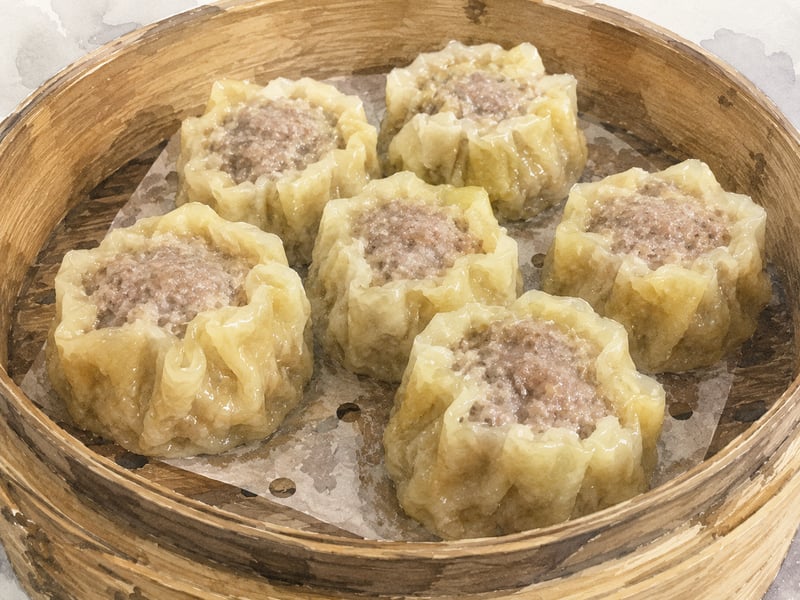
Pork hash is what Hawaii calls Chinese siu mai. Open-topped pork dumplings, grabbed by the dozen at a manapua shop. The wrapper is a thin yellow won ton skin. The filling is seasoned ground pork, usually with water chestnuts or dried shrimp for crunch. You steam them until the pork firms up and the wrapper goes translucent, then eat them hot with a dip of shoyu or hot mustard. Ideally standing at the takeout counter while the rest of your order finishes up.
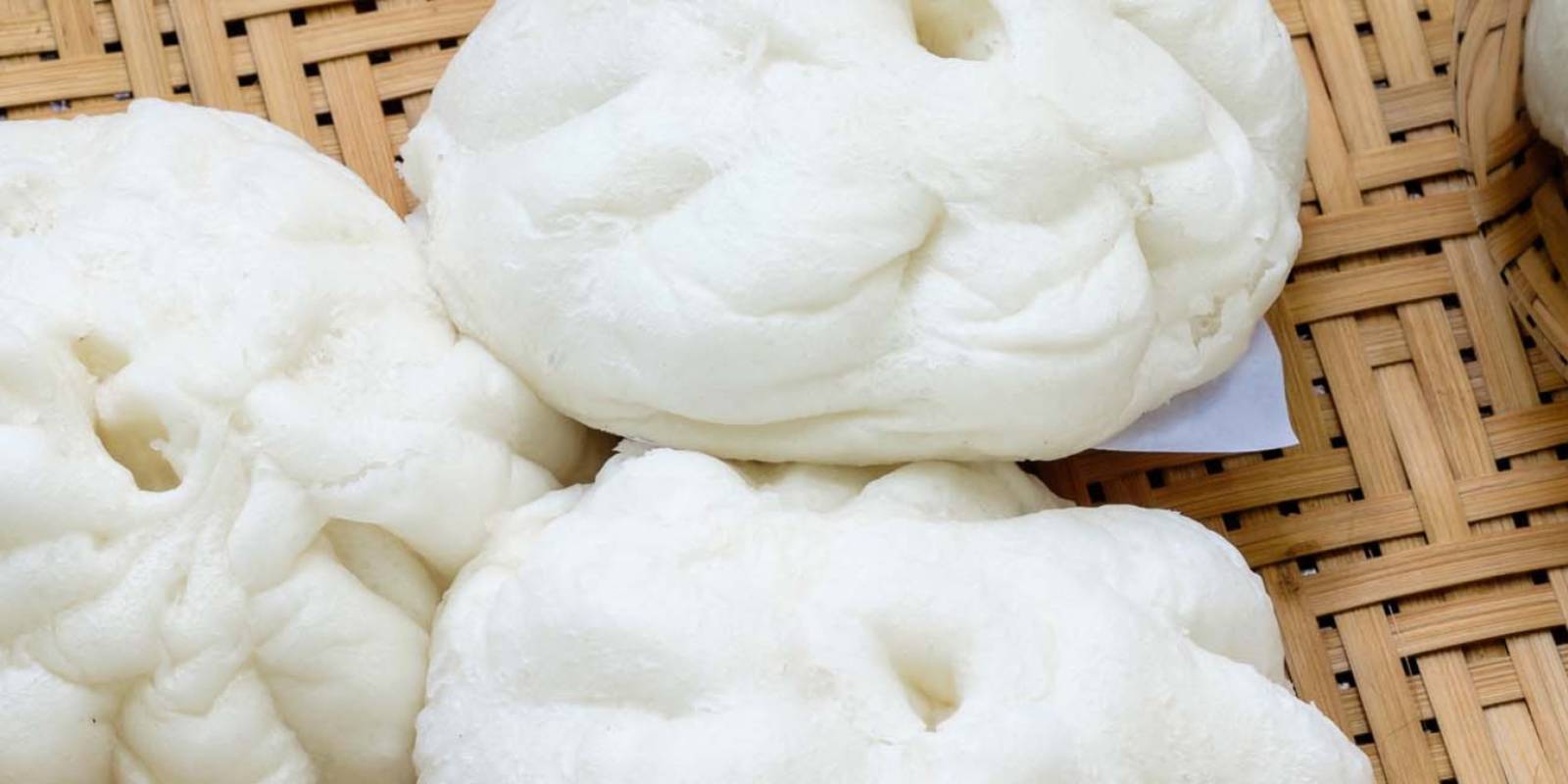
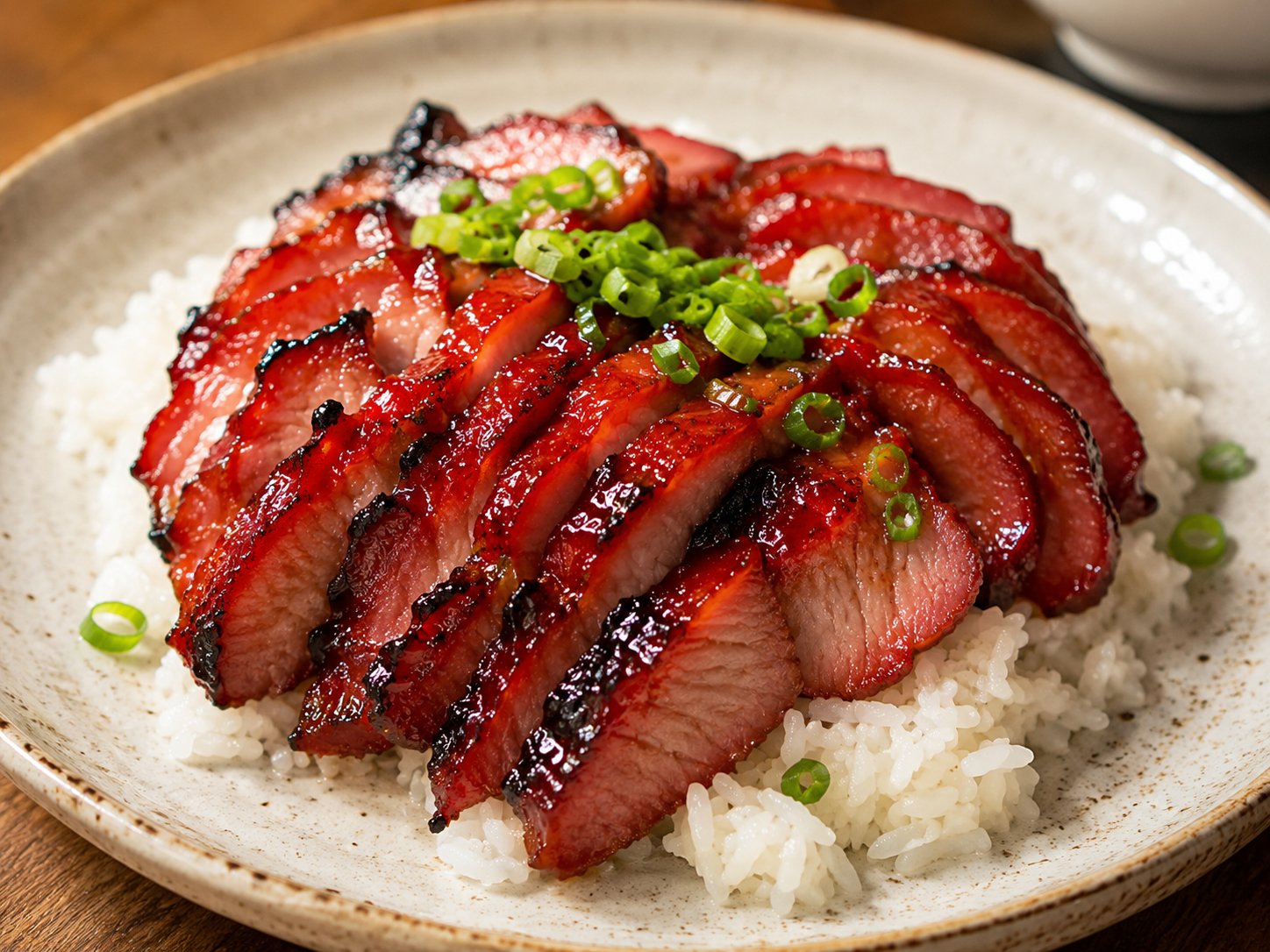
The dish came over with the Chinese laborers who started arriving in the mid-1800s to work the sugar plantations, bringing dim sum traditions with them. Pork hash and manapua (the steamed char siu bao) sit together on every old-school Chinese-Hawaiian takeout counter. Walk into a shop on King Street and you can order them by the dozen for a beach picnic. Royal Kitchen and Sing Cheong Yuan, both in Honolulu's Chinatown, are the two I still send people to. Char Hung Sut on Pauahi Street closed in 2020 after decades on the corner, and the neighborhood still hasnʻt replaced it.
At a glance
About 36 dumplings
30 minutes
10 minutes steaming
Easy
Ingredients
For the filling
- 1 lb ground pork (80/20 fat ratio; do not use lean)
- 4 dried shiitake mushrooms, soaked in hot water 20 minutes and finely chopped
- 1/4 cup water chestnuts, finely chopped
- 2 stalks green onion, finely chopped (both white and green parts)
- 2 tablespoons shoyu (soy sauce)
- 1 tablespoon oyster sauce
- 1 tablespoon Shaoxing wine or dry sherry
- 1 teaspoon toasted sesame oil
- 1 teaspoon sugar
- 1 teaspoon grated fresh ginger
- 1/2 teaspoon white pepper
- 1 large egg white
- 1 tablespoon cornstarch
For the wrappers
- 1 package (about 50 sheets) round or square won ton wrappers
- Small bowl of water for sealing
Equipment
- Bamboo steamer or metal steamer insert with parchment liner
- Wok or wide pot to hold the steamer
- Mixing bowl and wooden spoon
To serve
- Shoyu and Chinese hot mustard for dipping
- Chili pepper water on the side (optional)
- A side of manapua and the rest of a Honolulu takeout order
Method
- Mix the filling. Combine the ground pork, soaked mushrooms, water chestnuts, green onion, shoyu, oyster sauce, Shaoxing wine, sesame oil, sugar, ginger, white pepper, egg white, and cornstarch in a large bowl. Stir vigorously in one direction with a wooden spoon for 3 to 4 minutes, until the mixture turns sticky and slightly pasty. The mixing builds the protein structure that holds the dumpling together when steamed. Skip it and the bites fall apart.
- Rest. Cover and refrigerate the filling for 20 to 30 minutes. This firms the fat and makes the dumplings easier to shape.
- Shape the dumplings. If your wrappers are square, trim them into rough circles with a knife or use a glass to cut a circle. Place a wrapper in your palm. Spoon about 1 tablespoon of filling into the center. Gather the wrapper up around the filling and gently squeeze the sides so the wrapper hugs the pork. Leave the top open and exposed. Tap the bottom flat on the counter so it stands upright.
- Set up the steamer. Line the steamer with parchment paper poked with a few holes, or with cabbage leaves. Arrange the dumplings about 1/2 inch apart, since they expand slightly. Bring 2 inches of water to a hard boil in the wok beneath the steamer.
- Steam. Set the steamer over the boiling water, cover, and steam for 8 to 10 minutes. The pork should reach 160F internal temperature and the wrappers should be translucent and tender.
- Serve hot. Lift the dumplings off with a small spatula or chopsticks. Serve immediately with shoyu, hot mustard, or a small pour of chili pepper water on the side.
Notes from a local cook
Stir in one direction. Clockwise, counter-clockwise, pick one and stick with it. It aligns the porkʻs protein strands so the filling binds. The texture youʻre after is bouncy and cohesive, not crumbly.
The fat is the flavor. Lean ground pork makes a dry, sad pork hash. Ask the butcher for 80/20 or grind your own from pork shoulder. If you can find pork belly cubes and pulse them in the food processor, even better. Thatʻs what the old-school shops use.
Make a big batch and freeze. Shaped uncooked dumplings freeze beautifully on a parchment-lined tray. Transfer to a bag once solid. Steam from frozen, adding 4 to 5 extra minutes. A weekend afternoon of shaping yields a month of after-school snacks.
The shrimp variation. Many shops mix in 1/4 cup of finely chopped raw shrimp with the pork. It adds a sweet brininess and a pinker color. Substitute for some of the pork if you want the dim-sum-house version.
While You're on the Islands
Eat it made by someone else. In Honolulu, Royal Kitchen in Chinatownʻs Chinese Cultural Plaza has been the long-running benchmark for local-style manapua and pork hash since the 1970s — their pork hash sells in batches of 5, 10, or 25, and the line moves fast. Sing Cheong Yuan Bakery, also in Chinatown on Maunakea Street, has been a local staple for generations. See our full guides to Oahu dining and Big Island dining.
Buy the ingredients fresh. Chinatown's market stalls sell ground pork, dried shiitake, and Chinese sausage in one stop — easier than tracking down each piece separately if you want to cook this in a vacation rental.
Bring It Home
What you can substitute, what you can't: dried shiitake, oyster sauce, and sesame oil are all stocked at any mainland Asian grocery store, so nothing here needs special sourcing — just look in the same aisle once you're home.