
I have taken better Hawaii photographs than some of the ones on this page. Sharper ones. Cleaner ones. Photos with better light, better composition, and fewer things I would fix if I could go back with the camera I own now.
But those are not always the photographs that stay with me.
The Hawaii photos that matter most to me are usually carrying something outside the frame. A few quiet minutes before a beach filled up. A valley that cleared just long enough. A helicopter that accidentally revealed the scale of a cliff. A trail I would not walk the same way again. A place I was lucky to see before the relationship between visitors and that place changed.
That is the strange thing about photography in Hawaii. The picture can look like a destination, but the memory is almost never only about the destination. It is about who was there, what changed, what I did not understand yet, and what the islands let me see for a moment.
We may earn a commission when you book or buy through links on this page.
The beach before anyone else got there
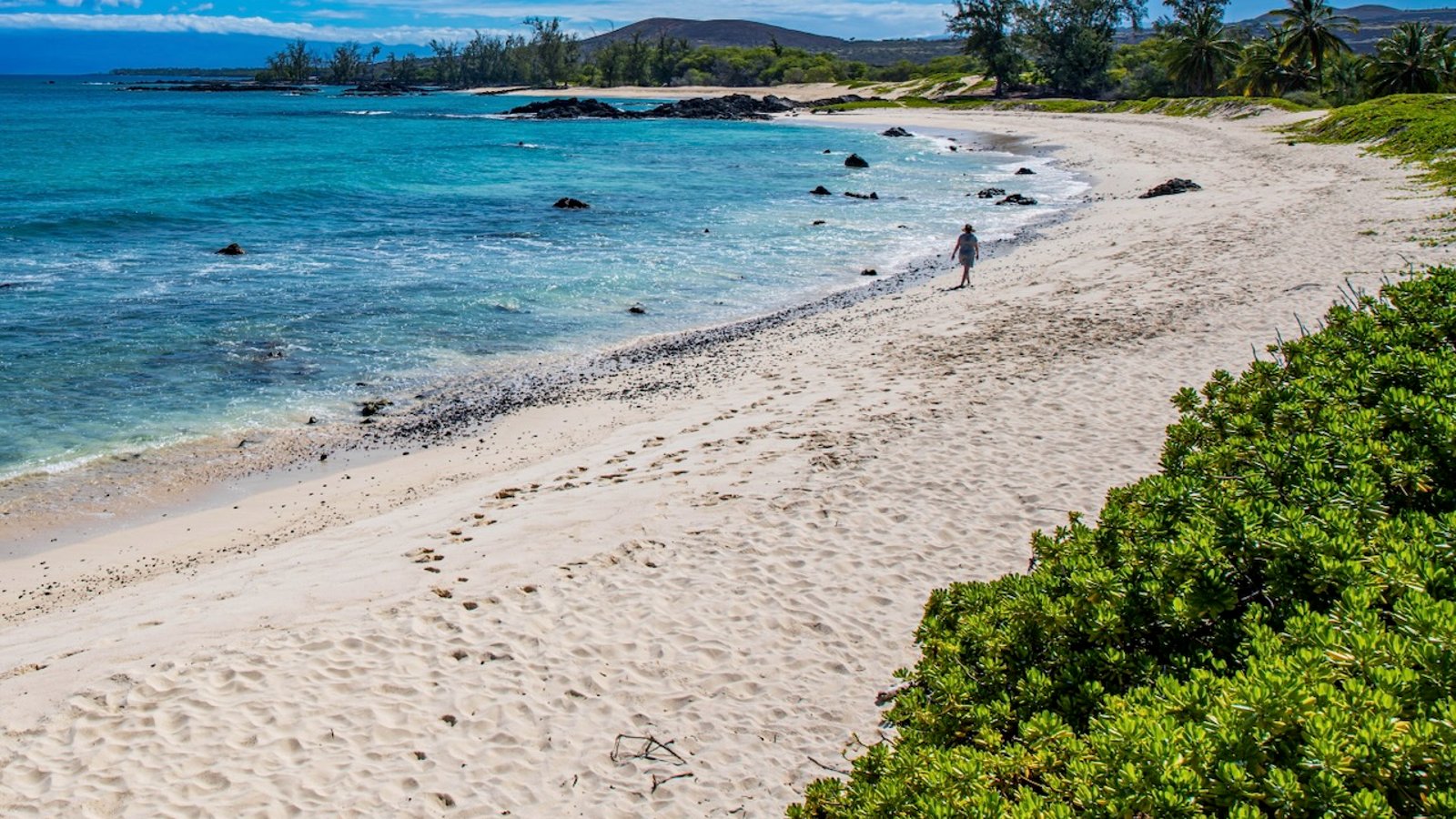
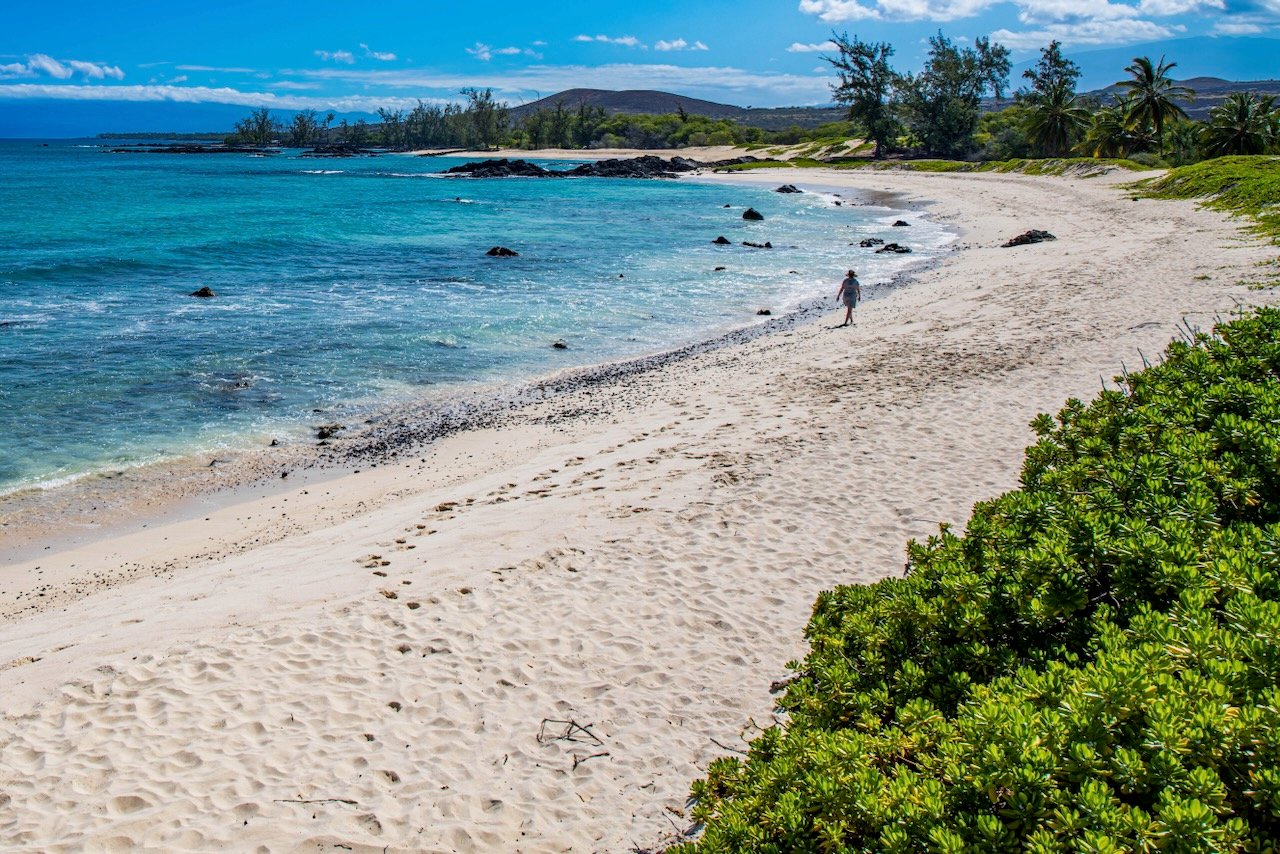
Victoria and I drove down the rough road into Kekaha Kai State Park one morning and hiked out to Makalawena. Anyone who has bounced a rental car down that road knows it is not a casual driveway. We parked, walked in, came over the dunes, and somehow we were the first ones there.
I still remember being surprised by that. Makalawena is not exactly unknown. But for a few minutes, it felt like the whole white curve of the beach was holding its breath. I stopped up on the sand dunes and had Tori walk out across the sand. That is the photograph.
Ten minutes later, there must have been thirty people on the beach.
That does not make the later version worse. People have every right to love a beautiful beach. But this picture matters because it caught the version that existed for only a small opening in the morning: before footprints, before voices, before the day became shared.
The root that became a bench
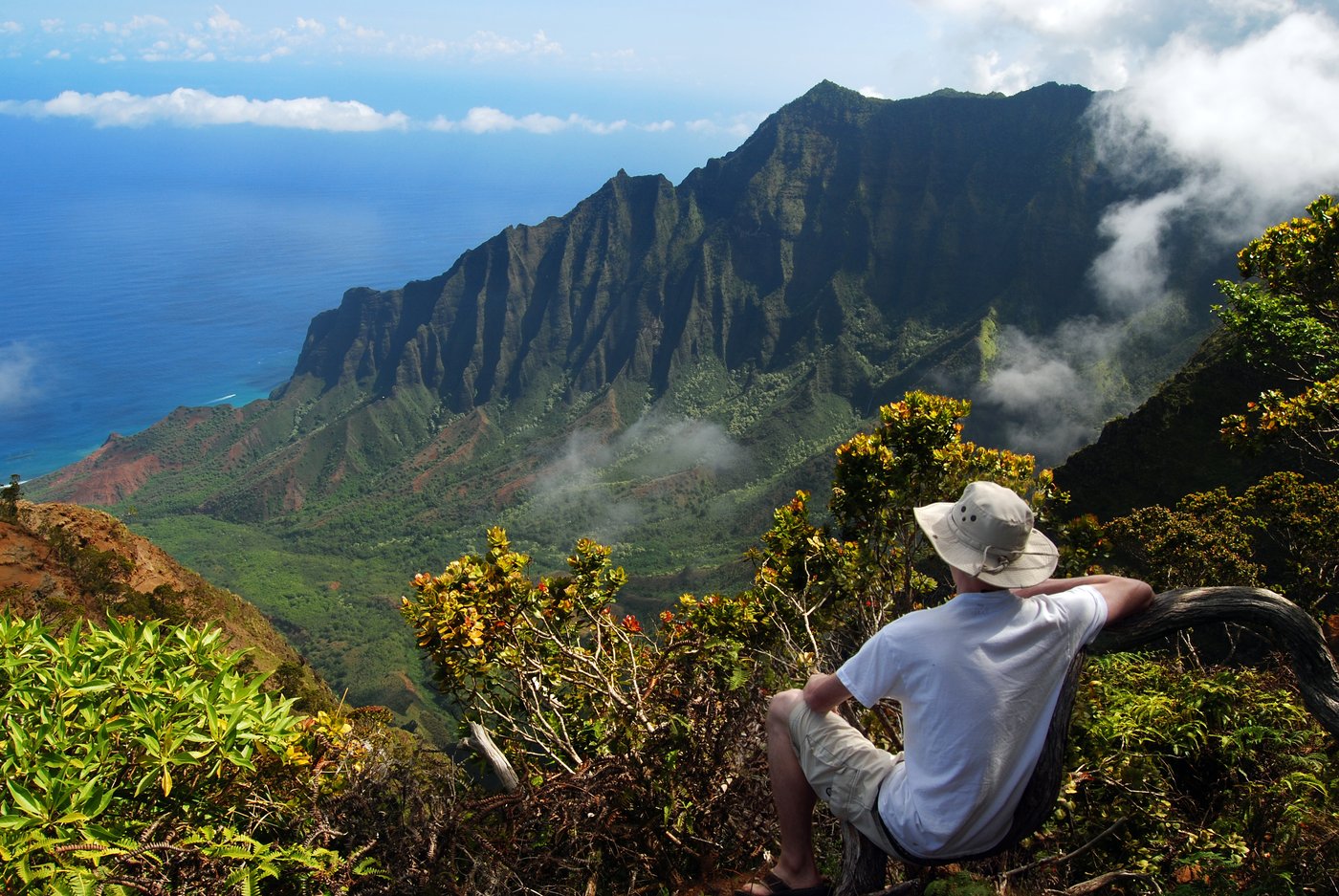
I took this in 2008, before Tori and I ever went to Hawaii together. I had stumbled across a trail I had not found before, moving through ferns and growth near Kalalau Valley, and found this exposed piece of root sticking out from the slope.
It looked like a natural bench, so I sat there for a while.
I had carried my tripod down with me, which was lucky because this is not the kind of picture you get by handing the camera to a stranger and hoping. I waited for the valley to clear. Kalalau can disappear into cloud and reveal itself again as if it is making a decision about you. Eventually the view opened, and I was able to make the frame.
It is not just a photo of me above a valley. It is a photo of waiting long enough for a place to show itself.
The helicopter I did not plan
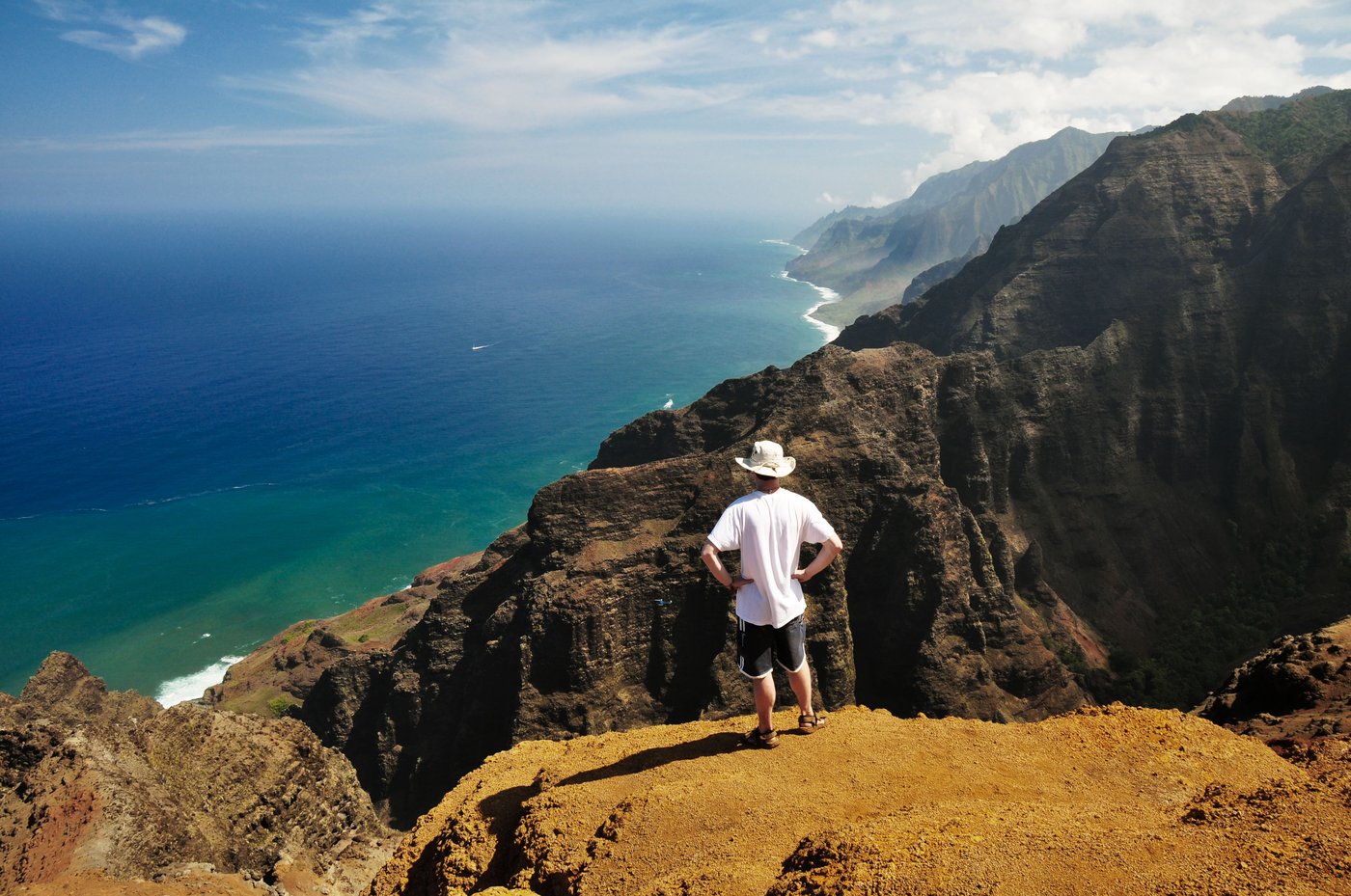
This is one of my favorites from 2009, when Tori and I first hiked the Nualolo to Awaʻawapuhi loop together.
I set up the tripod, hit the 10-second timer, and had to scramble down into position. I do not know why I did not simply ask Tori to take the picture. I remember the setup, the timer, and the quick little rush to get where I needed to be before the shutter fired.
Then the best part of the photograph happened without my permission.
Just below my left arm, down in the valley, there is a blue helicopter. It is tiny. Perfectly frozen. Without it, the picture is still beautiful, but with it, the valley suddenly has scale. Your mind can measure the walls. You understand that the cliffs are not just dramatic in a postcard way. They are massive.
Sometimes the thing that makes a photograph work is the thing you could never have arranged.
The places that change after you see them
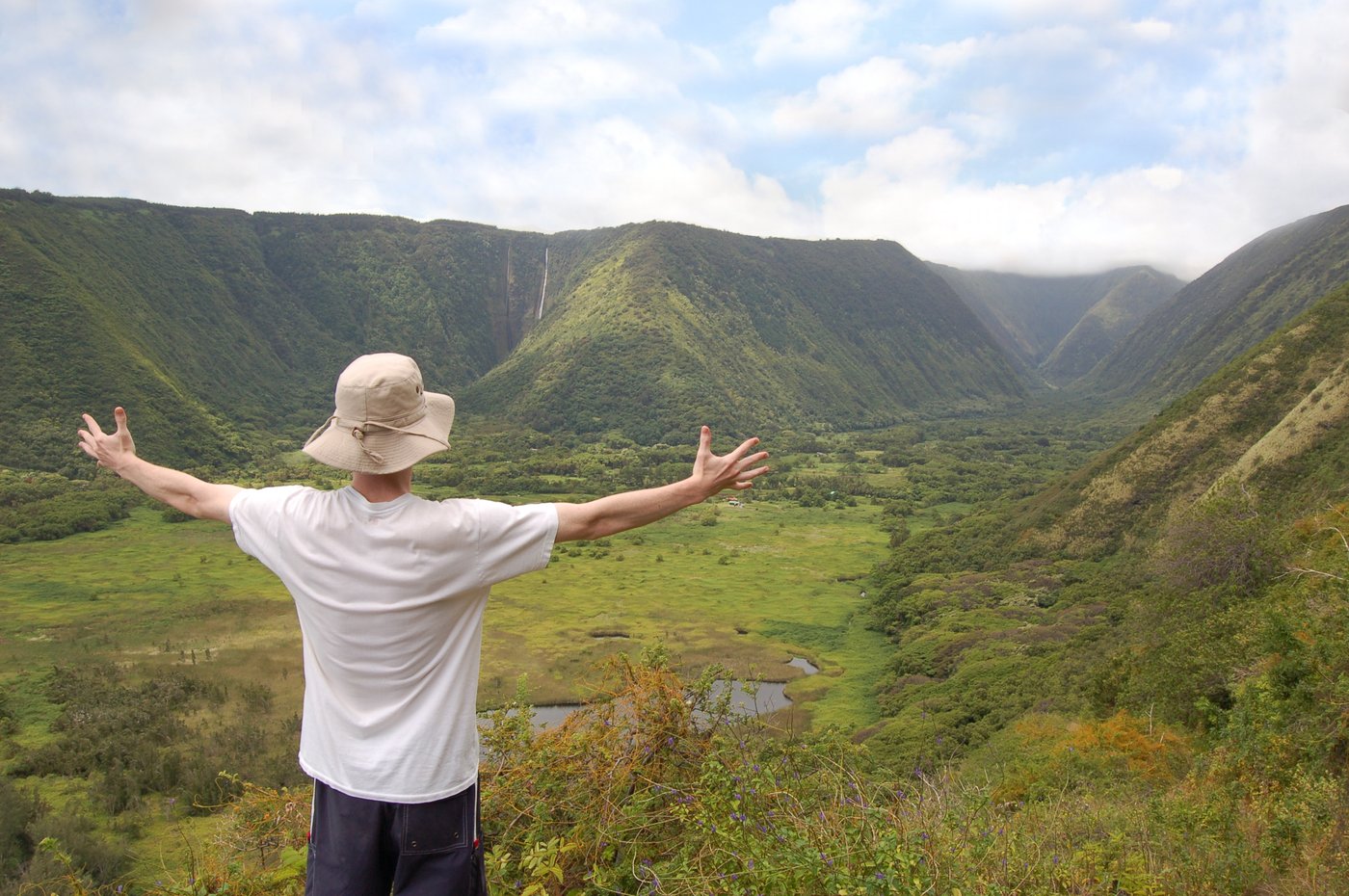
This one is from 2006, from the Z Trail on the opposing wall of Waipiʻo Valley, the place many people know as the Valley of the Kings.
I included it on this list partly because the view is iconic. But that is not the only reason it matters to me now. It matters because it reminds me that Hawaii changes. Access changes. Conditions change. The way we talk about a place changes. The way visitors should relate to a place changes.
A lot of the Hawaii I first saw in 2002 is not the same anymore. Some of that change is natural. Some of it comes from pressure. Some of it comes from people deciding, for good reasons, that a place needs more respect, more protection, or a different boundary.
That is one reason photographs can become heavier over time. At first they say, I was there. Later, they may say, I was there when it was possible to be there that way.
I do not read that as permission to chase every access window before it closes. I read it as a reminder to be awake when you are in a place, because the version in front of you is never guaranteed to wait.
The person who walked into the frame
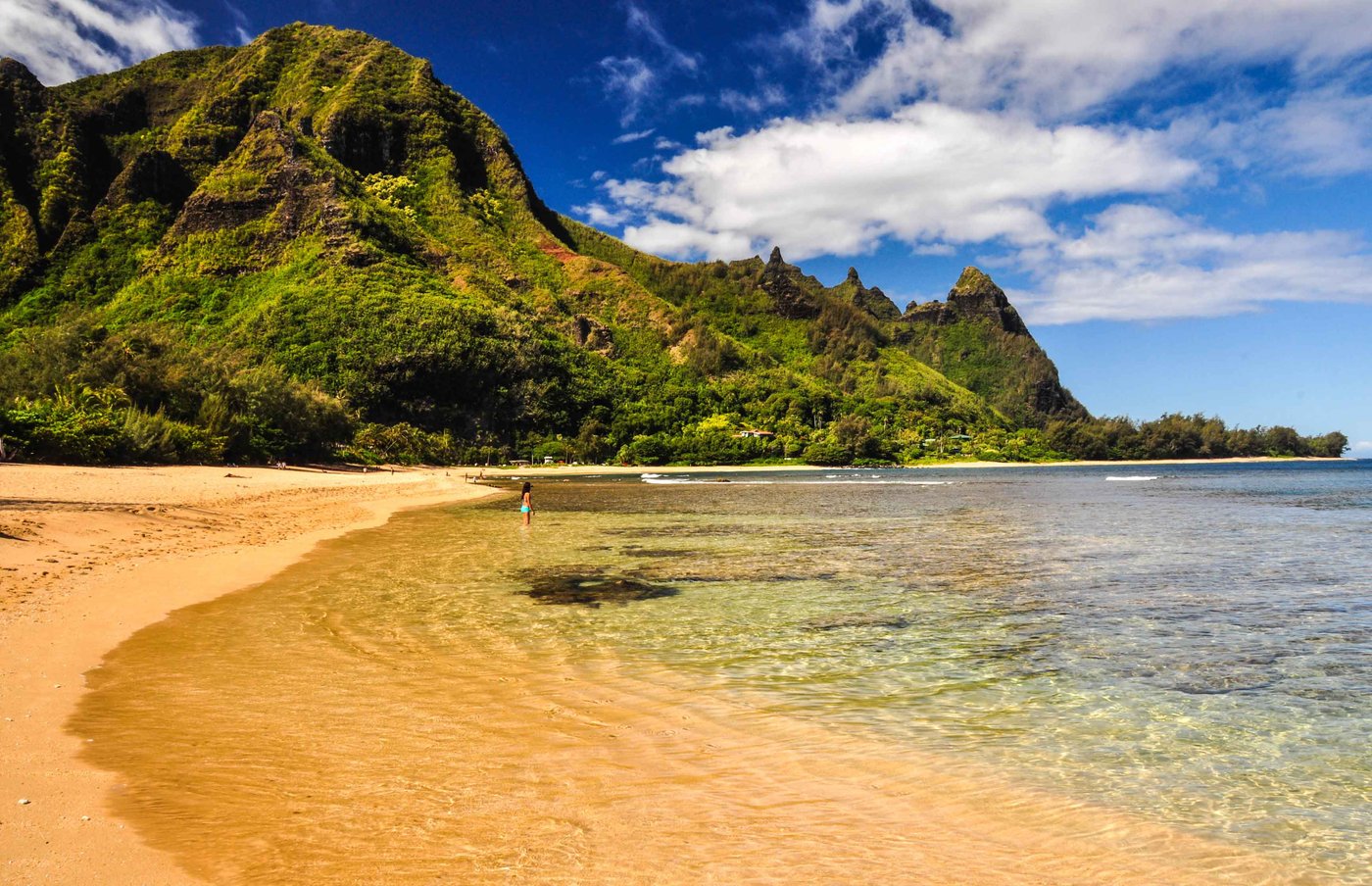
This was 2011. Tori and I had parked at Hāʻena Beach Park and walked right, out toward the Makua and Tunnels view. I remember reaching a point where I could turn around and see the ridgeline behind the beach.
Then a woman waded into the water.
That is all that happened, really. There was no elaborate setup, no technical breakthrough, no careful previsualized composition. I saw the ridge, the water, the person, and the moment came together.
The image is not perfect by any means. But it became iconic for me because it has the feeling I associate with that stretch of Kauai's North Shore: people made small by green mountains, water that seems too clear to be real, and a scene that only works because nobody in it is trying too hard.
The place that felt different
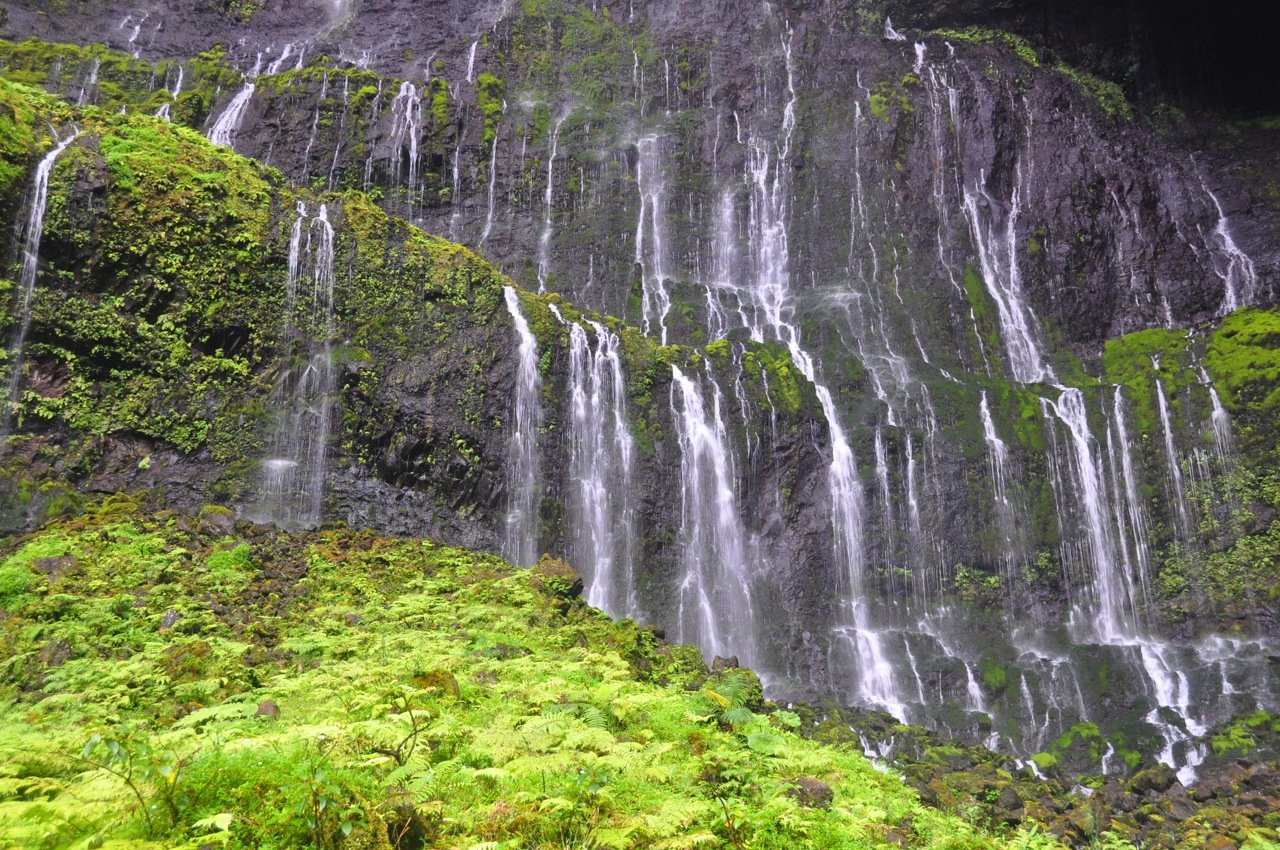
In 2012, I hiked in and saw the back wall of Waiʻaleʻale. Seeing the headwaters was deeply impressive in a way ordinary travel language can't hold.
You could feel the mana back there.
I do not say that lightly. I have been moved by plenty of Hawaii places. I have stood at overlooks, on beaches, beside lava, in rainforests, and above valleys that changed the direction of my life. But this felt different. It had a presence to it that I had never experienced before and probably never will again.
This is one of my favorite photos from that day, not because it fully explains the place. It does not. No photograph could. It matters because it is one small piece of evidence that I was there, in a place that felt older and stronger than my ability to describe it.
The first lava I saw
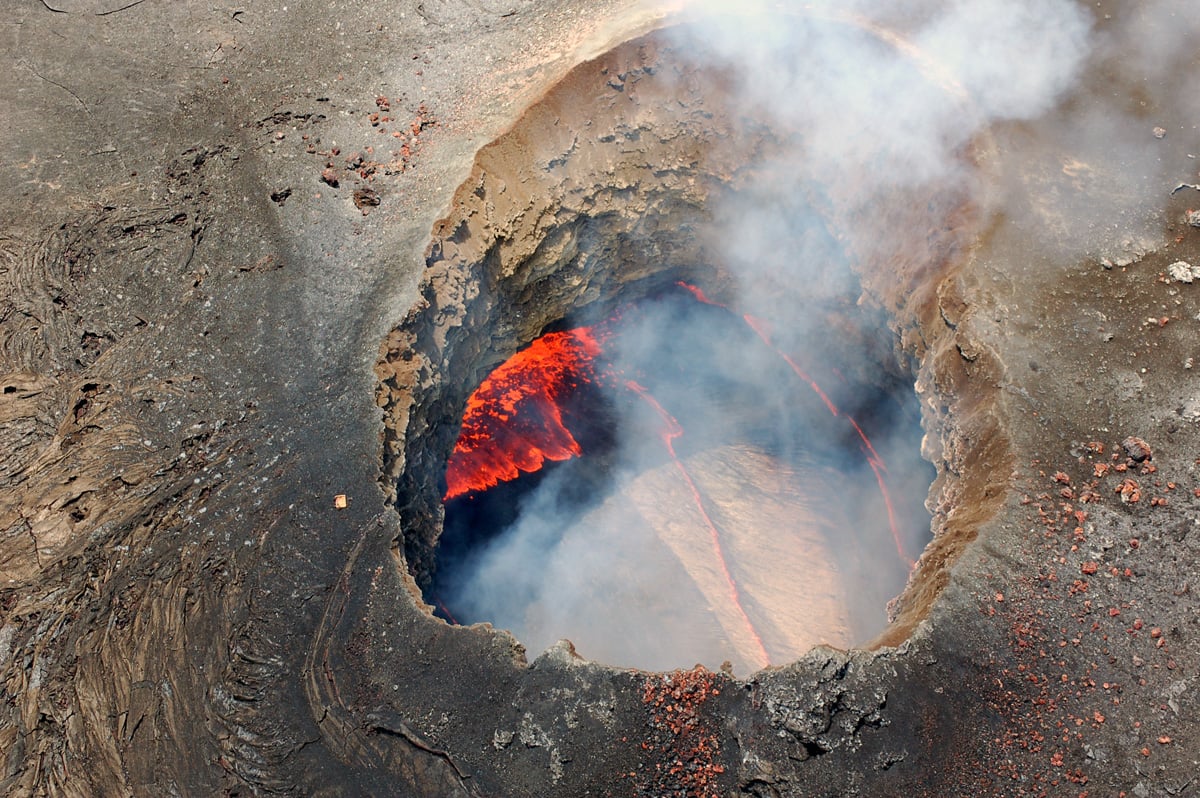
This is from 2006, when I flew over Puʻu ʻŌʻō, which was then the active vent of Kīlauea. It was the first time I actually got to see lava in the volcano.
That made it special immediately.
It is not my best composed shot. I was in a moving helicopter with no doors on it, and I was probably a little more concerned about staying in the helicopter than I was about making a perfect photograph. That seems reasonable to me now.
But I was happy to grab it. I still am. The imperfection belongs to the memory. The frame feels like what the moment was: loud, moving, exposed, and a little unreal.
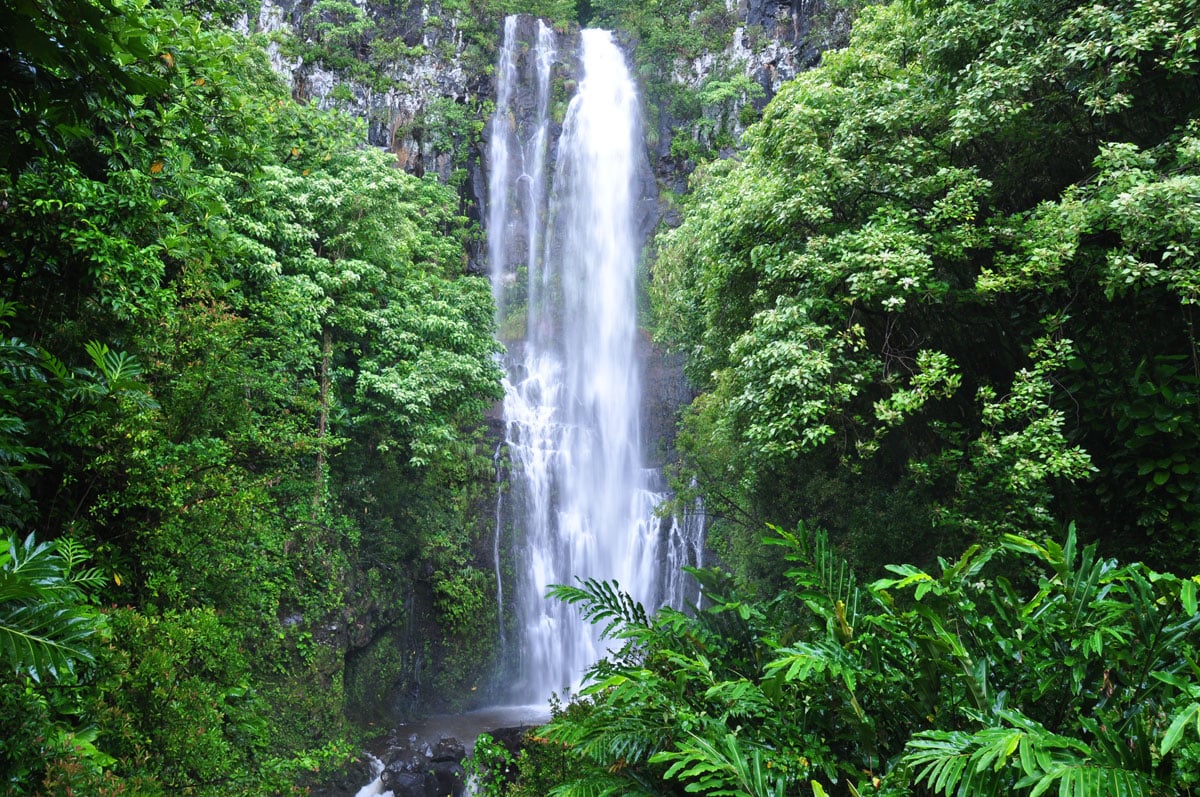
My favorite waterfall
I took this with a Nikon in 2011. Almost all of my Hawaii photos from that period were taken that way.
This is Wailua Falls beyond Hana, on Maui's east coast, and it is by far my favorite waterfall in all of Hawaii.
I do not have a complicated story for this one. Sometimes the reason a photograph matters is simpler than that. I can look at this picture and immediately remember the damp air, the green around the falls, the way the water drops into the scene without needing to announce itself.
It is a favorite because the place is a favorite. That is enough.
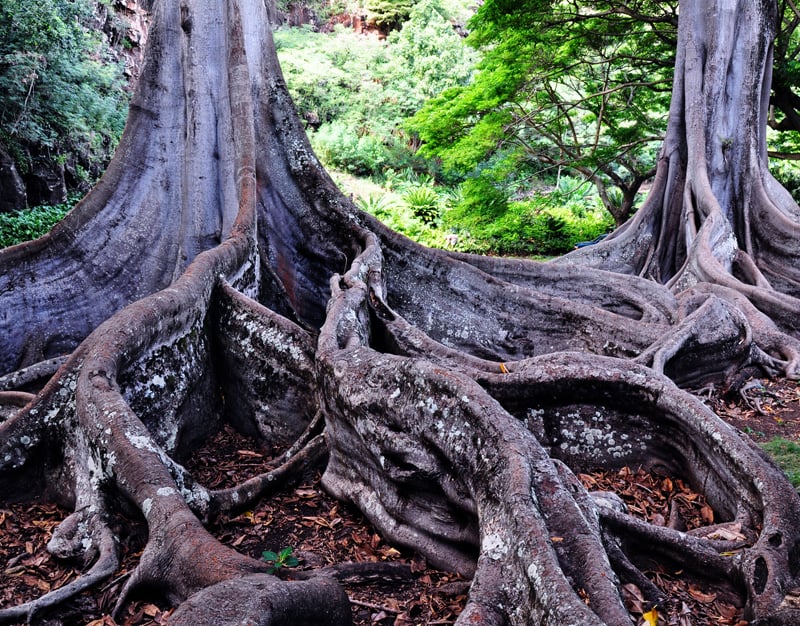
Life finds a way
I was twelve years old in 1993 when my mom, knowing I was a big fan of dinosaurs, took me to see Jurassic Park.
Seeing these trees in person years later did something funny to the twelve-year-old part of my brain. I wanted to jump over one of the roots and tell Tori, "Life finds a way."
That memory feels a little more poignant now because that line still echoes in my head every time I see those trees. I always think of Sam Neill first as Dr. Alan Grant, the character who made dinosaurs feel less like monsters and more like living things worth awe.
That is not the deepest Hawaii memory on this page, but it is a real one. Hawaii has a way of gathering up pieces of your earlier life and handing them back to you in physical form. A movie you saw with your mom. A line you have carried for decades. A tree root big enough to make childhood feel close again.
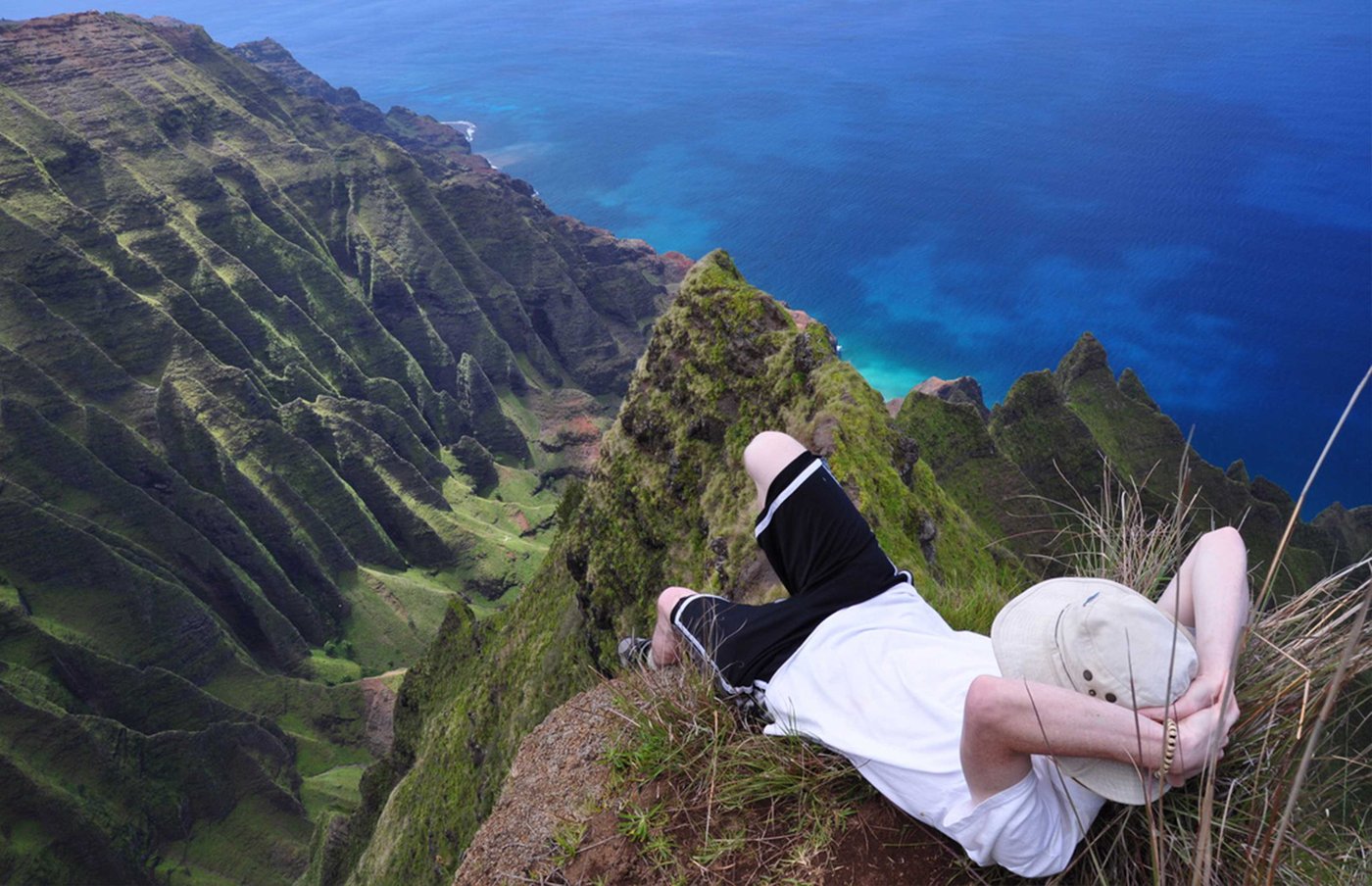
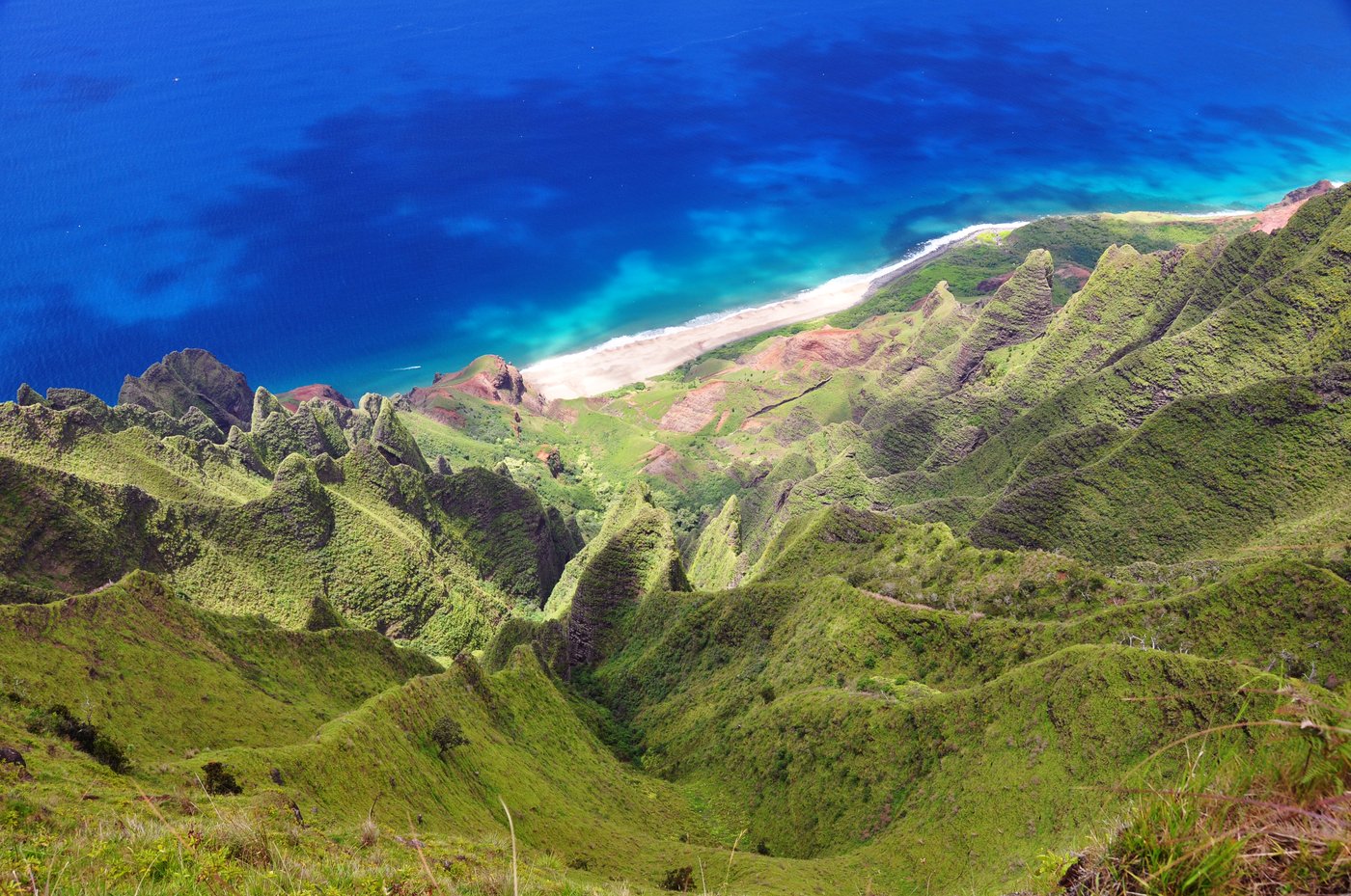
The photo I would not take again
These photos are notable because of what was directly in front of me and what was directly behind me.
It was 2011, on a guided hike. It was just me, Tori, and the guide out there. In one frame, I am lying on the ridgeline. In hindsight, I would never go out that far again. I would never recommend anyone else do it either.
That is the whole reason I wanted these pictures in the essay. Not because they are route suggestions. They are not. Not because the photographs make me look brave. They do not. They make me think, with a little discomfort, that you do not really understand some risks unless you can see both sides of the ridge.
There are photos I look back on with pride. These are different. I look back on them with gratitude and correction. Gratitude that nothing went wrong. Correction because I know more now than I knew then.
Hawaii has taught me a lot through beauty. It has also taught me through hindsight. These photographs carry both.
What the camera missed
None of these photos holds the whole thing.
The Makalawena image does not hold the rough road or the surprise of arriving first. The Kalalau root bench does not hold the waiting. The Nualolo photo does not hold the timer scramble. Waipiʻo does not hold the way a place changes after you leave it. Waiʻaleʻale does not hold the mana. Puʻu ʻŌʻō does not hold the sound and exposure of the helicopter. The ridge photo does not hold the full feeling of looking both ways and realizing, later, what that meant.
That is why they matter.
A photograph is never the whole memory. At best, it is a door back into the memory. These ten keep opening for me because the thing I value most is not always inside the frame. It is around it.
It is the person who walked into the water. The guide I trusted too much. The valley that cleared. The beach before anyone else arrived. The helicopter that happened to pass through. The version of Hawaii I was standing in before it changed, before I changed, or before I understood what I was seeing.
That is why these are some of my most important Hawaii photos. Not because they are my best. Because they still know the story.
Go beyond the frame
The practical guides help you plan the trip. These essays are here for the part Hawaii keeps teaching after the trip is over.

Published by: John C. Derrick
Founder & certified Hawai'i travel expert with 20+ years in Hawai'i tourism, University of South Carolina climate-research training, and NOAA weather-station experience.

Published by: Tori C. Derrick
President & certified Hawai'i travel expert with 15+ years of experience in Hawai'i tourism.